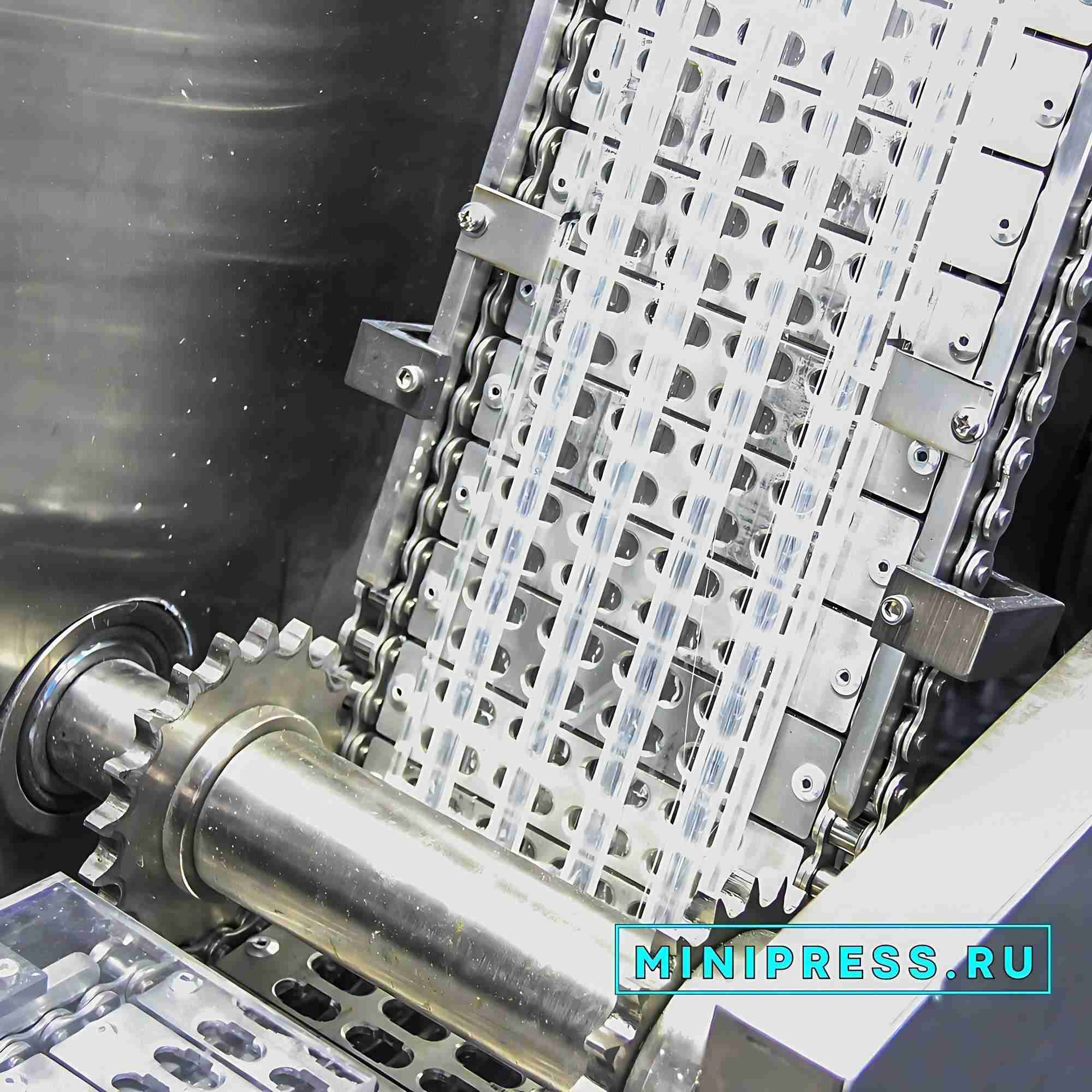
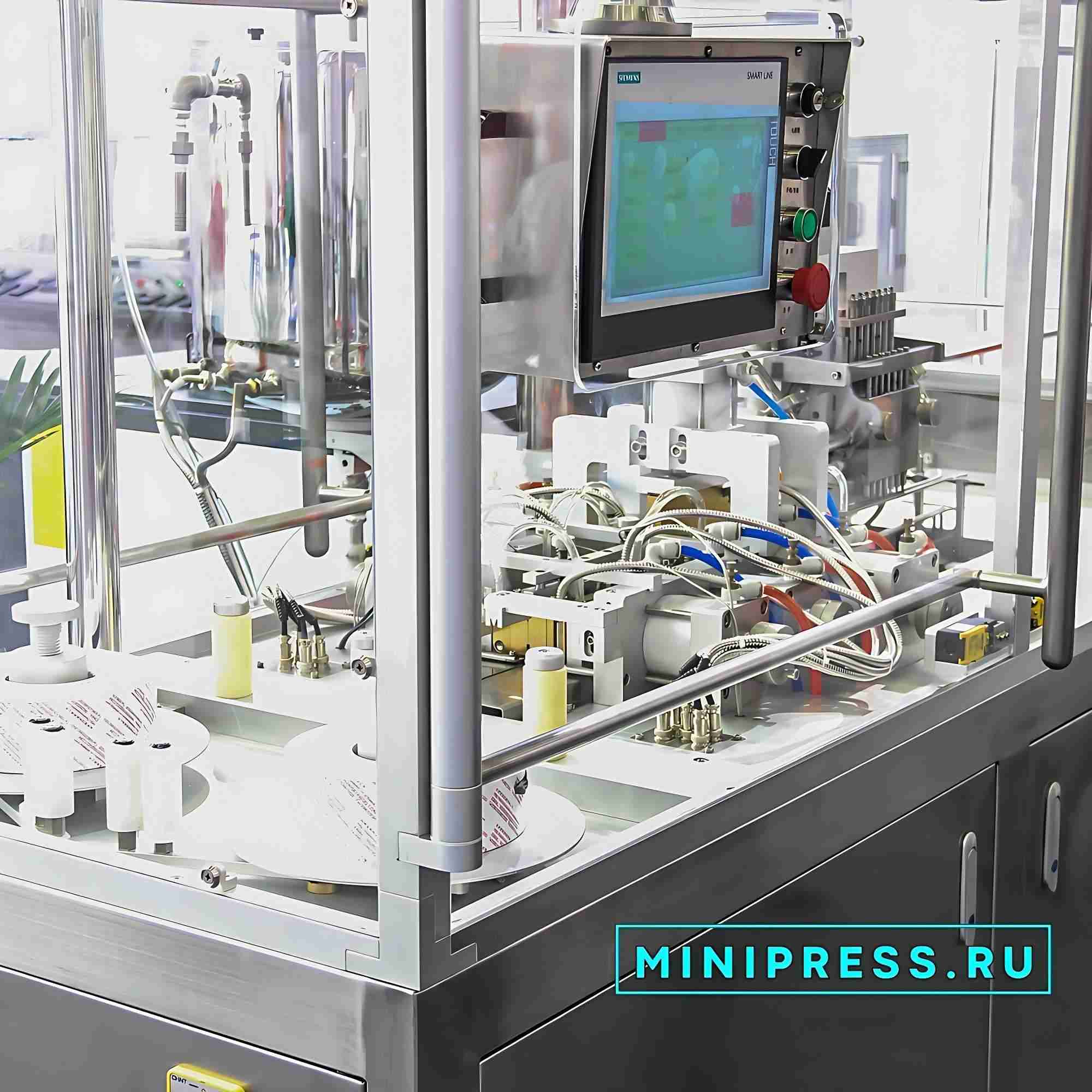
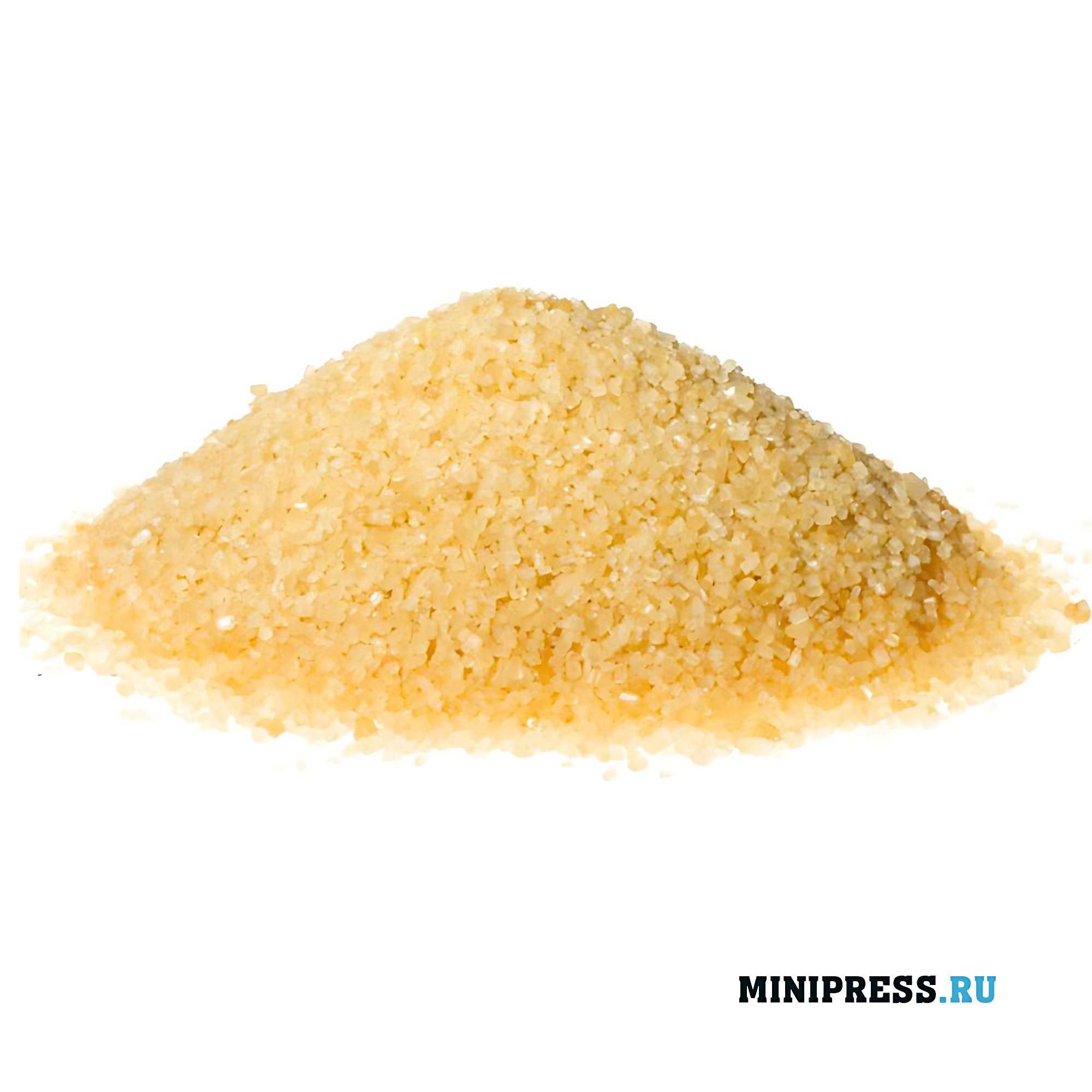
The extrudate is obtained as a result of punching on special devices — extruders. After extrusion (punching), either cutting or spherization of microgranules occurs, followed by drying. Screw extruders (5-15 atm.) and radial-pushing extruders are used to carry out the extrusion process. In a screw extruder, the screw rotates in the drum and the material is forced through holes in the plate at the end of the drum. In the radial-pushing extruder, the extrudate is forced radially and exits through the holes. The advantages of the presented extruders are as follows: ensuring good mixing; high productivity during continuous production; the possibility of using the released heat; easy cleanability and replaceable internal parts. The disadvantage is the formation of stagnant zones.
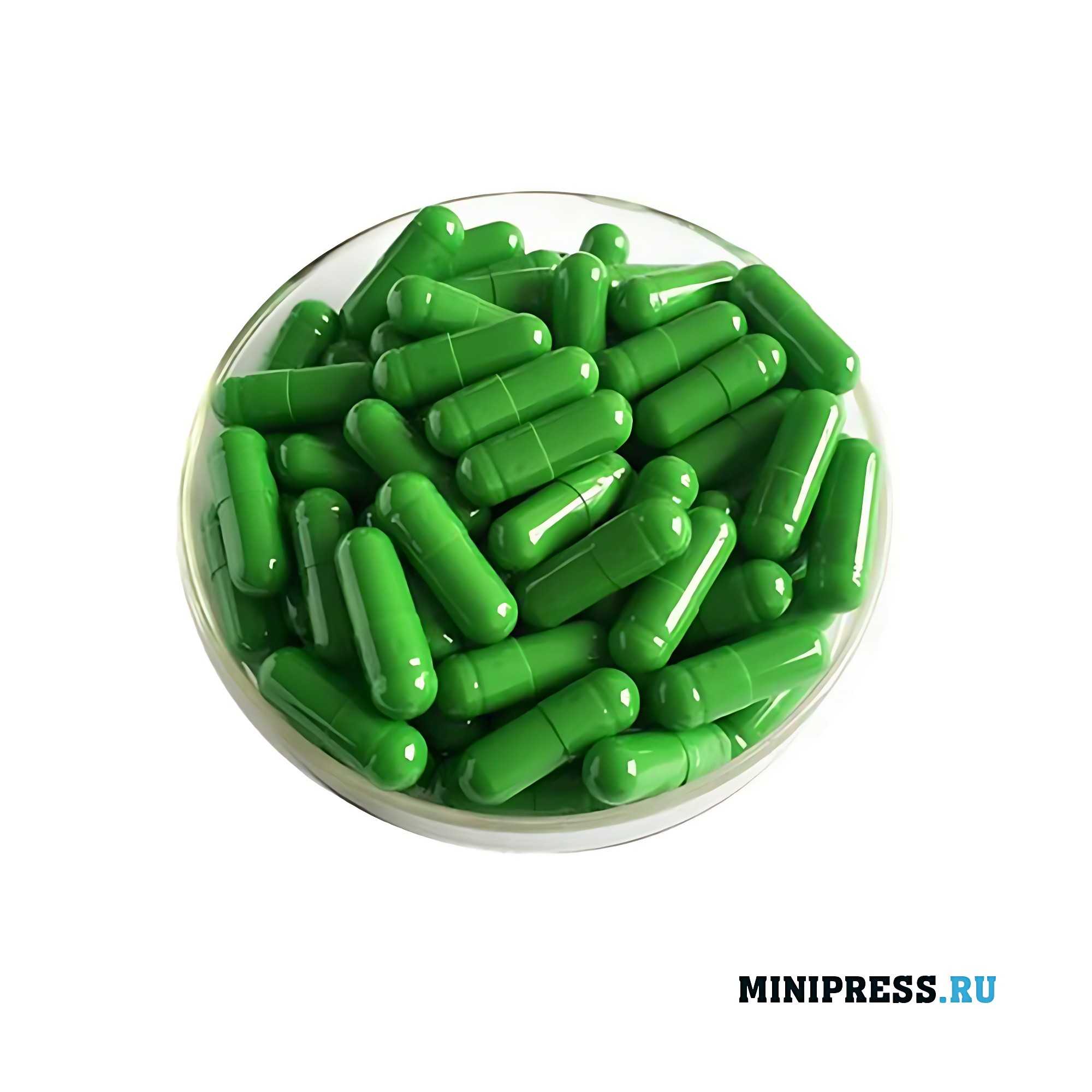
Tablet (from Lat. tabella — tablet, tile) is a dosed dosage form obtained by pressing medicinal or a mixture of medicinal and auxiliary substances.
Intended for internal, sublingual, implantation or parenteral use. The first information about tablets dates back to the middle of the XIX century. In Russia, the first large tablet workshop opened in 1895 in St. Petersburg.
Tablets are one of the most common and promising dosage forms and, as mentioned earlier, currently account for about 80% of the total volume of finished dosage forms.
This is due to the fact that tablets have a number of advantages over other dosage forms, namely: the accuracy of dosing of medecine injected into tablets; the portability of tablets, which provides convenience of dispensing, storage and transportation of the dosage form; the safety of medecine in a compressed state.
For insufficiently resistant substances, it is possible to apply protective shells; masking of unpleasant organoleptic properties of medicinal substances (taste, smell, coloring ability), which is achieved by applying shells of sugar, cocoa, chocolate, etc.; localization of the action of the medicinal substance in a certain place of the ga...
The term "coated coating" comes from the French word "dragee" and means "applying a sugar coating". A drained tablet consists of a core tablet containing a medicinal substance (substance) and a coating containing several excipients. The core tablet must be mechanically strong. Tablets to be drained should not have a flat shape to avoid sticking together. Let's consider one of the old methods of coating — sugar coating. Sugar coating is an effective way of applying large layers of coatings, primarily to mask the taste. This type of coating is used for temperature-sensitive and brittle solid dosage forms. The first stage of this technology is the spraying of a solution for spraying onto a particle (tablet, pellet). The air supplied to the device evaporates the liquid and dries the sugar layer. With intermittent supply of the solution, the particles remain in the process until the desired layer thickness is reached. The coating of particles is carried out evenly over the surface, while the mass of the layer varies from 0.5 to 2 mm. Currently, a large number of tablets are being drained, including: tablets of some hormonal medecines; some choleretic agents; synthetic medecines (glutami...

 Deutsch
 Français
 Italiano
 Polski
 Español
 Русский
 Português


 8428
 8502111