
 Deutsch
 Français
 Italiano
 Polski
 Español
 Русский
 Português



 8495
8495 8523927
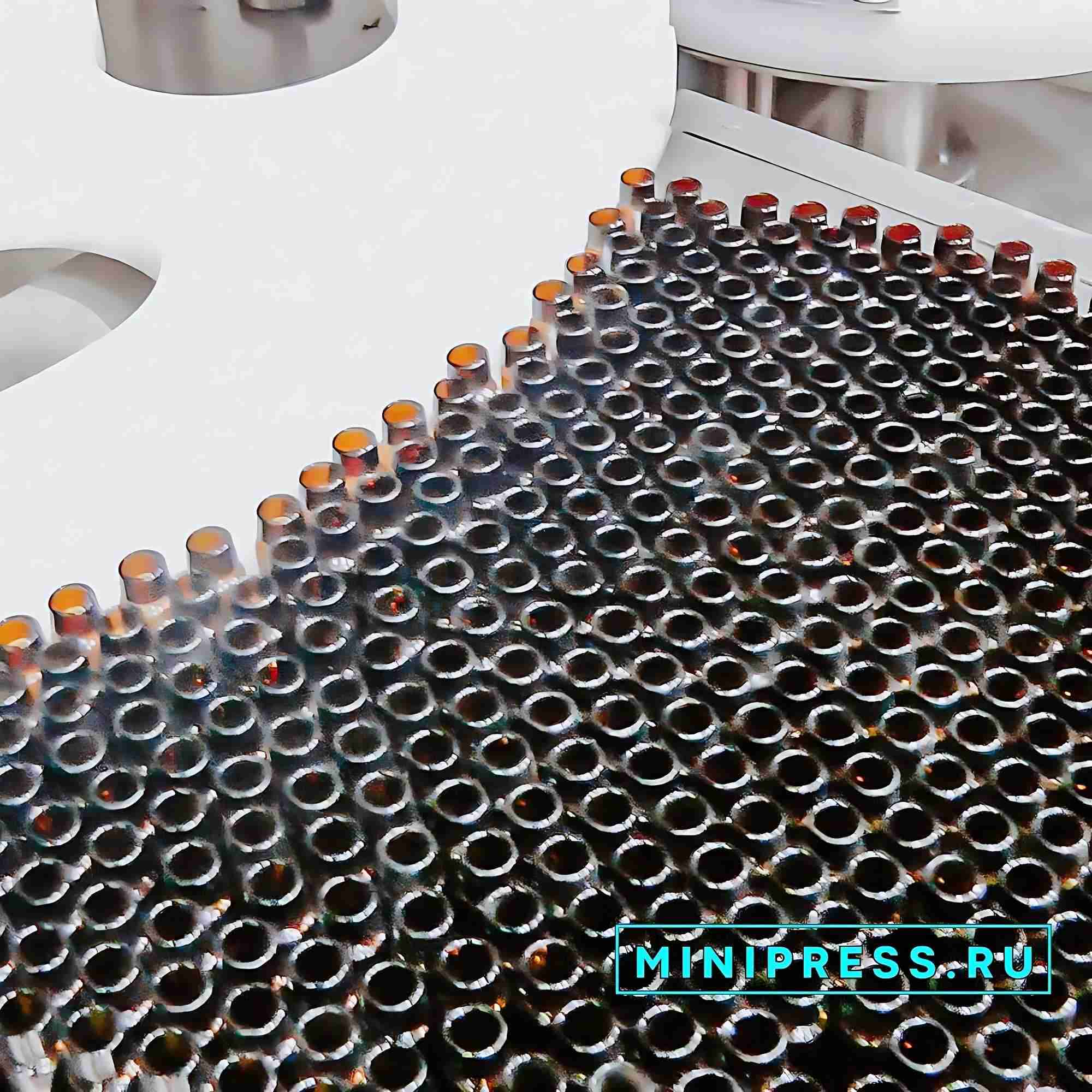
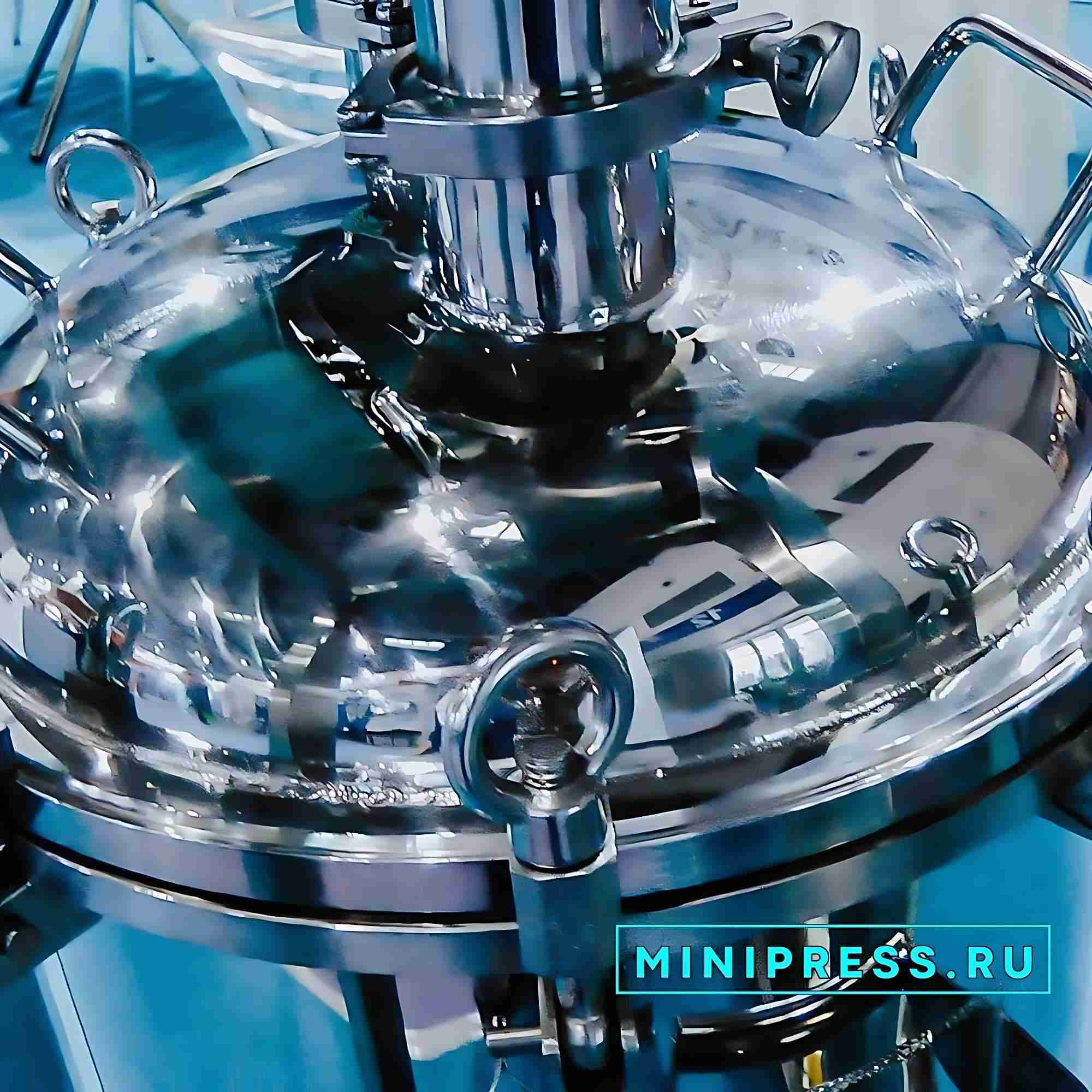

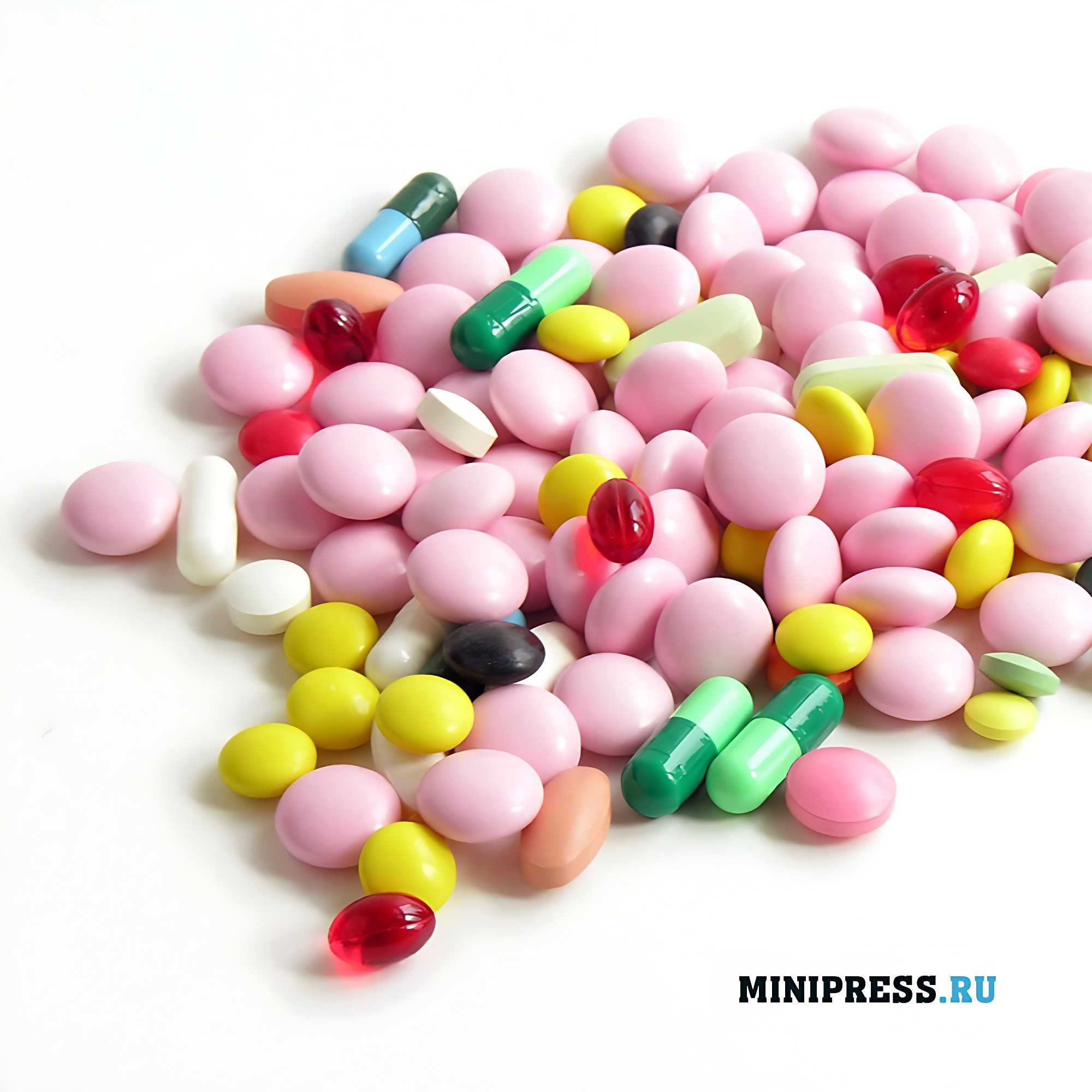

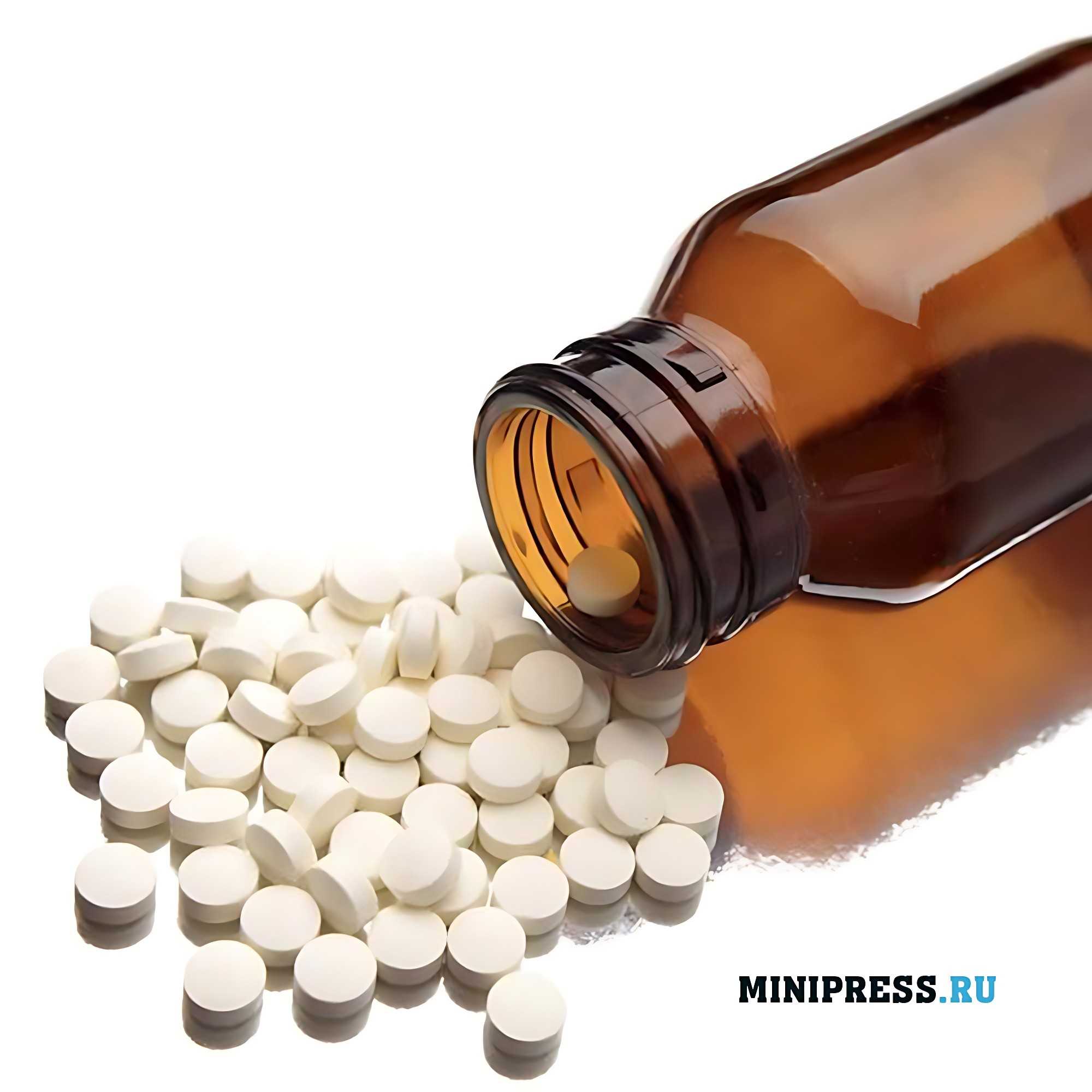



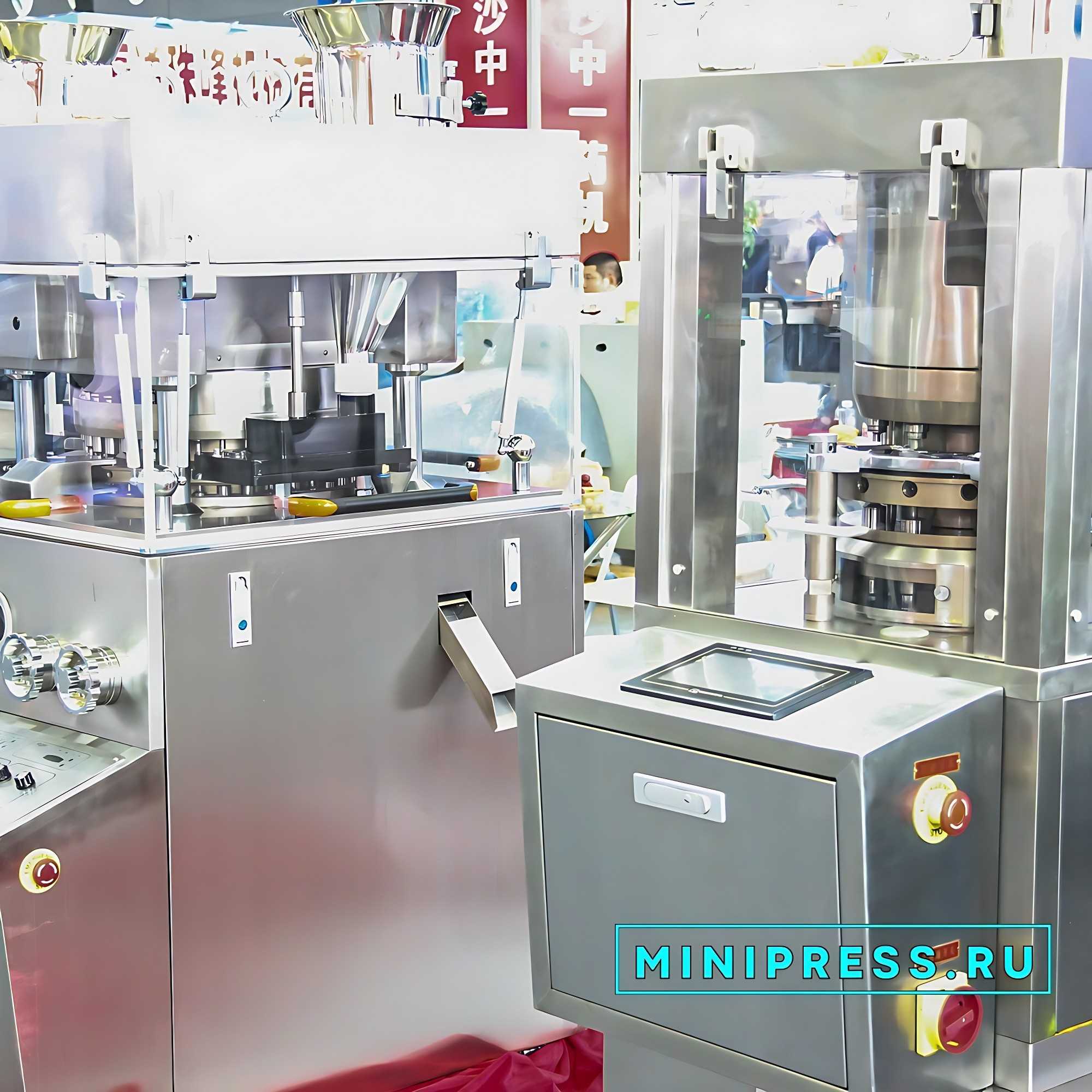
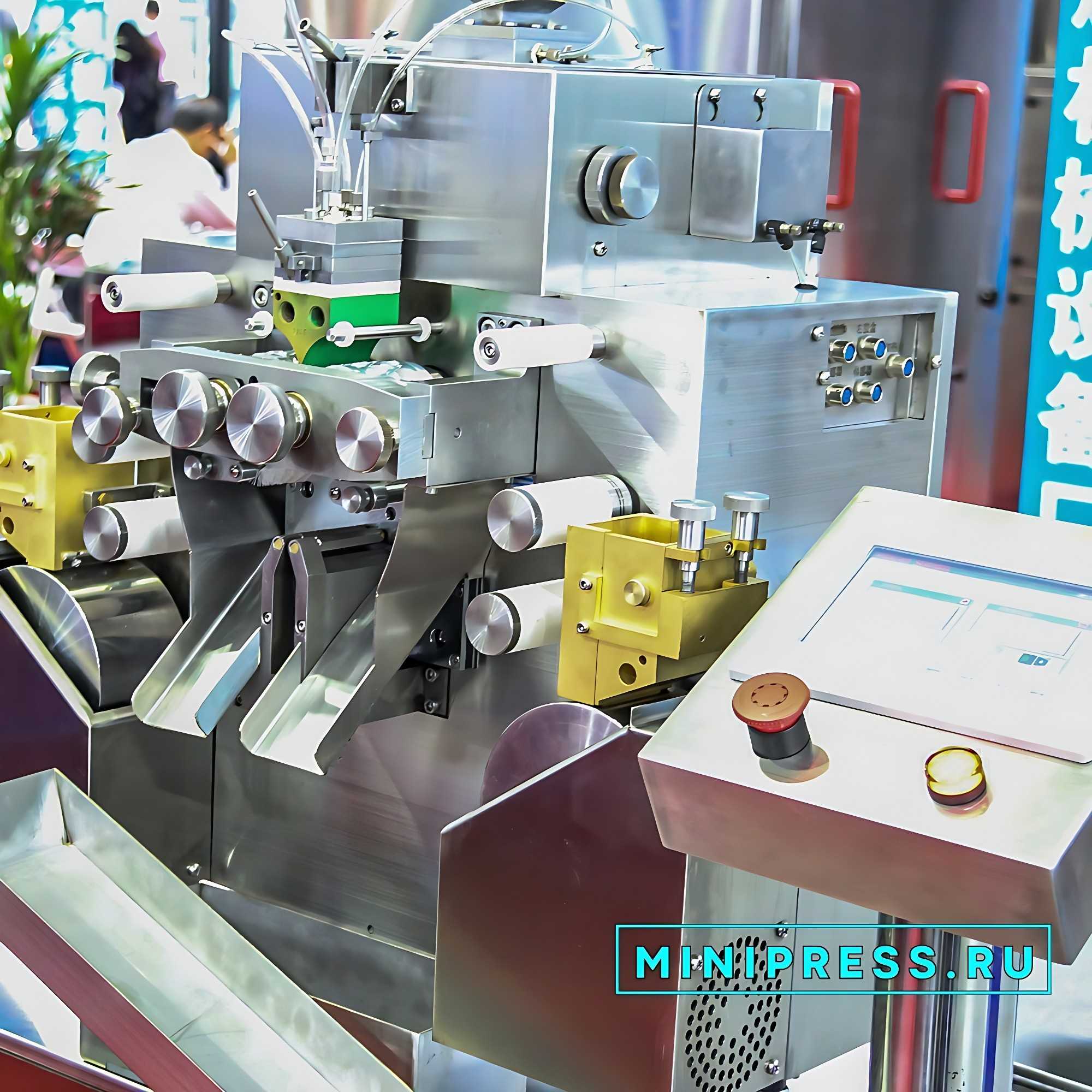
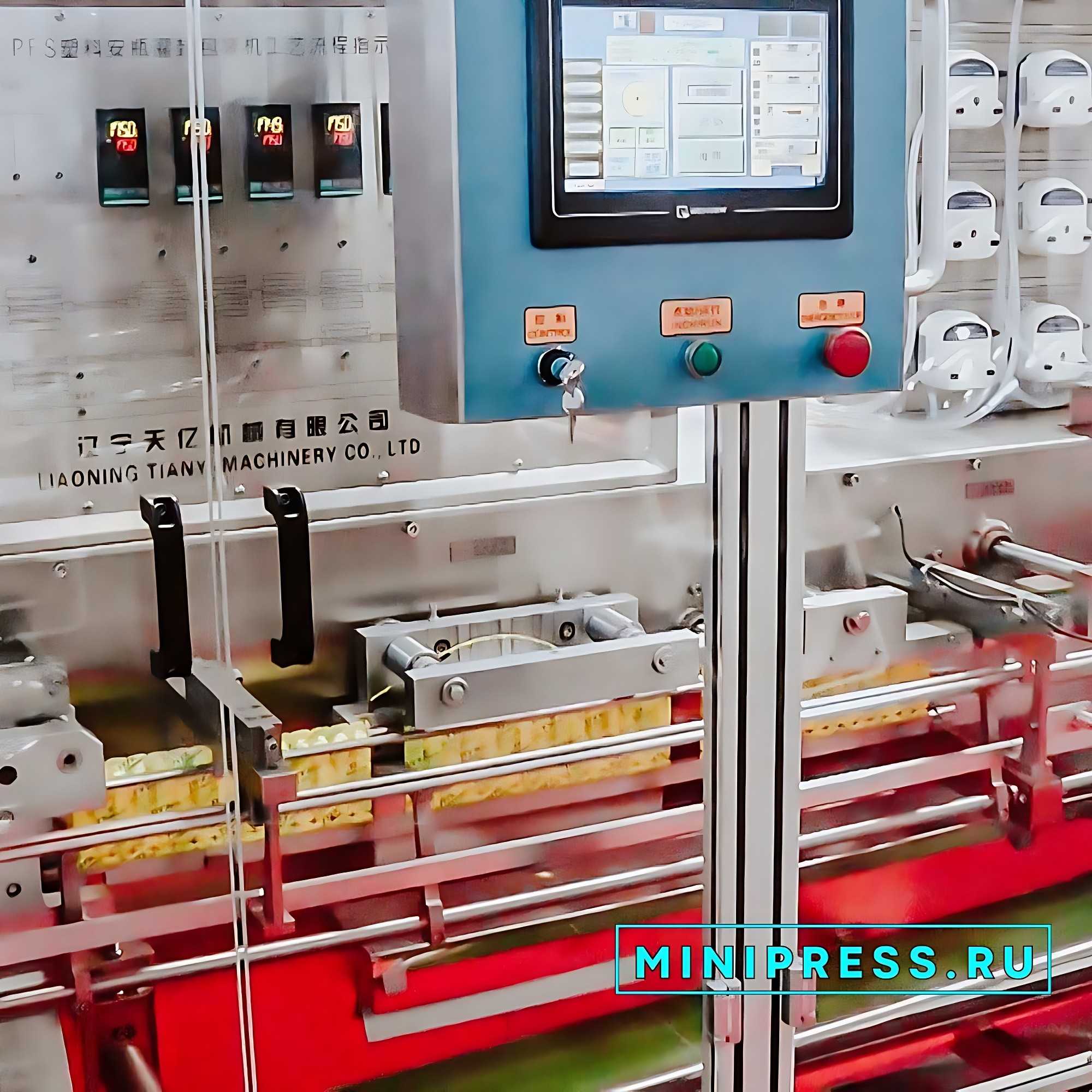
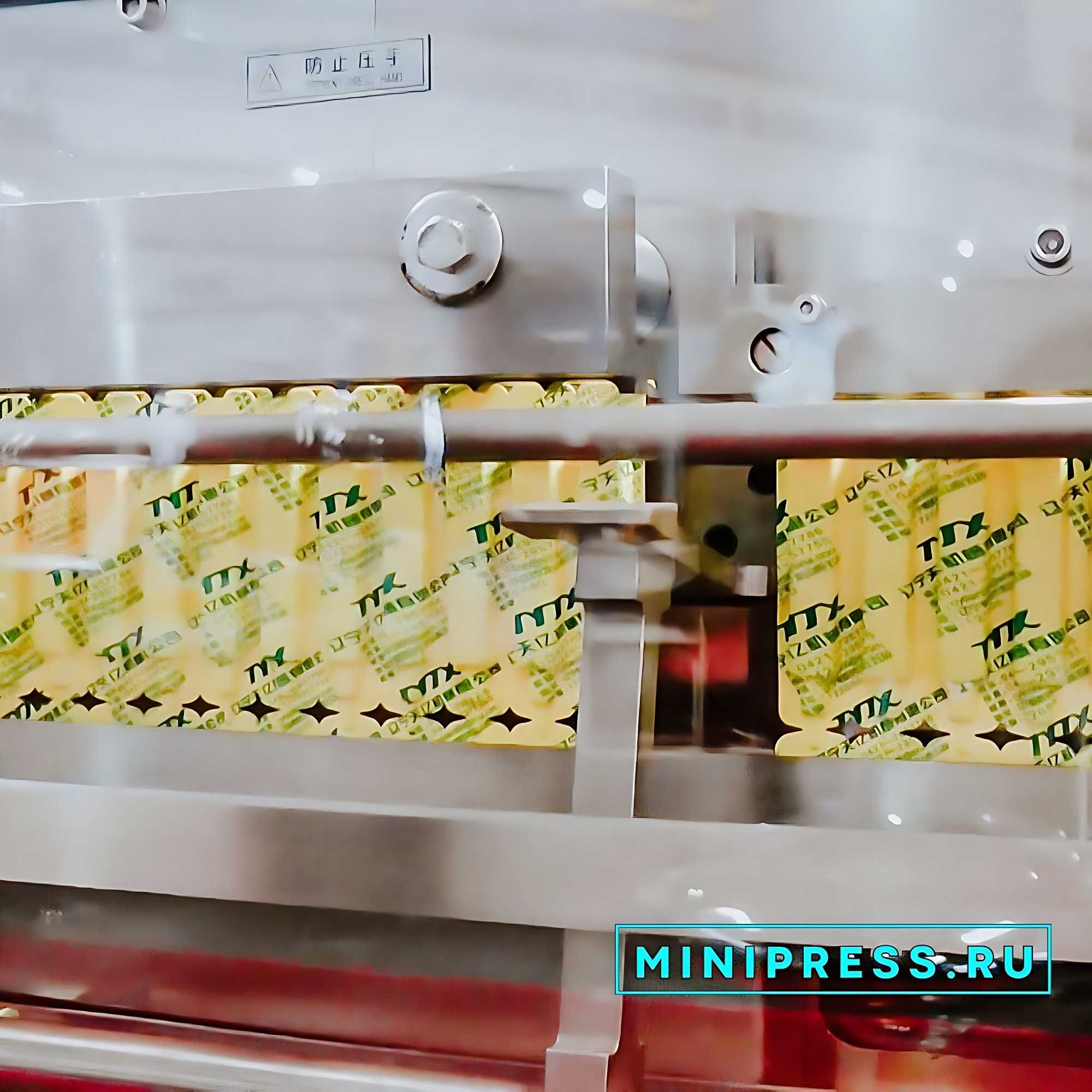




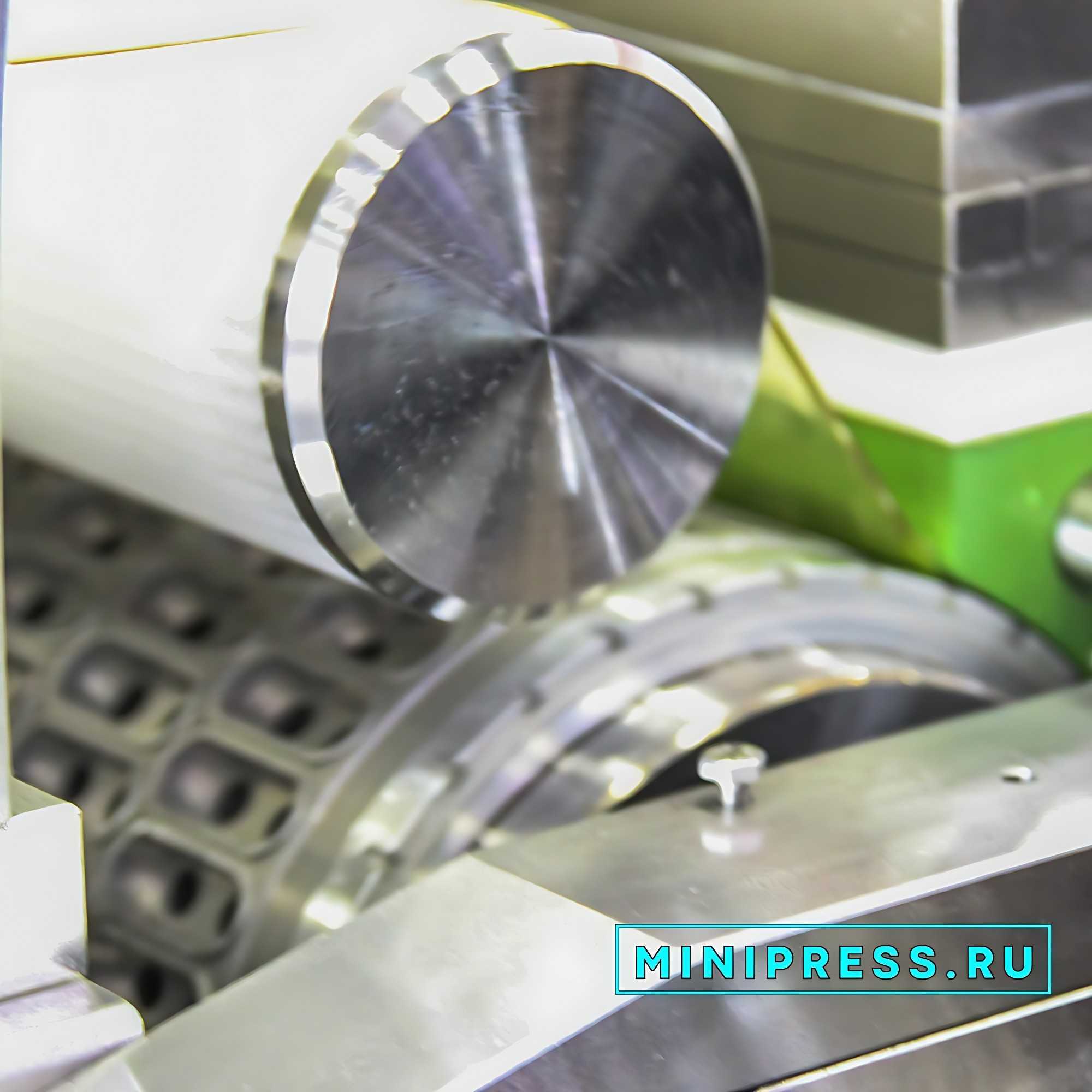
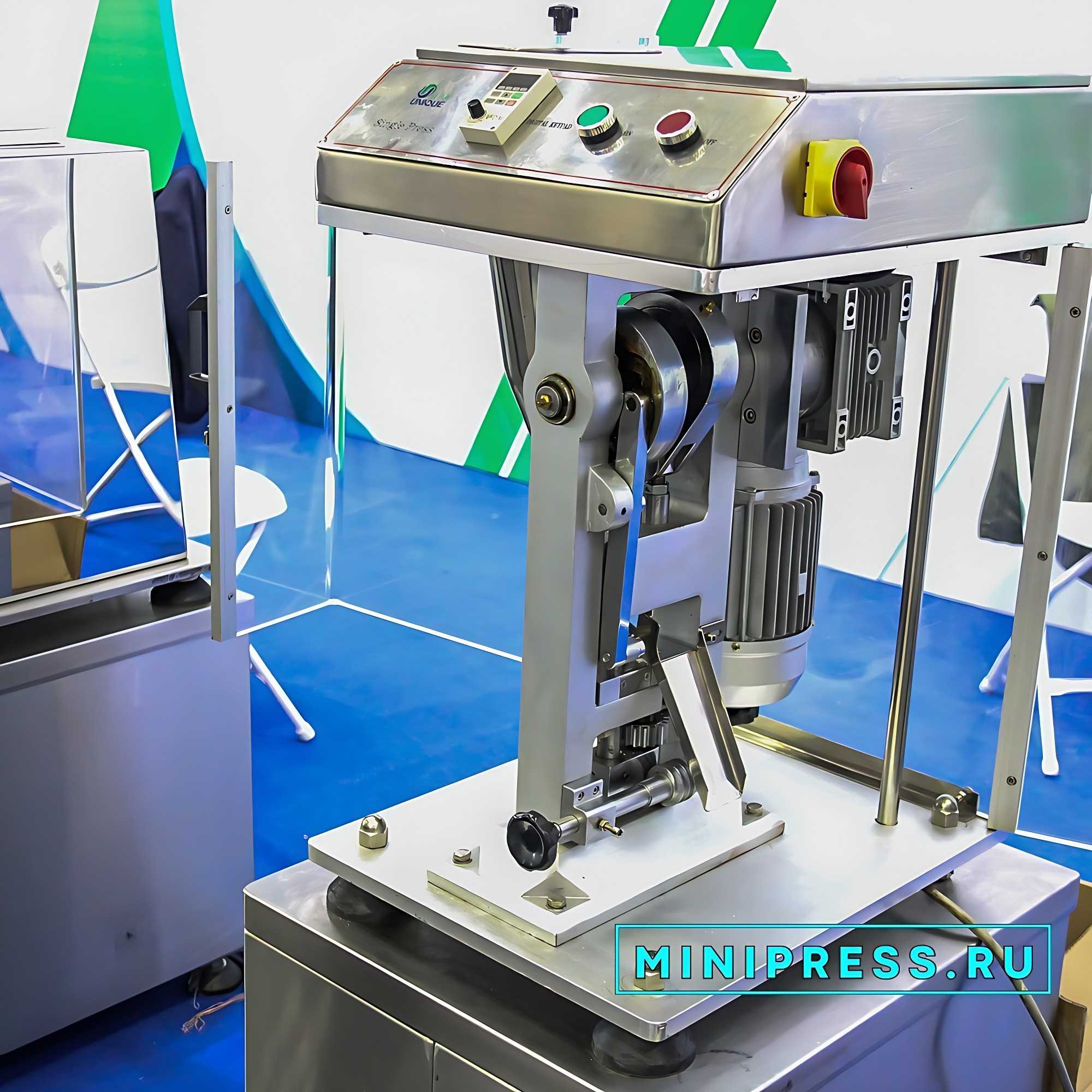
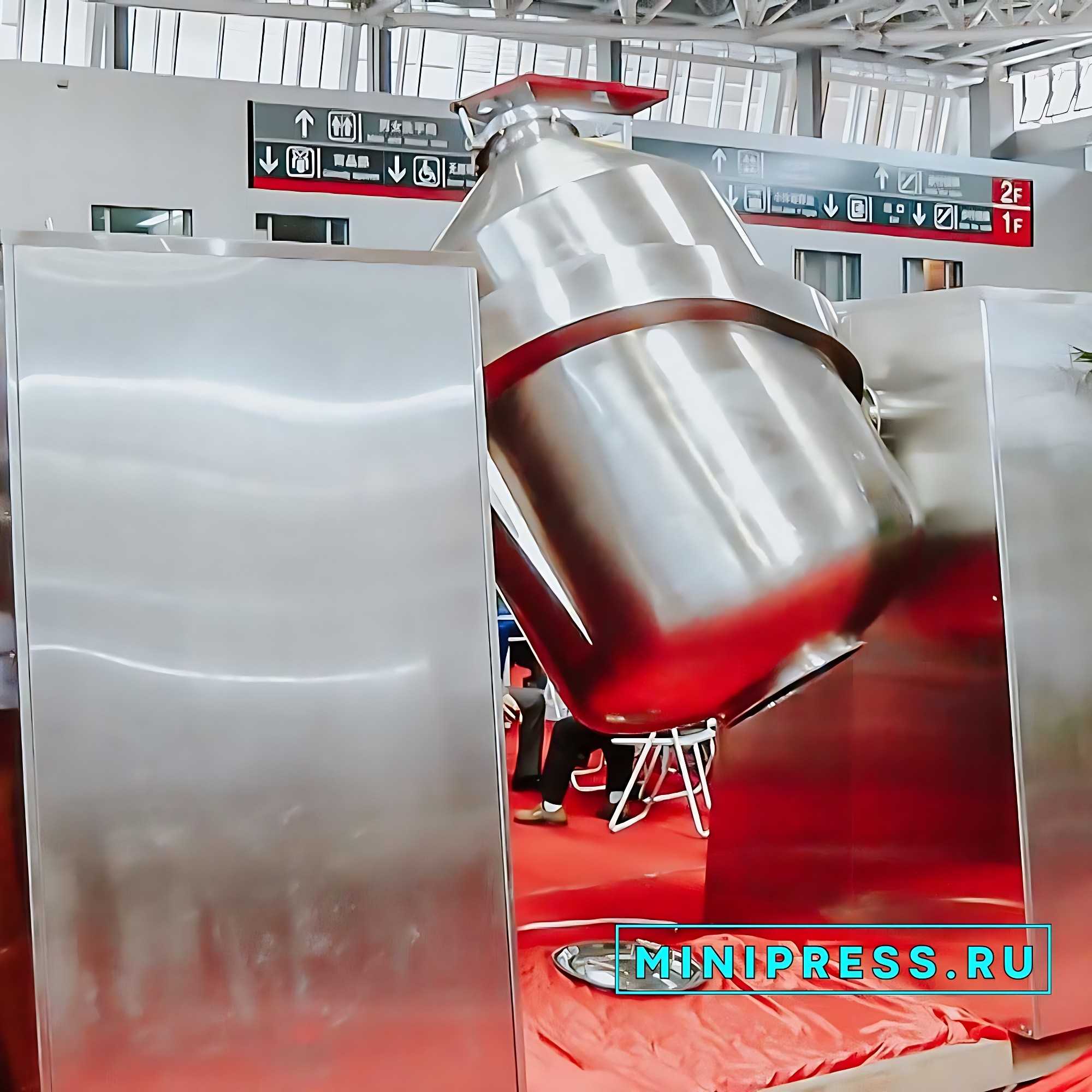
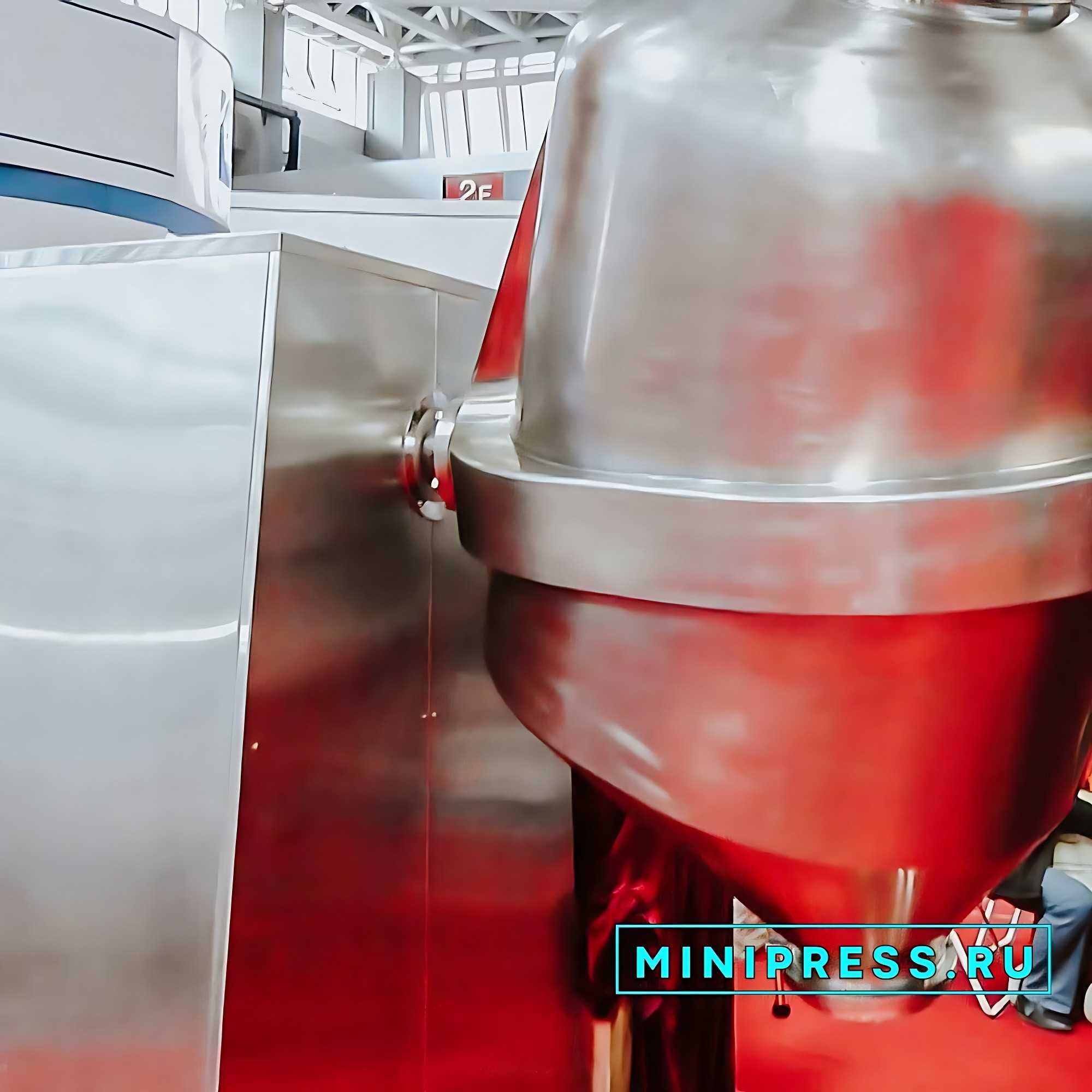





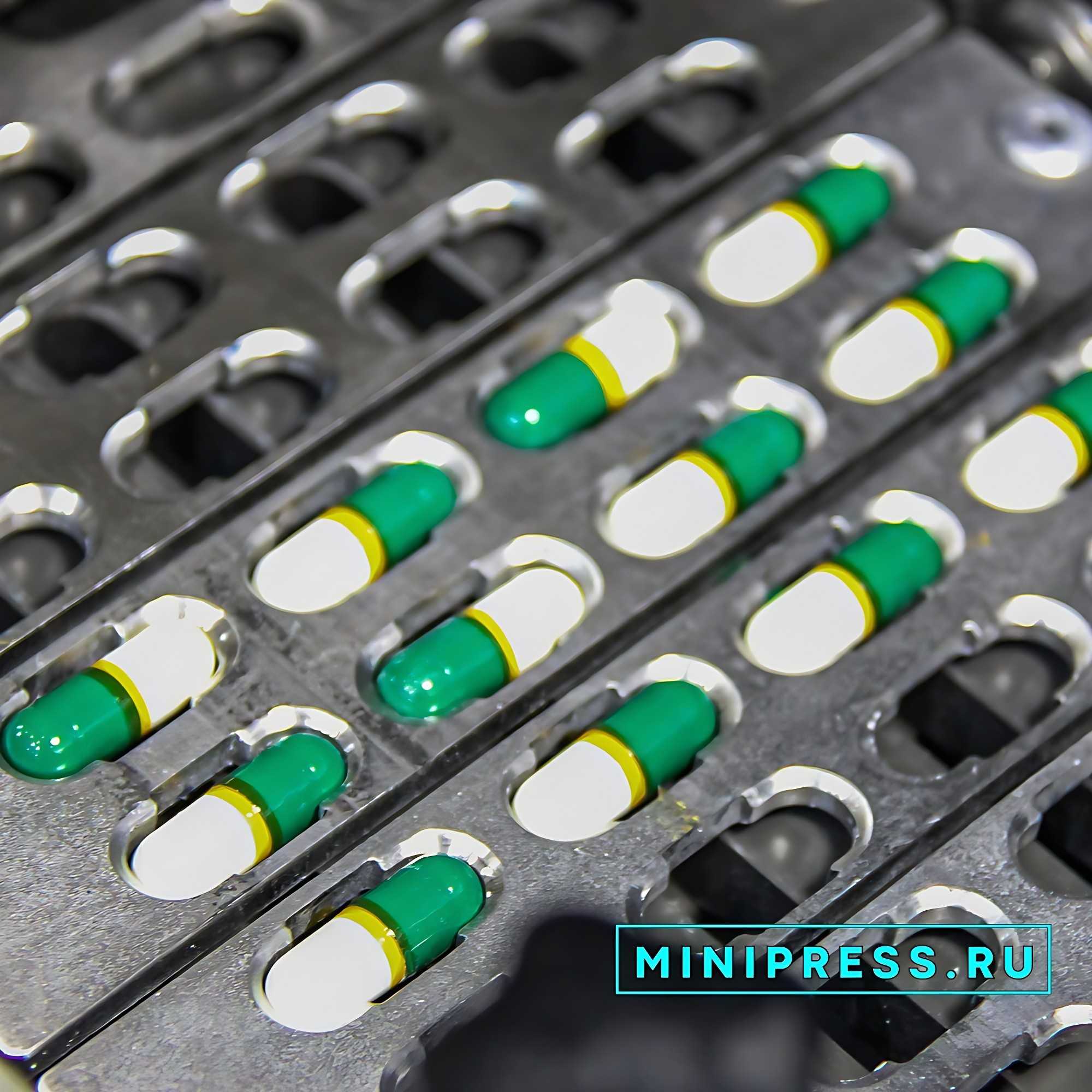
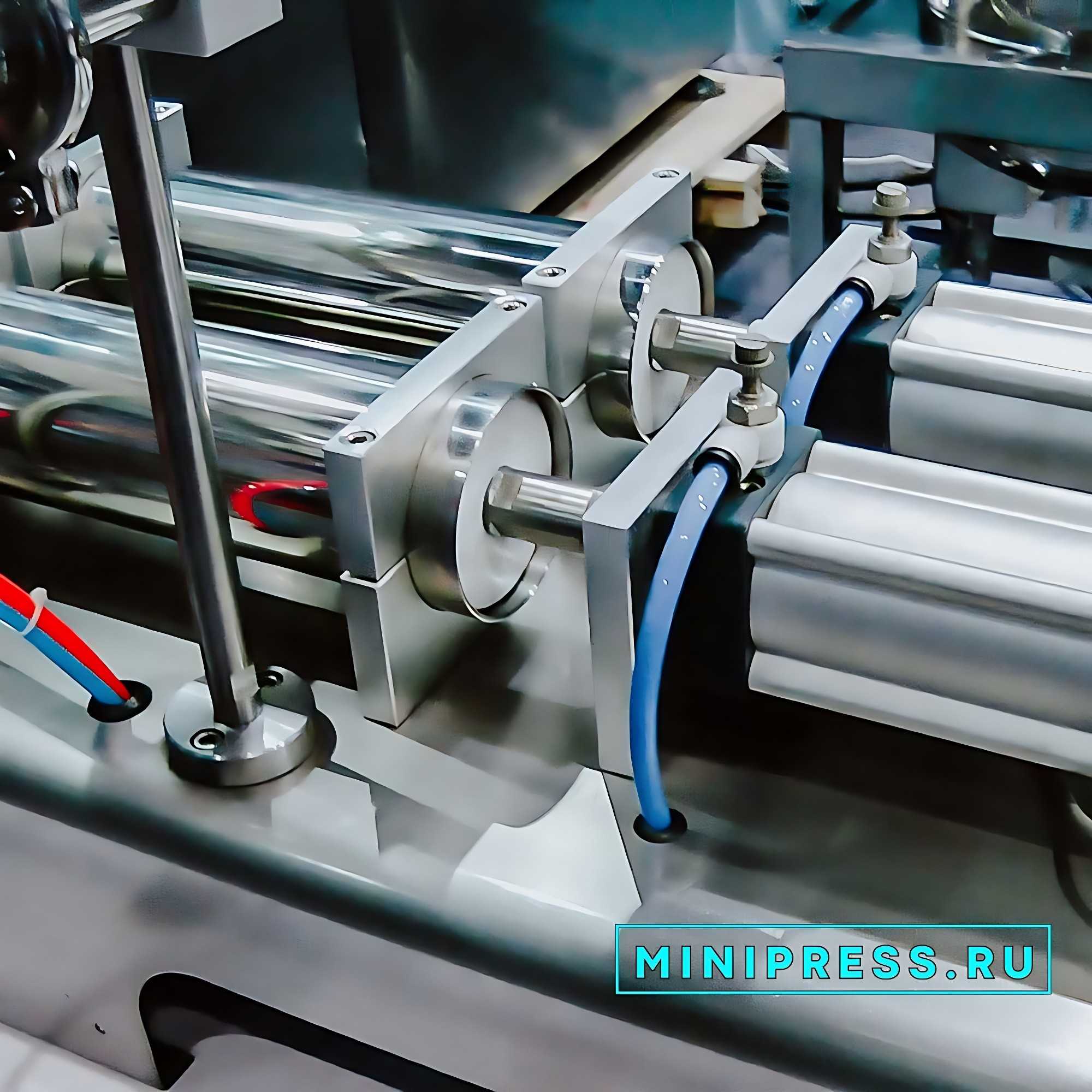
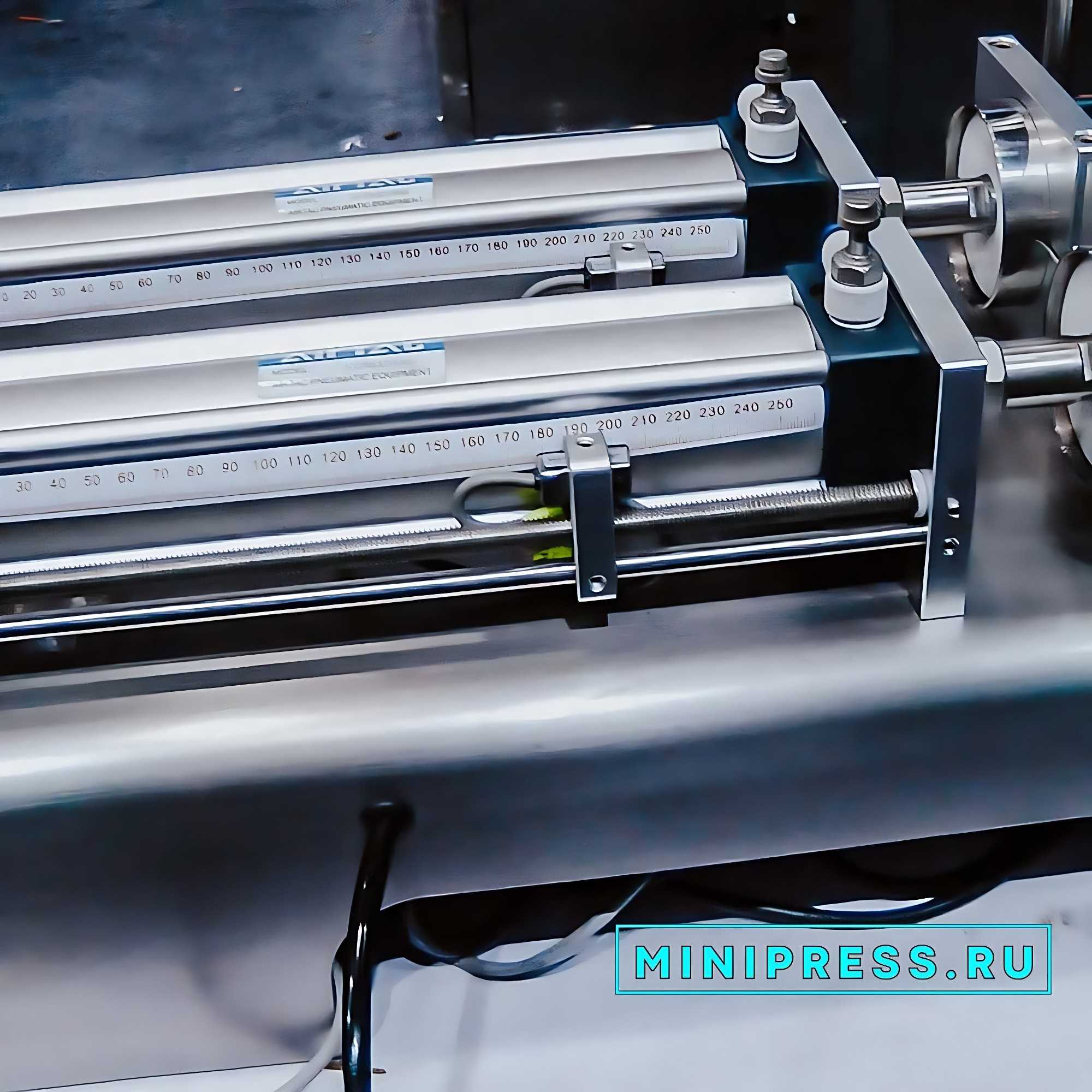
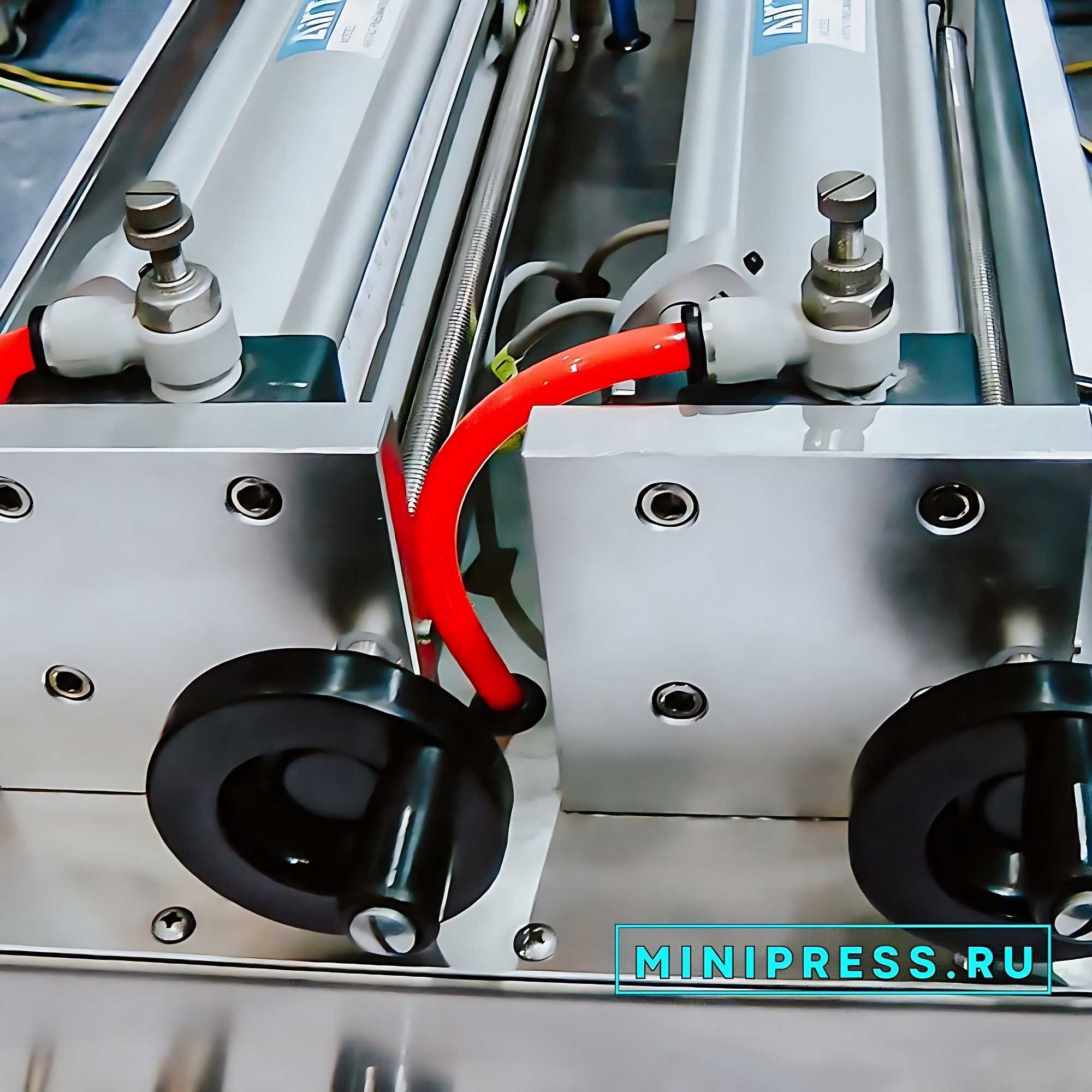





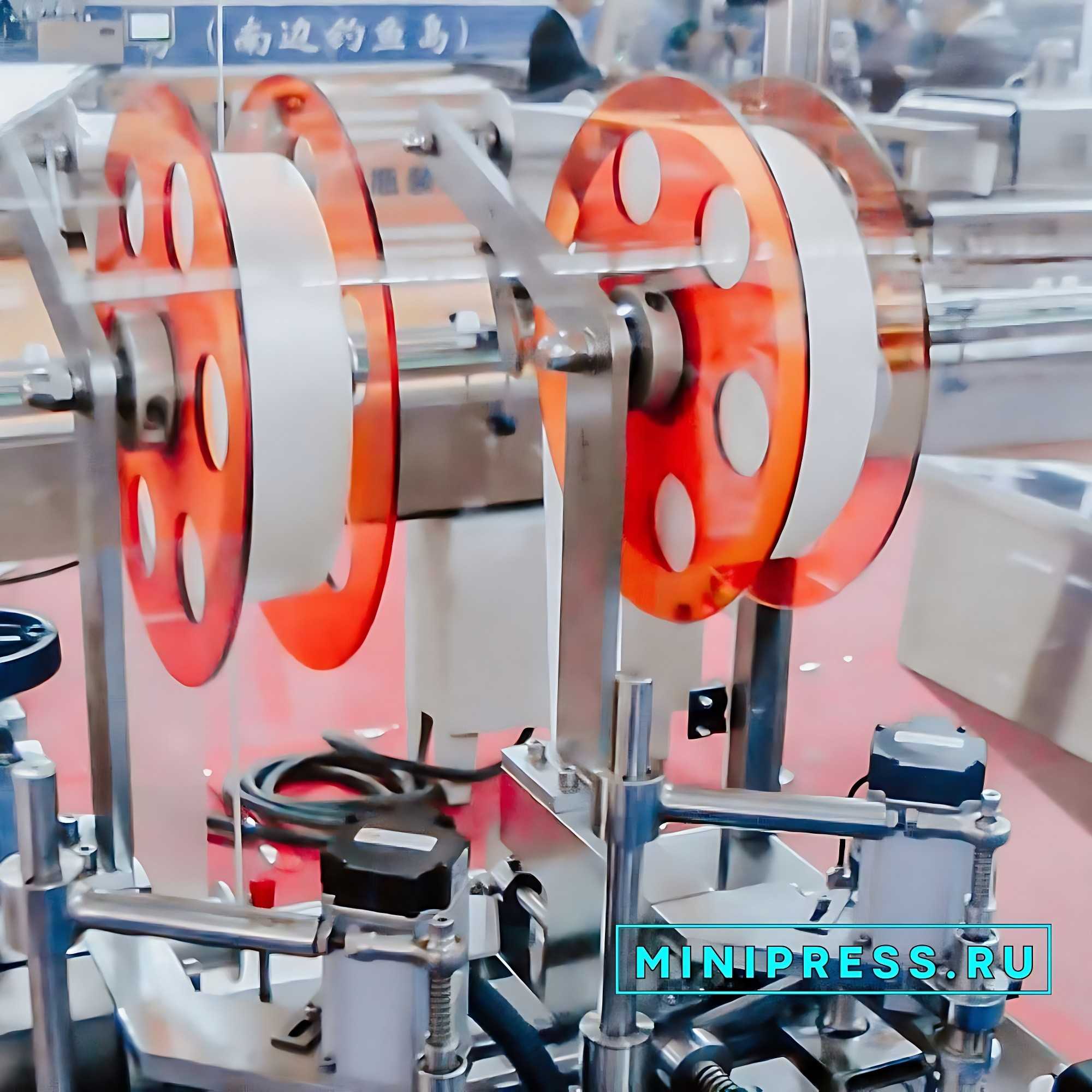
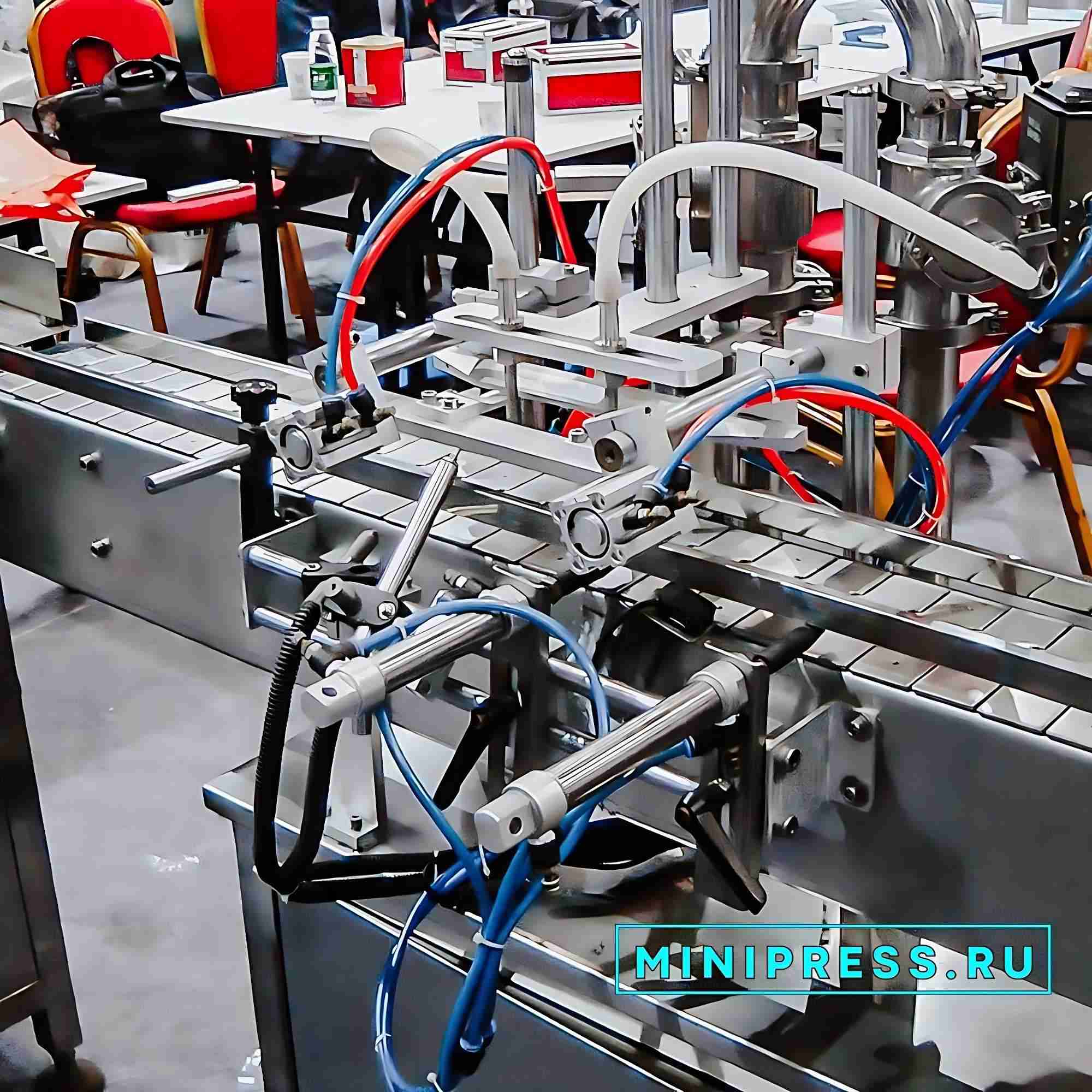
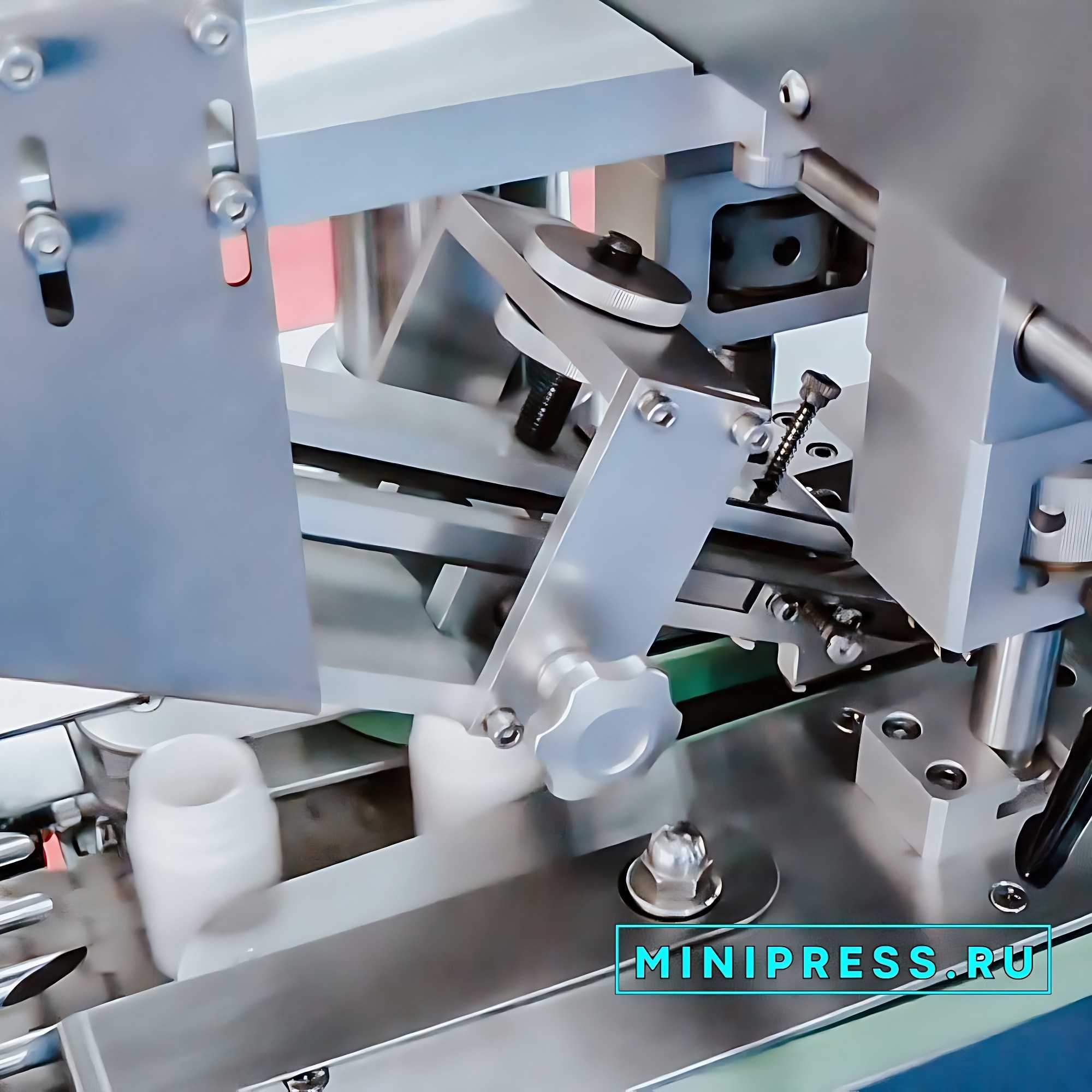
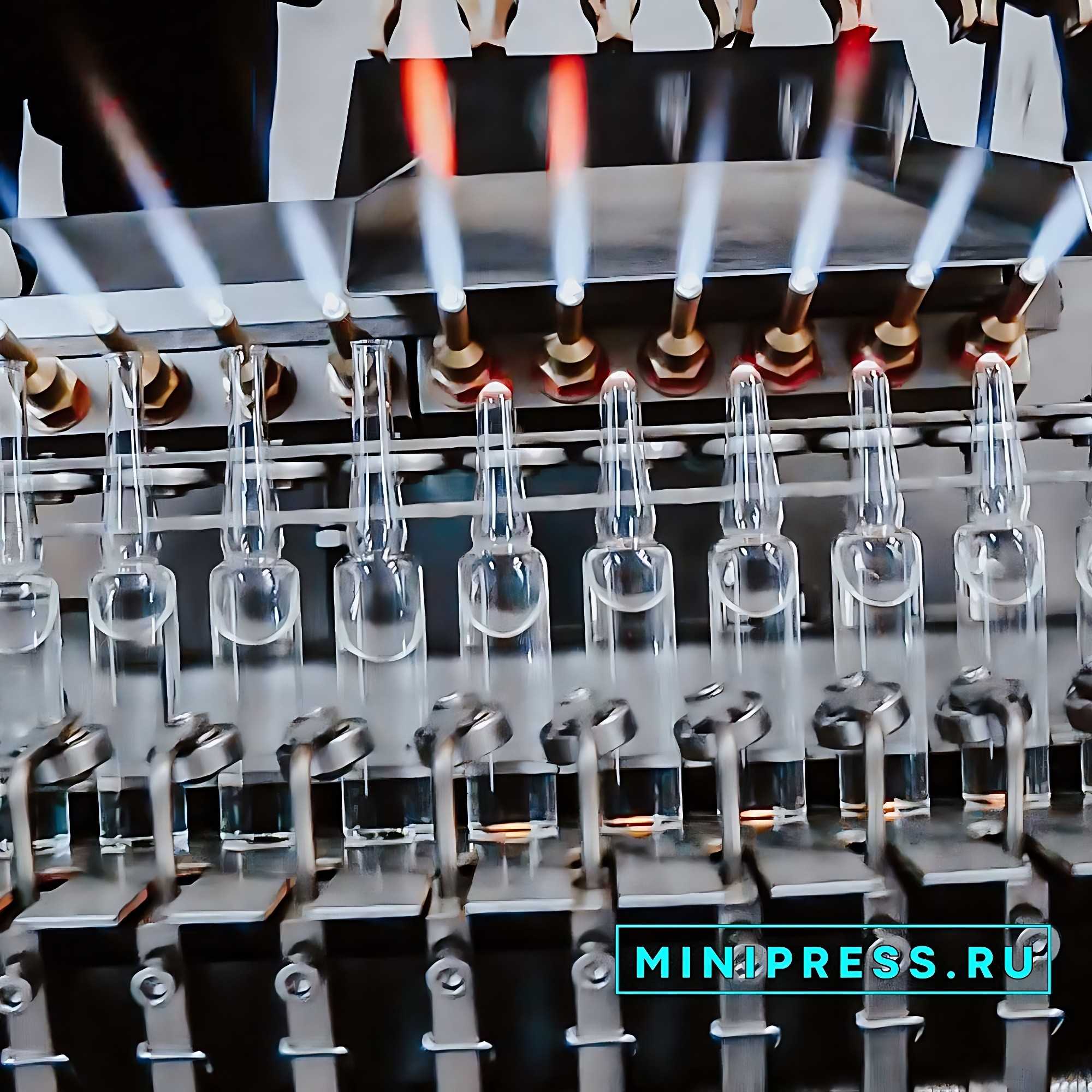

- EQUIPMENT FOR COATING TABLETS
- AUTOMATIC EQUIPMENT FOR REMOVING TABLETS AND CAPSULES FROM BLISTERS
- EQUIPMENT FOR WASHING AND STERILIZING BOTTLES
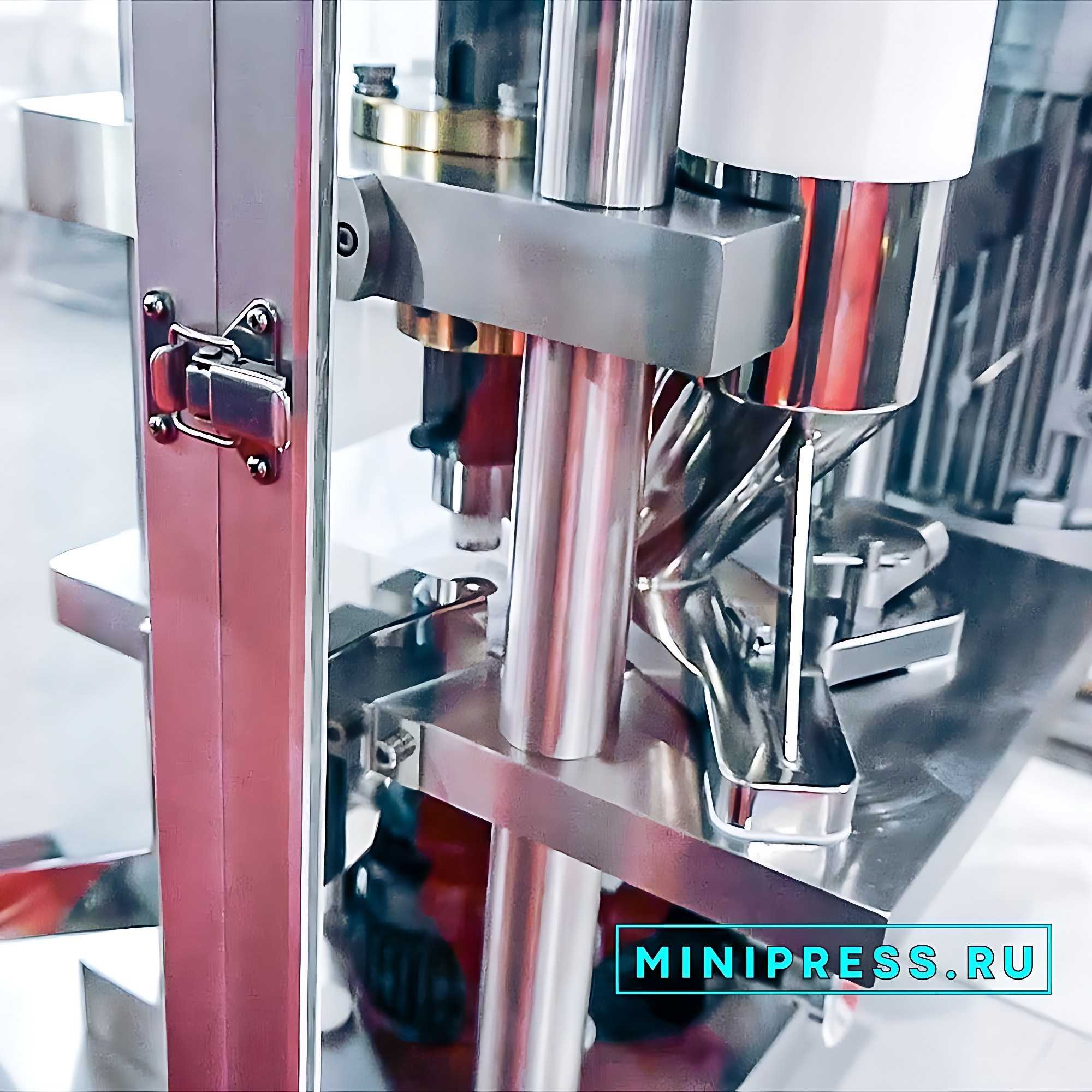
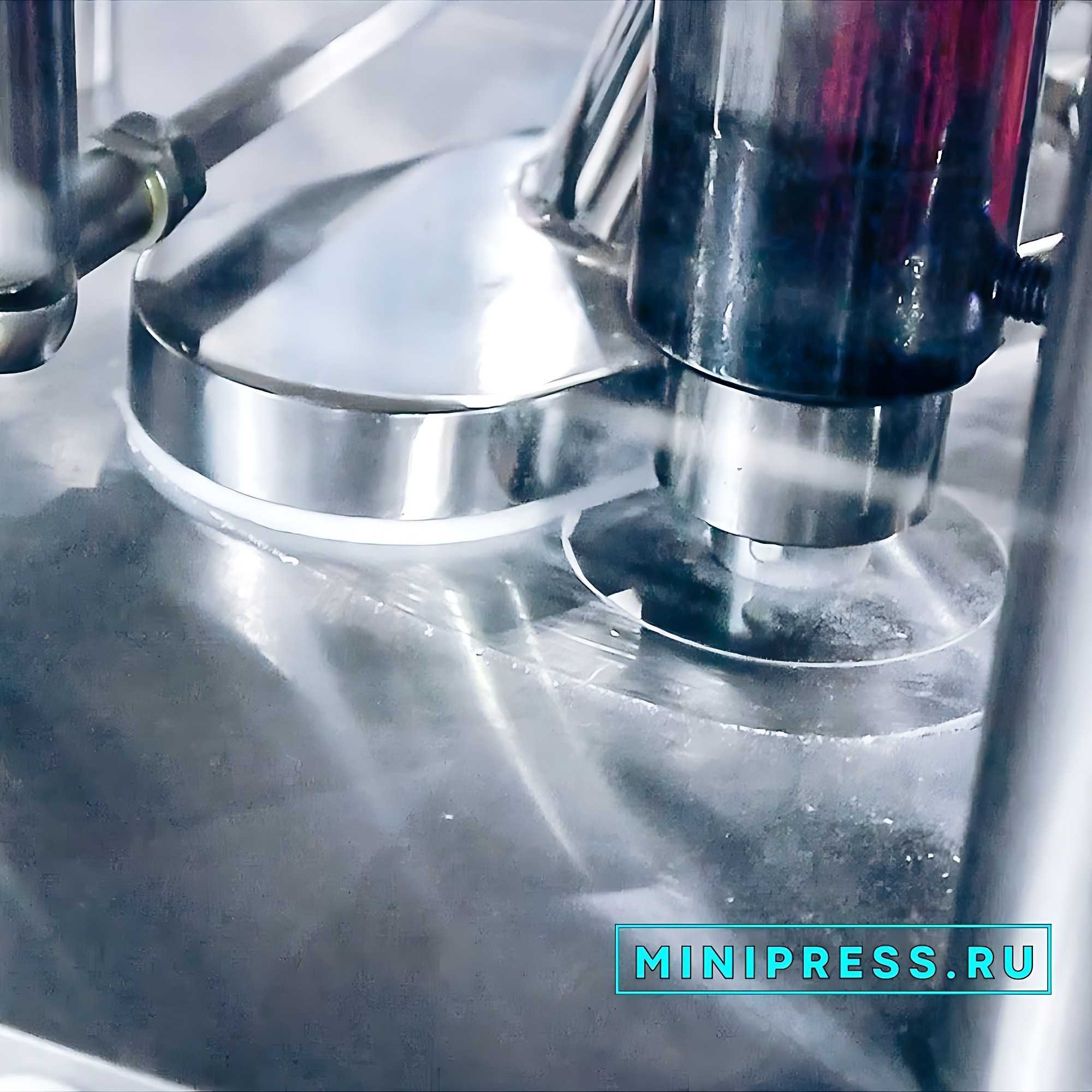
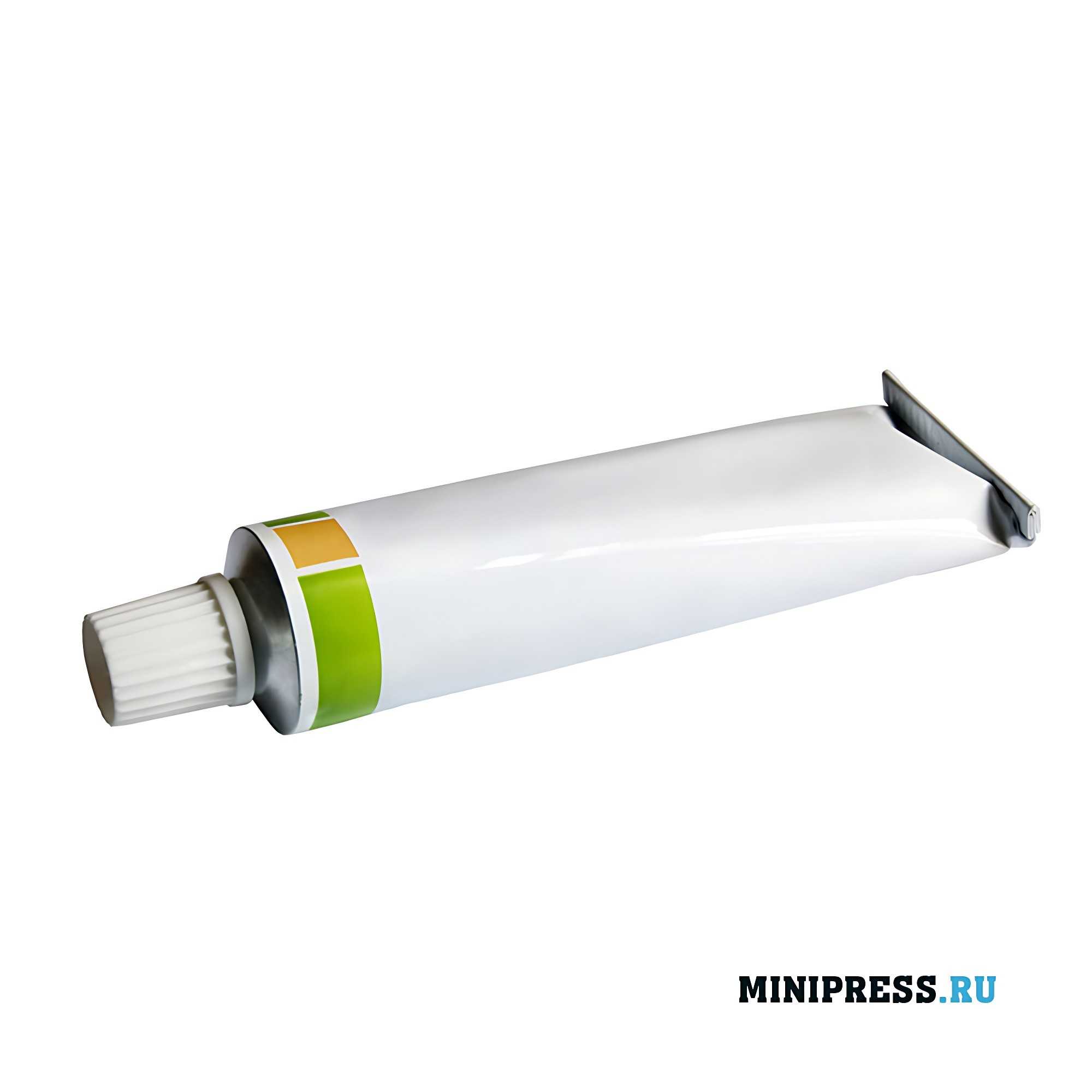
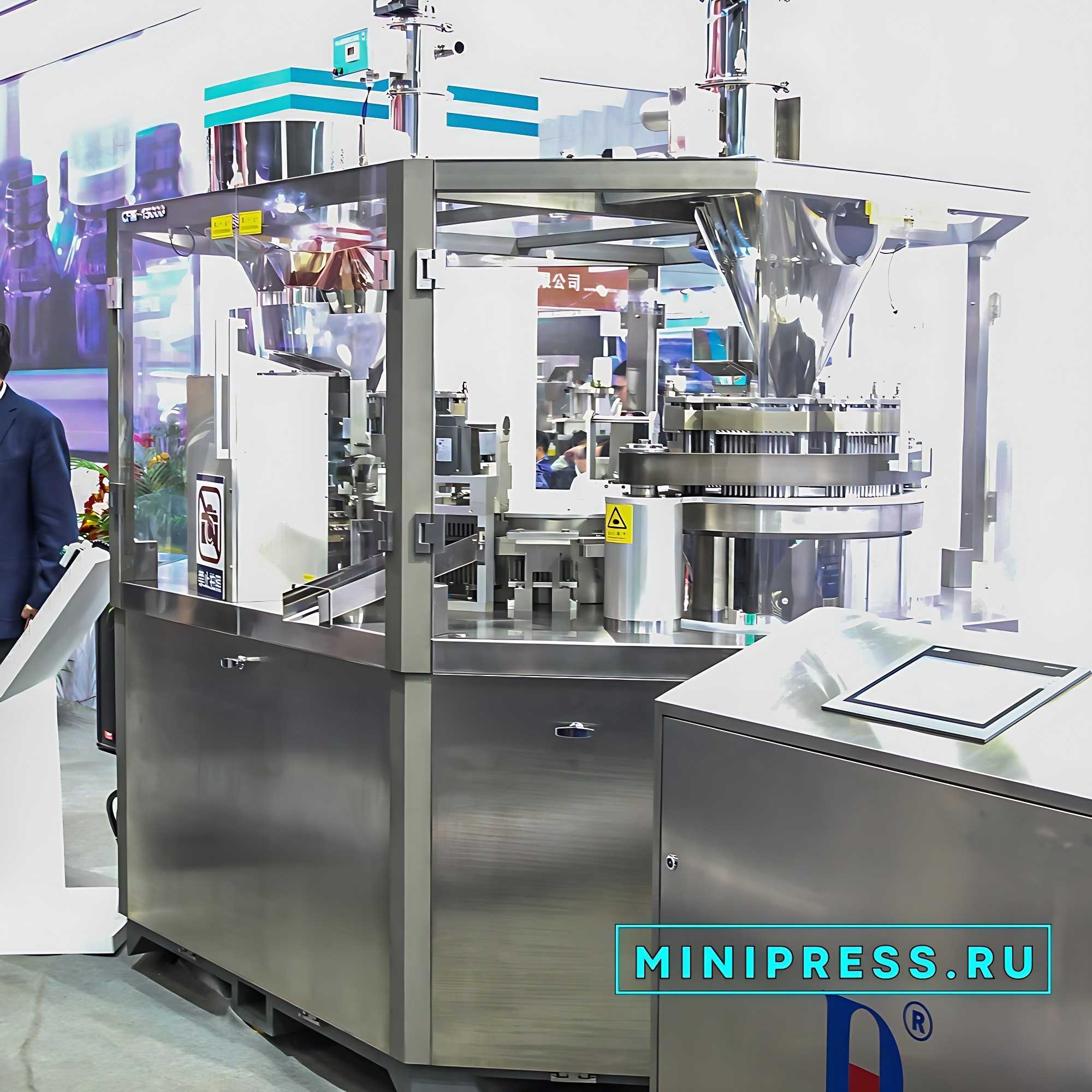
- EQUIPMENT FOR FILLING CREAMS AND SEALING PLASTIC TUBES
- EQUIPMENT FOR FILLING AND SEALING GLASS AMPOULES
- BOTTLE FILLING AND CAPPING EQUIPMENT
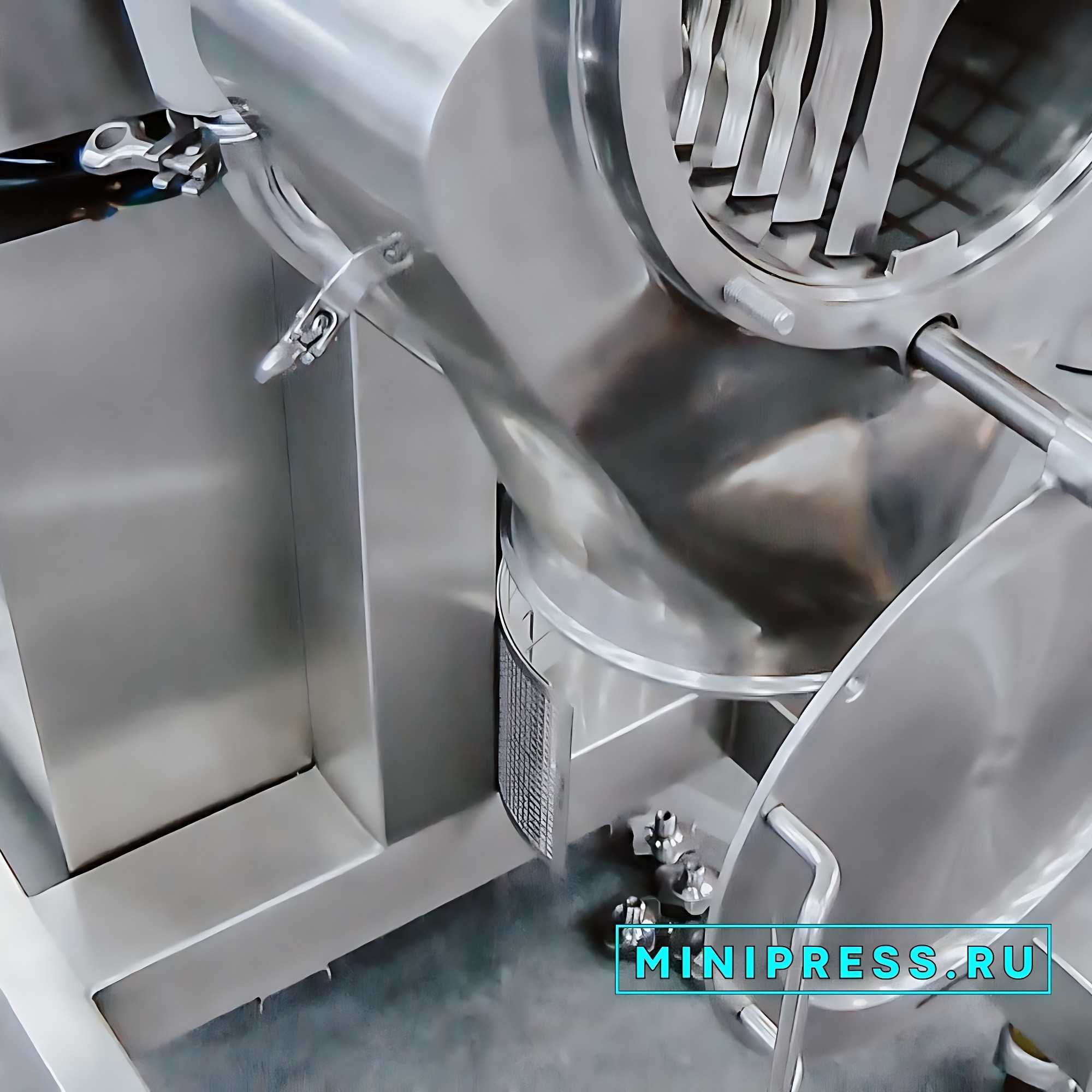
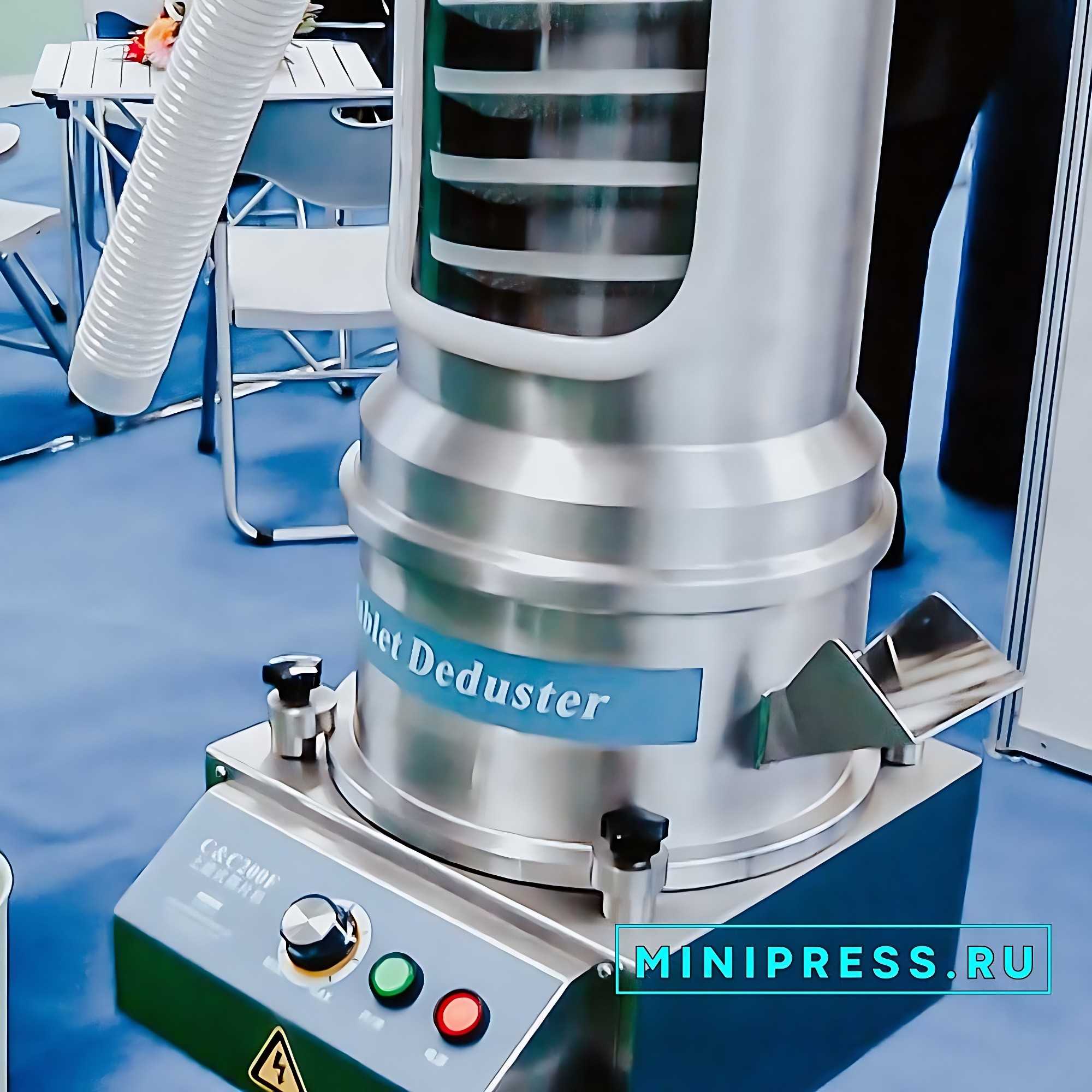
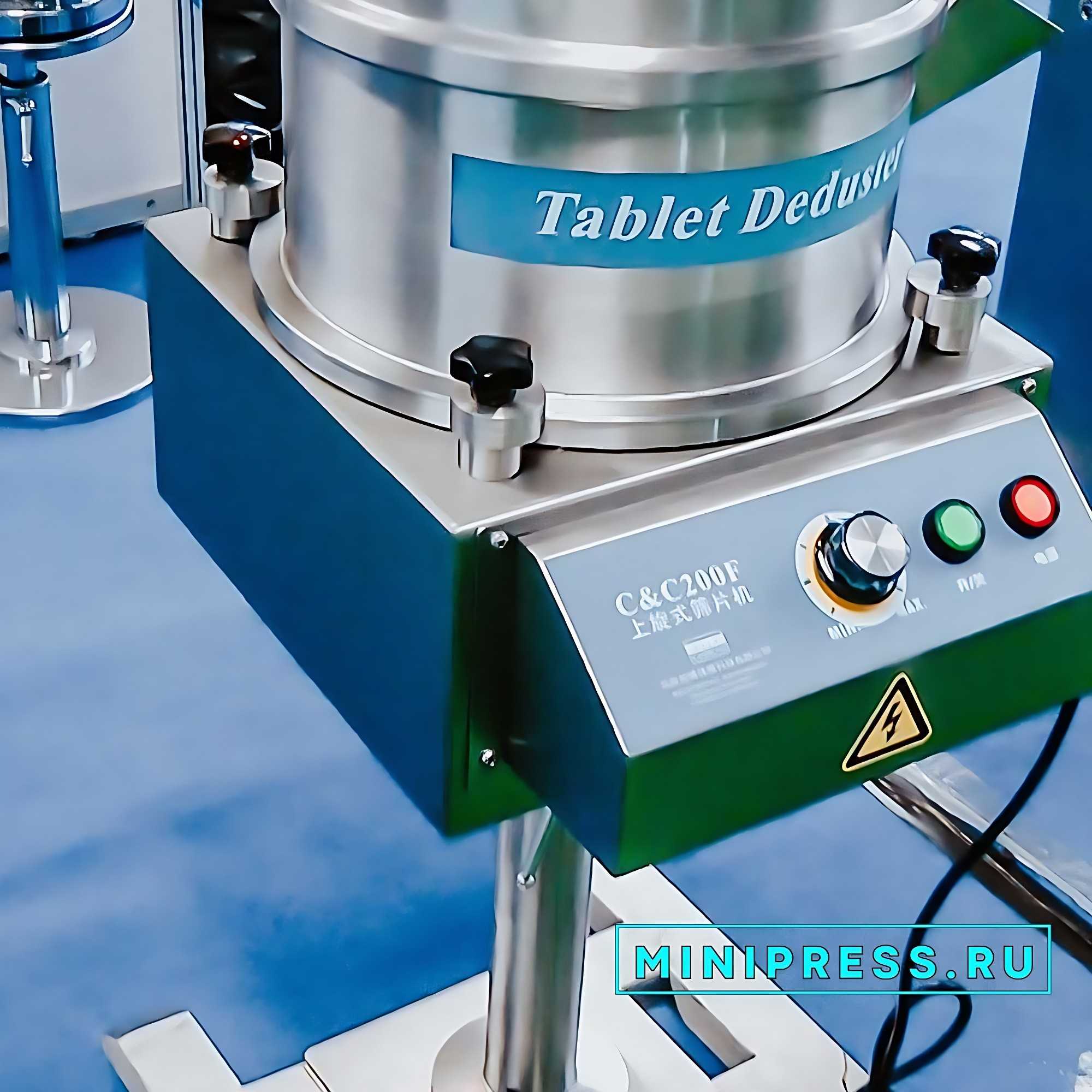
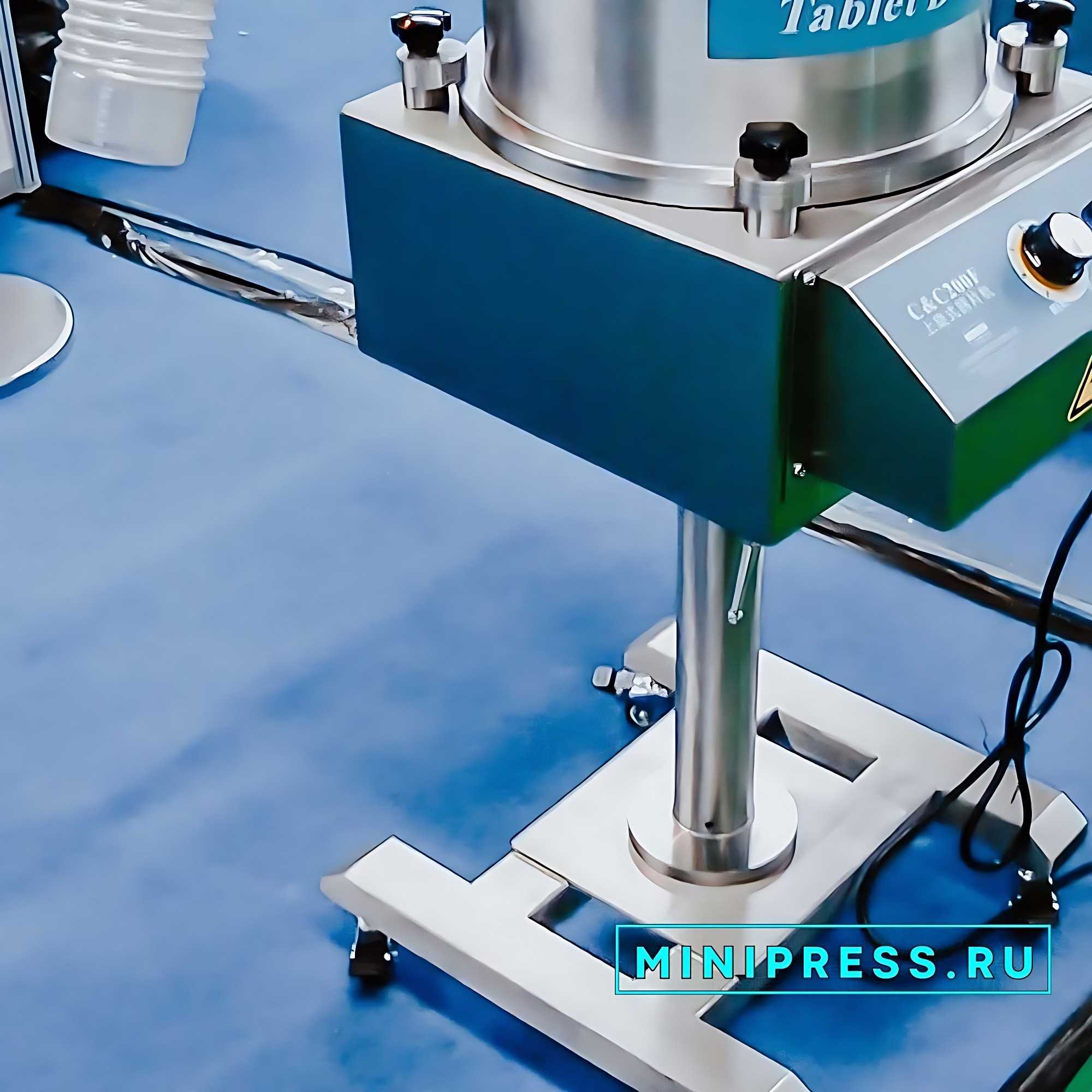
- EQUIPMENT FOR POLISHING AND DEDUSTING TABLETS AND CAPSULES
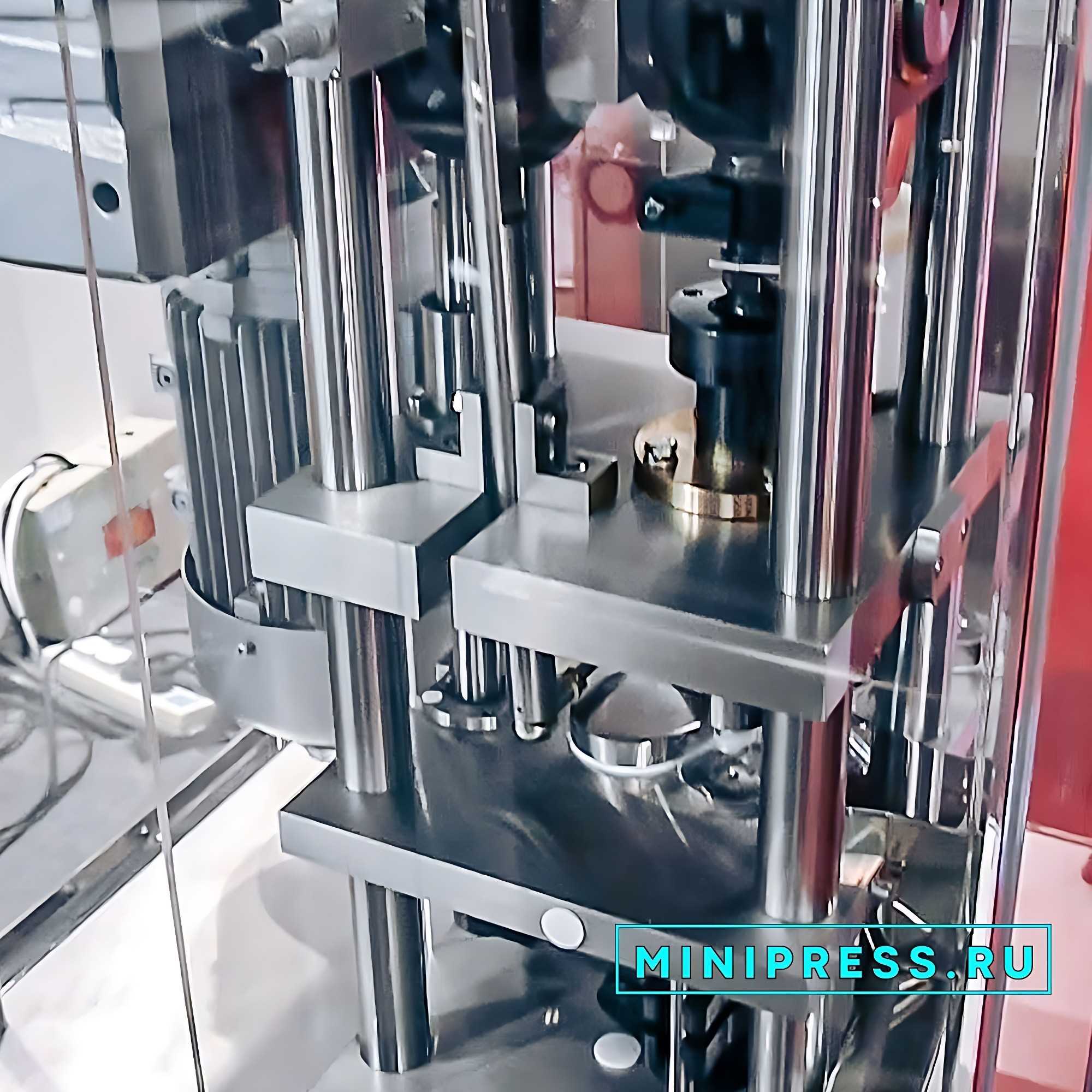
- EQUIPMENT FOR THE PRODUCTION OF TABLETS
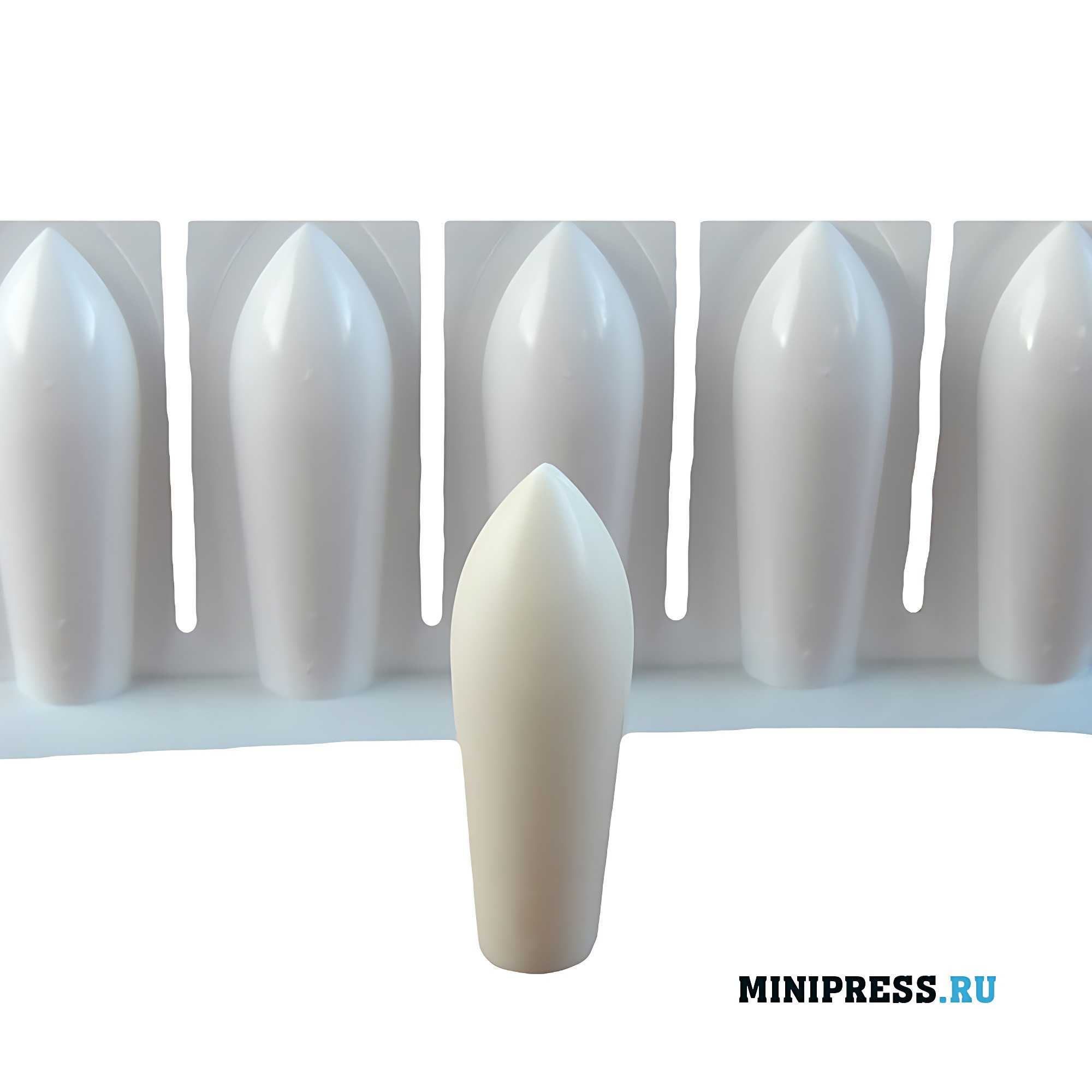
- MACHINES FOR THE PRODUCTION OF SUPPOSITORIES
- MACHINES FOR FORMING AND FILLING PLASTIC AMPOULES
- EQUIPMENT FOR PACKING POWDERS INTO VIALS
- EQUIPMENT FOR PACKAGING TABLETS AND CAPSULES IN PLASTIC BOTTLES
- EQUIPMENT FOR FILLING HARD GELATIN CAPSULES WITH POWDER
- HIGH-PRECISION DOSING MACHINES POWDER FILLING MACHINES
- SPRAY DRYING EQUIPMENT FOR SUSPENSIONS
- EQUIPMENT FOR COUNTING AND PACKAGING TABLETS AND CAPSULES IN BOTTLES
- EQUIPMENT FOR PRINTING LOGO ON TABLETS AND CAPSULES
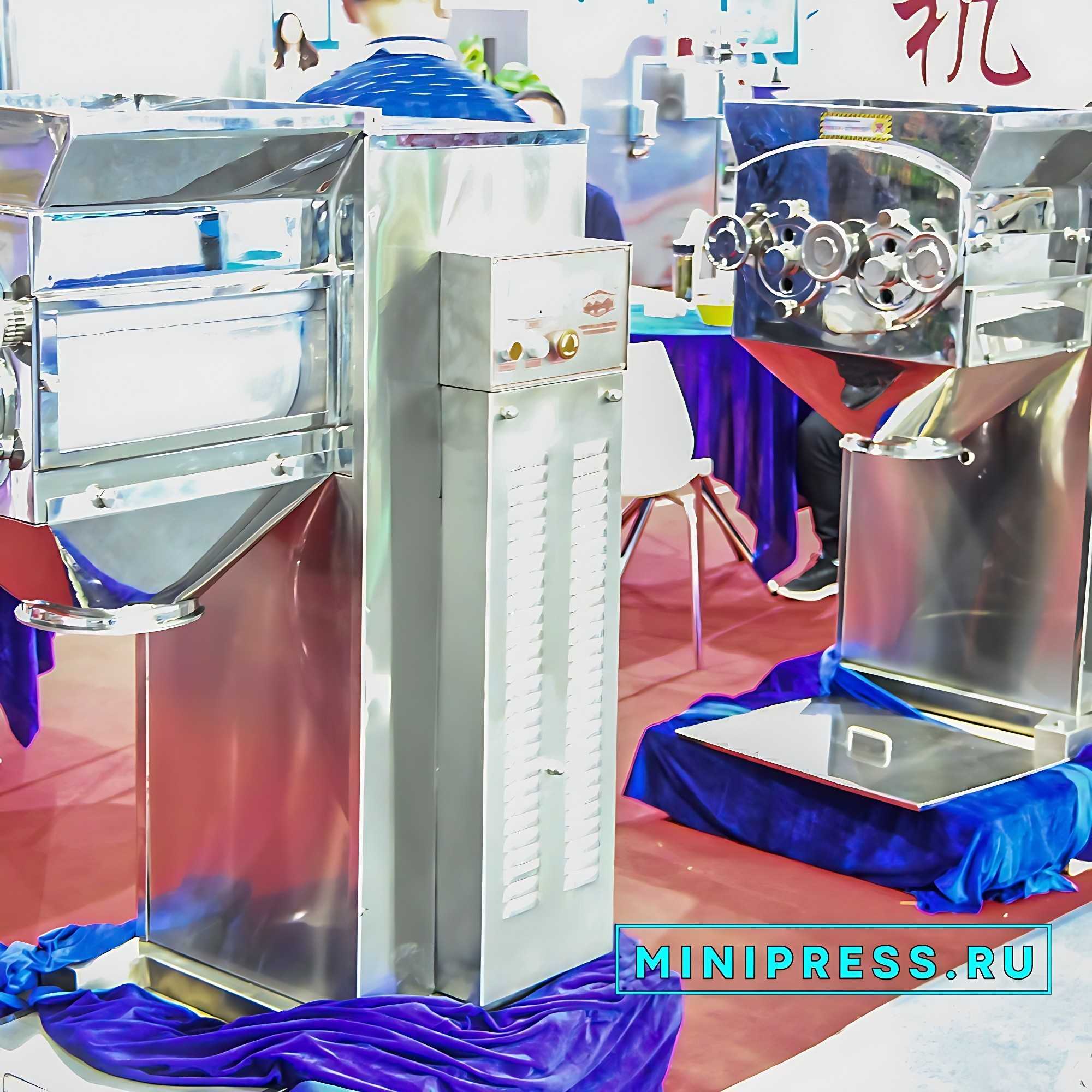
- POWDER GRANULATION EQUIPMENT
- EQUIPMENT FOR VACUUM TRANSPORTATION OF POWDERS
- EQUIPMENT FOR AUTOMATIC BOTTLE FEEDING FOR FILLING LINES
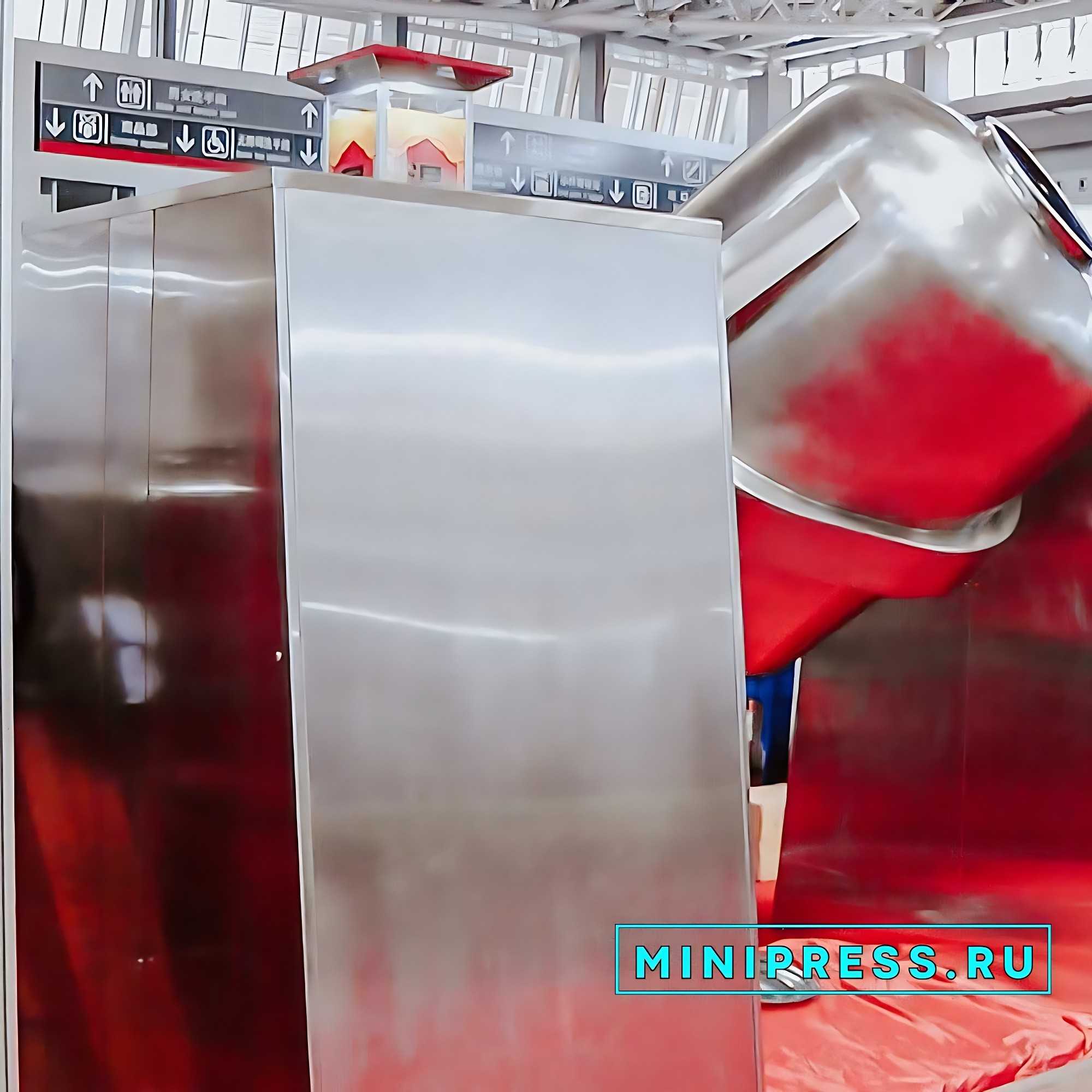
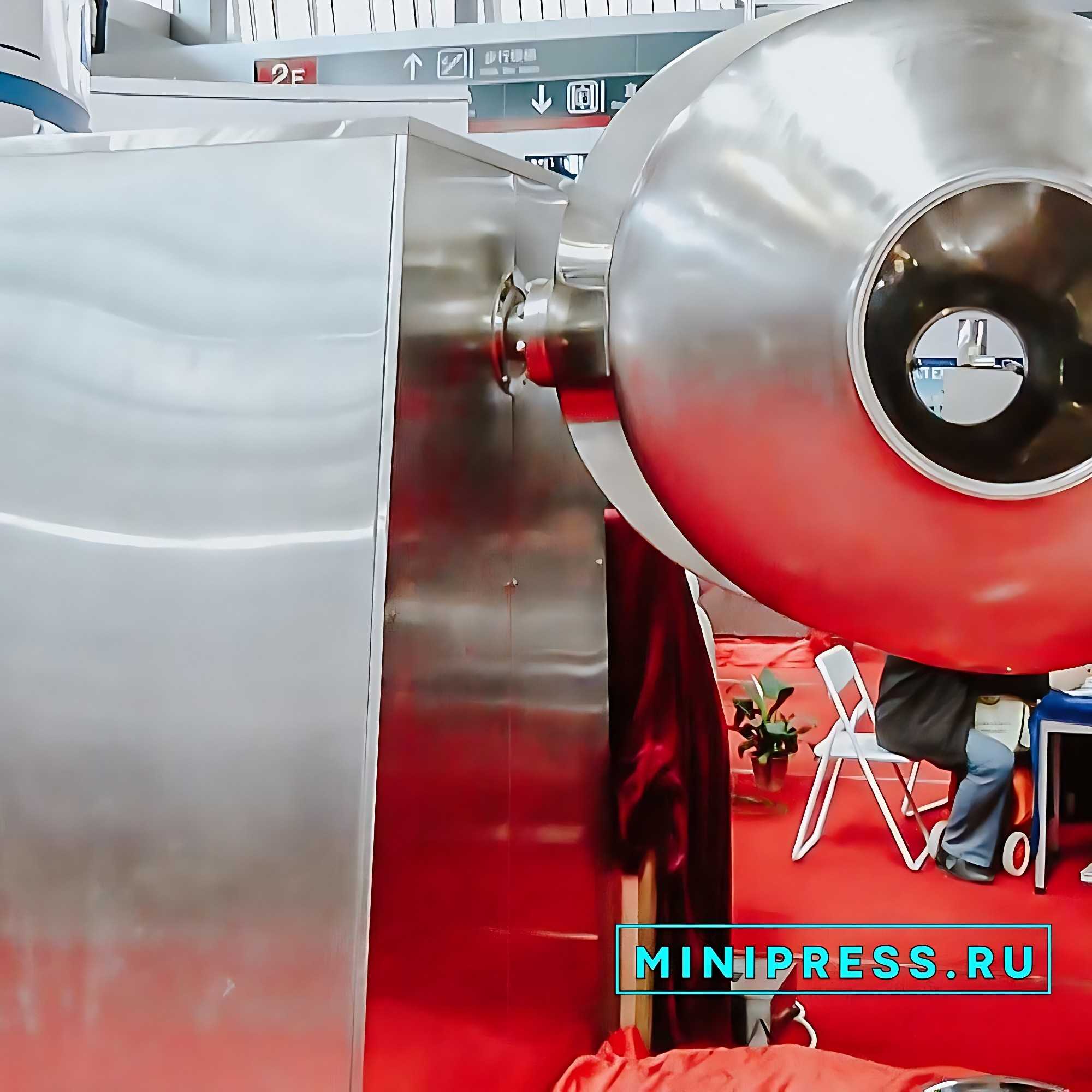
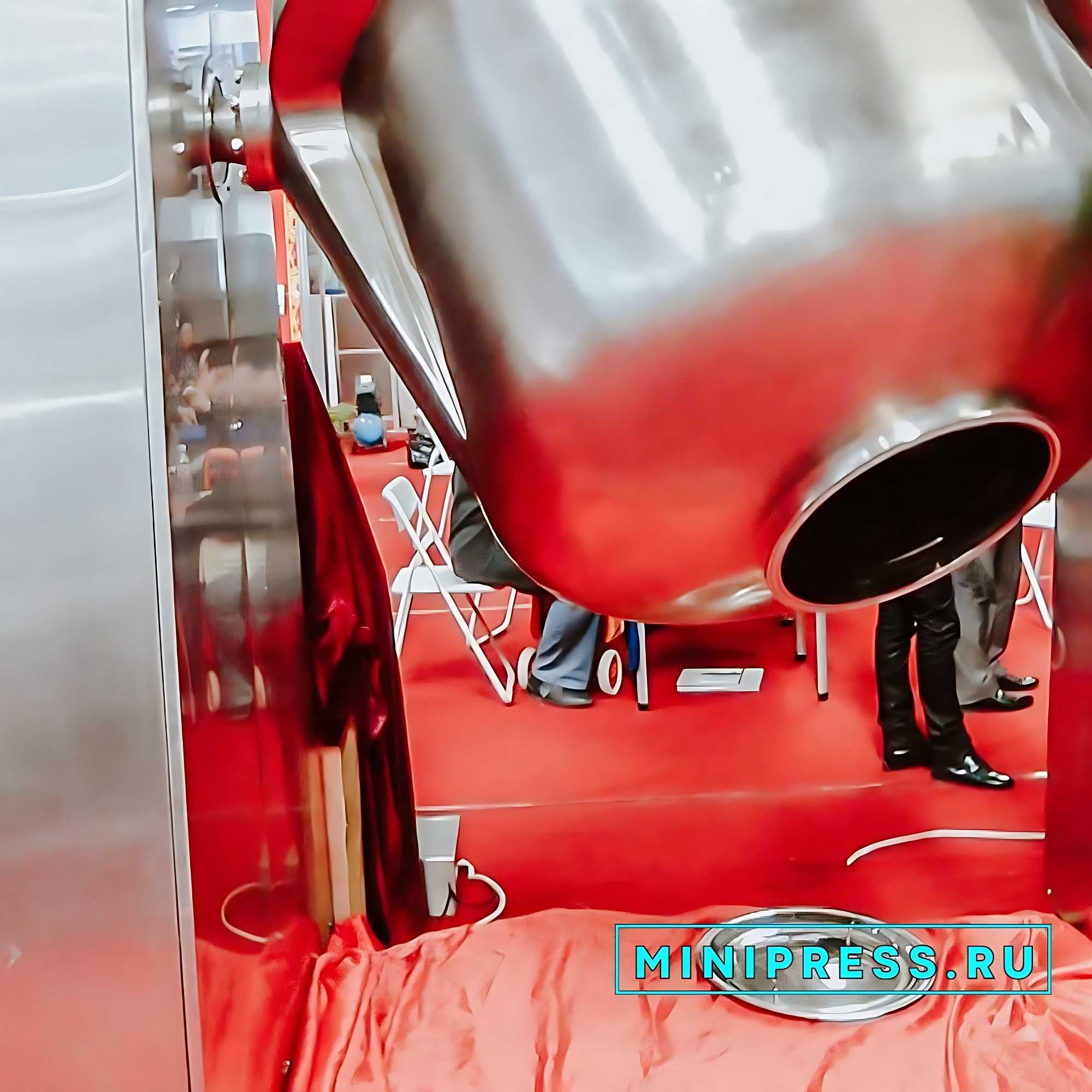
- EQUIPMENT FOR EFFICIENT MIXING OF POWDERS
- EQUIPMENT FOR HOMOGENIZING CREAMS AND OINTMENTS
- AUTOMATIC PHARMACEUTICAL CENTRIFUGES
- EQUIPMENT FOR SCREW FEEDING OF POWDERS
- EQUIPMENT FOR THE MANUFACTURE AND PACKAGING OF WET ALCOHOL WIPES
- EQUIPMENT FOR PACKING TEA INTO TEA BAGS WITH THREAD AND LABEL
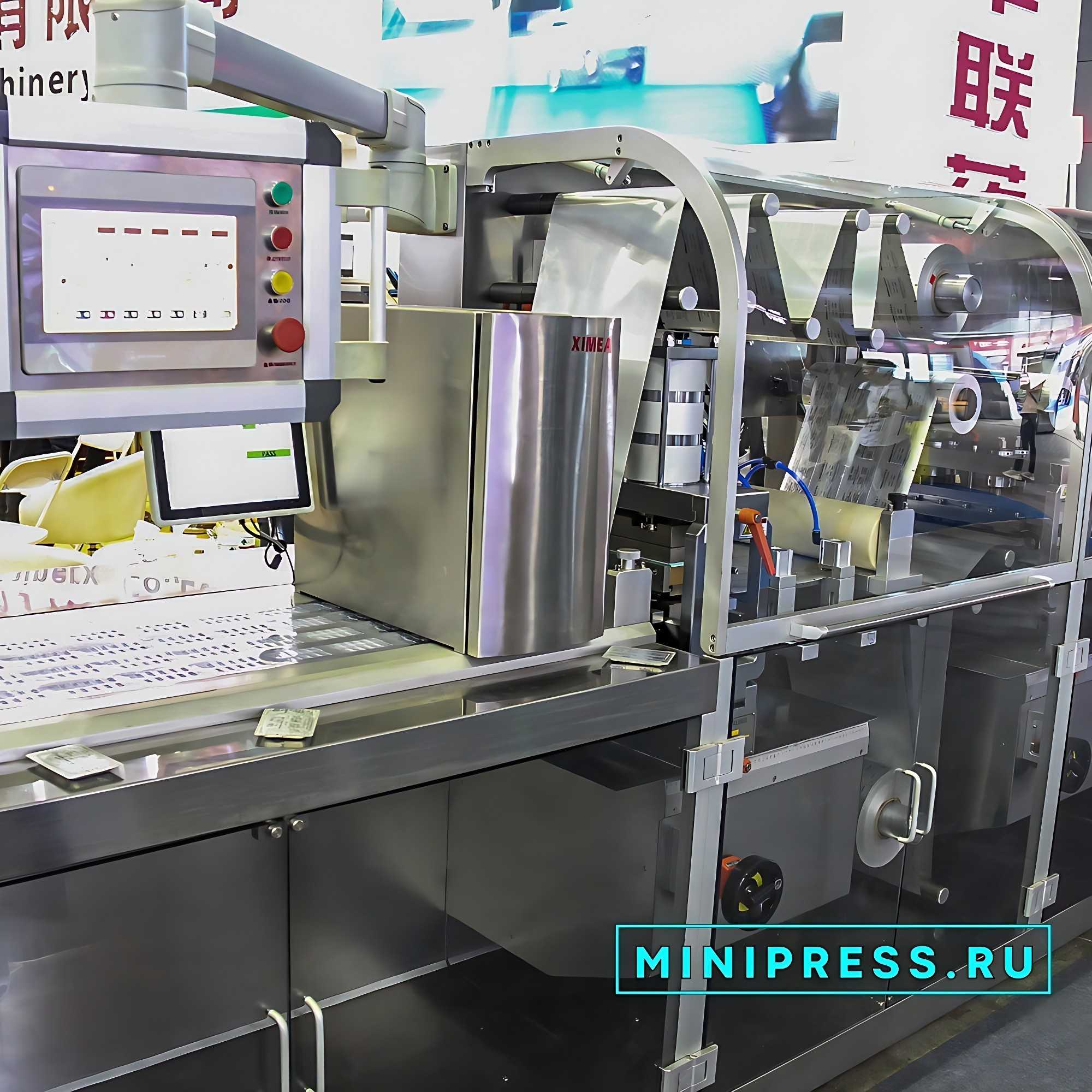
- AUTOMATIC EQUIPMENT FOR BLISTER PACKAGING
- FLOW-PACK PACKAGING MACHINES
- EQUIPMENT FOR PACKAGING PRODUCTS IN A FLOW PACK
- EQUIPMENT FOR PACKAGING BULK MATERIALS IN PLASTIC BAGS
- EQUIPMENT FOR APPLYING THE EXPIRATION DATE AND BATCH NUMBER TO PRODUCTS
- EQUIPMENT FOR WRAPPING CARDBOARD BOXES WITH CELLOPHANE
- EQUIPMENT FOR WEIGHT CONTROL AND SORTING OF CARDBOARD BOXES WITH MEDICINE
- EQUIPMENT FOR PACKAGING FOOD PRODUCTS IN DOY-PACK PACKAGES
- EQUIPMENT FOR PACKAGING TABLETS IN STRIPS AND TUBES
- EQUIPMENT FOR FILLING LIQUIDS IN PLASTIC AND METAL BARRELS
- EQUIPMENT FOR METAL DETECTOR IN GELATIN CAPSULES AND TABLETS
- EQUIPMENT FOR FILLING AND PACKAGING HERBAL TINCTURES
- AUTOMATIC EQUIPMENT FOR SELF-ADHESIVE LABELS ON PACKAGING
- EQUIPMENT FOR VACUUM PACKAGING IN PLASTIC BAGS
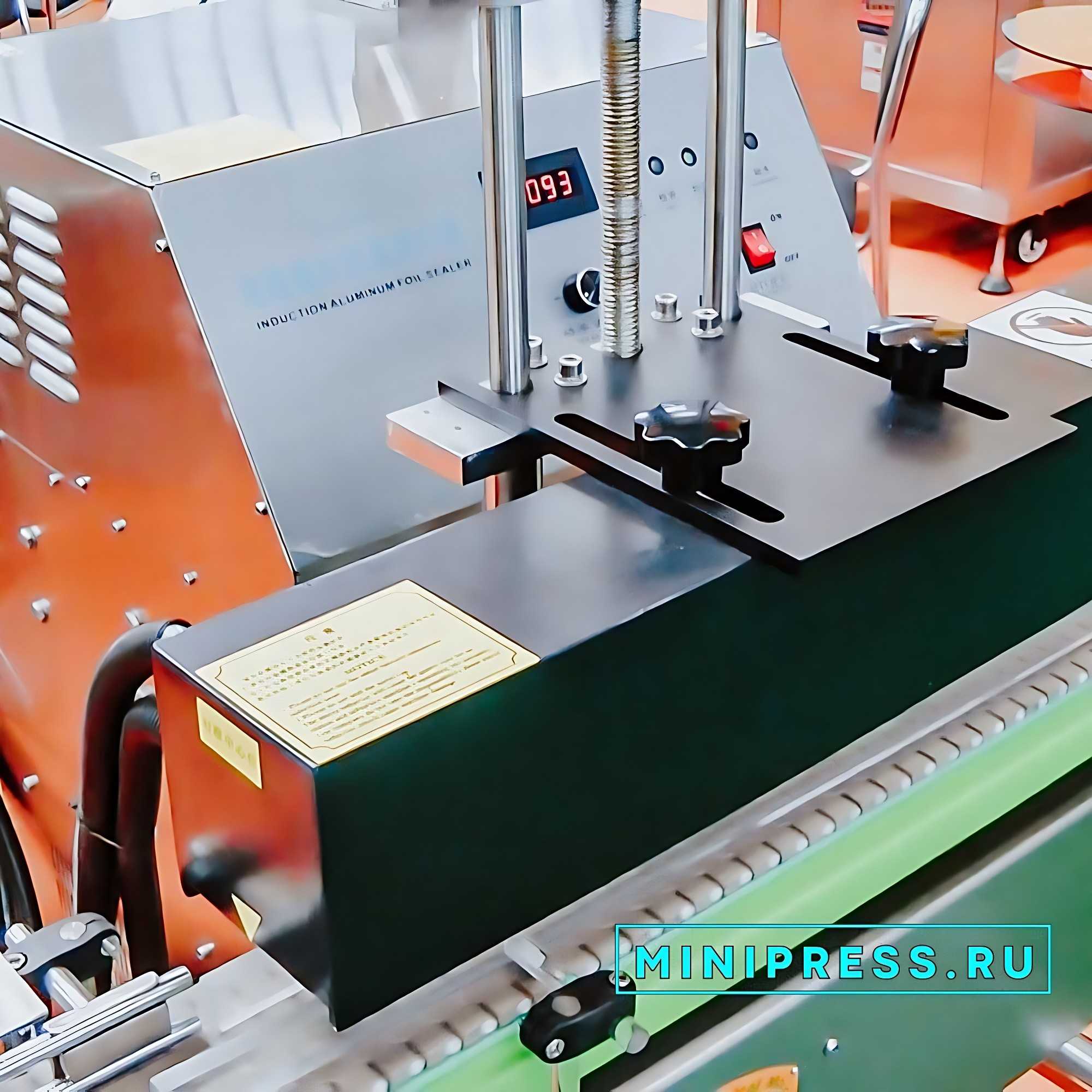
- EQUIPMENT FOR INDUCTION SEALING OF ALU FOIL BOTTLES
- EQUIPMENT FOR AUTOMATIC DOSING OF CREAMS AND OINTMENTS
- DESKTOP EQUIPMENT FOR MIXING POWDERS
- EQUIPMENT FOR MIXING LIQUIDS WITH MICROWAVE HEATING
- SEMI-AUTOMATIC EQUIPMENT FOR FILLING GELATIN CAPSULES
- DESKTOP EQUIPMENT FOR LIQUID DOSING
- EQUIPMENT FOR POWDERING PHARMA RAW MATERIALS
- DESKTOP EQUIPMENT FOR HIGH-SPEED EMULSION PRODUCTION
- MANUAL EQUIPMENT FOR FILLING GELATIN CAPSULES WITH POWDER
- SEMI-AUTOMATIC EQUIPMENT FOR BLISTER PACKAGING
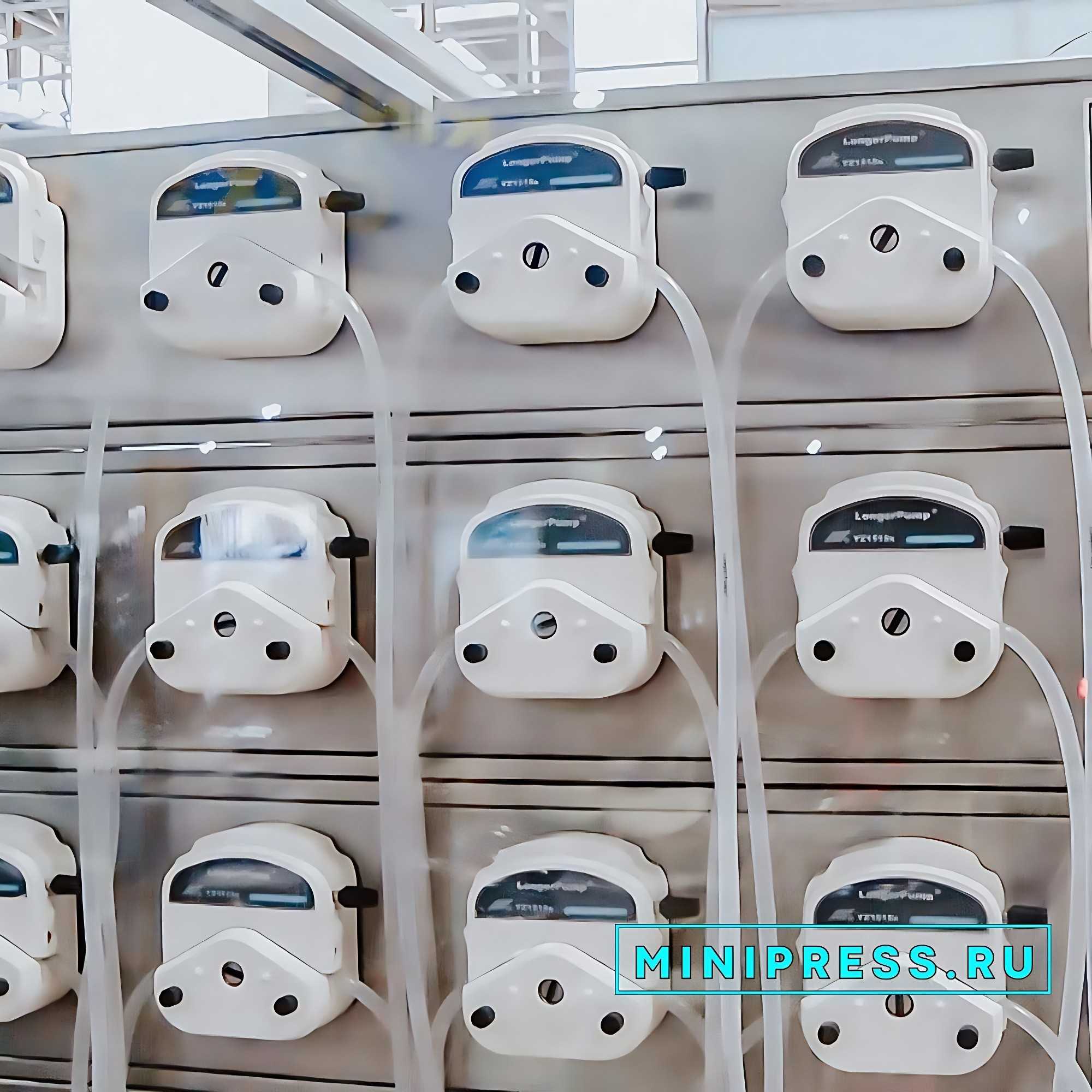
- PERISTALTIC PUMPS DISPENSERS
- EQUIPMENT FOR THE PRODUCTION OF FISHING BOILIES
- EQUIPMENT FOR VIBRATING SIEVING OF POWDERS
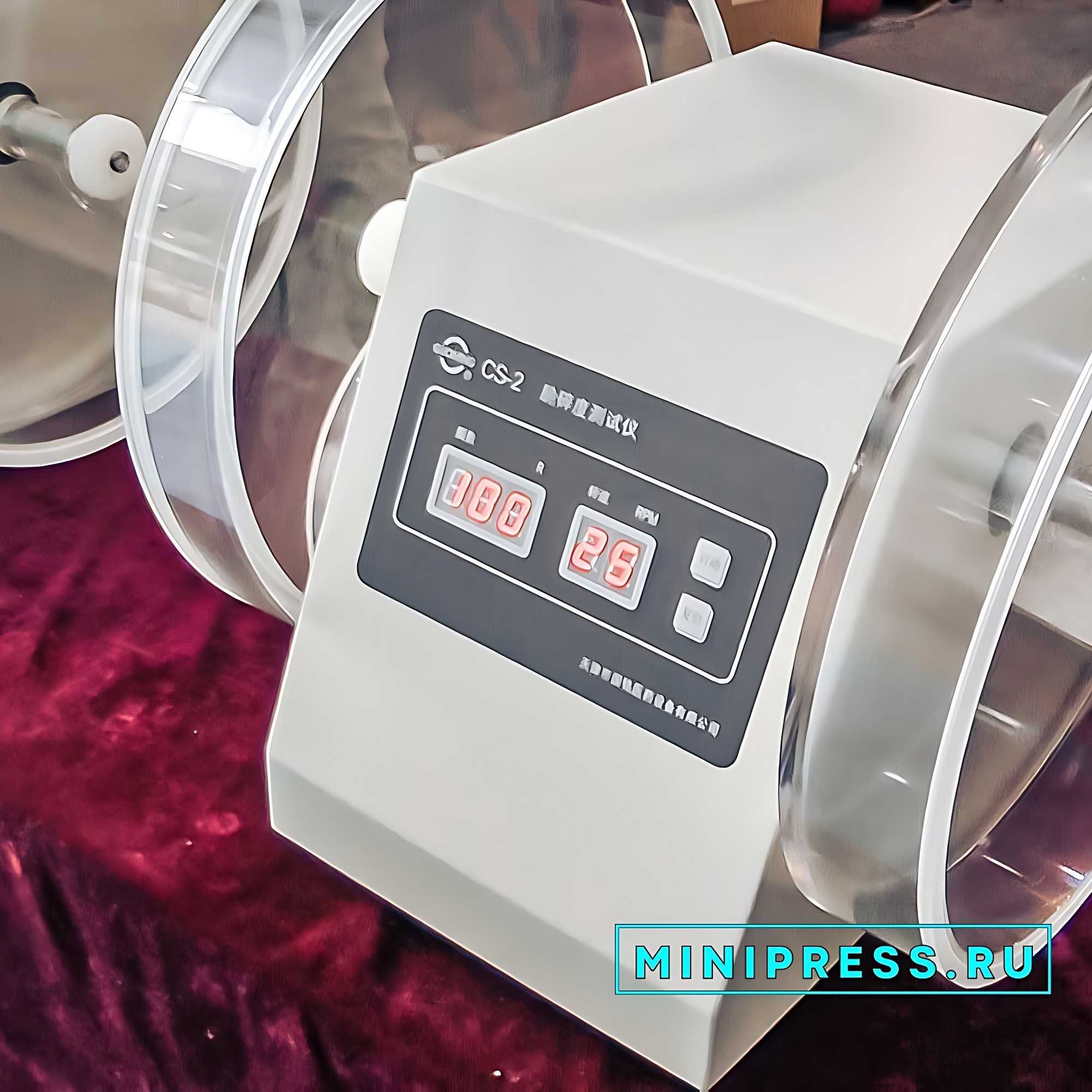
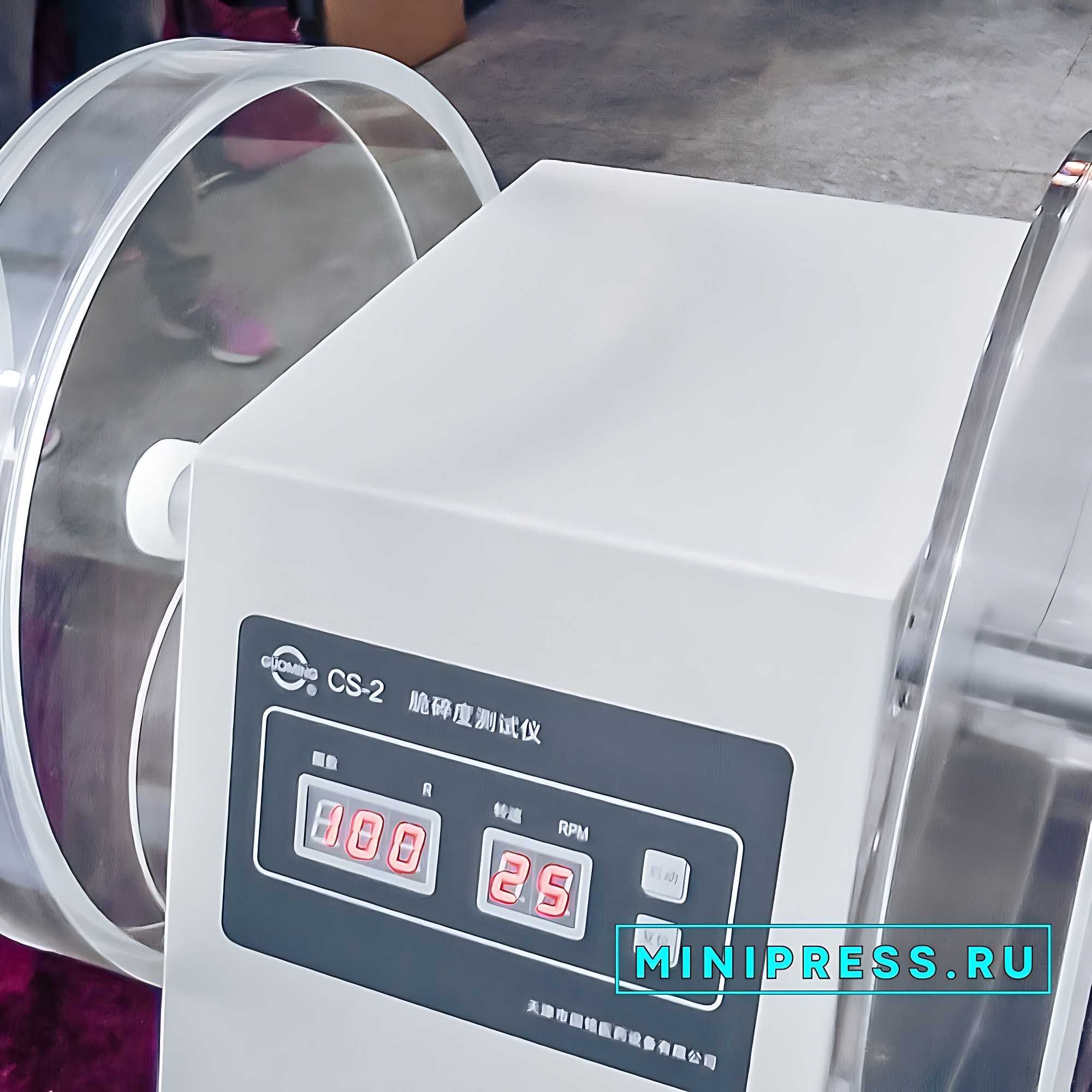
- EQUIPMENT FOR LABORATORY TESTING OF MEDICINES
- MACHINES PRINTING EXPIRATION DATE AND LOT NUMBER
PHARMACEUTICAL PRODUCTION TECHNOLOGIES

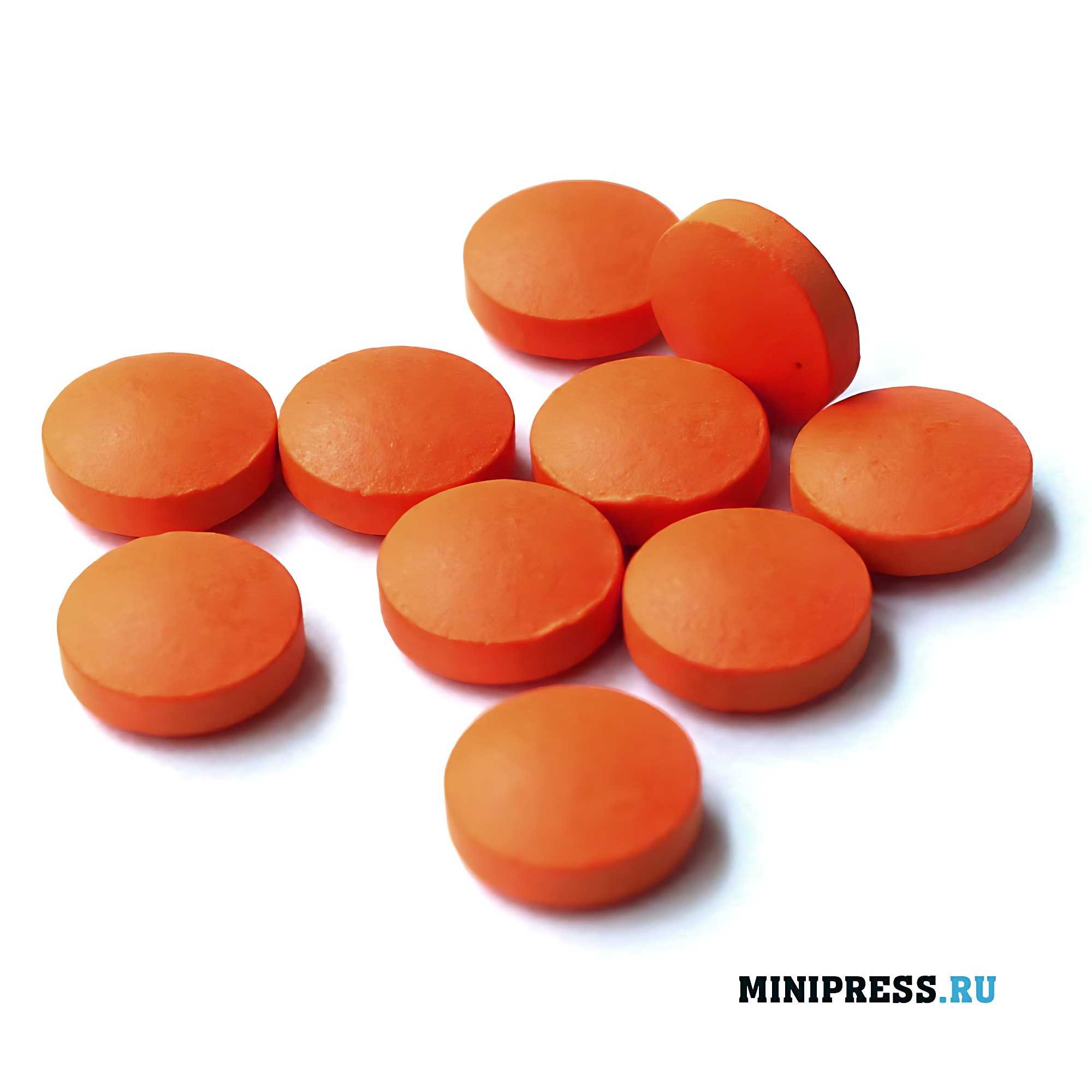
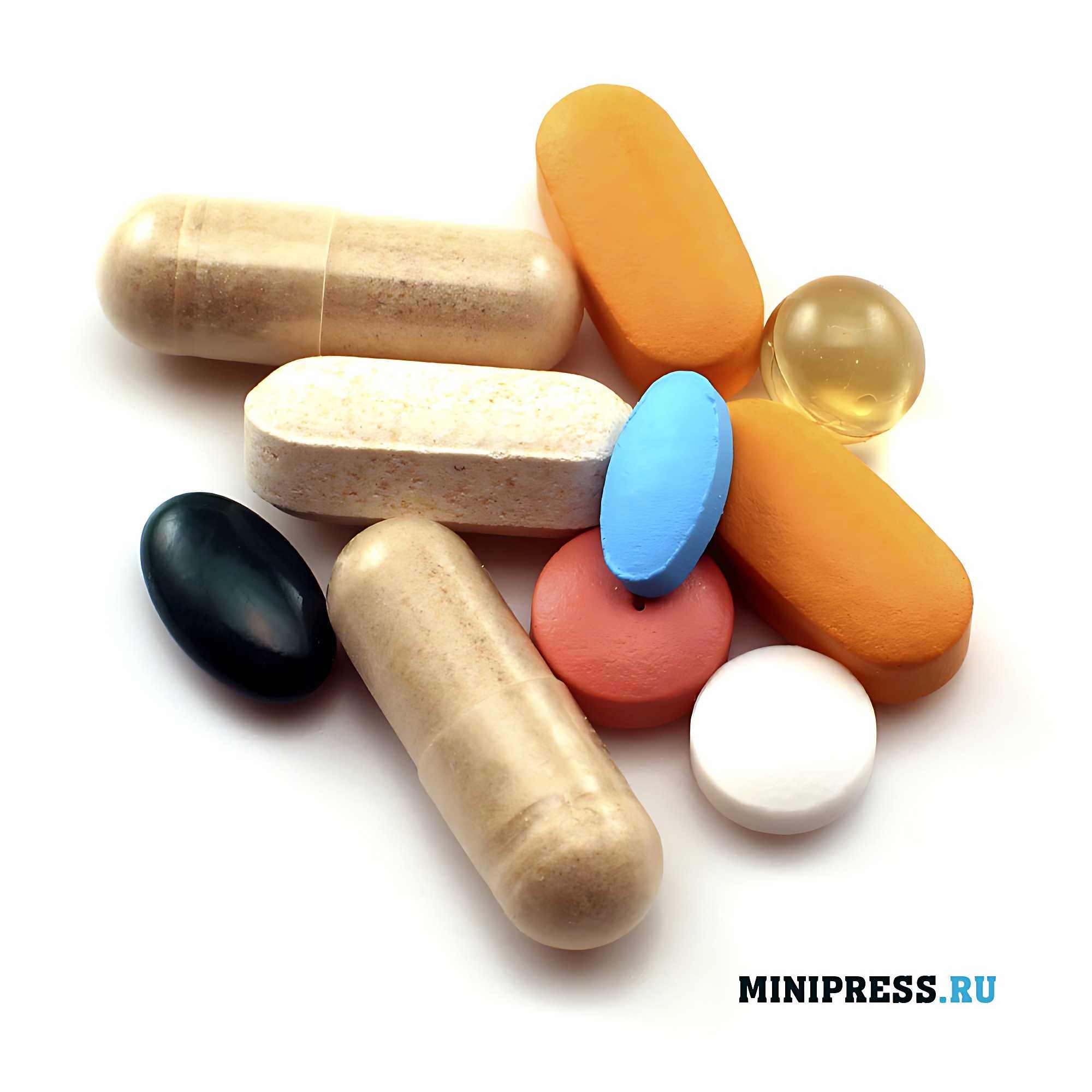
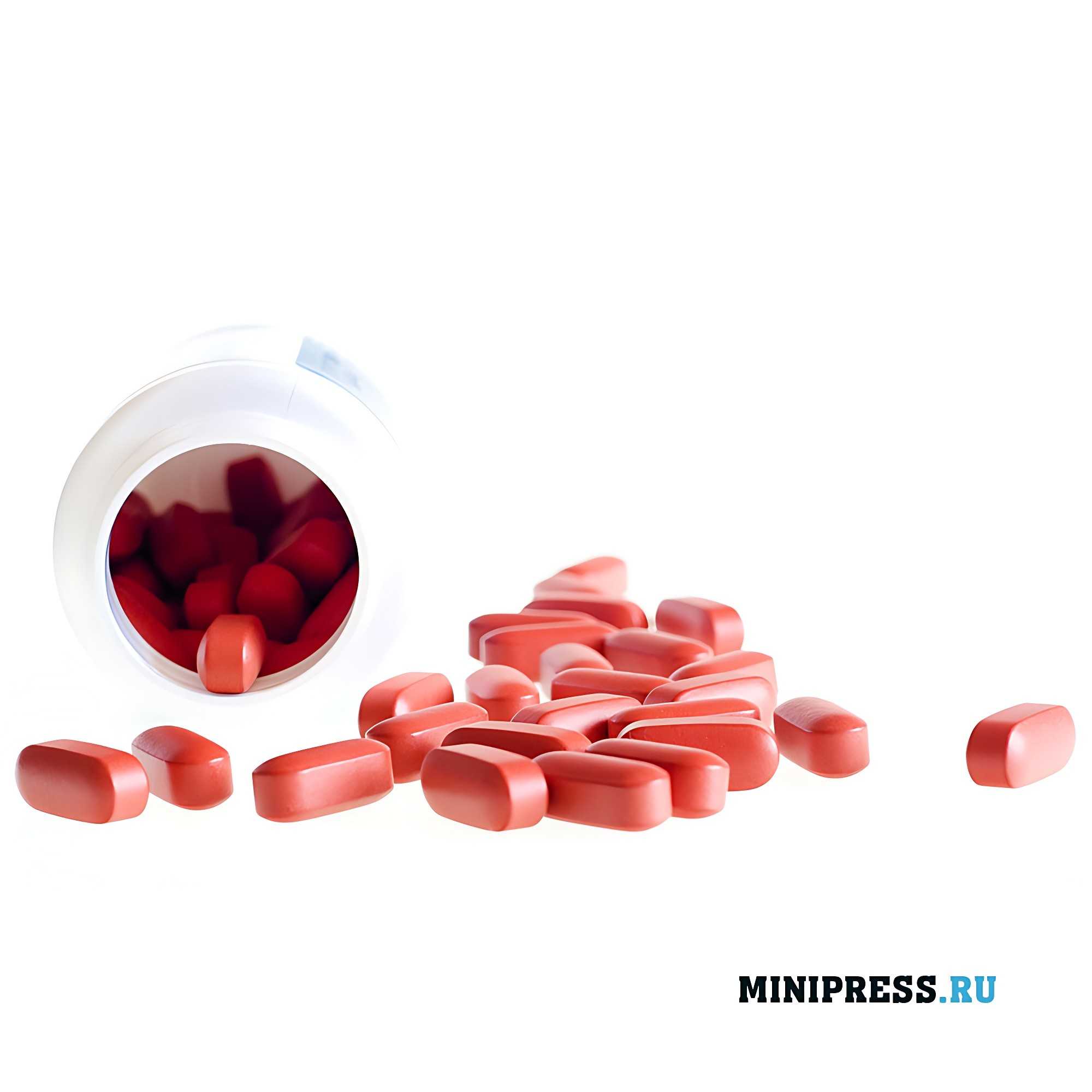
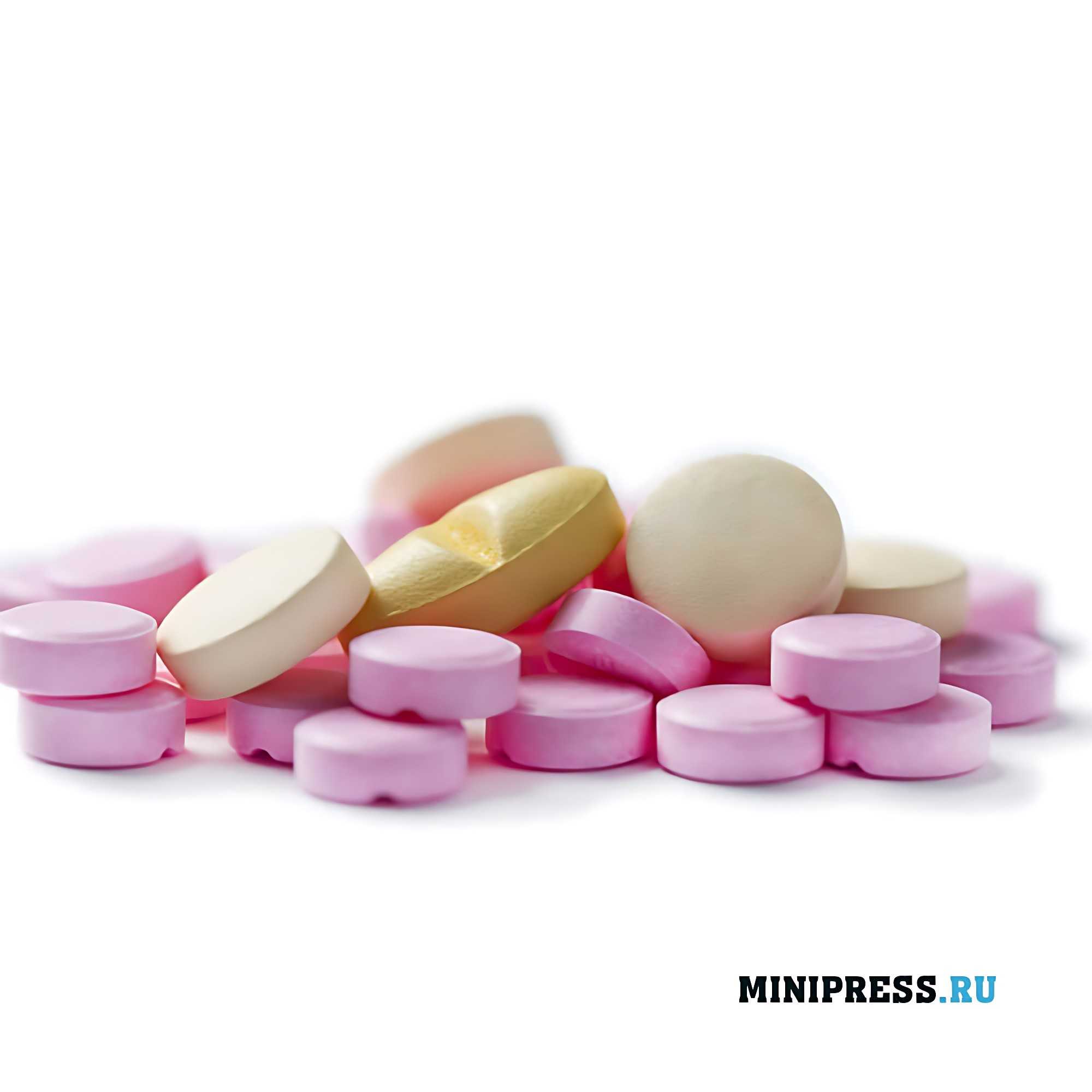
Technologies of pellet production and equipment used
- MACHINES FOR FORMING AND FILLING PLASTIC AMPOULES
- EQUIPMENT FOR FILLING HARD GELATIN CAPSULES WITH POWDER
- EQUIPMENT FOR WASHING AND STERILIZING BOTTLES
- EQUIPMENT FOR PACKAGING TABLETS AND CAPSULES IN PLASTIC BOTTLES
- EQUIPMENT FOR FILLING AND SEALING GLASS AMPOULES
- EQUIPMENT FOR COUNTING AND PACKAGING TABLETS AND CAPSULES IN BOTTLES
- EQUIPMENT FOR PACKING POWDERS INTO VIALS
- MACHINES FOR THE PRODUCTION OF SUPPOSITORIES
- BOTTLE FILLING AND CAPPING EQUIPMENT
- SPRAY DRYING EQUIPMENT FOR SUSPENSIONS
- EQUIPMENT FOR COATING TABLETS
- EQUIPMENT FOR FILLING CREAMS AND SEALING PLASTIC TUBES
- AUTOMATIC EQUIPMENT FOR REMOVING TABLETS AND CAPSULES FROM BLISTERS
- EQUIPMENT FOR THE PRODUCTION OF TABLETS
- EQUIPMENT FOR PRINTING LOGO ON TABLETS AND CAPSULES
- HIGH-PRECISION DOSING MACHINES POWDER FILLING MACHINES
- EQUIPMENT FOR POLISHING AND DEDUSTING TABLETS AND CAPSULES
- AUTOMATIC PHARMACEUTICAL CENTRIFUGES
- EQUIPMENT FOR EFFICIENT MIXING OF POWDERS
- EQUIPMENT FOR VACUUM TRANSPORTATION OF POWDERS
- POWDER GRANULATION EQUIPMENT
- EQUIPMENT FOR AUTOMATIC BOTTLE FEEDING FOR FILLING LINES
- EQUIPMENT FOR SCREW FEEDING OF POWDERS
- EQUIPMENT FOR HOMOGENIZING CREAMS AND OINTMENTS
- AUTOMATIC EQUIPMENT FOR SELF-ADHESIVE LABELS ON PACKAGING
- EQUIPMENT FOR PACKAGING PRODUCTS IN A FLOW PACK
- EQUIPMENT FOR FILLING AND PACKAGING HERBAL TINCTURES
- EQUIPMENT FOR WEIGHT CONTROL AND SORTING OF CARDBOARD BOXES WITH MEDICINE
- EQUIPMENT FOR FILLING LIQUIDS IN PLASTIC AND METAL BARRELS
- EQUIPMENT FOR PACKAGING TABLETS IN STRIPS AND TUBES
- EQUIPMENT FOR APPLYING THE EXPIRATION DATE AND BATCH NUMBER TO PRODUCTS
- EQUIPMENT FOR PACKAGING FOOD PRODUCTS IN DOY-PACK PACKAGES
- AUTOMATIC EQUIPMENT FOR BLISTER PACKAGING
- EQUIPMENT FOR VACUUM PACKAGING IN PLASTIC BAGS
- EQUIPMENT FOR THE MANUFACTURE AND PACKAGING OF WET ALCOHOL WIPES
- EQUIPMENT FOR PACKING TEA INTO TEA BAGS WITH THREAD AND LABEL
- EQUIPMENT FOR INDUCTION SEALING OF ALU FOIL BOTTLES
- EQUIPMENT FOR METAL DETECTOR IN GELATIN CAPSULES AND TABLETS
- FLOW-PACK PACKAGING MACHINES
- EQUIPMENT FOR WRAPPING CARDBOARD BOXES WITH CELLOPHANE
- EQUIPMENT FOR PACKAGING BULK MATERIALS IN PLASTIC BAGS
- PERISTALTIC PUMPS DISPENSERS
- DESKTOP EQUIPMENT FOR HIGH-SPEED EMULSION PRODUCTION
- MANUAL EQUIPMENT FOR FILLING GELATIN CAPSULES WITH POWDER
- EQUIPMENT FOR VIBRATING SIEVING OF POWDERS
- EQUIPMENT FOR AUTOMATIC DOSING OF CREAMS AND OINTMENTS
- SEMI-AUTOMATIC EQUIPMENT FOR BLISTER PACKAGING
- EQUIPMENT FOR THE PRODUCTION OF FISHING BOILIES
- DESKTOP EQUIPMENT FOR LIQUID DOSING
- EQUIPMENT FOR POWDERING PHARMA RAW MATERIALS
- DESKTOP EQUIPMENT FOR MIXING POWDERS
- EQUIPMENT FOR MIXING LIQUIDS WITH MICROWAVE HEATING
- MACHINES PRINTING EXPIRATION DATE AND LOT NUMBER
- EQUIPMENT FOR LABORATORY TESTING OF MEDICINES
- SEMI-AUTOMATIC EQUIPMENT FOR FILLING GELATIN CAPSULES