
 Deutsch
 Français
 Italiano
 Polski
 Español
 Русский
 Português



 8337
8337 7928419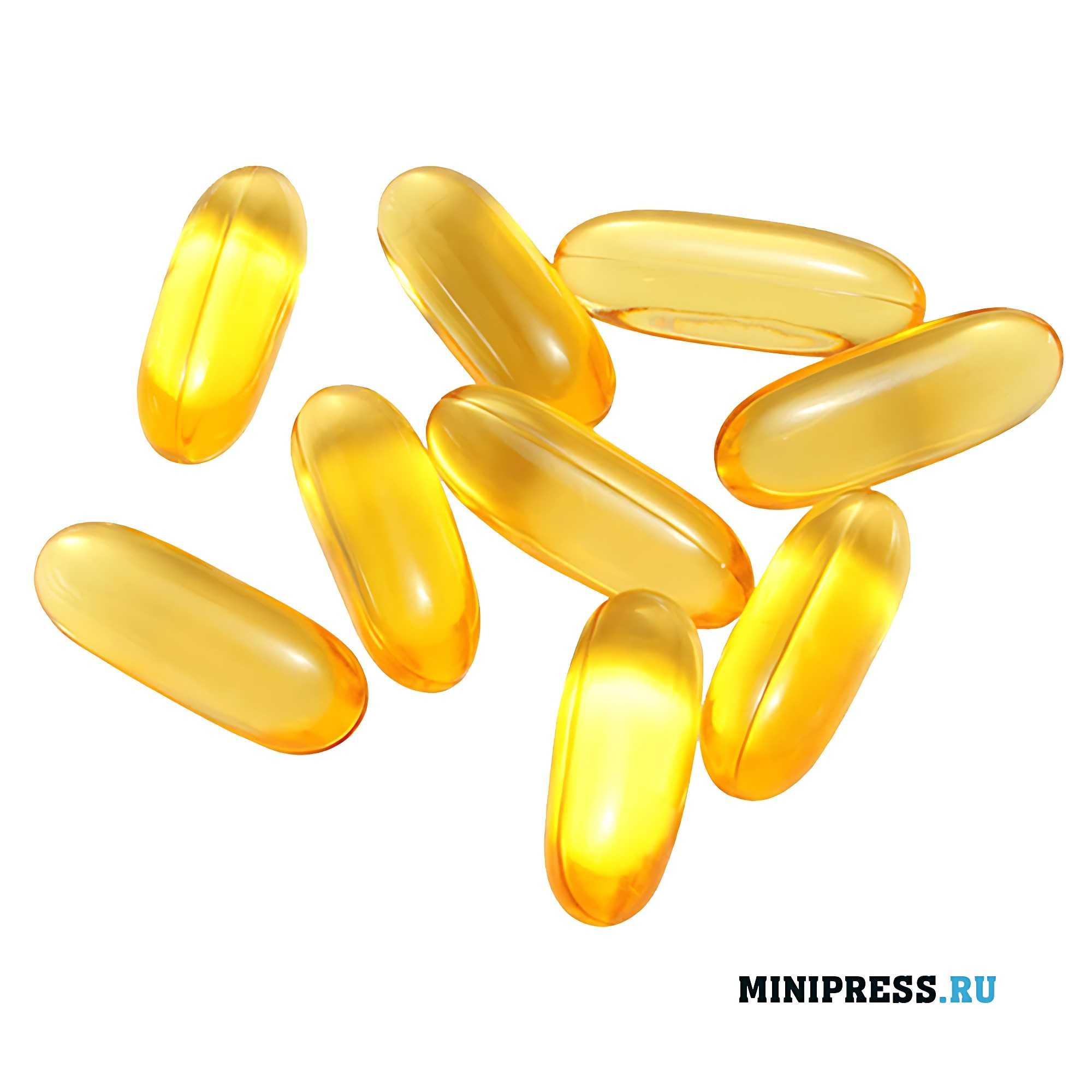
















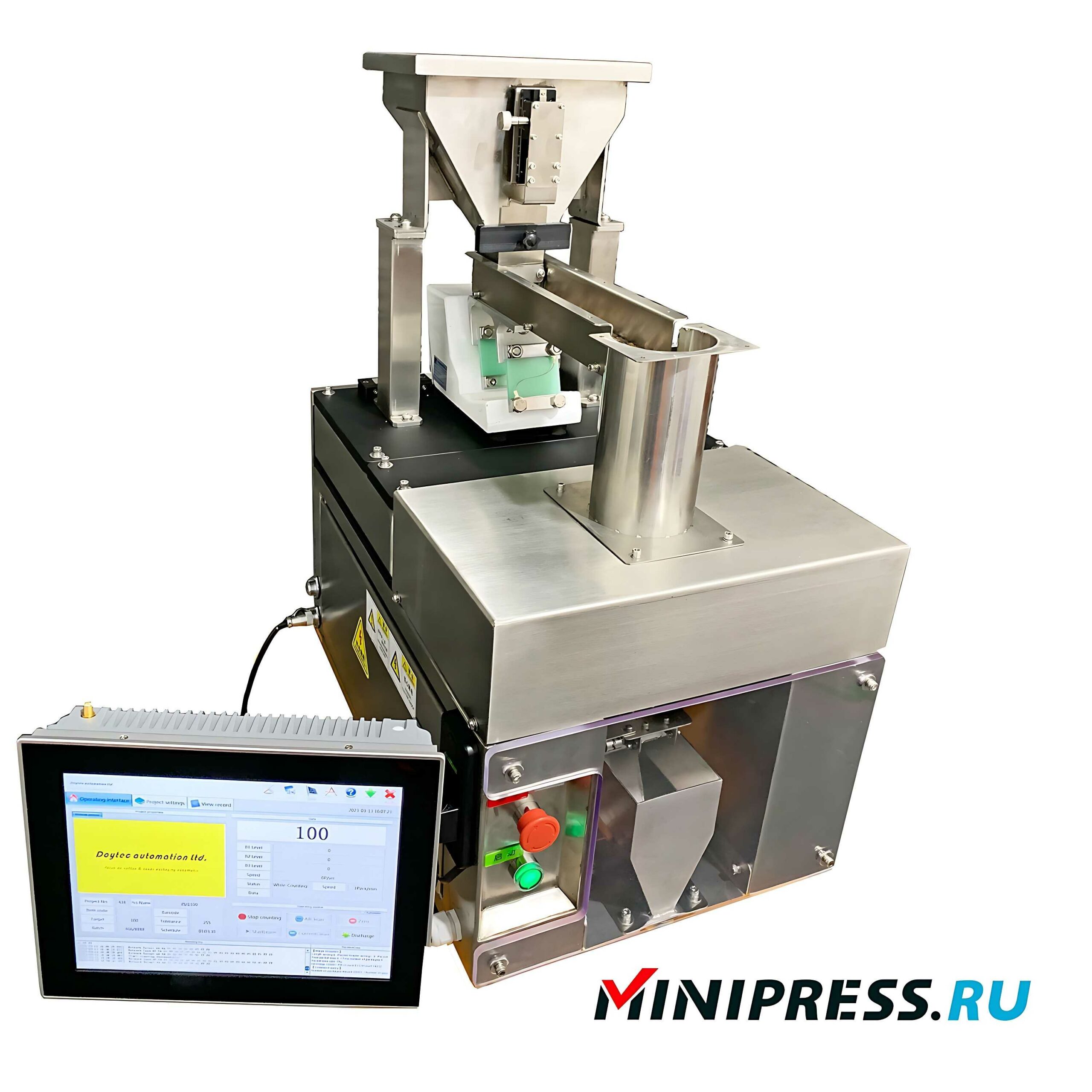

 Video review of the model
 Our service and customer service
One of the most important factors is the intended use of the product, which determines the conditions under which the encapsulated substance is used and its properties are manifested. This determines the choice of film-forming material and the resulting choice of microencapsulation medium. Slow release of the substance by diffusion requires the use of a film-forming material that swells rather than dissolves in the medium in which the microcapsules are used. On the other hand, rapid release can be achieved by selecting a film-forming material that is soluble, meltable or brittle. A further factor is the stability and solubility of the encapsulated substance under microencapsulation conditions. The instability of many substances even at a slight increase in temperature (enzymes, some vitamins, volatile liquids) limits the possibility of using methods involving heating. Methods based on the separation of liquid phases (methods of formation of a new phase from solutions) can be an alternative in this case. In this case, the properties of the substance will determine the choice of dispersion medium and dispersed phase. Of great importance is the cost of the process, so preference is given to methods involving a smaller number of stages and carried out in a continuous mode. The required size of the microcapsules, the content of the encapsulated substance and the efficiency of microencapsulation are also important factors. The above classification of microencapsulation methods, which is based on the nature of the processes occurring during microencapsulation, is rather conventional. In practice, a combination of different methods is often used. Below we will consider the most frequently used in the chemical-pharmaceutical industry methods of microencapsulation.
 Pharmaceutical Glossary
 Technical specifications
The main component of microcapsules – the substance to be encapsulated – can be in any aggregate state – liquid, solid, gaseous. The existing methods provide the possibility of microencapsulation of both lyophilic and lyophobic substances. The contents of microcapsules may include an inert filler, which is the medium in which the substance was dispersed in the process of microencapsulation, or is necessary for the subsequent functioning of the active substance. The content of the encapsulated substance in the microcapsules is typically 50-95% of the weight of the capsules. This value may vary depending on the technology and conditions of production, the required ratio of shell material and encapsulated substance, as well as on other process parameters: temperature, degree of dispersion, viscosity of the medium, presence of surfactants, etc. The term “microcapsules” or “nanocapsules” can refer to many different structures. One can use molecules within which the active ingredient is trapped, as well as complexes of complex molecules from which nanocapsules or nanospheres are formed. Nanoencapsulation is said to occur when the size of the molecules is less than a few micrometers. When the size of the molecules is less than one millimeter, we speak of microencapsulation. Different classes of substances can be used as shell material or encapsulating matrix: Waxes and lipids: beeswax, candelilla and carnuba waxes, wax emulsions, glycerol distearate, natural and modified fats. Proteins: gelatin, wheat proteins, soy proteins, zein, gluten, etc. Both proteins themselves and their modifications are used. Carbohydrates: starches, maltodextrins, chitosan, sucrose, glucose, ethyl cellulose, acetate cellulose, alginates, etc.

 Additional information
Degradable polymers: polypropylene, polyvinyl acetate, polystyrene, polybutadiene, etc. The choice of material of shells or encapsulating matrix depends on the purpose, properties and method of release of the encapsulating agent, as well as on the chosen method of microencapsulation. The contents of microcapsules can be released by mechanical destruction of the shells under pressure, by friction, ultrasonic action, melting, by rupture from the inside by vapors or gaseous substances released under changing external conditions, by interaction of the shell substance with the medium when dissolved in it, as well as by diffusion of the contents when the capsule walls swell in the surrounding liquid. Existing methods of microencapsulation can be divided into three main groups: Physical methods of microencapsulation are based on methods of forming shells by mechanical techniques. This group of methods includes fluidized bed coating, extrusion using centrifuges or through tube-in-tube forming devices, vapor condensation (vacuum spraying). Chemical methods are based on chemical transformations leading to film-forming material, namely – formation of a new phase by cross-linking of polymers, poly condensation and polymerization. Both high molecular weight substances (oligomers or polymers) and low molecular weight substances can be subjected to chemical transformations. Physicochemical methods include coacervation, precipitation of film-forming polymer from aqueous medium by adding a component that reduces its solubility, formation of a new phase by temperature change, evaporation of a volatile solvent, solidification of melts in liquid media, extraction substitution, spray drying, and physical adsorption. When selecting a microencapsulation method, several major factors must be considered.
Order status tracking
Hello Roman! Thank you for the service and quality of your products. We are very happy and satisfied with the purchase! 03/04/2026 21:14
Hello Sebastian, Apparently you have tested your vacuum lyophilic dryer LZY-01. Its quality is above average, it will work. We are waiting for your new applications. 03/04/2026 21:17
Good afternoon, we have contracted you to deliver a GK-40 dry powder granulator to Crete, do you deliver to the terminal or to the actual address? 03/04/2026 21:24
Hello Penelope, we ship all over Europe and the US including to Crete . The price in the catalog includes any delivery our customer asks for. 03/04/2026 21:28
PU-420 flow-pack packaging machine along with 500 kg packaging , delivery to Orora. Please confirm the delivery time. 03/04/2026 21:34
Good afternoon Chloe, your shipment has left. Arrival time tomorrow until 12:30. The driver will call you back later. Please organize prompt unloading. 03/04/2026 21:35
When purchasing the RY-200 centrifugal type powder granulator, I asked for tests on our powder 03/04/2026 21:44
Hello Isabella, Please send 2 kg of your raw material to the address given to you by Natalia. After the test, the engineer will inform you about the results. 03/04/2026 21:48
We're from New Jersey, we paid for the equipment on your invoice yesterday. Has the payment been received? How long will it take to deliver to us? 03/04/2026 21:54
Luna, hello. Payment is credited to our settlement account. Term of manufacture of your equipment by the factory 20 working days, delivery from the factory to our warehouse in the USA 1 month, delivery from the warehouse in Oklahoma City 15 calendar days. 03/04/2026 21:56
We're from New Jersey, we paid for the equipment on your invoice yesterday. Has the payment been received? How long will it take to deliver to us? 03/04/2026 22:04
Mia, hello. Payment is credited to our settlement account. Term of manufacture of your equipment by the factory 20 working days, delivery from the factory to our warehouse in the USA 1 month, delivery from the warehouse in San Antonio 15 calendar days. 03/04/2026 22:07
LB-205 horizontal automatic wet alcohol wipes packaging machine delivery status ...thank you 03/04/2026 22:14
Hello Harper, it is too early to check the status of your order. In 30 days only the epat of production will be completed. 03/04/2026 22:14
Good afternoon! semi-automatic liquid filling machine in barrels DF-13 , a copy of the payment is sent to the post. Start the order to work. 03/04/2026 22:24
Mason, good afternoon! We have seen your payment, we receive SMS from the bank. Please send drawings of barrels and answers to our questions in correspondence. 03/04/2026 22:26
When purchasing the RY-200 centrifugal type powder granulator, I asked for tests on our powder 03/04/2026 22:34
Hello John, Please send 2 kg of your raw material to the address given to you by Natalia. After the test, the engineer will inform you about the results. 03/04/2026 22:36
PU-420 flow-pack packaging machine along with 500 kg packaging , delivery to San Francisco. Please confirm the delivery time. 03/04/2026 22:44
Good afternoon Logan, your shipment has left. Arrival time tomorrow until 14:30. The driver will call you back later. Please organize prompt unloading. 03/04/2026 22:45



Write us a message
- BOTTLE FILLING AND CAPPING EQUIPMENT
- SPRAY DRYING EQUIPMENT FOR SUSPENSIONS
- AUTOMATIC EQUIPMENT FOR REMOVING TABLETS AND CAPSULES FROM BLISTERS
- EQUIPMENT FOR COATING TABLETS
- EQUIPMENT FOR PACKAGING TABLETS AND CAPSULES IN PLASTIC BOTTLES
- EQUIPMENT FOR COUNTING AND PACKAGING TABLETS AND CAPSULES IN BOTTLES
- MACHINES FOR FORMING AND FILLING PLASTIC AMPOULES
- HIGH-PRECISION DOSING MACHINES POWDER FILLING MACHINES
- EQUIPMENT FOR THE PRODUCTION OF TABLETS
- EQUIPMENT FOR FILLING HARD GELATIN CAPSULES WITH POWDER
- EQUIPMENT FOR PRINTING LOGO ON TABLETS AND CAPSULES
- EQUIPMENT FOR FILLING CREAMS AND SEALING PLASTIC TUBES
- EQUIPMENT FOR WASHING AND STERILIZING BOTTLES
- EQUIPMENT FOR POLISHING AND DEDUSTING TABLETS AND CAPSULES
- EQUIPMENT FOR FILLING AND SEALING GLASS AMPOULES
- EQUIPMENT FOR PACKING POWDERS INTO VIALS
- MACHINES FOR THE PRODUCTION OF SUPPOSITORIES
- EQUIPMENT FOR AUTOMATIC BOTTLE FEEDING FOR FILLING LINES
- POWDER GRANULATION EQUIPMENT
- EQUIPMENT FOR VACUUM TRANSPORTATION OF POWDERS
- EQUIPMENT FOR SCREW FEEDING OF POWDERS
- EQUIPMENT FOR EFFICIENT MIXING OF POWDERS
- EQUIPMENT FOR HOMOGENIZING CREAMS AND OINTMENTS
- AUTOMATIC PHARMACEUTICAL CENTRIFUGES
- EQUIPMENT FOR PACKAGING PRODUCTS IN A FLOW PACK
- EQUIPMENT FOR PACKAGING TABLETS IN STRIPS AND TUBES
- EQUIPMENT FOR WEIGHT CONTROL AND SORTING OF CARDBOARD BOXES WITH MEDICINE
- EQUIPMENT FOR METAL DETECTOR IN GELATIN CAPSULES AND TABLETS
- AUTOMATIC EQUIPMENT FOR BLISTER PACKAGING
- EQUIPMENT FOR THE MANUFACTURE AND PACKAGING OF WET ALCOHOL WIPES
- AUTOMATIC EQUIPMENT FOR SELF-ADHESIVE LABELS ON PACKAGING
- FLOW-PACK PACKAGING MACHINES
- EQUIPMENT FOR VACUUM PACKAGING IN PLASTIC BAGS
- EQUIPMENT FOR FILLING AND PACKAGING HERBAL TINCTURES
- EQUIPMENT FOR FILLING LIQUIDS IN PLASTIC AND METAL BARRELS
- EQUIPMENT FOR PACKAGING FOOD PRODUCTS IN DOY-PACK PACKAGES
- EQUIPMENT FOR PACKAGING BULK MATERIALS IN PLASTIC BAGS
- EQUIPMENT FOR WRAPPING CARDBOARD BOXES WITH CELLOPHANE
- EQUIPMENT FOR PACKING TEA INTO TEA BAGS WITH THREAD AND LABEL
- EQUIPMENT FOR INDUCTION SEALING OF ALU FOIL BOTTLES
- EQUIPMENT FOR APPLYING THE EXPIRATION DATE AND BATCH NUMBER TO PRODUCTS
- SEMI-AUTOMATIC EQUIPMENT FOR BLISTER PACKAGING
- EQUIPMENT FOR THE PRODUCTION OF FISHING BOILIES
- MACHINES PRINTING EXPIRATION DATE AND LOT NUMBER
- EQUIPMENT FOR VIBRATING SIEVING OF POWDERS
- MANUAL EQUIPMENT FOR FILLING GELATIN CAPSULES WITH POWDER
- DESKTOP EQUIPMENT FOR HIGH-SPEED EMULSION PRODUCTION
- PERISTALTIC PUMPS DISPENSERS
- EQUIPMENT FOR MIXING LIQUIDS WITH MICROWAVE HEATING
- SEMI-AUTOMATIC EQUIPMENT FOR FILLING GELATIN CAPSULES
- EQUIPMENT FOR LABORATORY TESTING OF MEDICINES
- EQUIPMENT FOR POWDERING PHARMA RAW MATERIALS
- DESKTOP EQUIPMENT FOR LIQUID DOSING
- EQUIPMENT FOR AUTOMATIC DOSING OF CREAMS AND OINTMENTS
- DESKTOP EQUIPMENT FOR MIXING POWDERS
- EQUIPMENT FOR PACKING POWDERS INTO VIALS
- EQUIPMENT FOR COUNTING AND PACKAGING TABLETS AND CAPSULES IN BOTTLES
- MACHINES FOR THE PRODUCTION OF SUPPOSITORIES
- EQUIPMENT FOR WASHING AND STERILIZING BOTTLES
- EQUIPMENT FOR FILLING HARD GELATIN CAPSULES WITH POWDER
- EQUIPMENT FOR POLISHING AND DEDUSTING TABLETS AND CAPSULES
- EQUIPMENT FOR COATING TABLETS
- AUTOMATIC EQUIPMENT FOR REMOVING TABLETS AND CAPSULES FROM BLISTERS
- EQUIPMENT FOR PRINTING LOGO ON TABLETS AND CAPSULES
- EQUIPMENT FOR FILLING CREAMS AND SEALING PLASTIC TUBES
- EQUIPMENT FOR PACKAGING TABLETS AND CAPSULES IN PLASTIC BOTTLES
- EQUIPMENT FOR THE PRODUCTION OF TABLETS
- SPRAY DRYING EQUIPMENT FOR SUSPENSIONS
- MACHINES FOR FORMING AND FILLING PLASTIC AMPOULES
- HIGH-PRECISION DOSING MACHINES POWDER FILLING MACHINES
- BOTTLE FILLING AND CAPPING EQUIPMENT
- EQUIPMENT FOR FILLING AND SEALING GLASS AMPOULES
- EQUIPMENT FOR SCREW FEEDING OF POWDERS
- POWDER GRANULATION EQUIPMENT
- AUTOMATIC PHARMACEUTICAL CENTRIFUGES
- EQUIPMENT FOR AUTOMATIC BOTTLE FEEDING FOR FILLING LINES
- EQUIPMENT FOR VACUUM TRANSPORTATION OF POWDERS
- EQUIPMENT FOR EFFICIENT MIXING OF POWDERS
- EQUIPMENT FOR HOMOGENIZING CREAMS AND OINTMENTS
- EQUIPMENT FOR WEIGHT CONTROL AND SORTING OF CARDBOARD BOXES WITH MEDICINE
- EQUIPMENT FOR PACKAGING BULK MATERIALS IN PLASTIC BAGS
- EQUIPMENT FOR FILLING AND PACKAGING HERBAL TINCTURES
- EQUIPMENT FOR PACKAGING TABLETS IN STRIPS AND TUBES
- EQUIPMENT FOR PACKAGING FOOD PRODUCTS IN DOY-PACK PACKAGES
- EQUIPMENT FOR METAL DETECTOR IN GELATIN CAPSULES AND TABLETS
- EQUIPMENT FOR PACKAGING PRODUCTS IN A FLOW PACK
- AUTOMATIC EQUIPMENT FOR SELF-ADHESIVE LABELS ON PACKAGING
- EQUIPMENT FOR INDUCTION SEALING OF ALU FOIL BOTTLES
- EQUIPMENT FOR WRAPPING CARDBOARD BOXES WITH CELLOPHANE
- EQUIPMENT FOR FILLING LIQUIDS IN PLASTIC AND METAL BARRELS
- EQUIPMENT FOR PACKING TEA INTO TEA BAGS WITH THREAD AND LABEL
- AUTOMATIC EQUIPMENT FOR BLISTER PACKAGING
- FLOW-PACK PACKAGING MACHINES
- EQUIPMENT FOR VACUUM PACKAGING IN PLASTIC BAGS
- EQUIPMENT FOR APPLYING THE EXPIRATION DATE AND BATCH NUMBER TO PRODUCTS
- EQUIPMENT FOR THE MANUFACTURE AND PACKAGING OF WET ALCOHOL WIPES
- SEMI-AUTOMATIC EQUIPMENT FOR FILLING GELATIN CAPSULES
- EQUIPMENT FOR LABORATORY TESTING OF MEDICINES
- MACHINES PRINTING EXPIRATION DATE AND LOT NUMBER
- DESKTOP EQUIPMENT FOR LIQUID DOSING
- MANUAL EQUIPMENT FOR FILLING GELATIN CAPSULES WITH POWDER
- DESKTOP EQUIPMENT FOR MIXING POWDERS
- DESKTOP EQUIPMENT FOR HIGH-SPEED EMULSION PRODUCTION
- EQUIPMENT FOR VIBRATING SIEVING OF POWDERS
- EQUIPMENT FOR MIXING LIQUIDS WITH MICROWAVE HEATING
- PERISTALTIC PUMPS DISPENSERS
- EQUIPMENT FOR THE PRODUCTION OF FISHING BOILIES
- EQUIPMENT FOR POWDERING PHARMA RAW MATERIALS
- SEMI-AUTOMATIC EQUIPMENT FOR BLISTER PACKAGING
- EQUIPMENT FOR AUTOMATIC DOSING OF CREAMS AND OINTMENTS