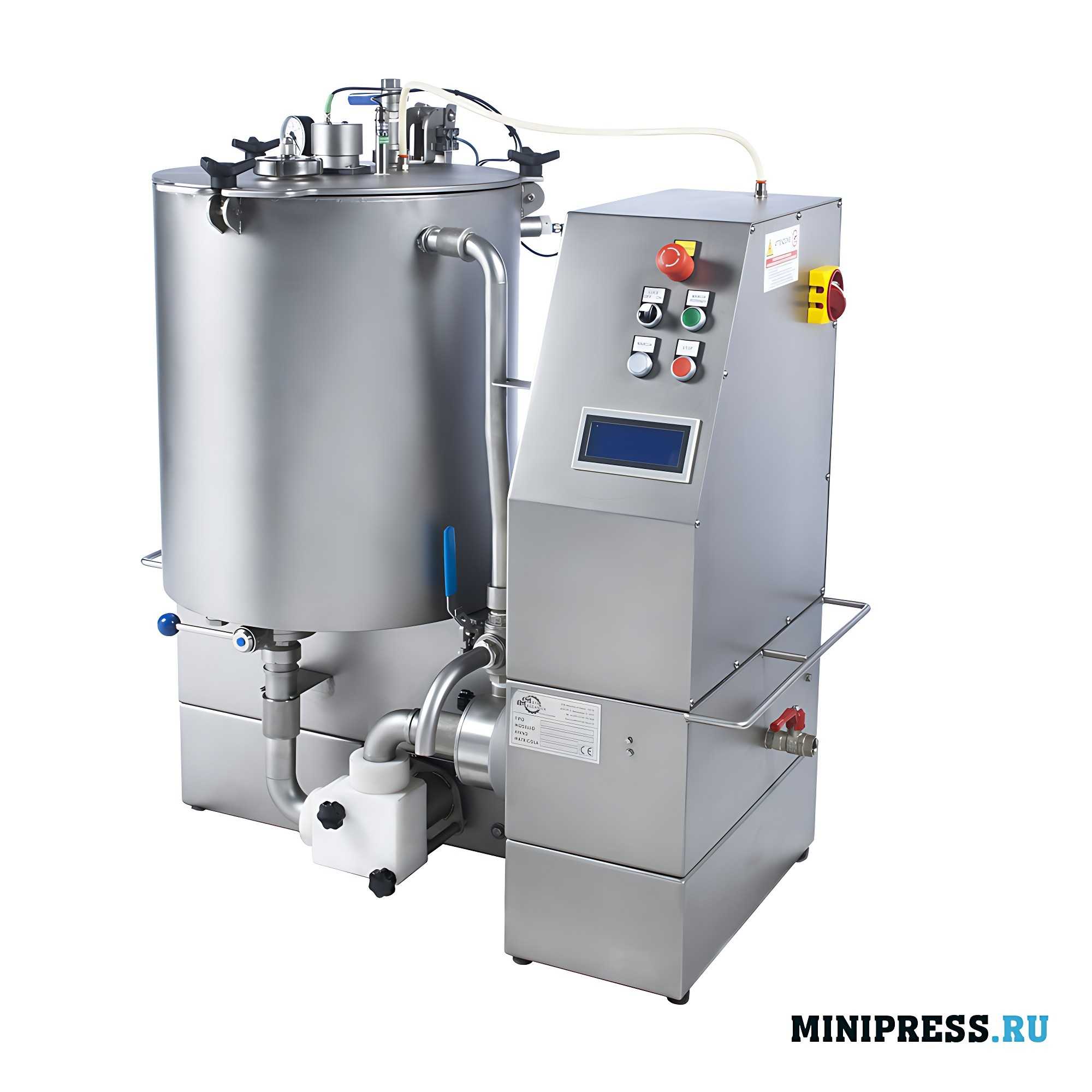
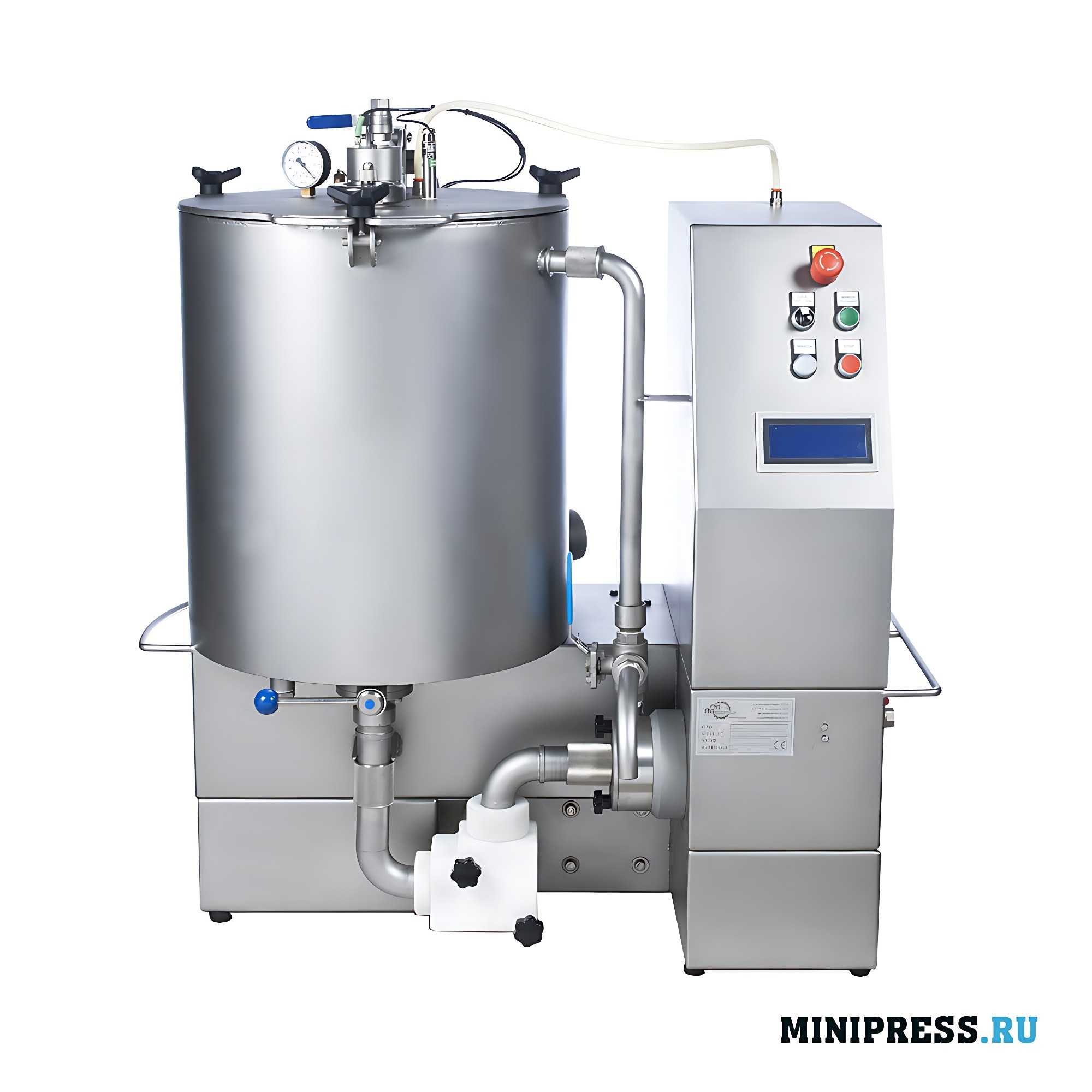
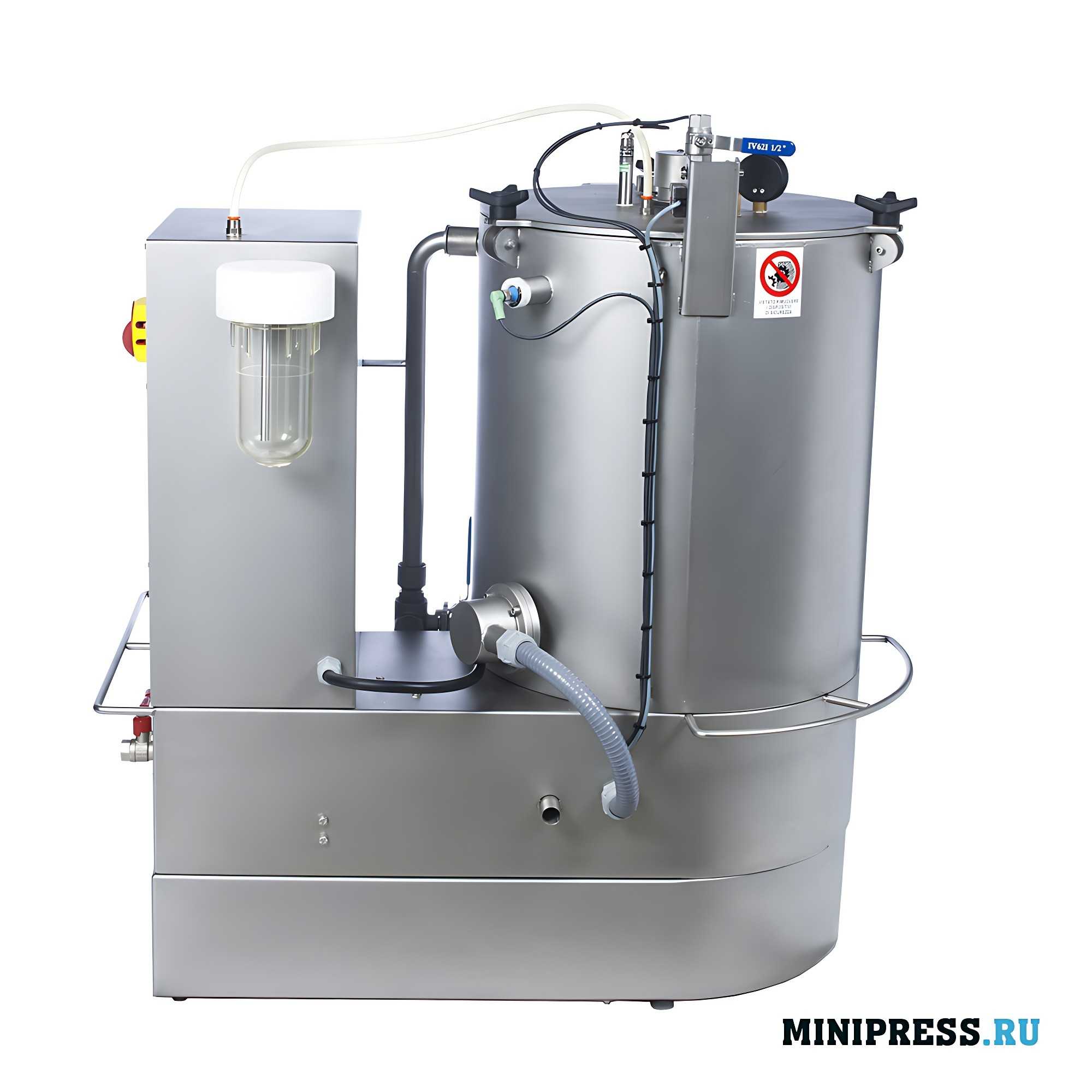
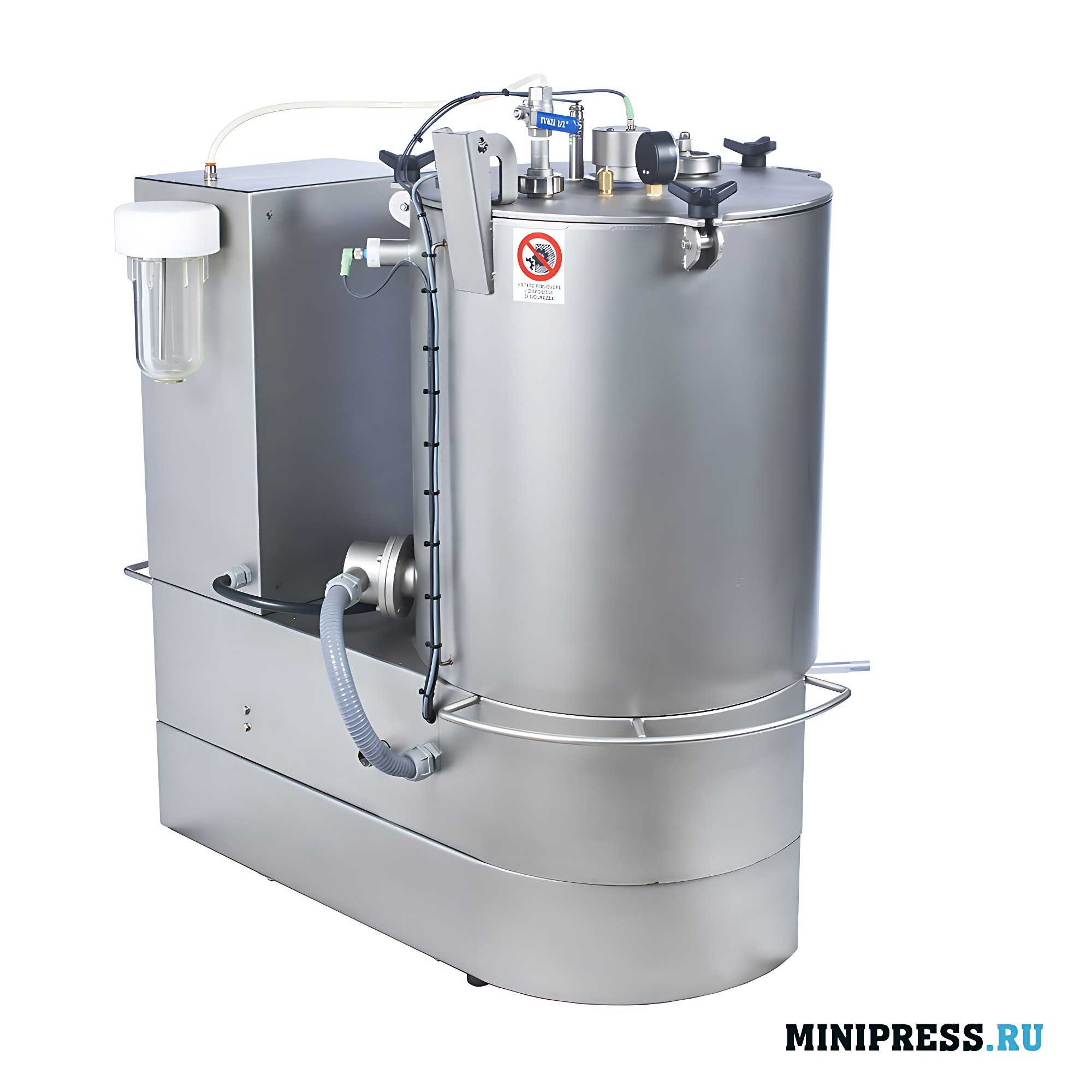
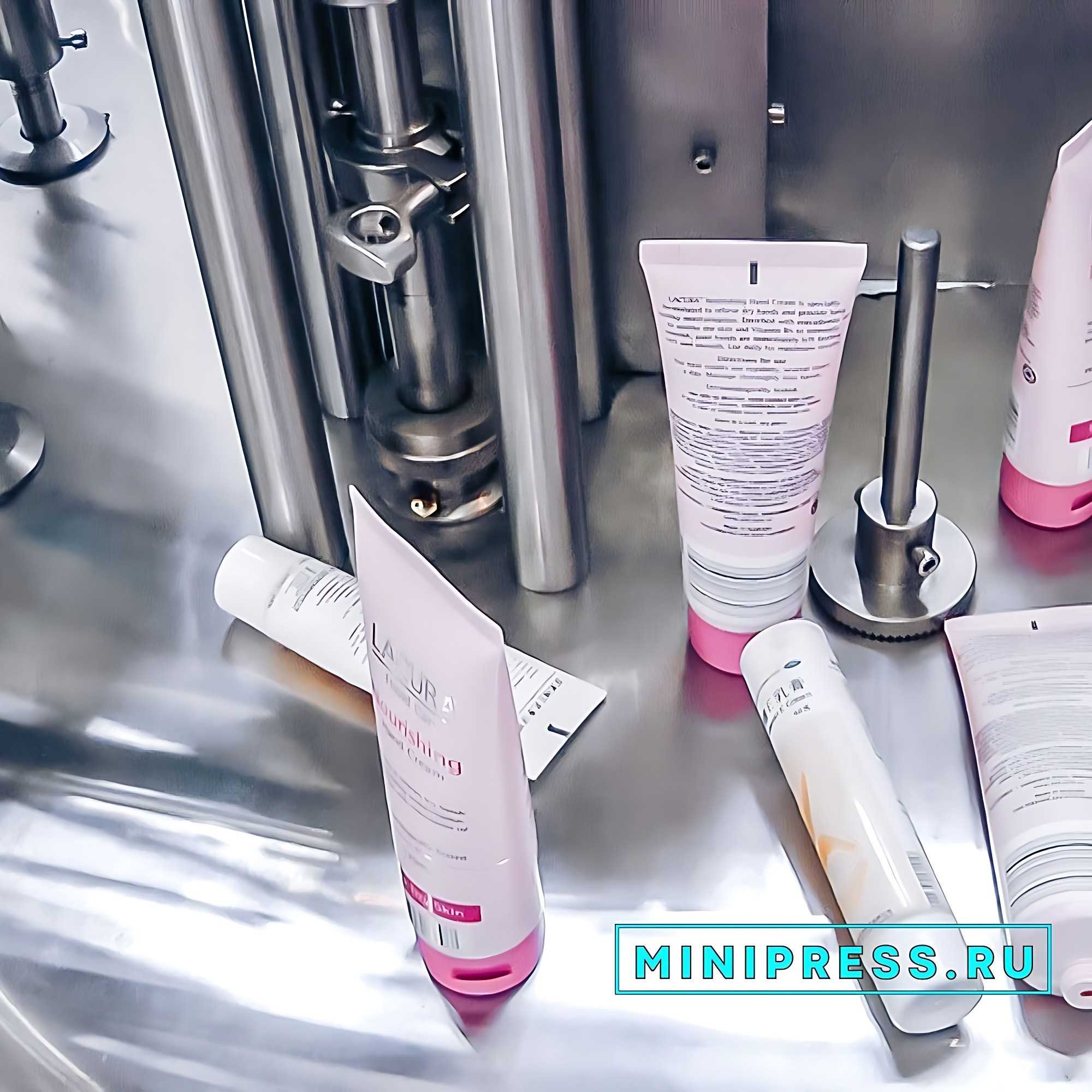
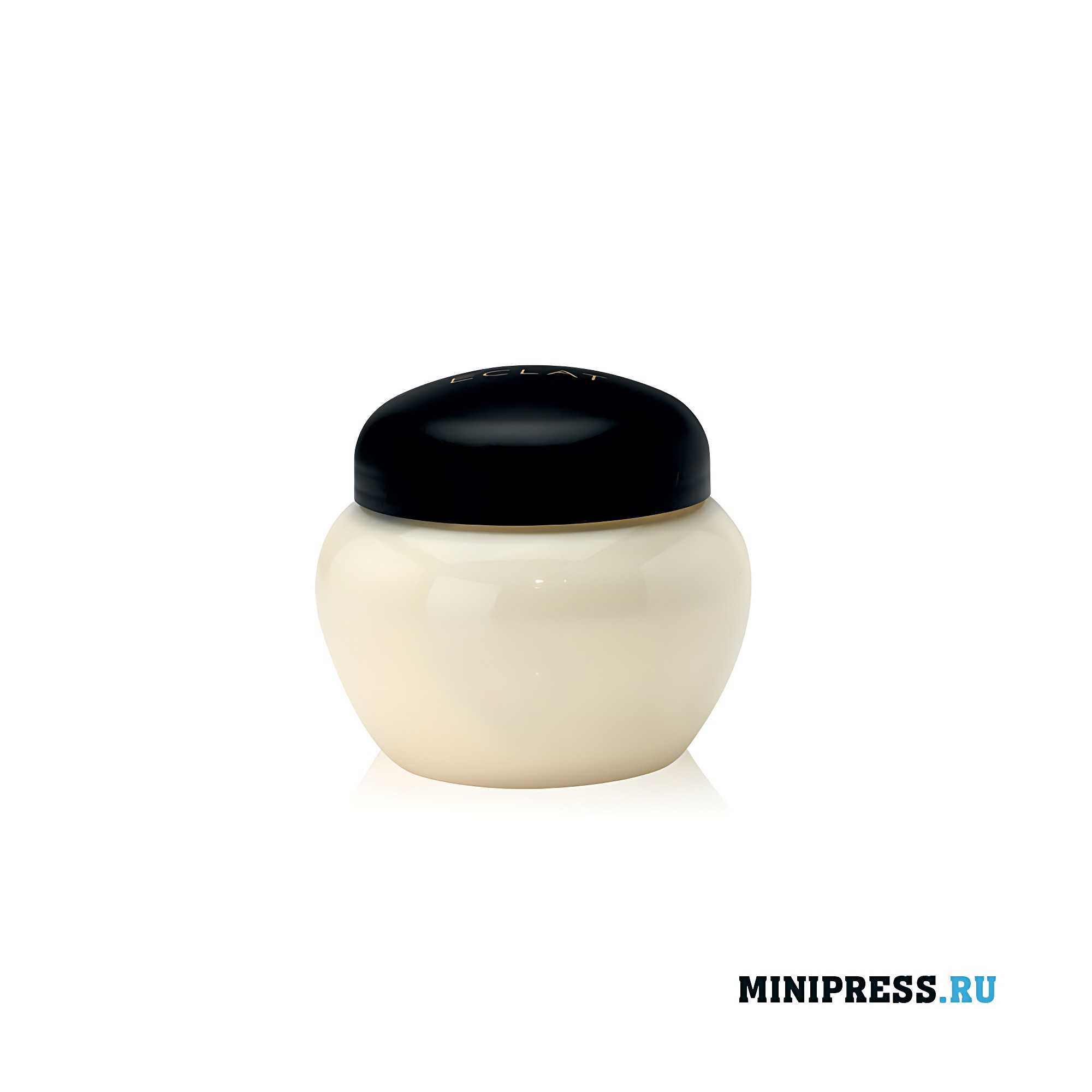
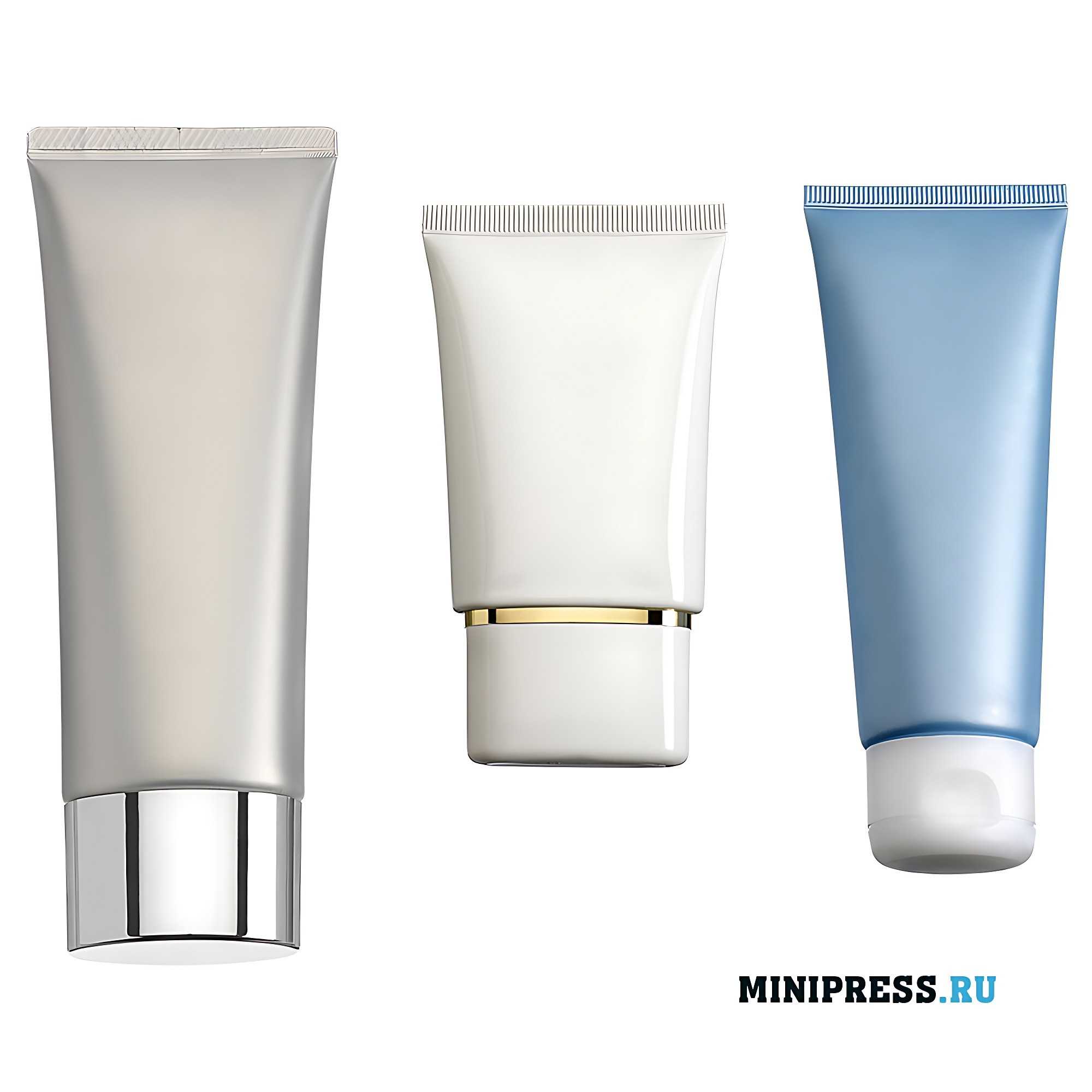
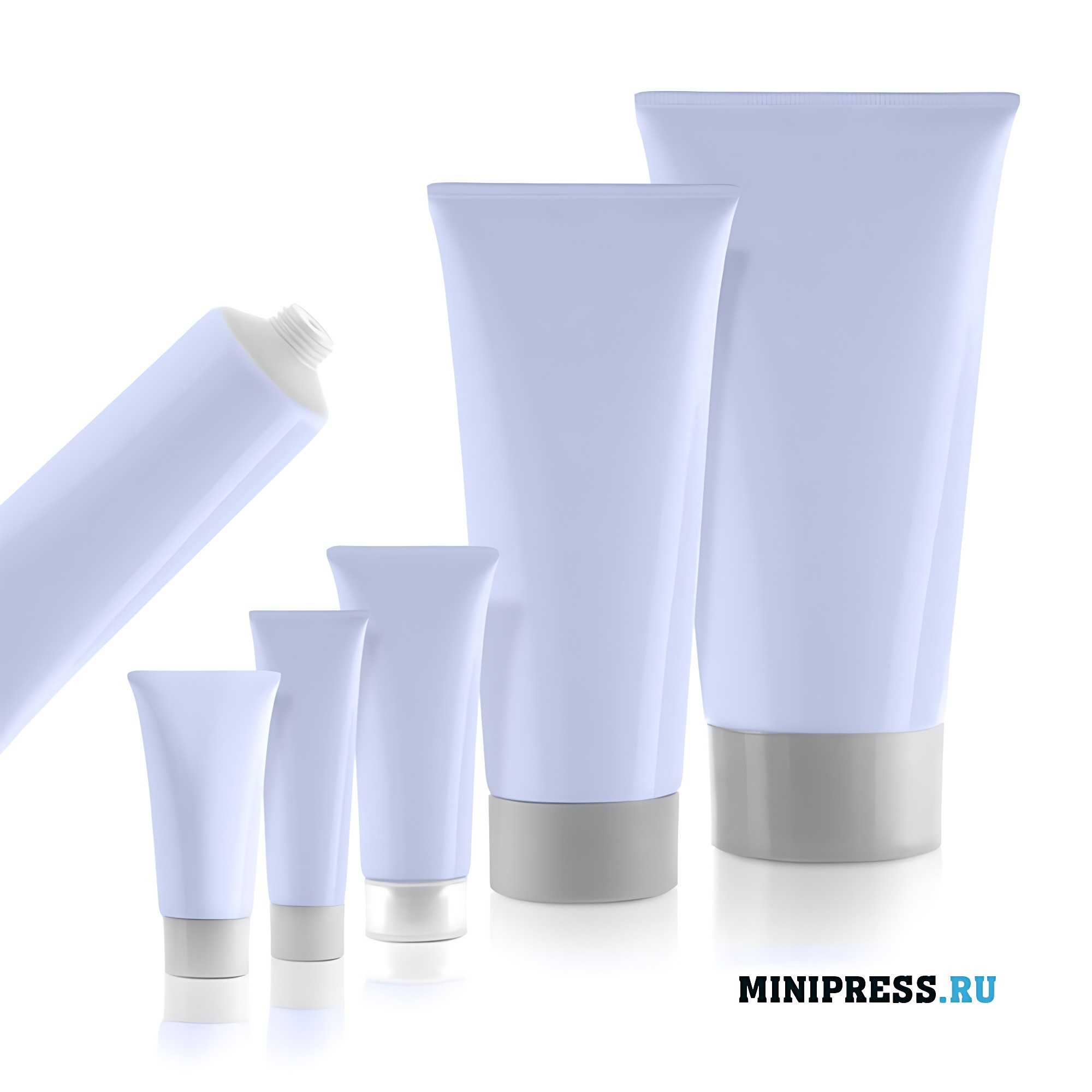
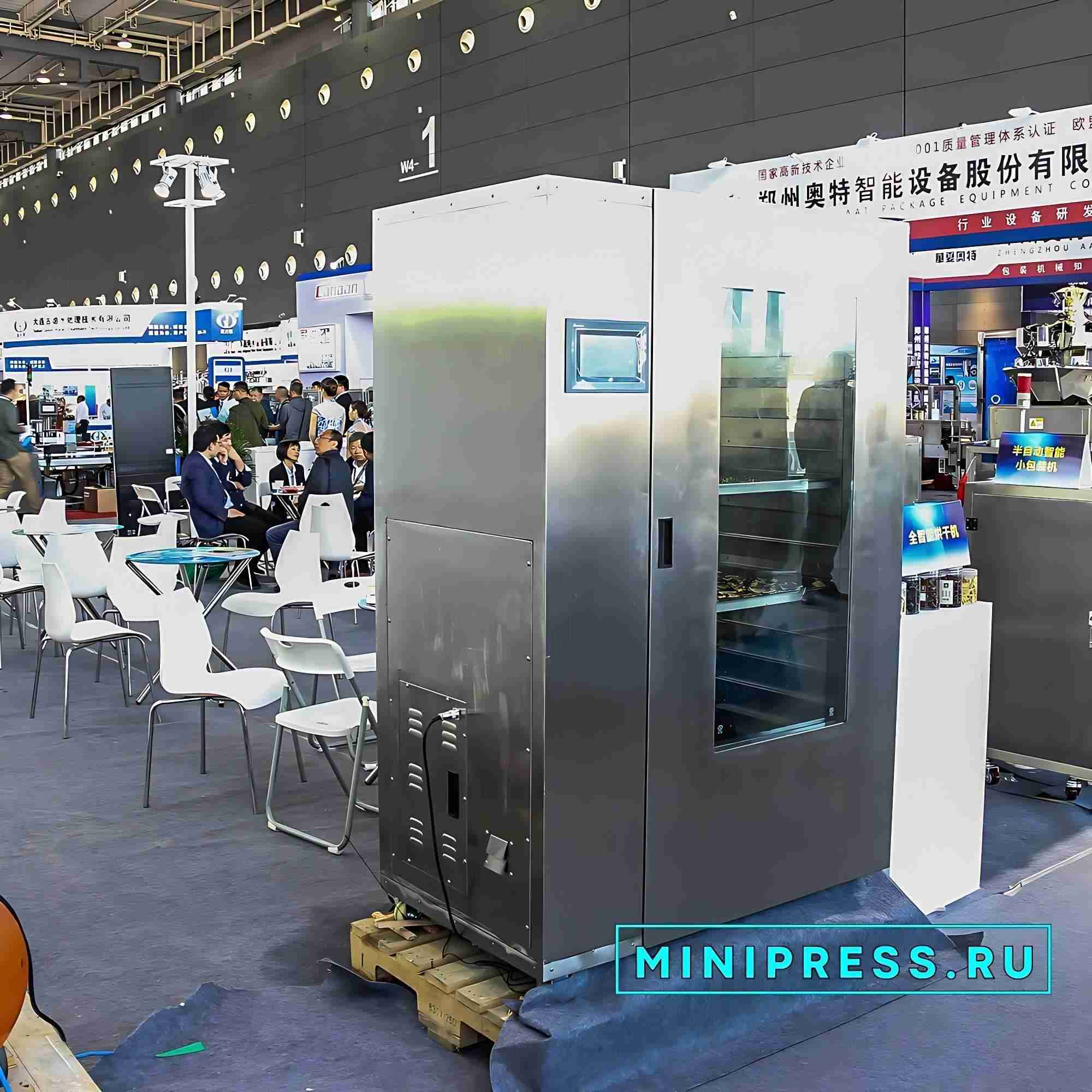
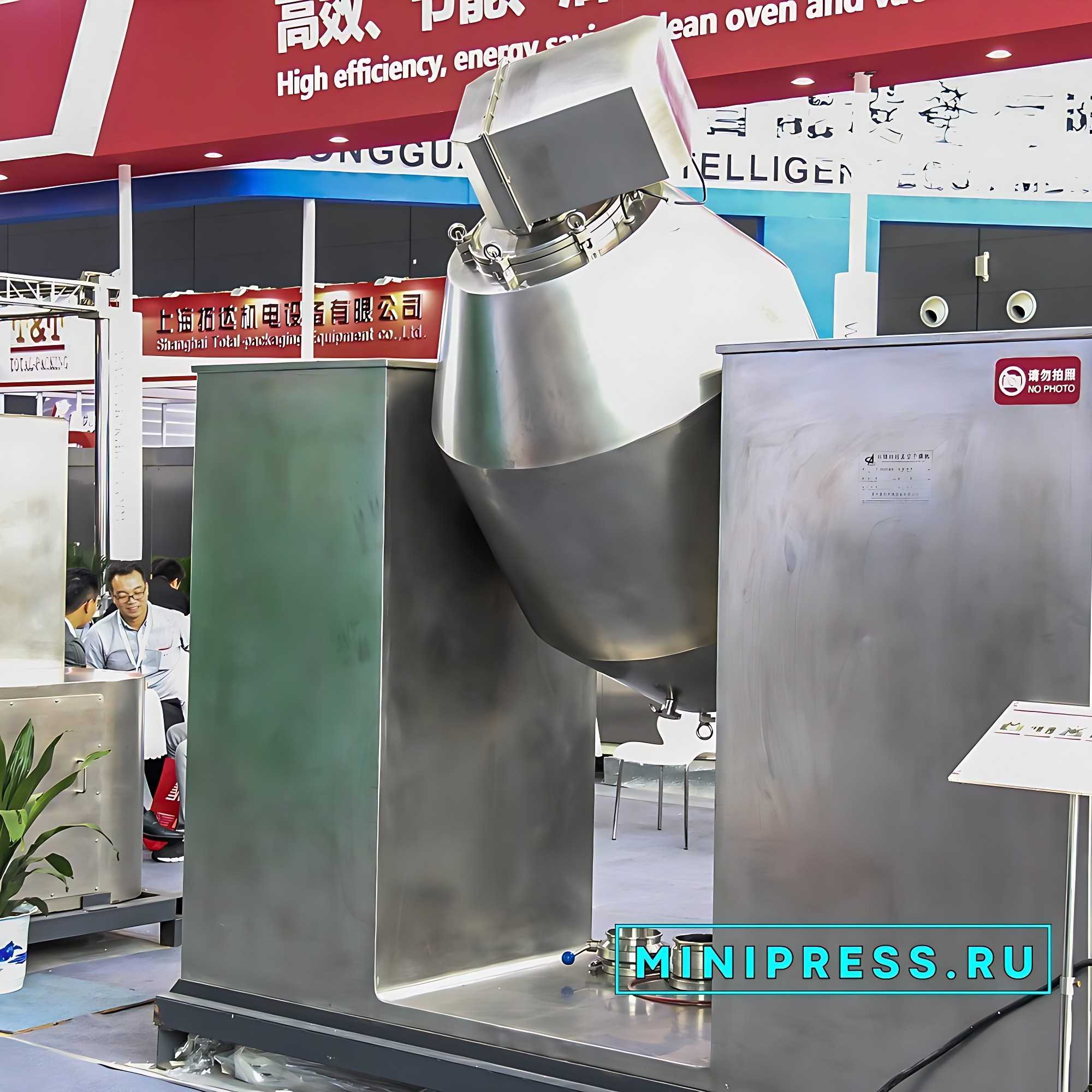
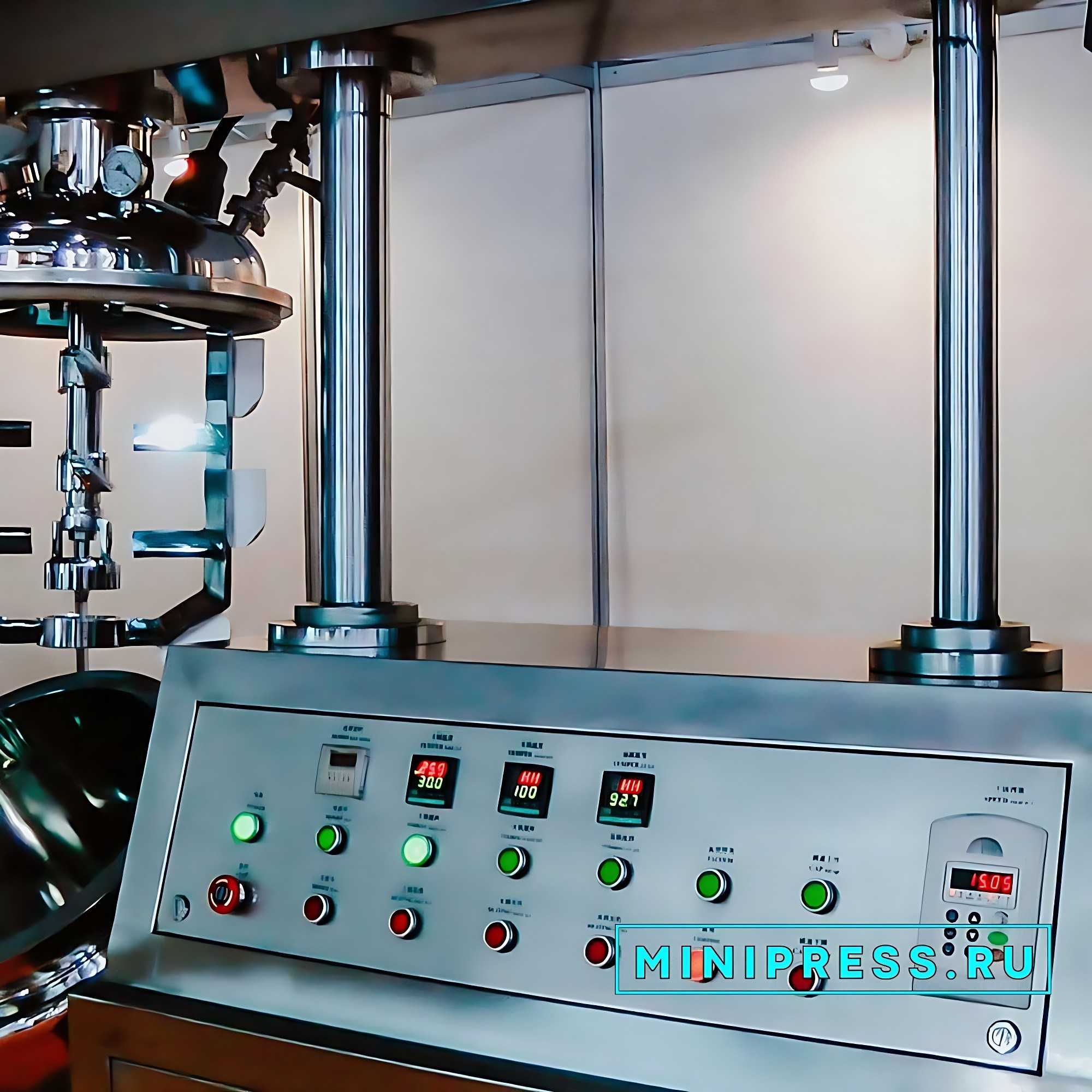
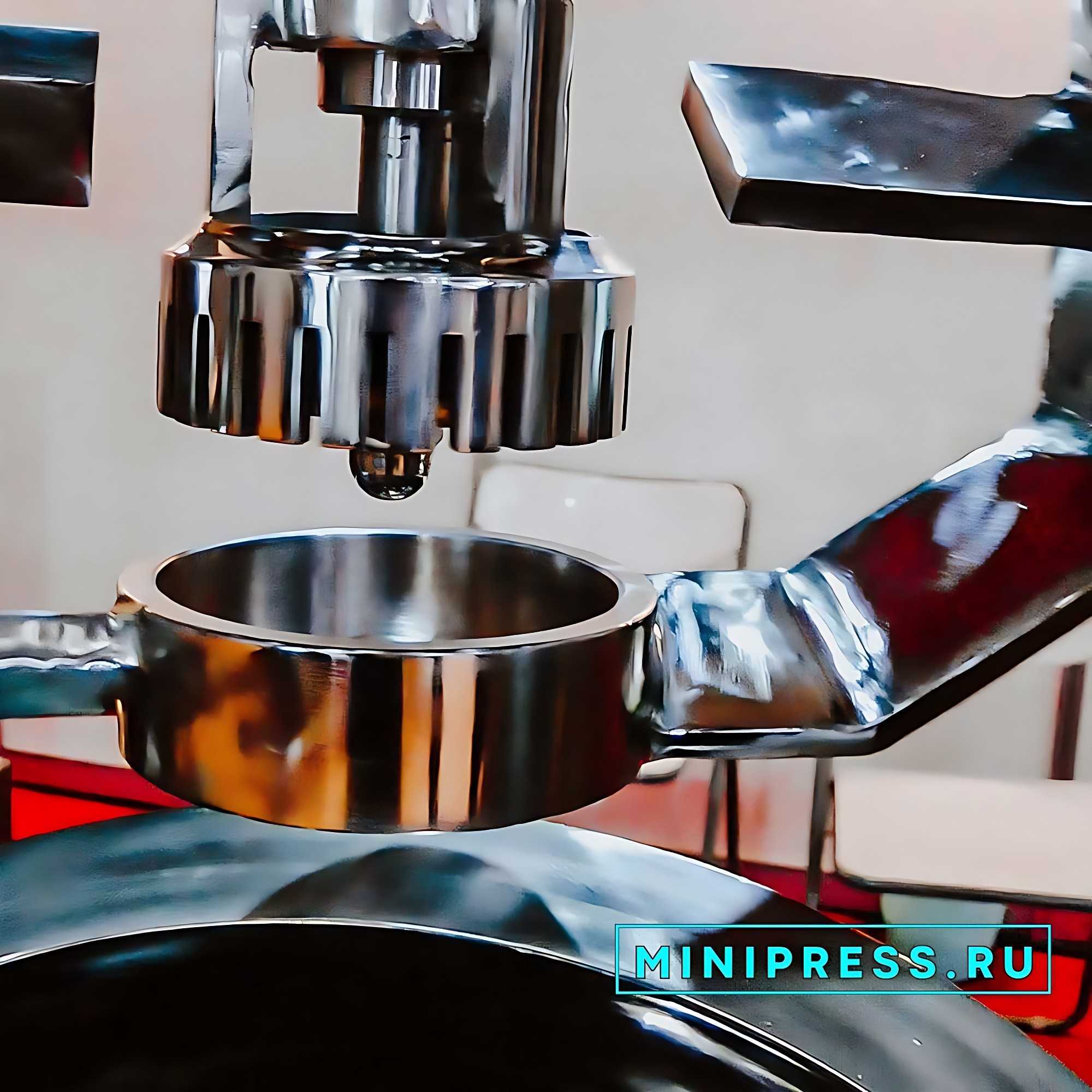
The acquaintance of a person with soft medicinal forms occurs in the first days of life, when the caring hands of a mother apply baby cream to the delicate skin of a child. Then, throughout their lives, people use soft medicinal forms of medical appointment for the prevention and treatment of various diseases in dermatology with external therapy of skin lesions of various etiologies, gynecology, proctology, ophthalmology, as well as cosmetics to protect the skin from harmful effects and prolong its beauty and youth.
In this chapter, classifications will be given, technologies for the production of soft dosage forms will be considered. Depending on the consistency, degree of viscosity and elasticity, the following can be attributed to soft dosage forms: Ointments; creams; Gels; Pastes; Liniments; suppositories; soft gelatin capsules (Capsulis); plasters (Emplastra).
Ointments are a mild dosage form for topical use, intended for application to the skin, wounds or mucous membranes. They represent the most optimal dosage form in which it is possible to combine components that are different in chemical nature, aggregate states, prescriptions and biological activity. This is due to the...
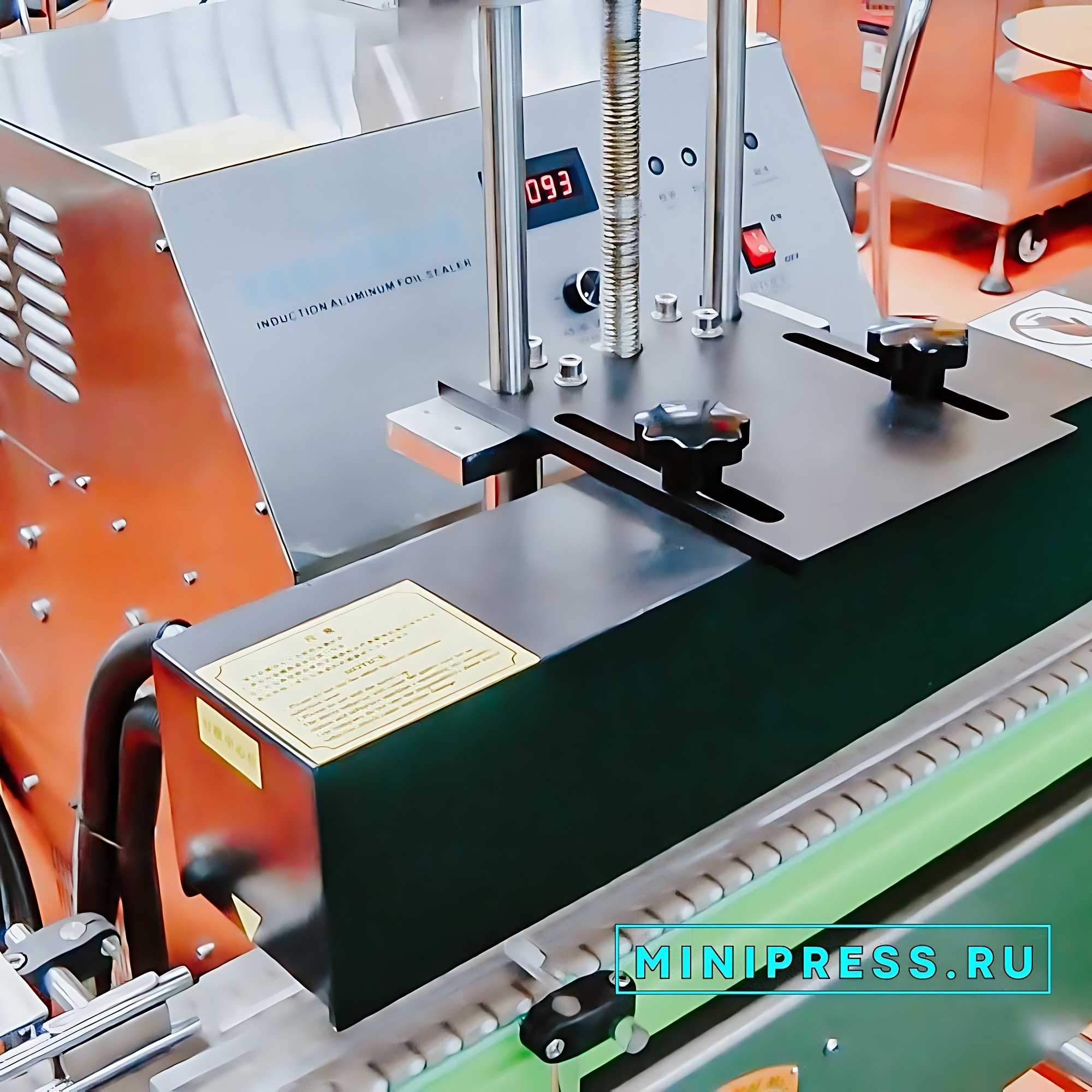
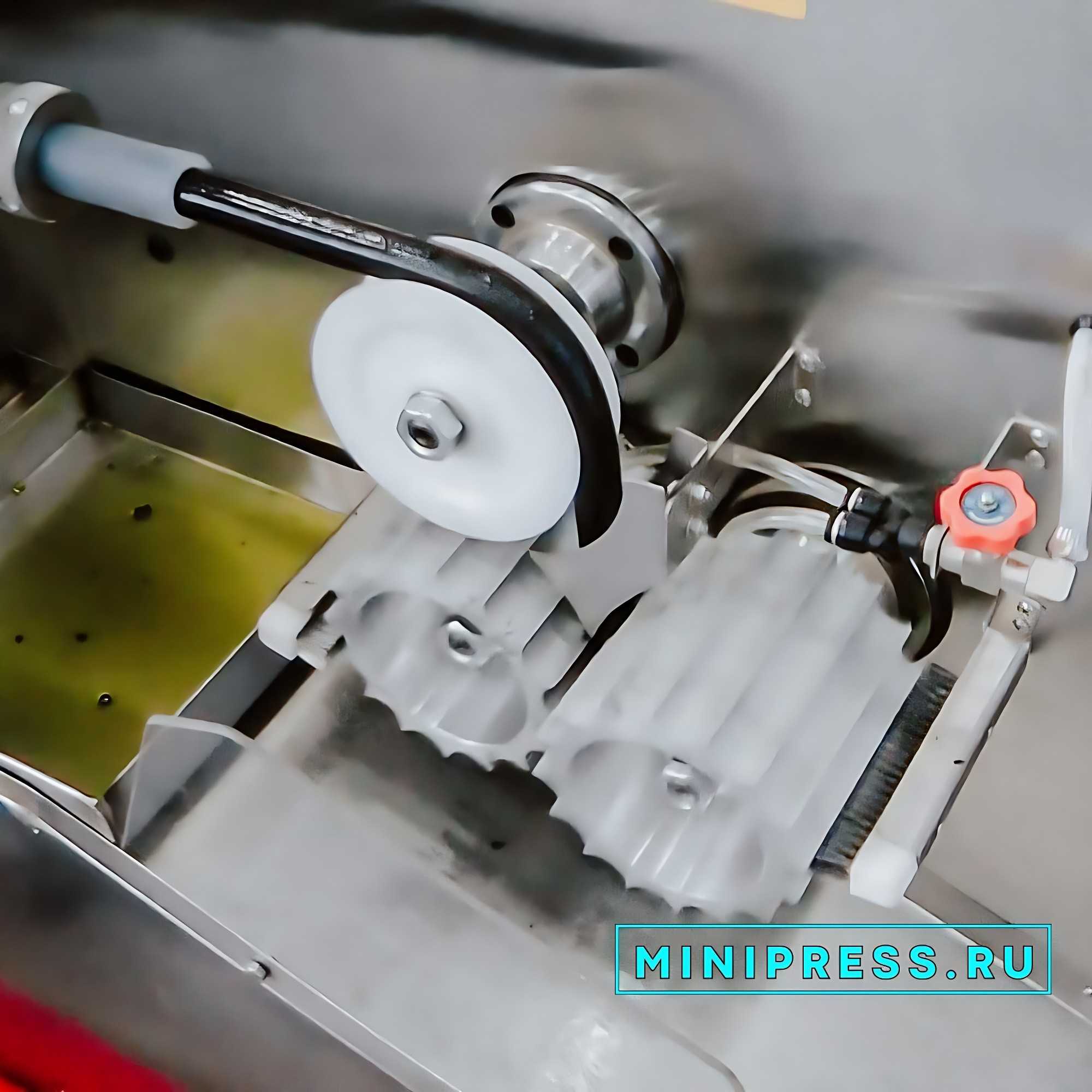
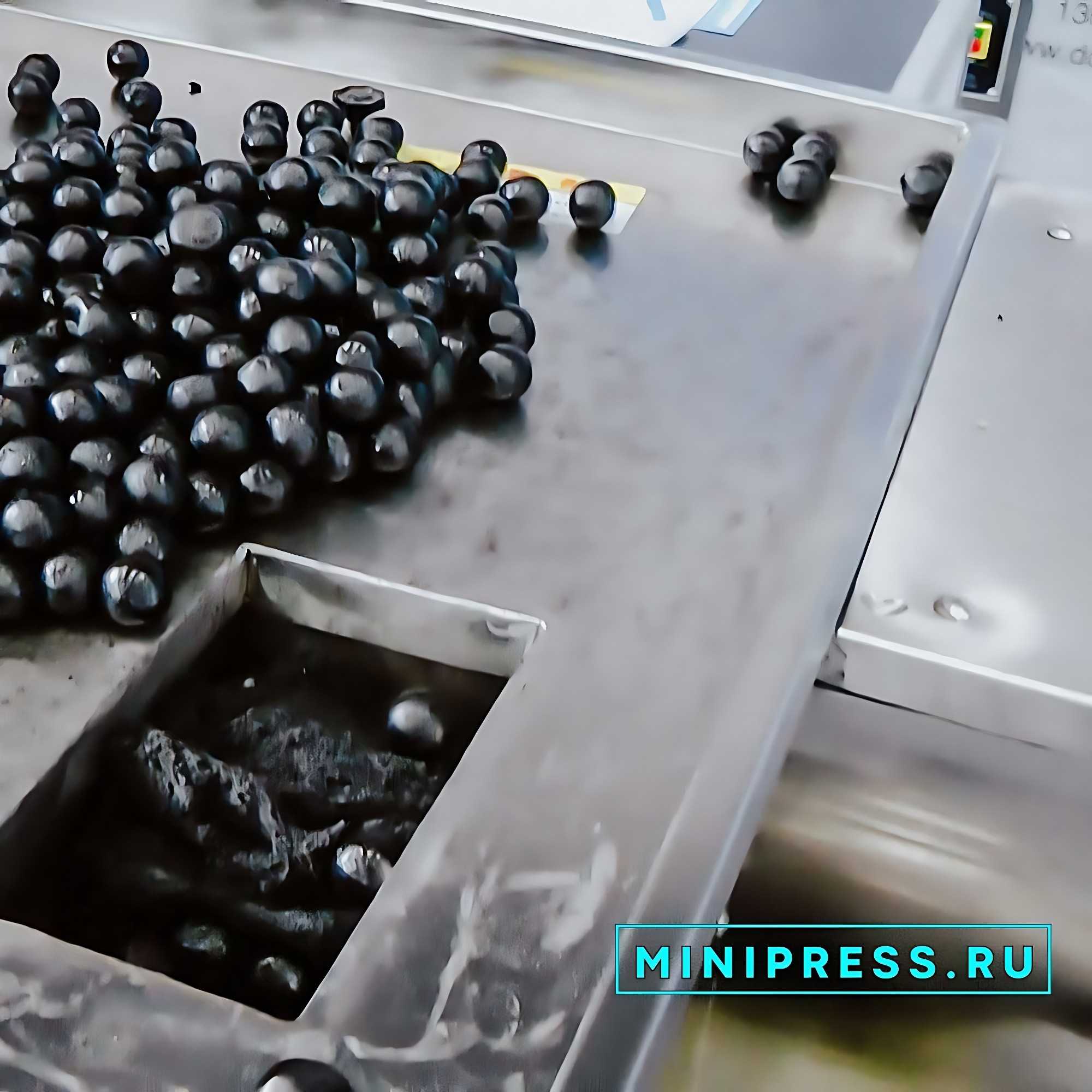
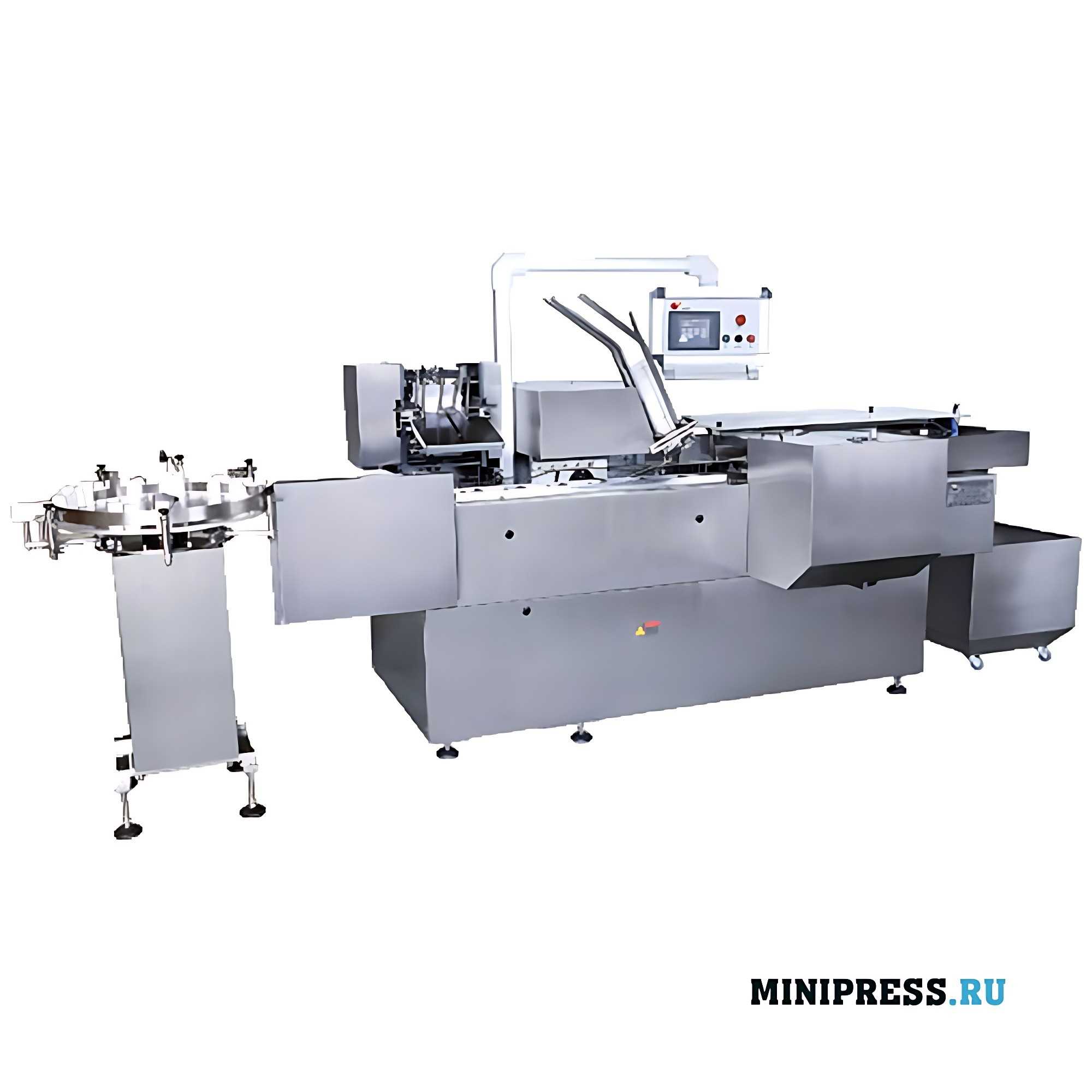
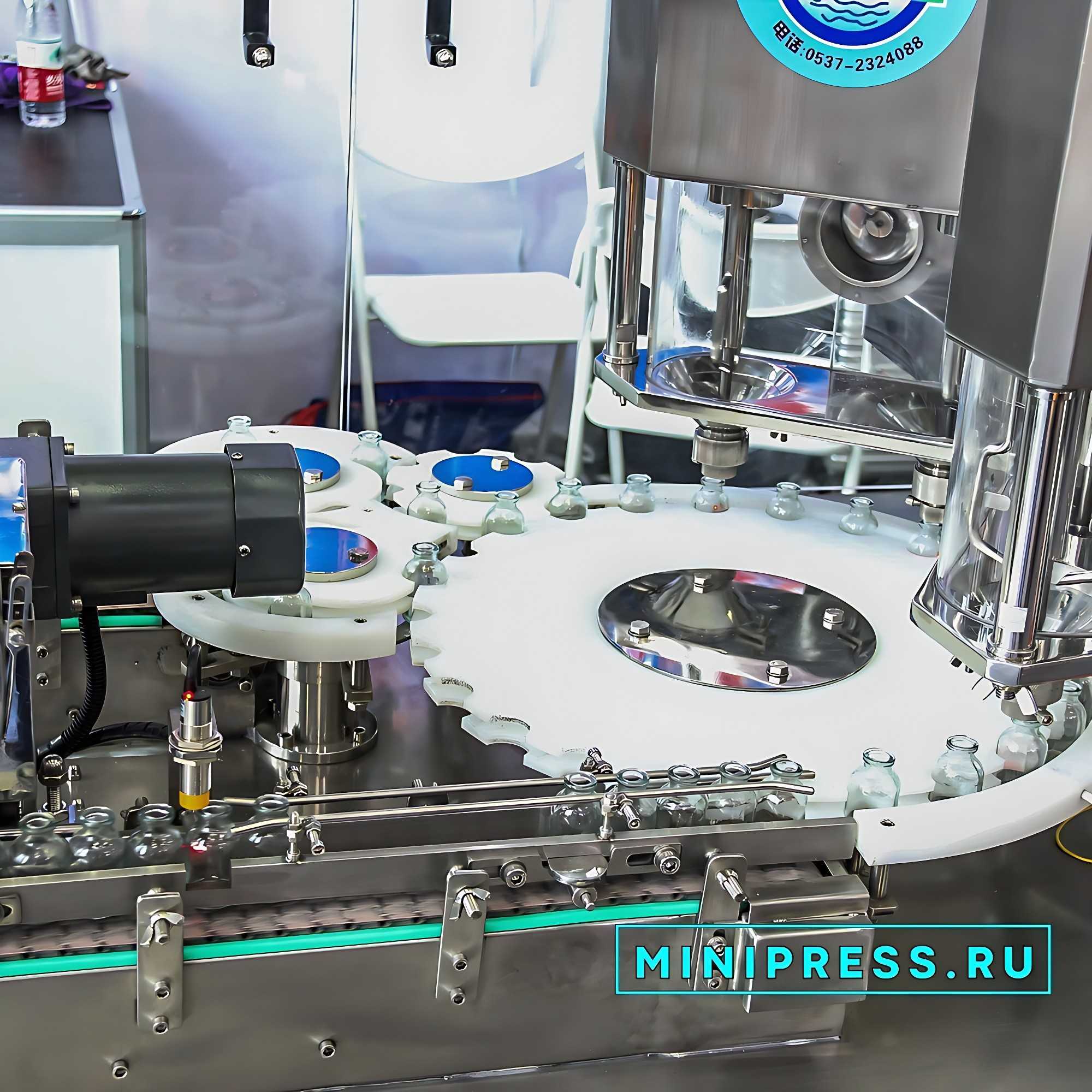
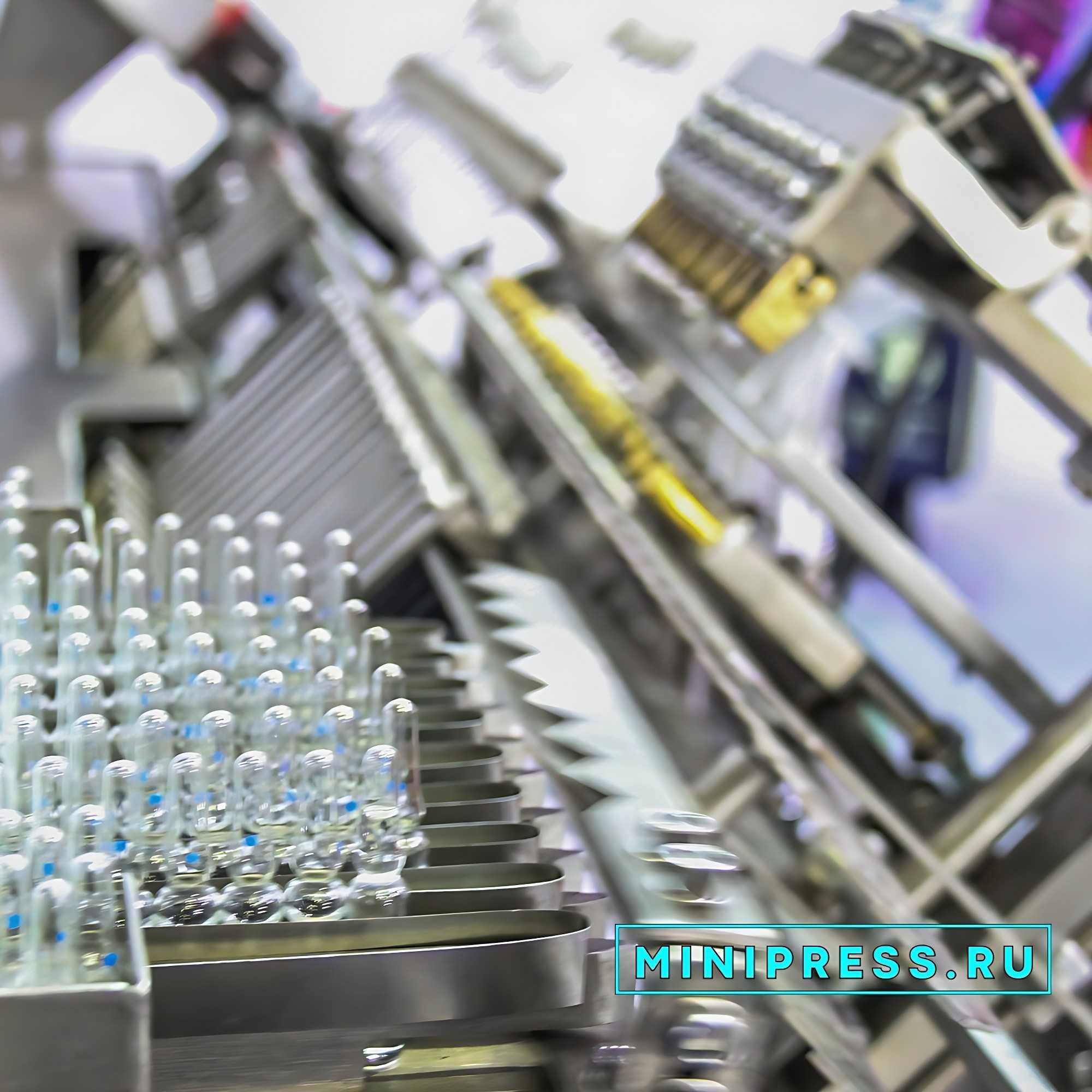
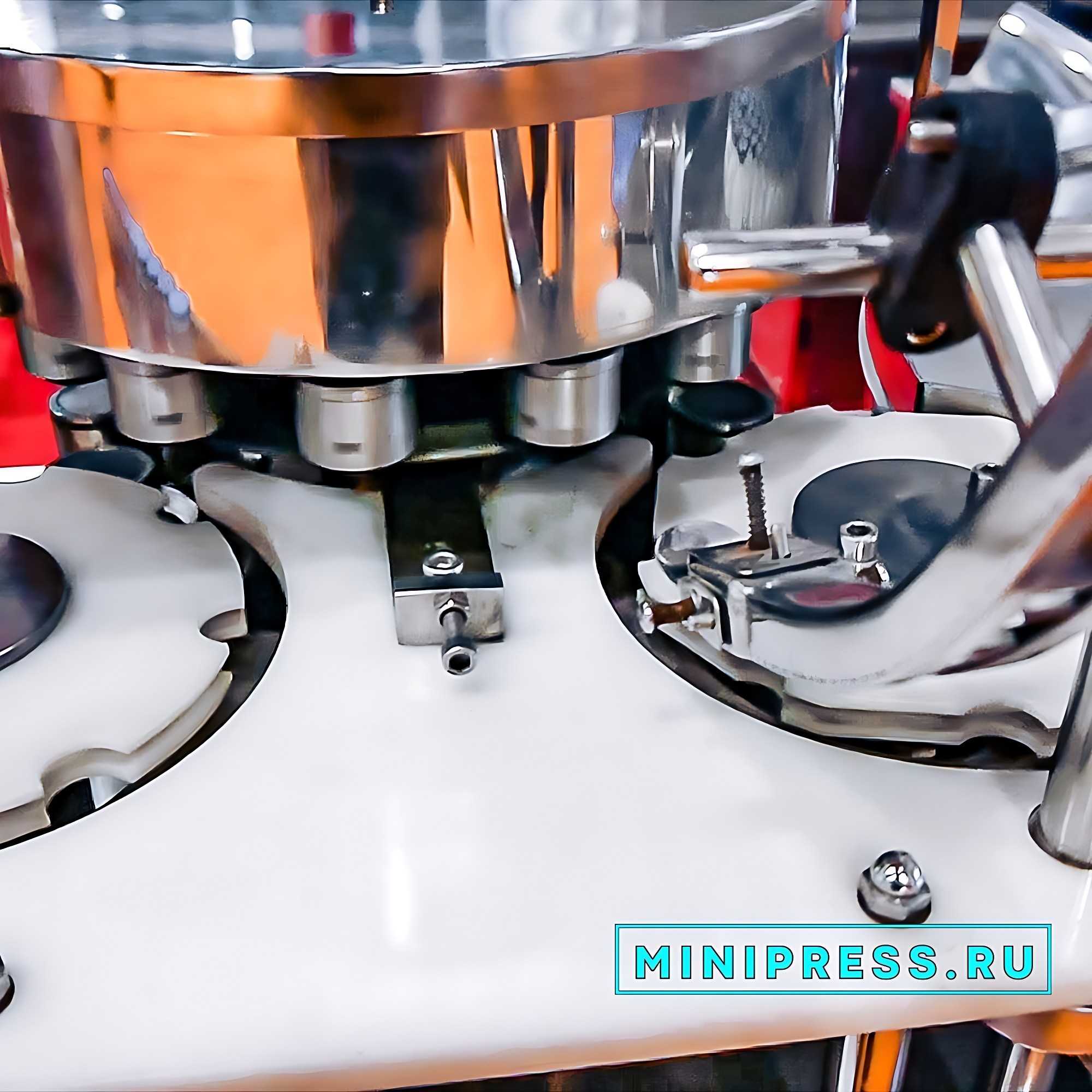
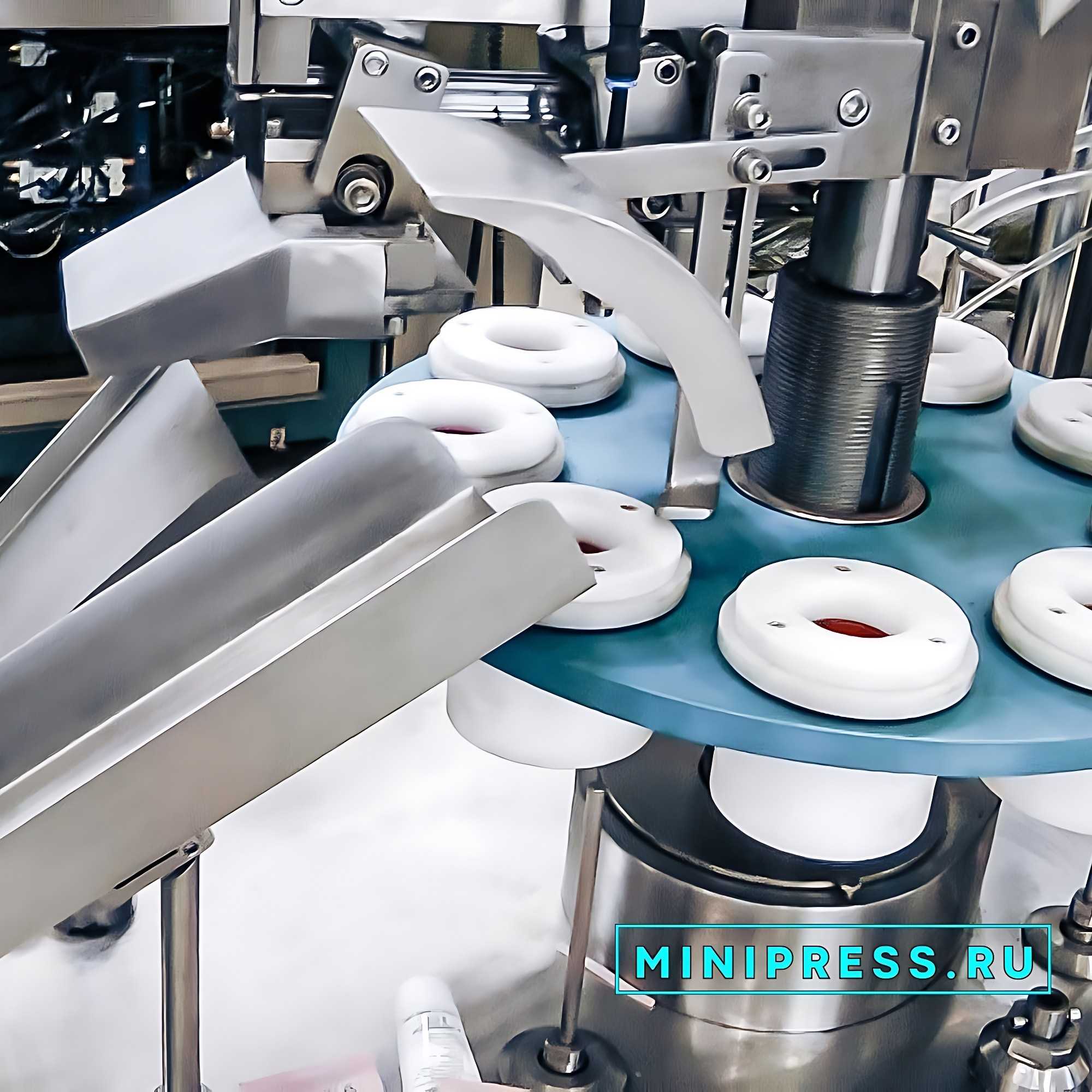
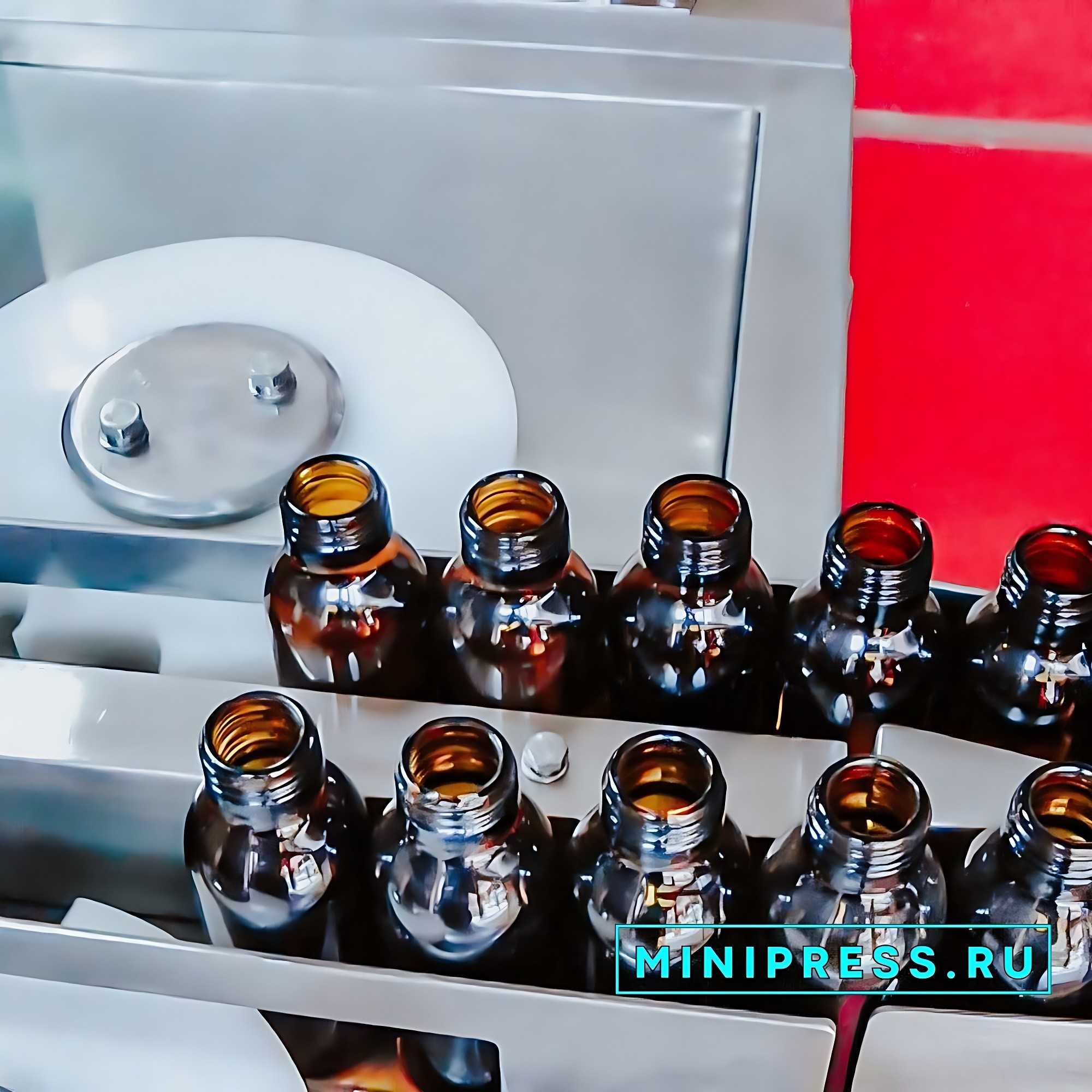
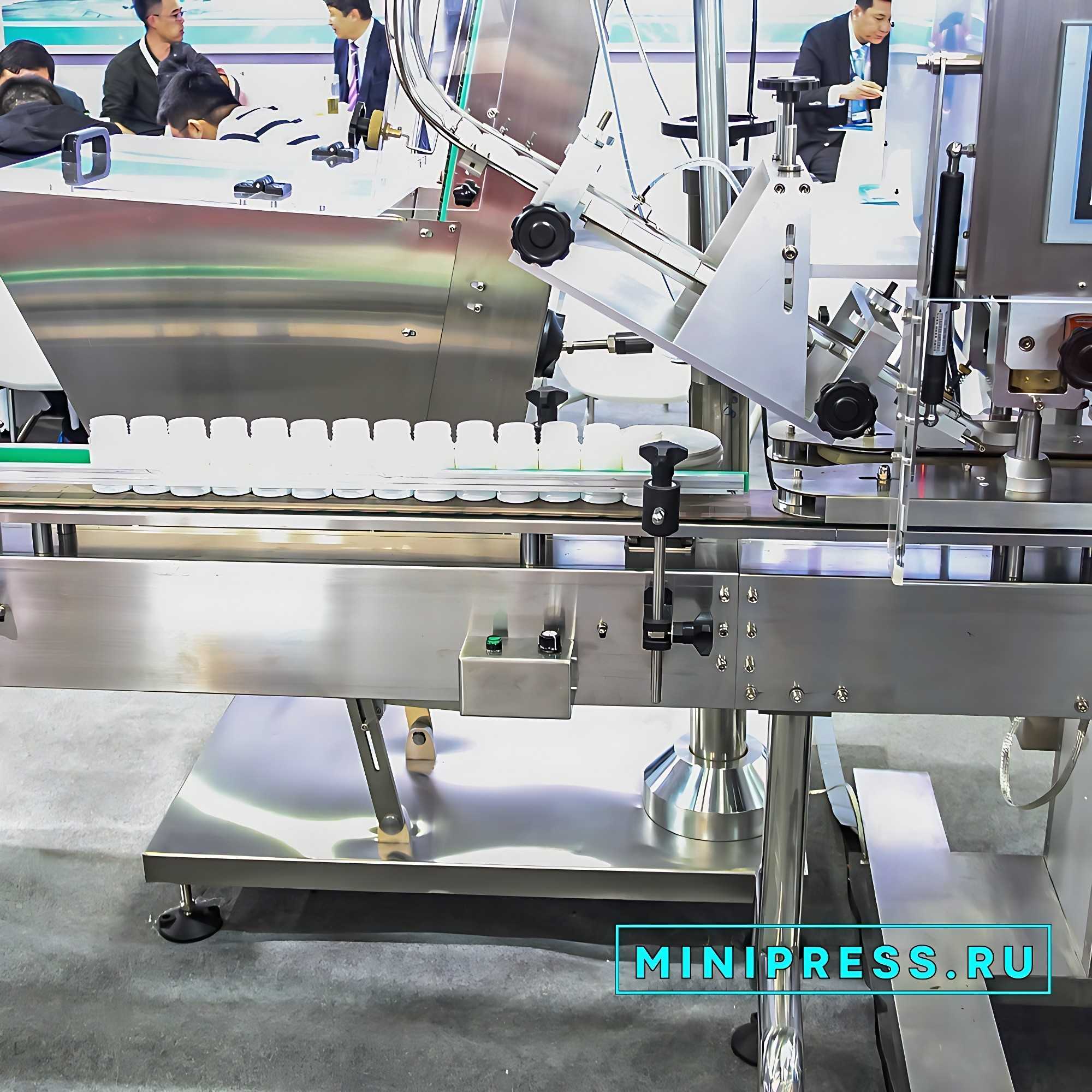
Automatic cartoning equipment is designed for packing bottles, prepackaged ointments and other similar products into cartons. PLC control system. Compliant with GMP standard. Easy and fast size changeover. Reliable product and insert sheet insertion. Reliable automatic controlled cartoning. Versatile labeling such as embossing. Rejection of boxes with a missing insert sheet. User manual and technical data sheet in English. Completeness and operability are guaranteed. We maintain a stock of parts and consumables in stock. The price is based on delivery to the buyer's city.
In the production of ointments, creams and other soft dosage forms, there is a particularly high risk of microbial and other contamination. Therefore, special measures are needed to prevent any contamination. Soft dosage forms have specific rheological properties and in most cases are heterogeneous dispersed systems. Therefore, in order to avoid heterogeneity of the product due to uneven distribution of components, formation of gas emulsions and destabilization of dispersed systems, special attention should be paid to the proper conduct of the technological process, the equipment used and the temperature conditions of product storage.
Requirements for production facilities and equipment. The environment of the premises, taking into account all measures to protect production, should pose a minimal risk in terms of contamination of materials and products.
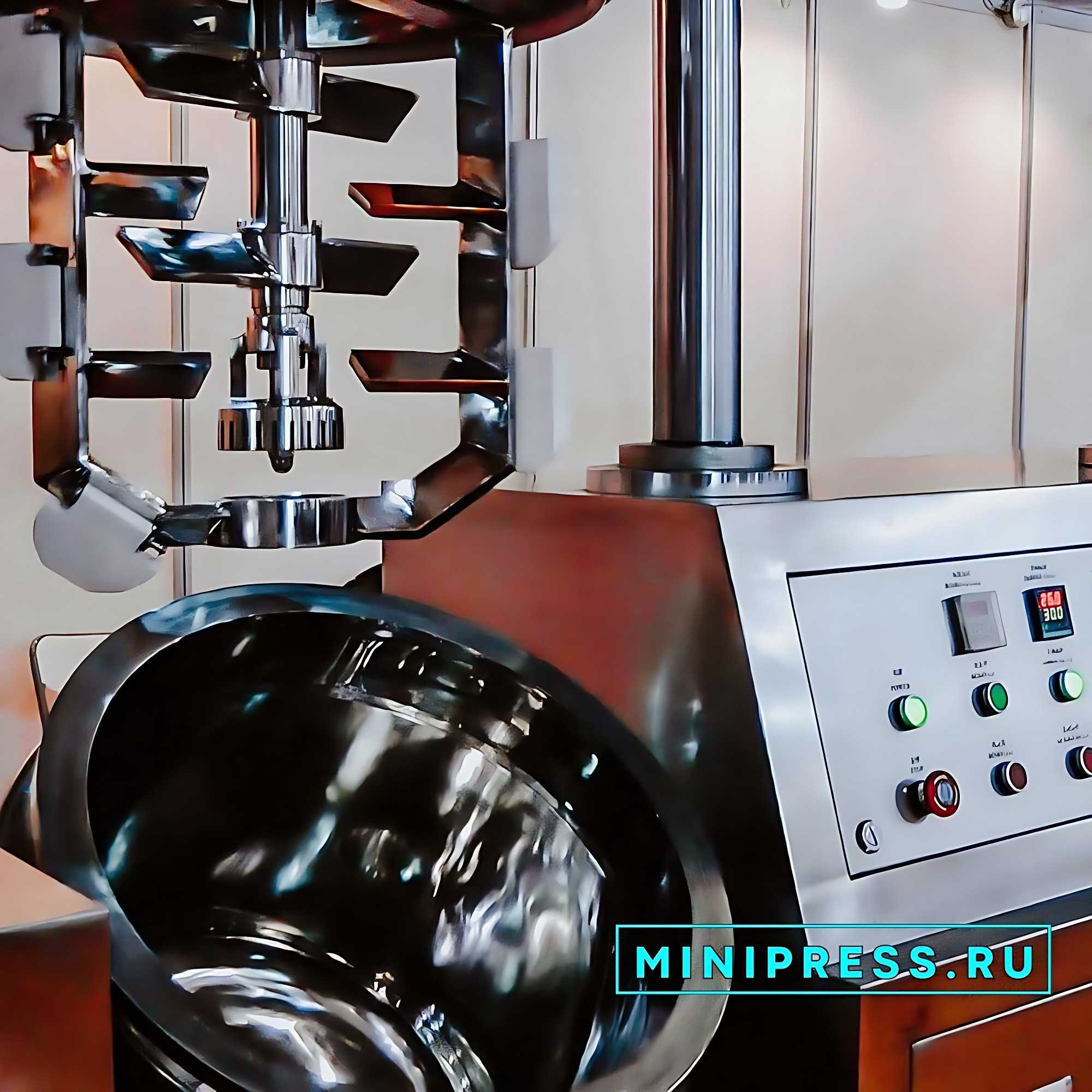
The process of making ointments can be periodic or continuous. The periodic process can be one-, two-, three-stage, etc., depending on the number of devices in which separate stages of the process of obtaining ointments are consistently carried out. The technology of manufacturing ointments at pharmaceutical enterprises is carried out in accordance with the regulations. It includes the following stages: sanitary treatment of premises and equipment; preparation of raw materials (medicinal substances, ointment base, packaging containers, etc.); introduction of medicinal substances into the base; homogenization of ointments; standardization; packing and storage of ointments. Sanitary treatment of premises and equipment is aimed at preventing microbial contamination during the production, storage and transportation of ointments, at creating safe working conditions and protecting the health of workers.

 Deutsch
 Français
 Italiano
 Polski
 Español
 Русский
 Português



 9282
9282 8501096