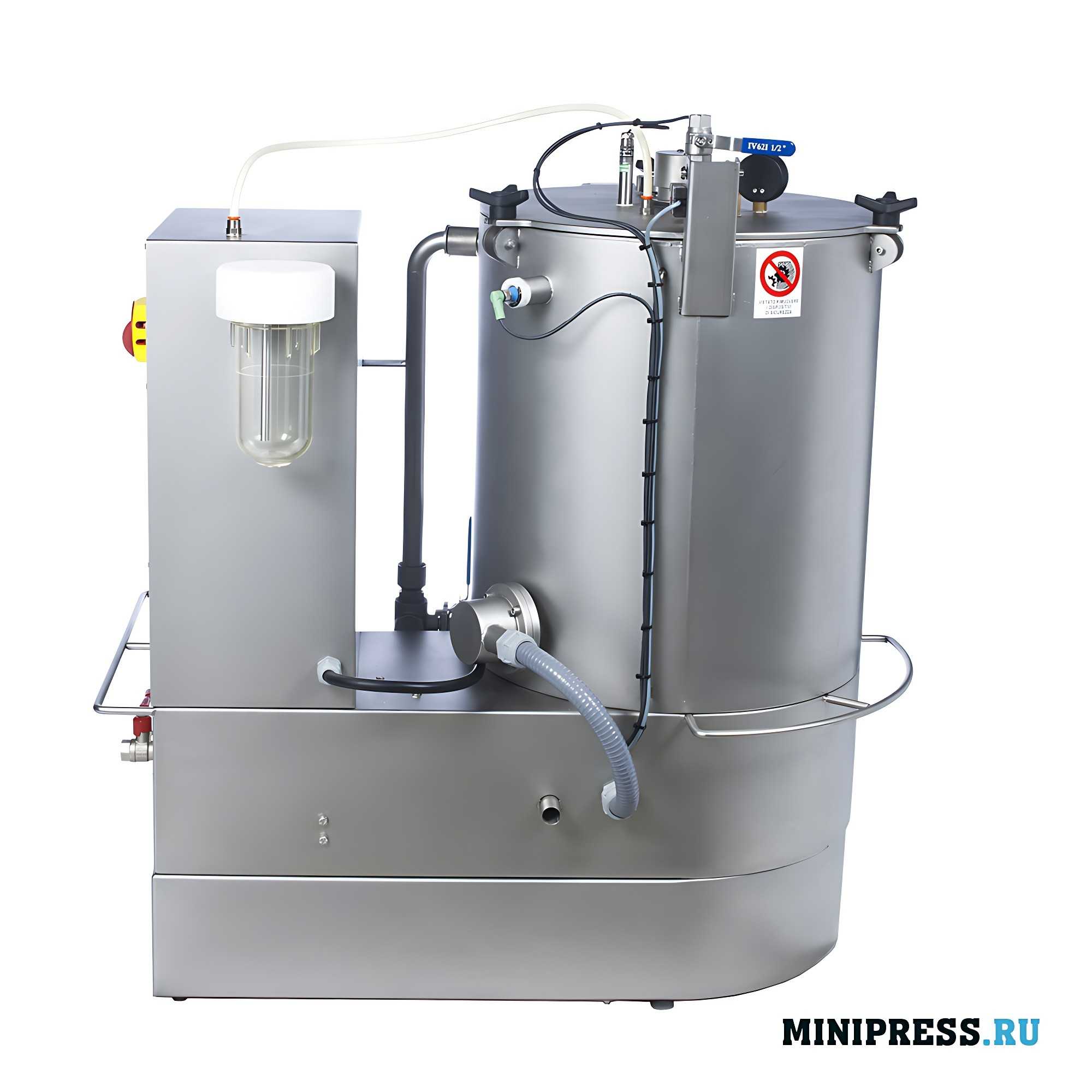
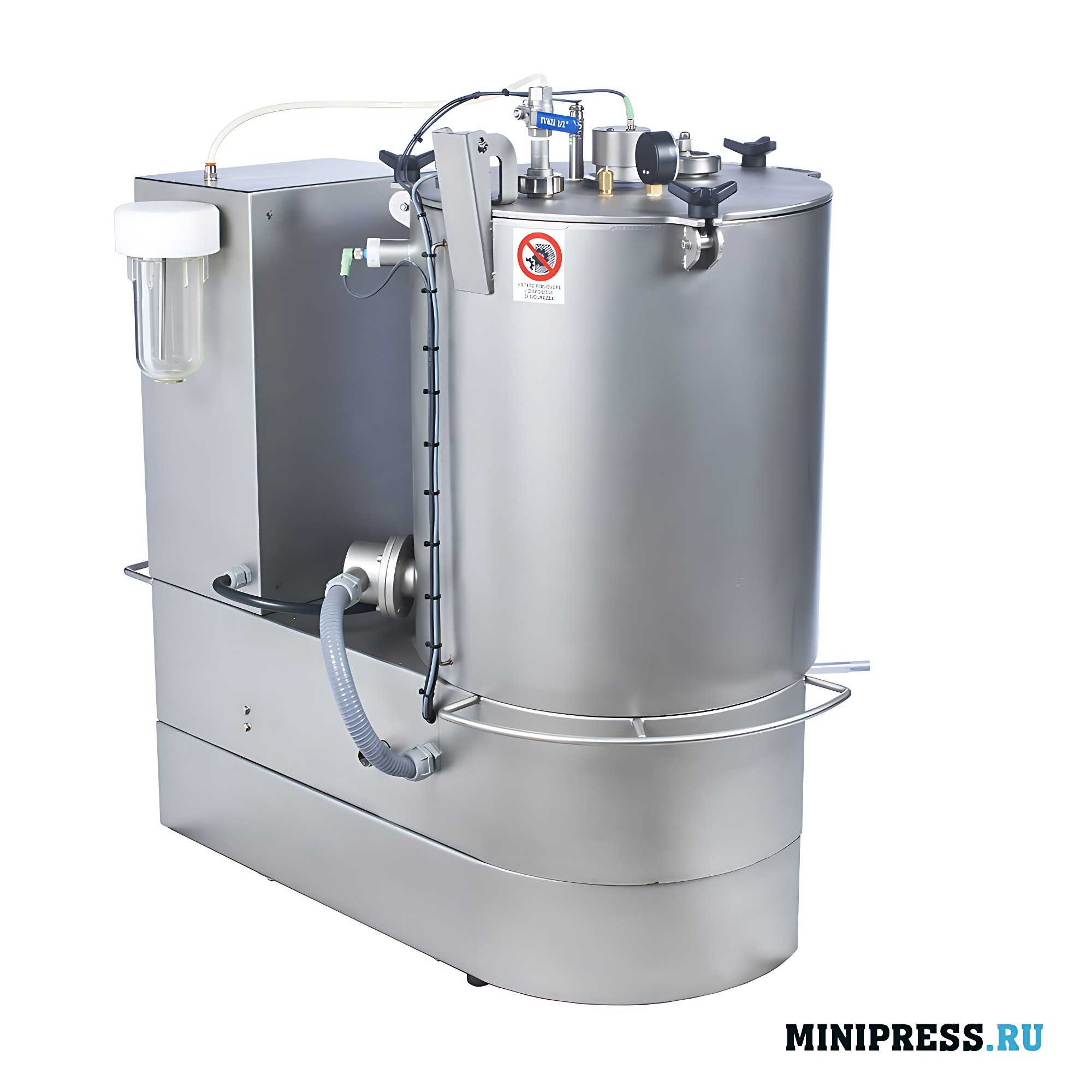
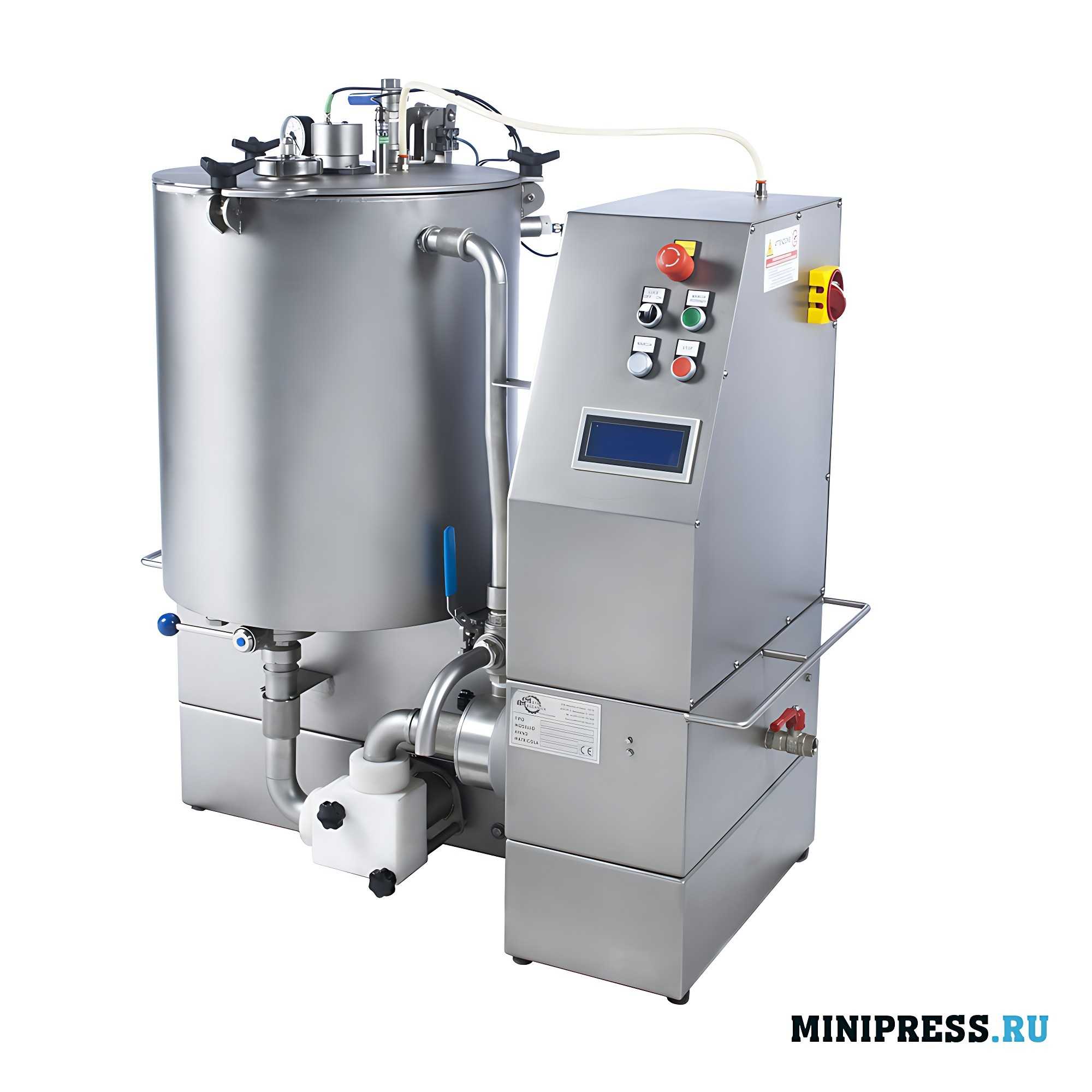
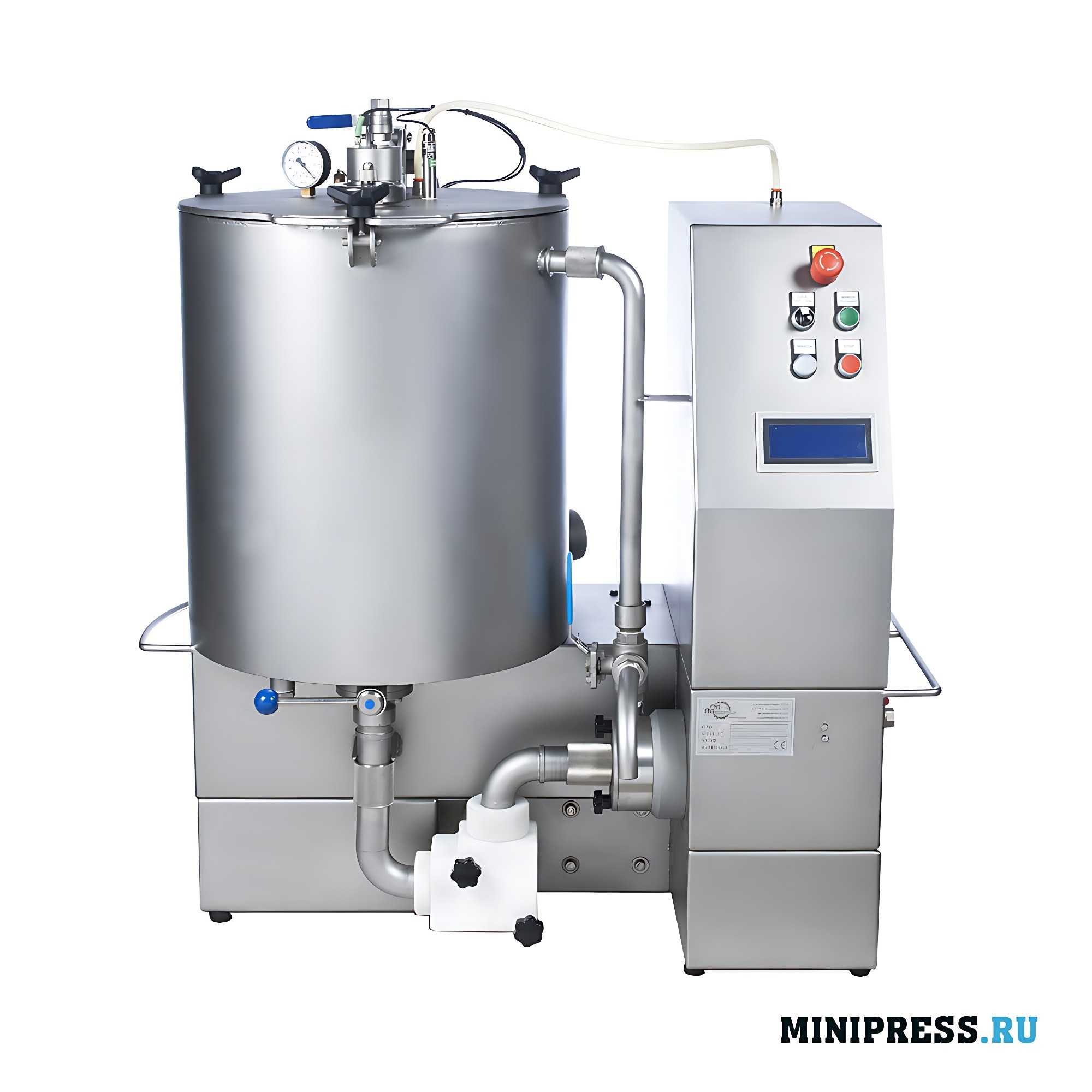
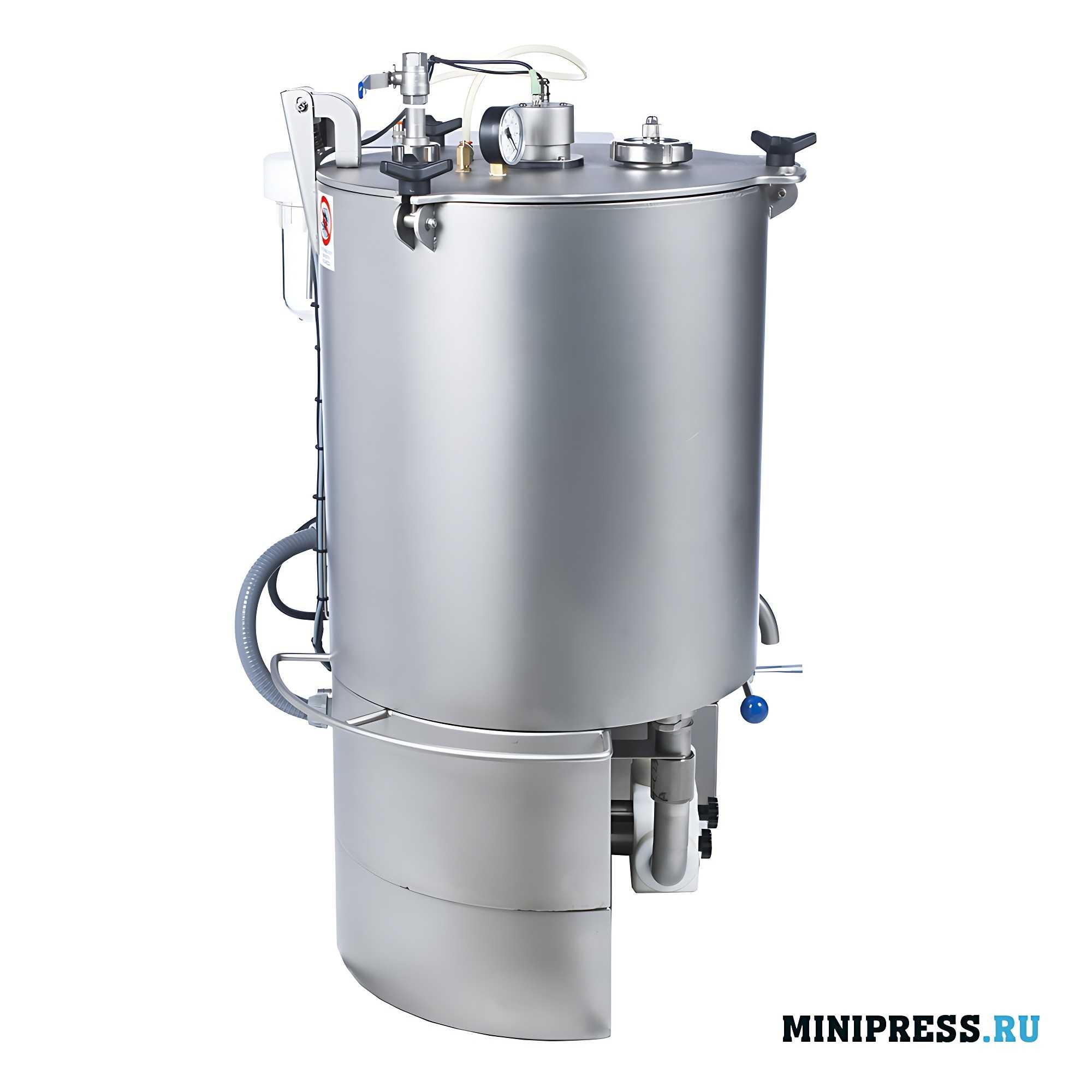
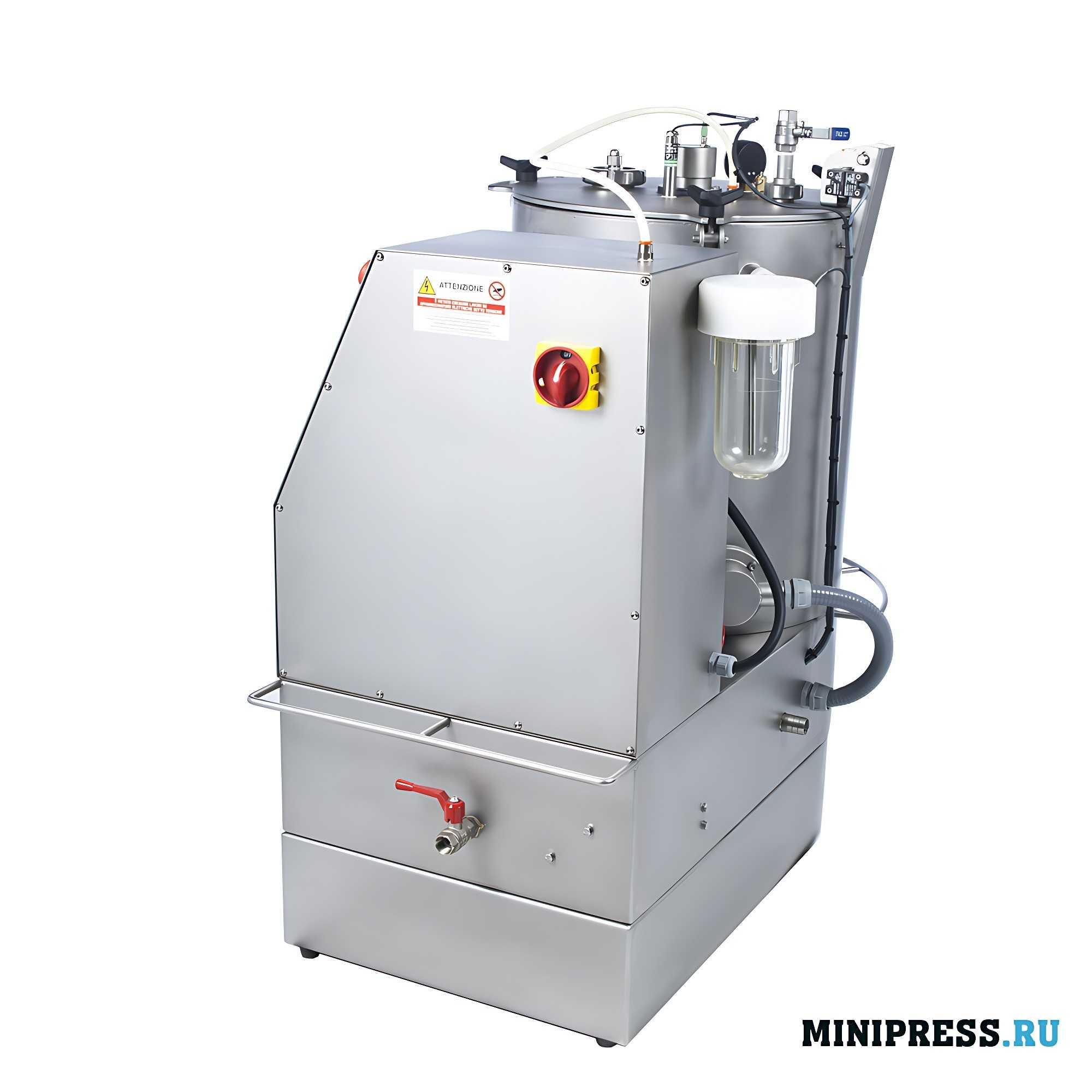
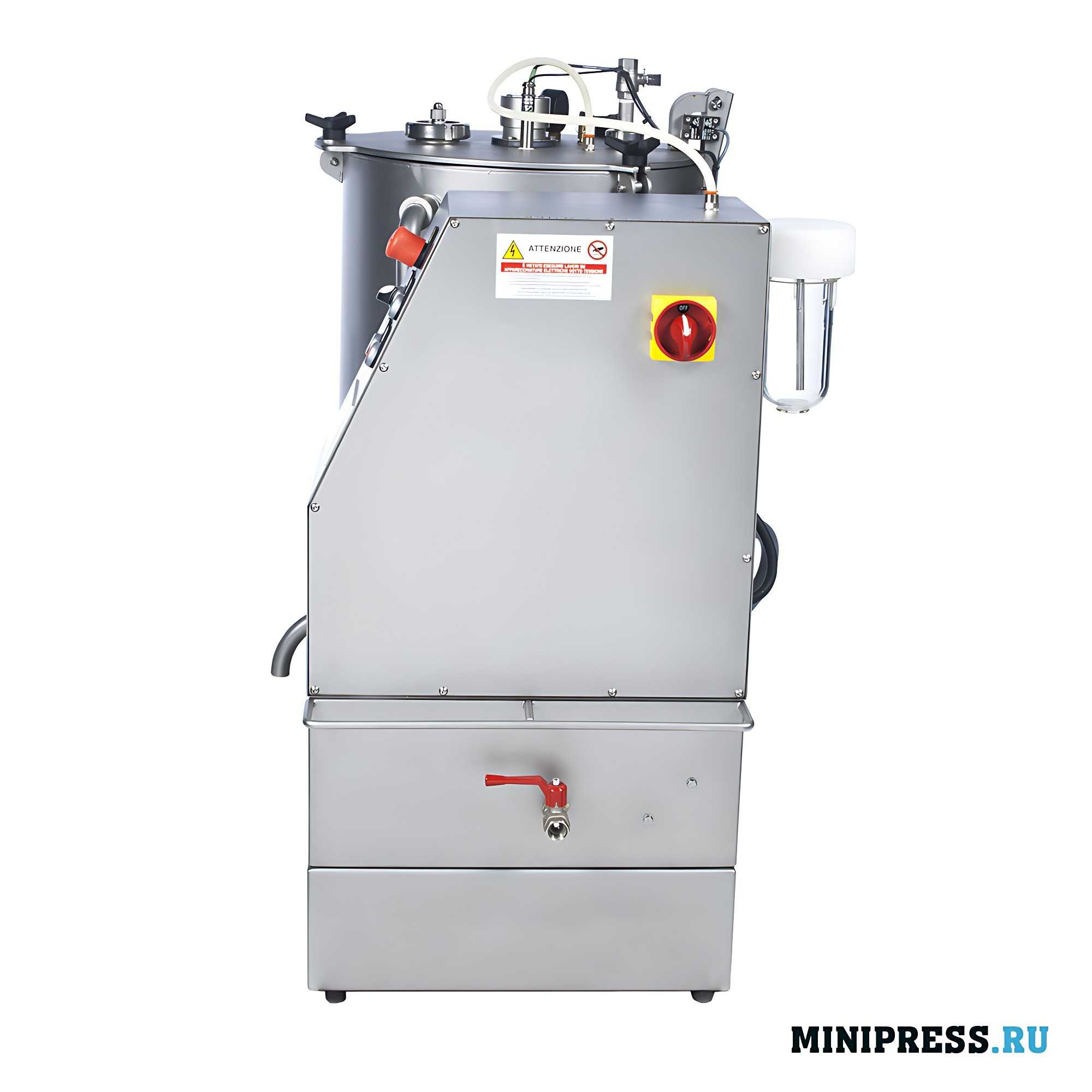
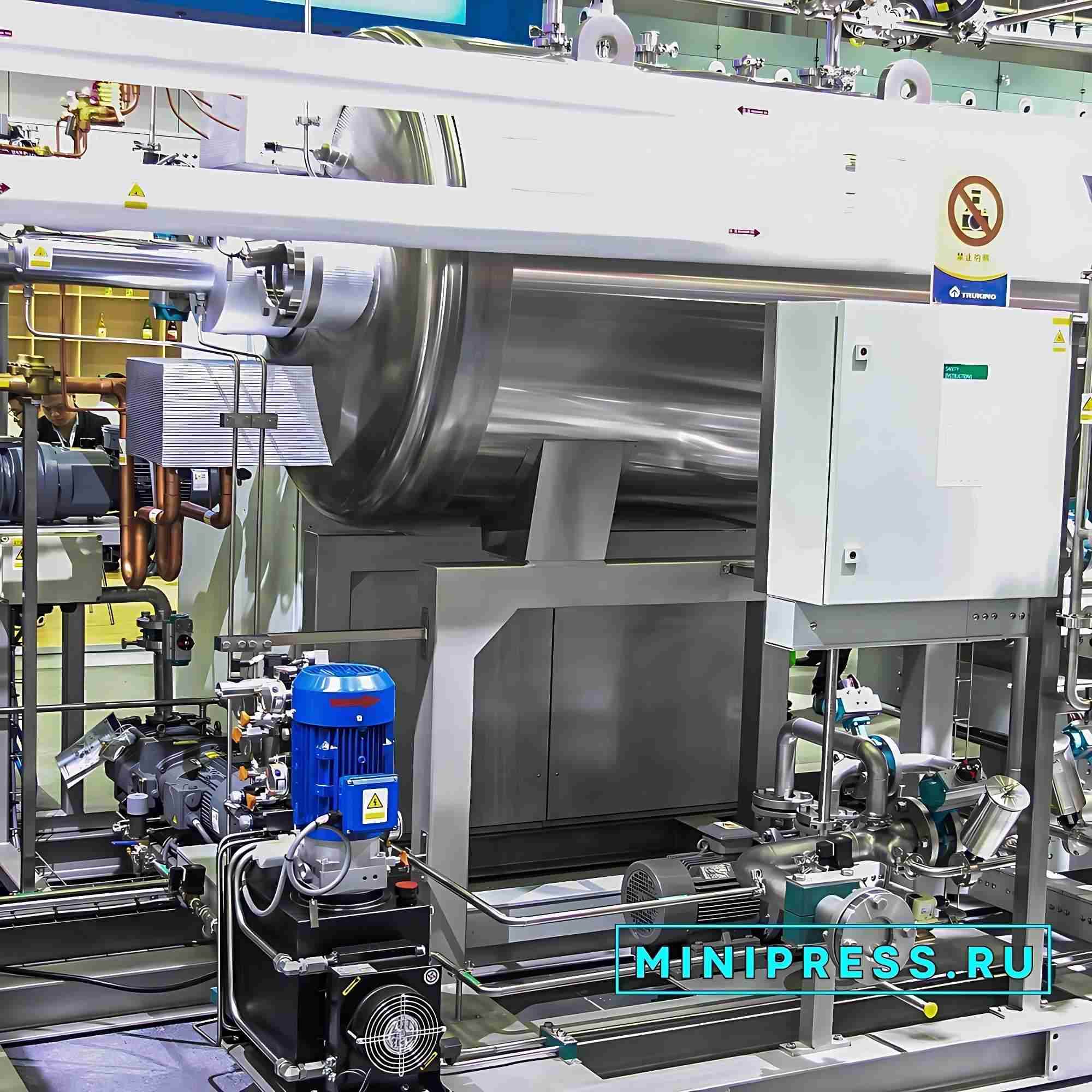
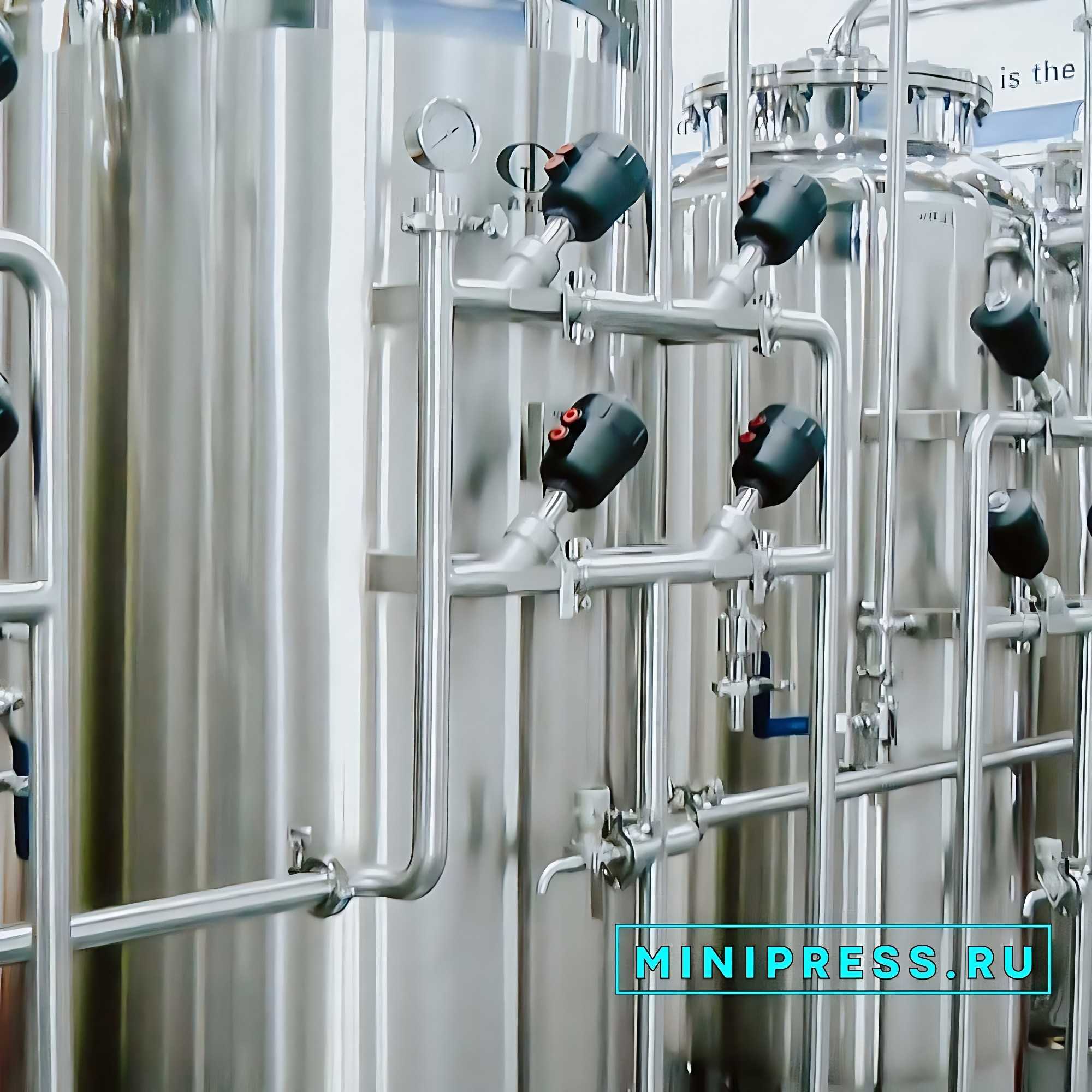
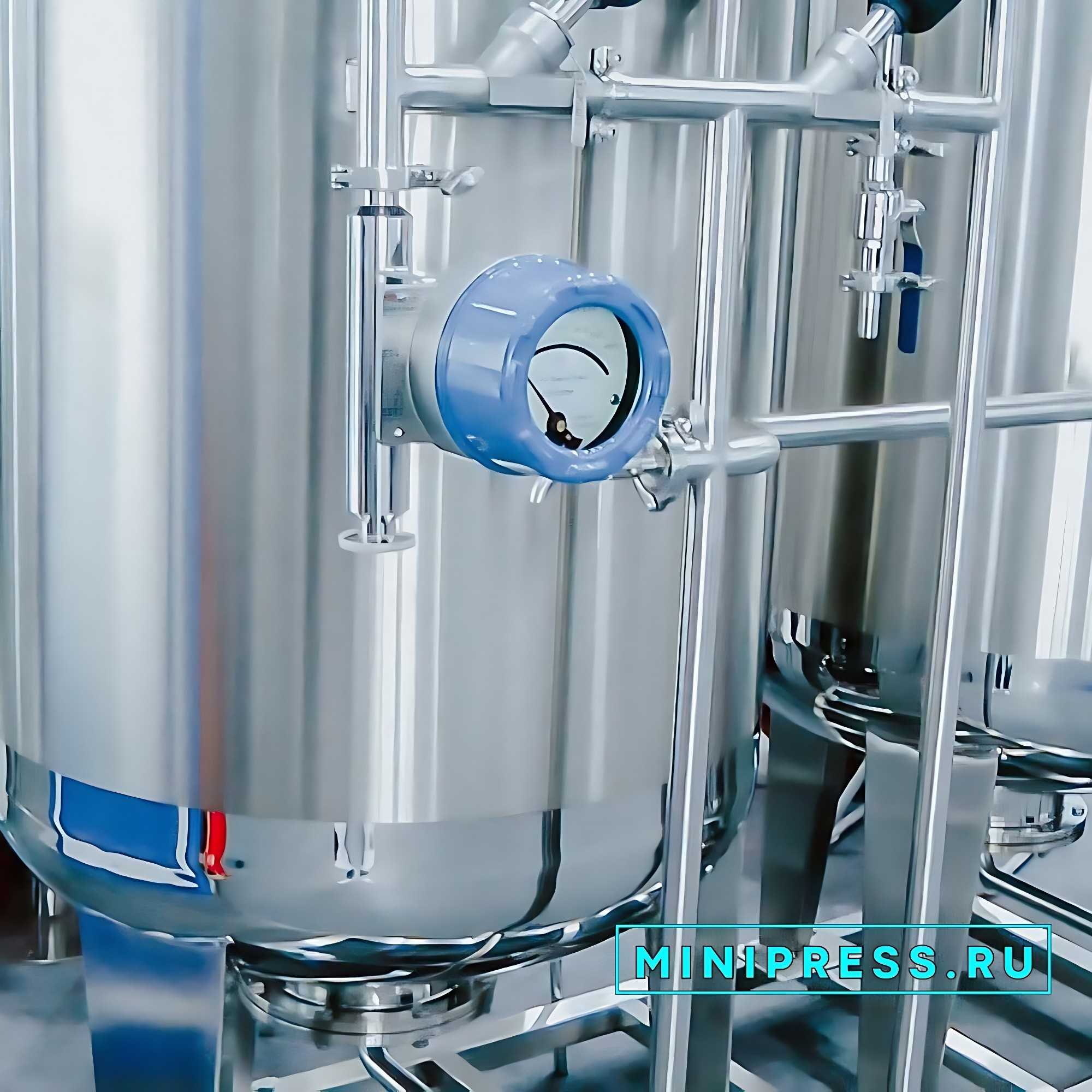
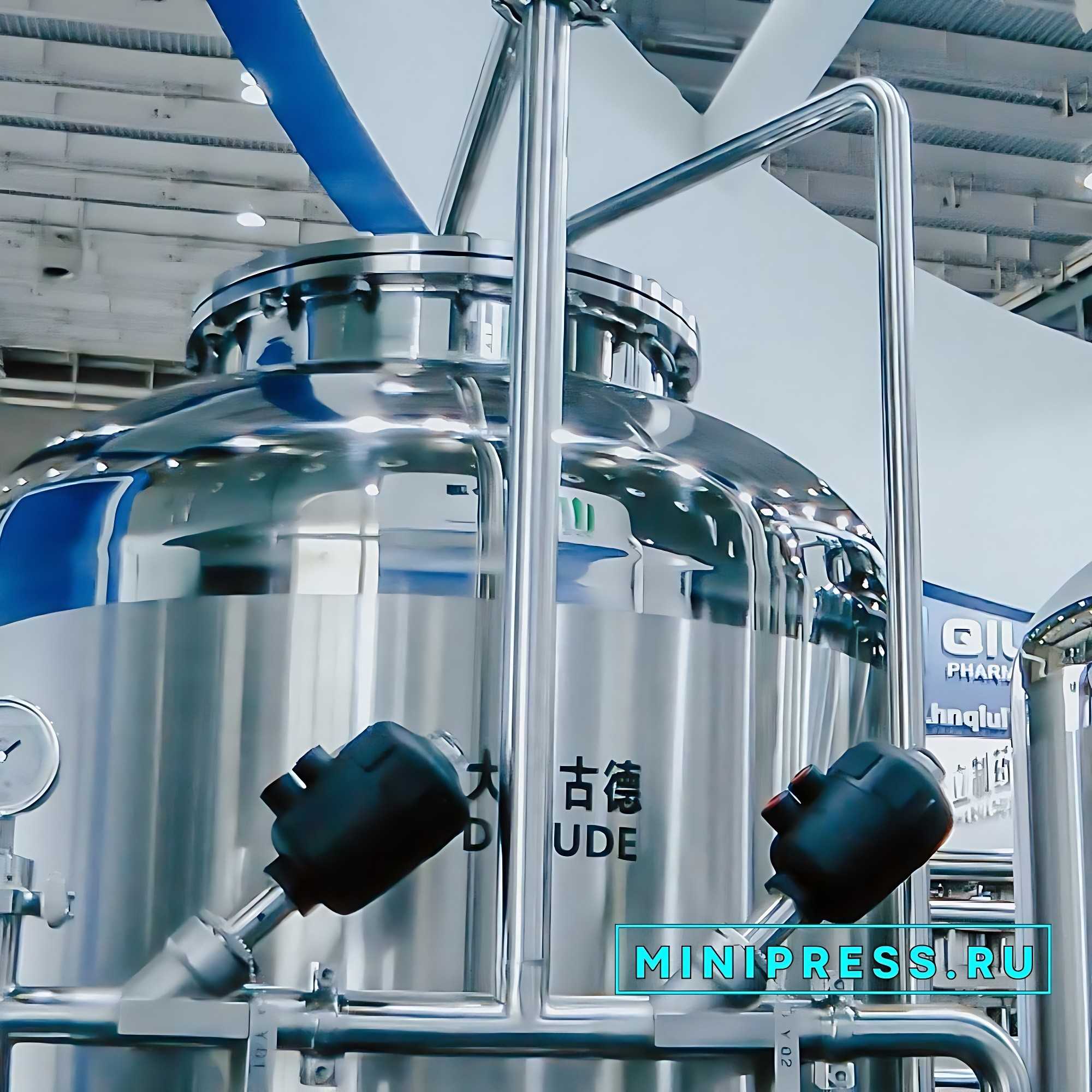
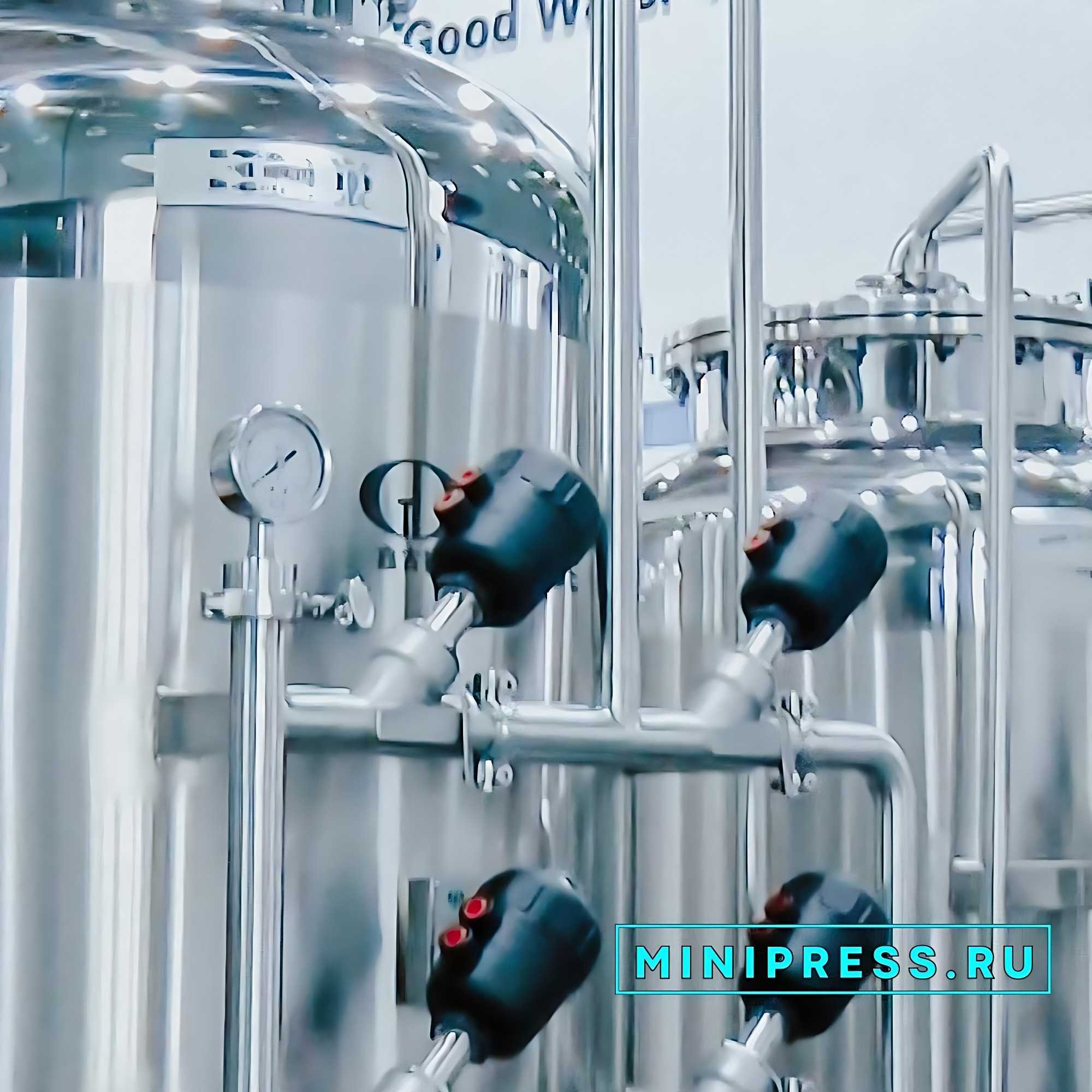
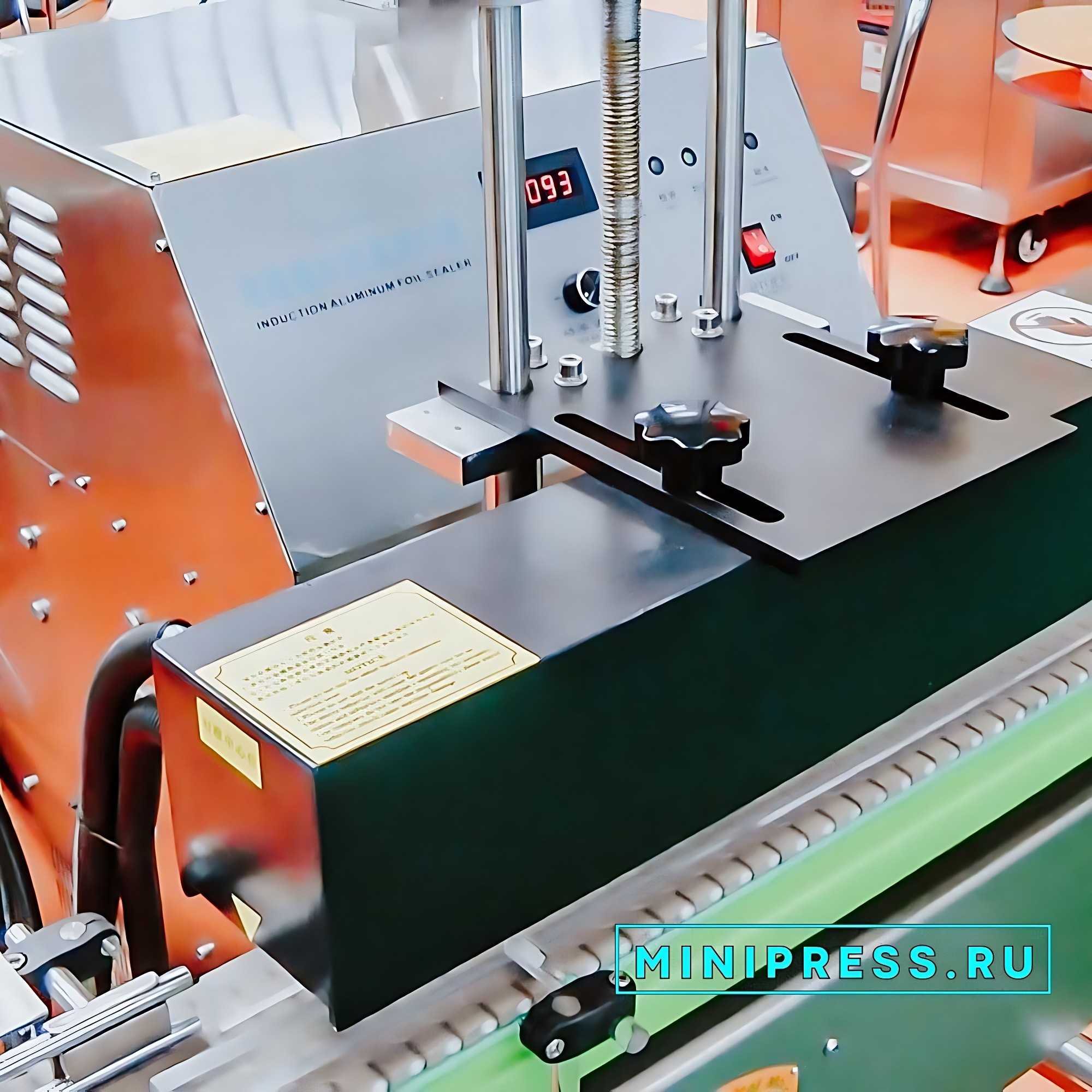
Valve-type plunger homogenizers are designed for one-, two- and three-stage homogenization.
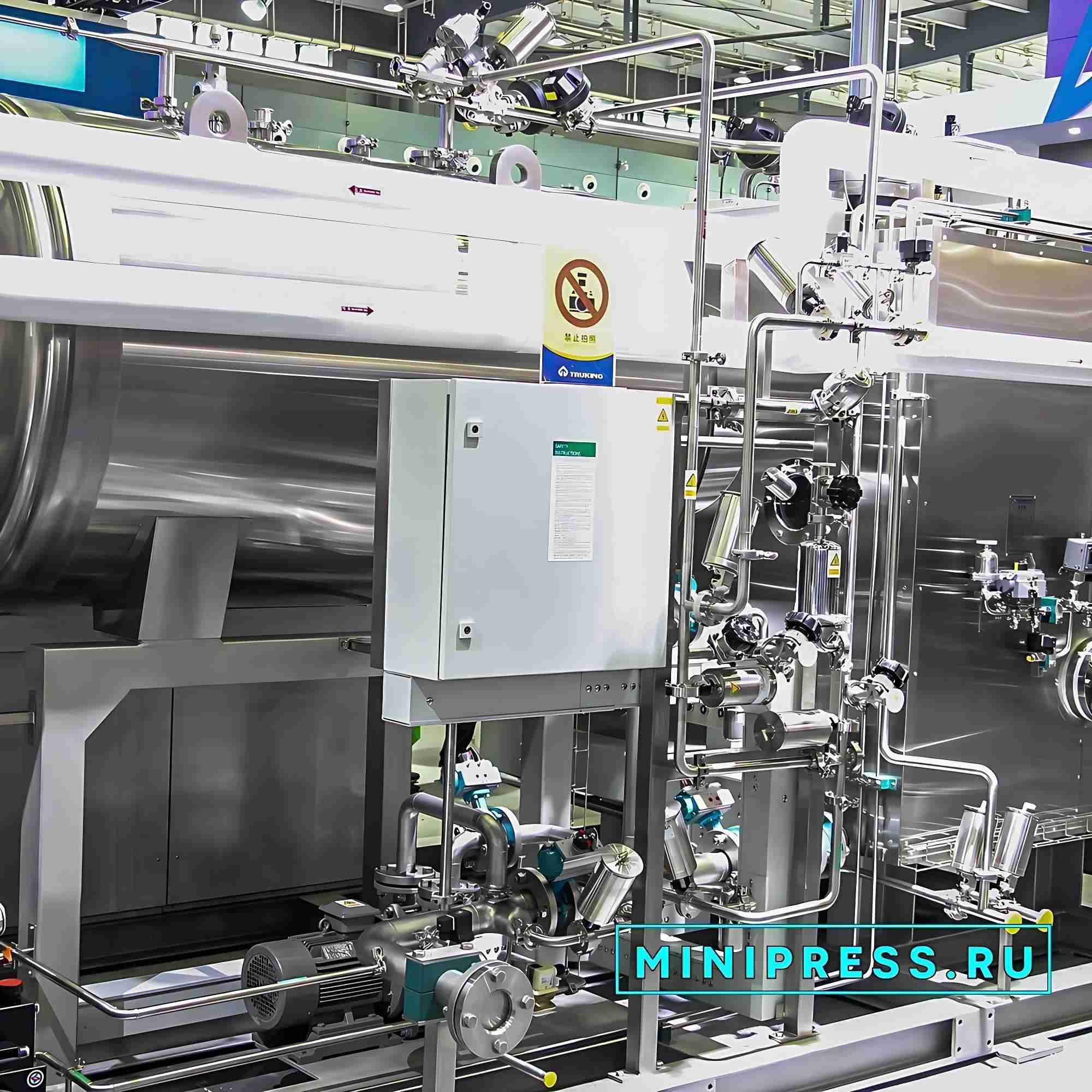
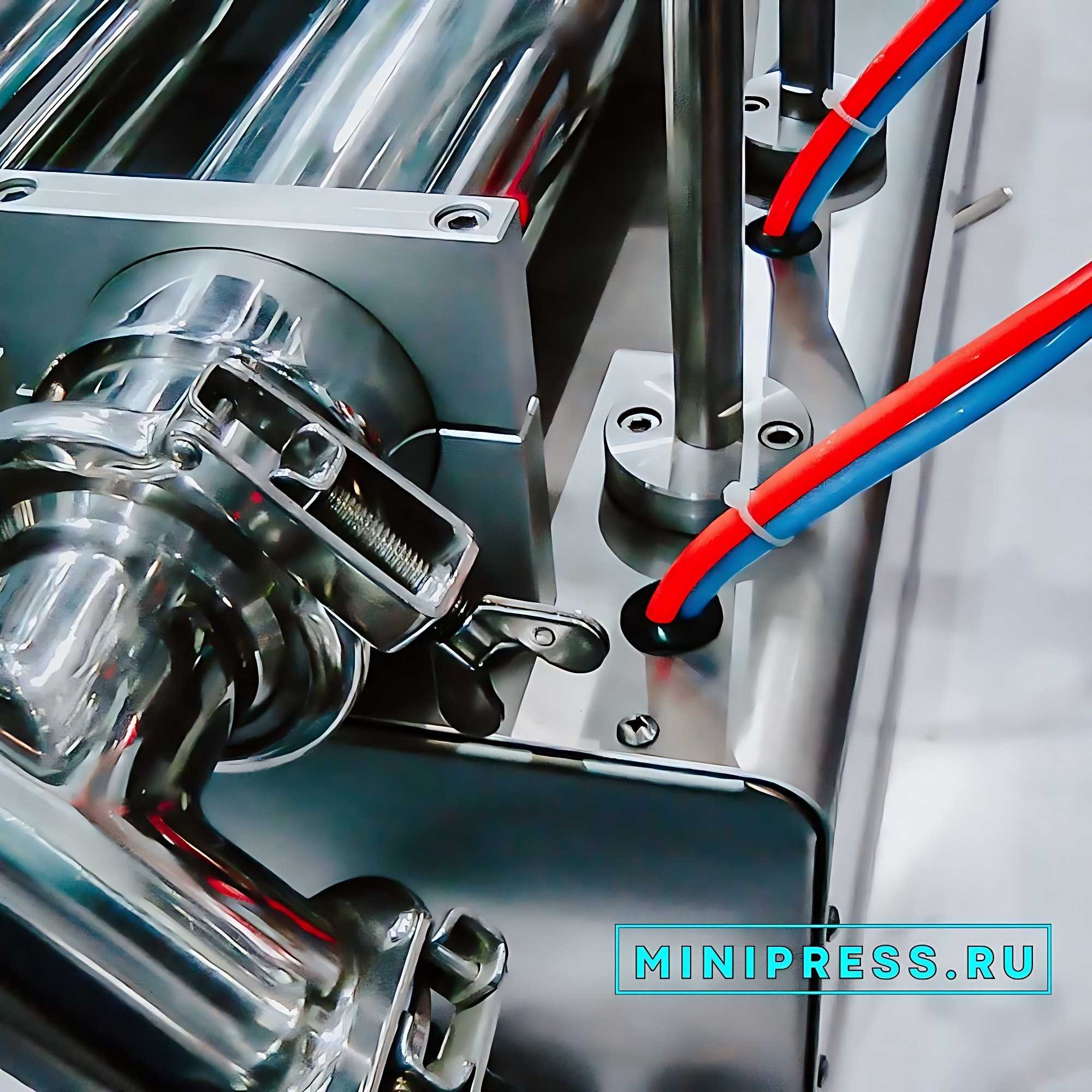
This process takes place in a special valve system, which is the center of the entire homogenization process. When passing through the smallest openings in the valve under high pressure and constant monitoring, the product finds itself in conditions of high turbulence, which is the most effective mechanism for dividing into particles. The degree of fragmentation depends on the hydraulic conditions in the valve slot area.
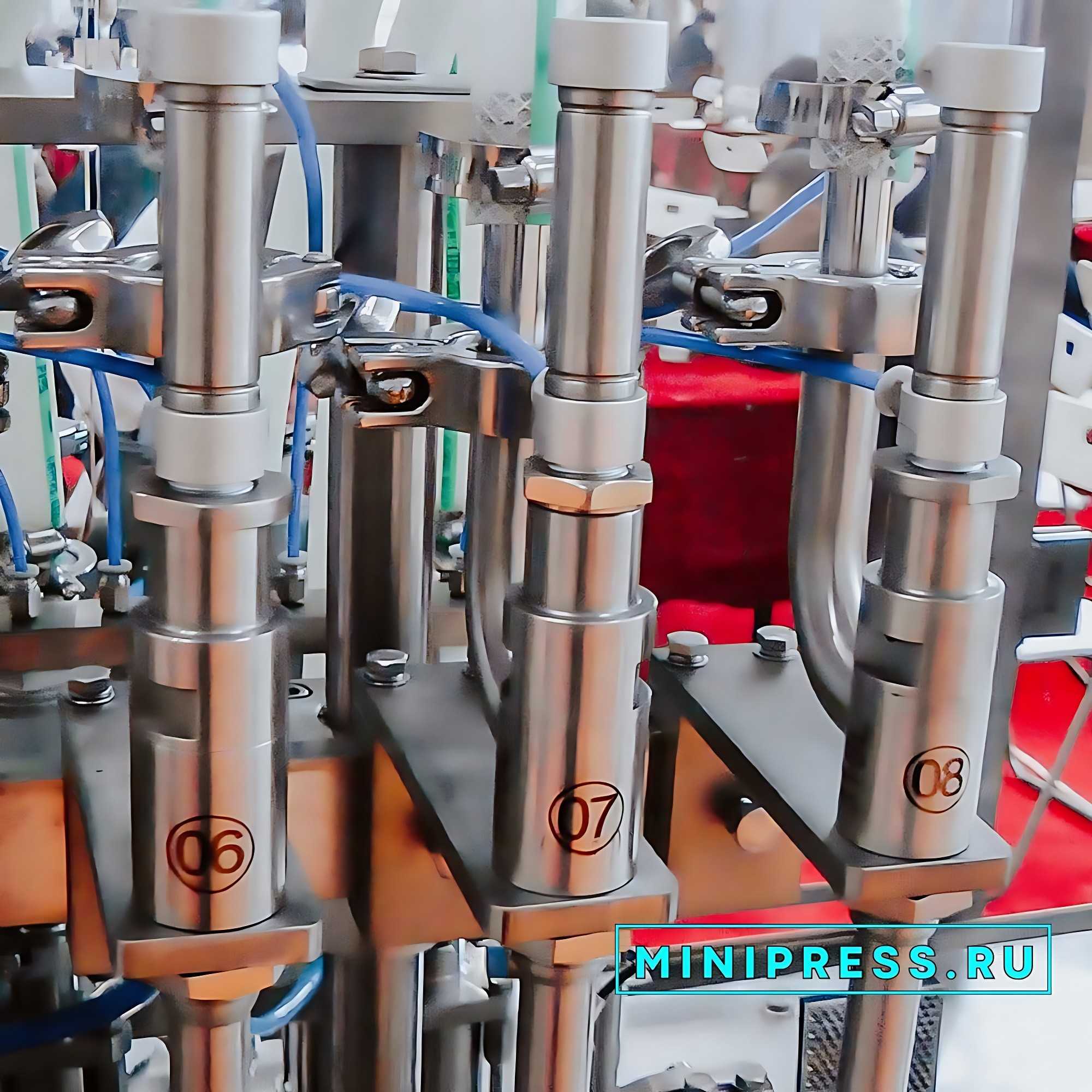
These conditions are mainly determined by the homogenization pressure, which determines the speed of movement of the ointment in the valve slot and its height, which determines the hydraulic radius of the flow. Valve-type homogenizers use multi-plunger high-pressure pumps with three, five and even seven plungers. When the plunger moves to the left, the ointment passes into the cylinder through the suction valve, and when the plunger moves to the right, it is pushed through the discharge valve into the chamber on which the pressure gauge is installed for pressure control.
Next, the ointment is sent through the channel to the homogenizing head, in which the valve rises, pre...
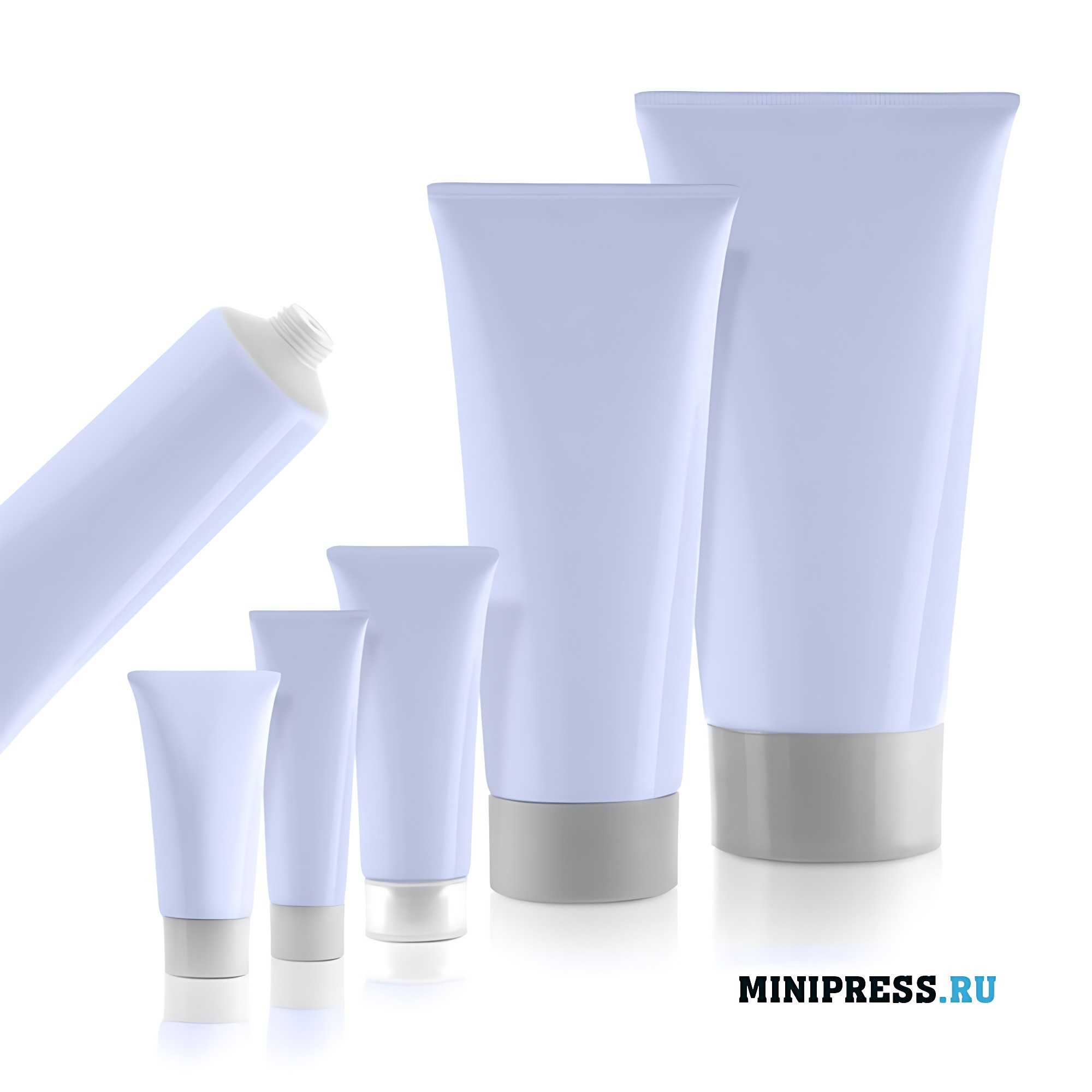
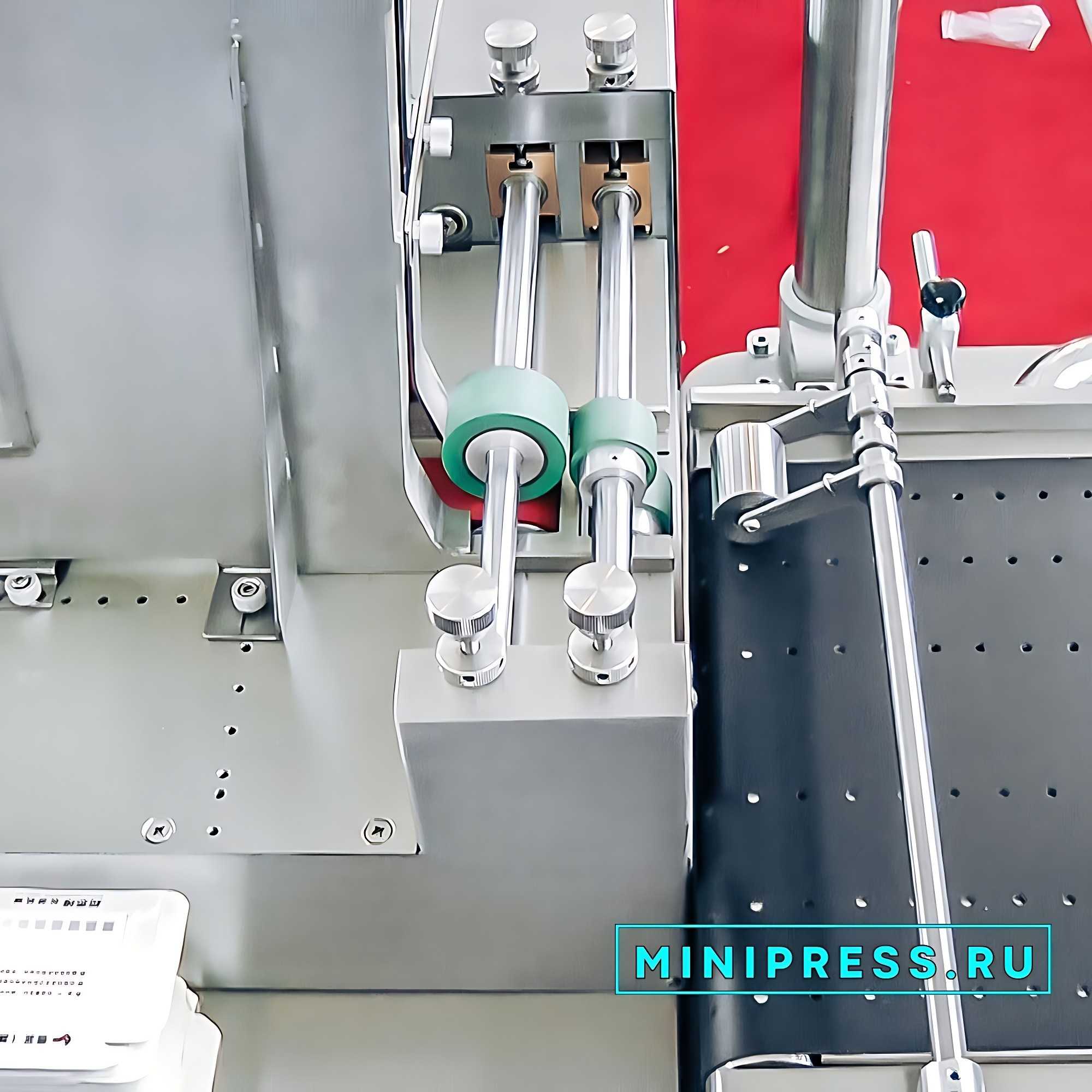
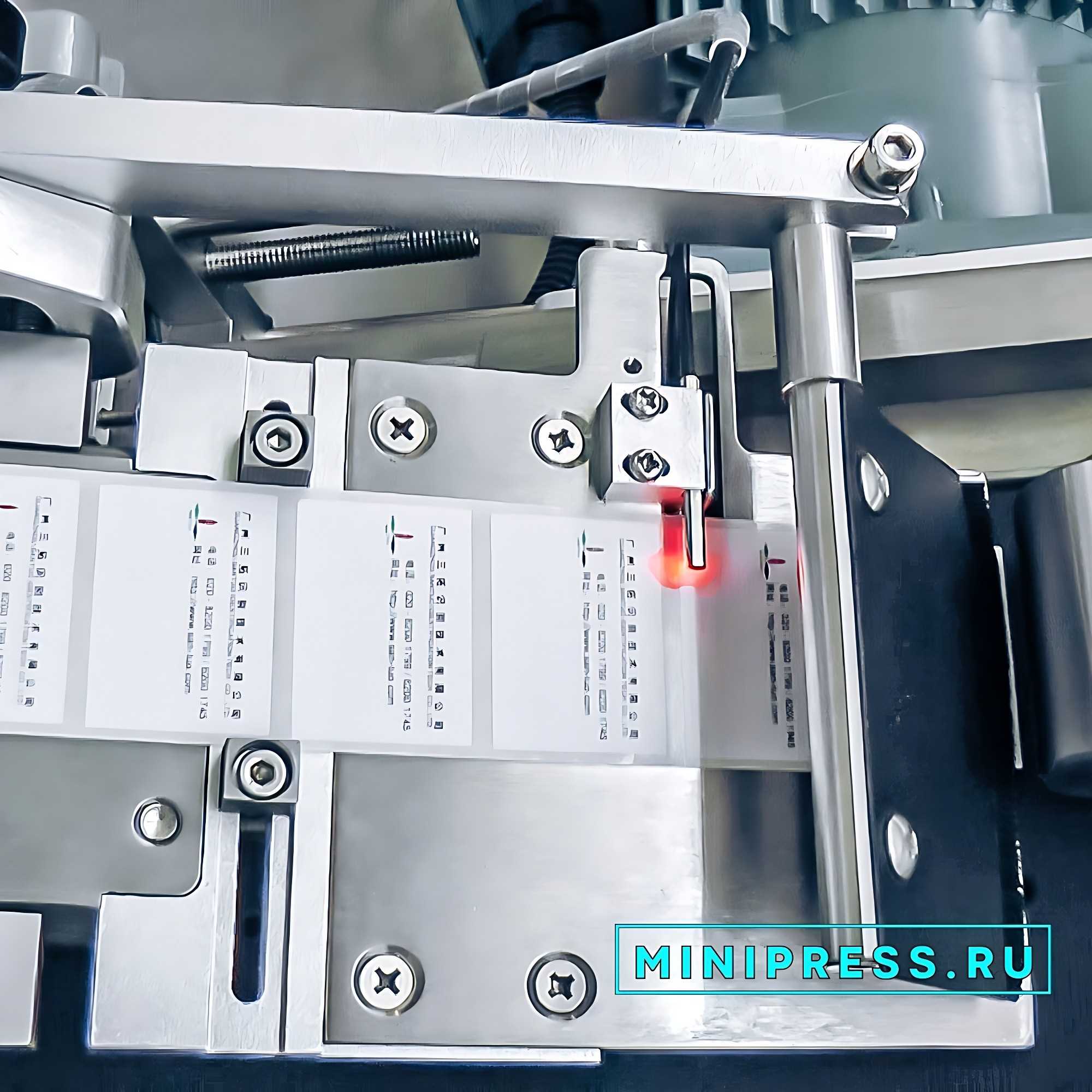
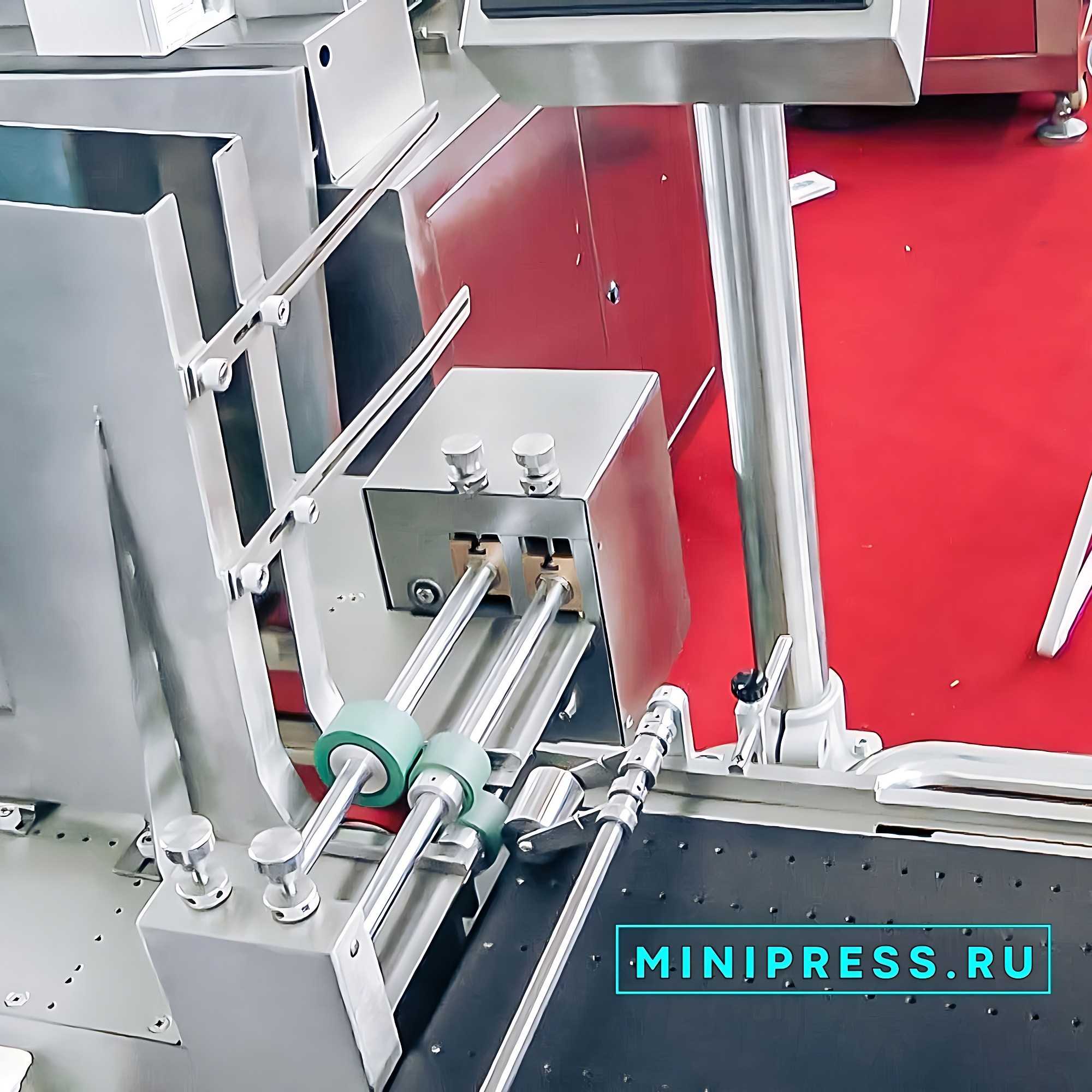
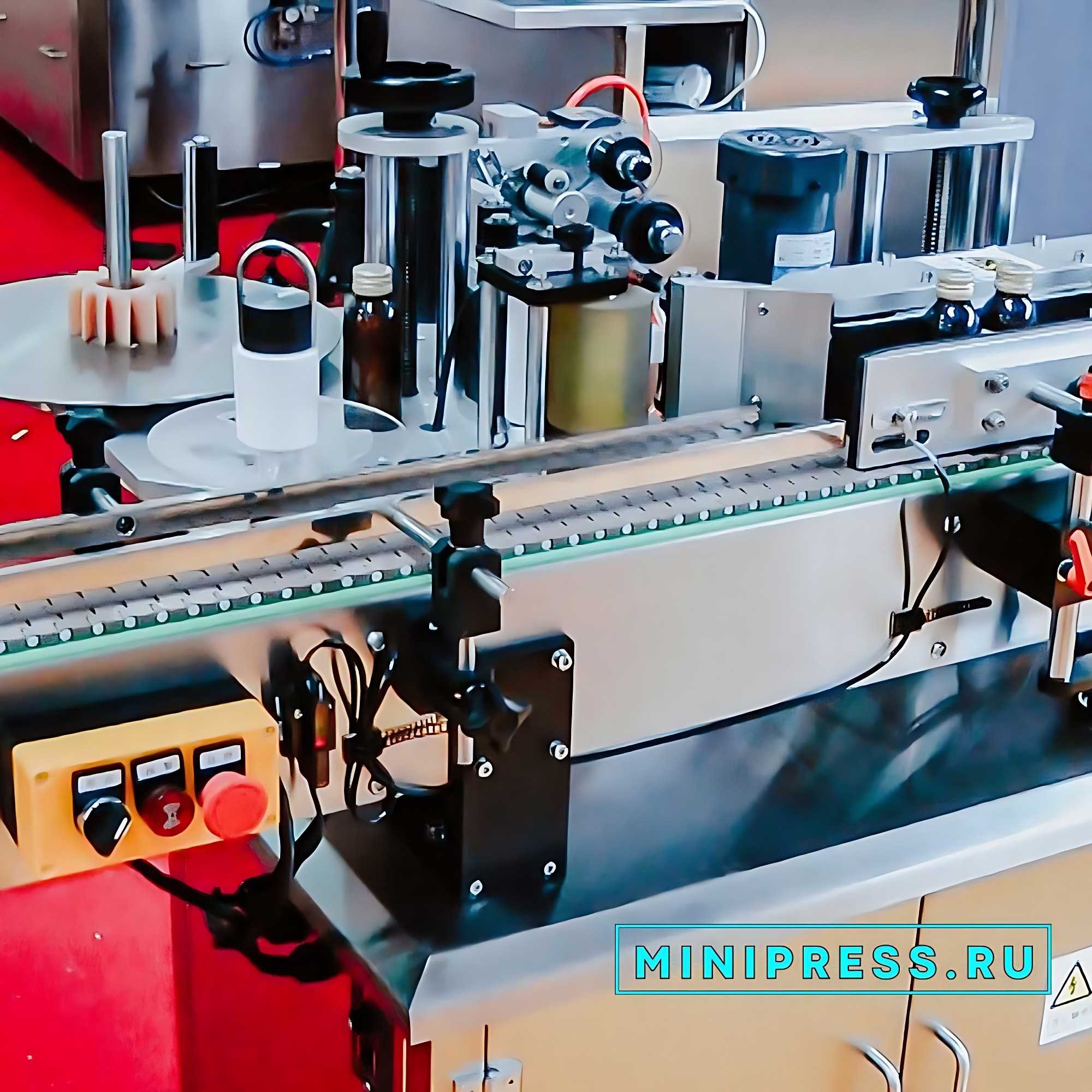
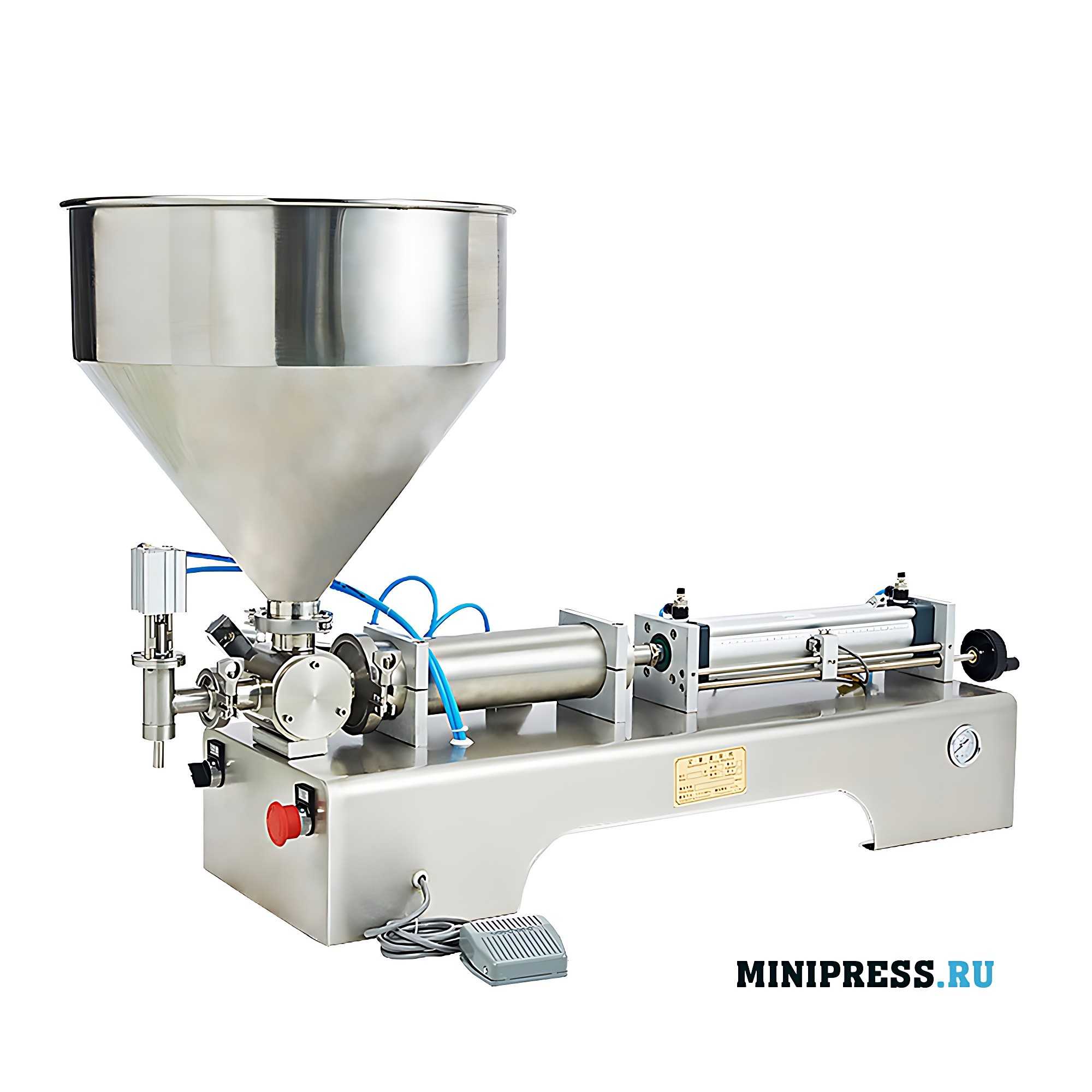
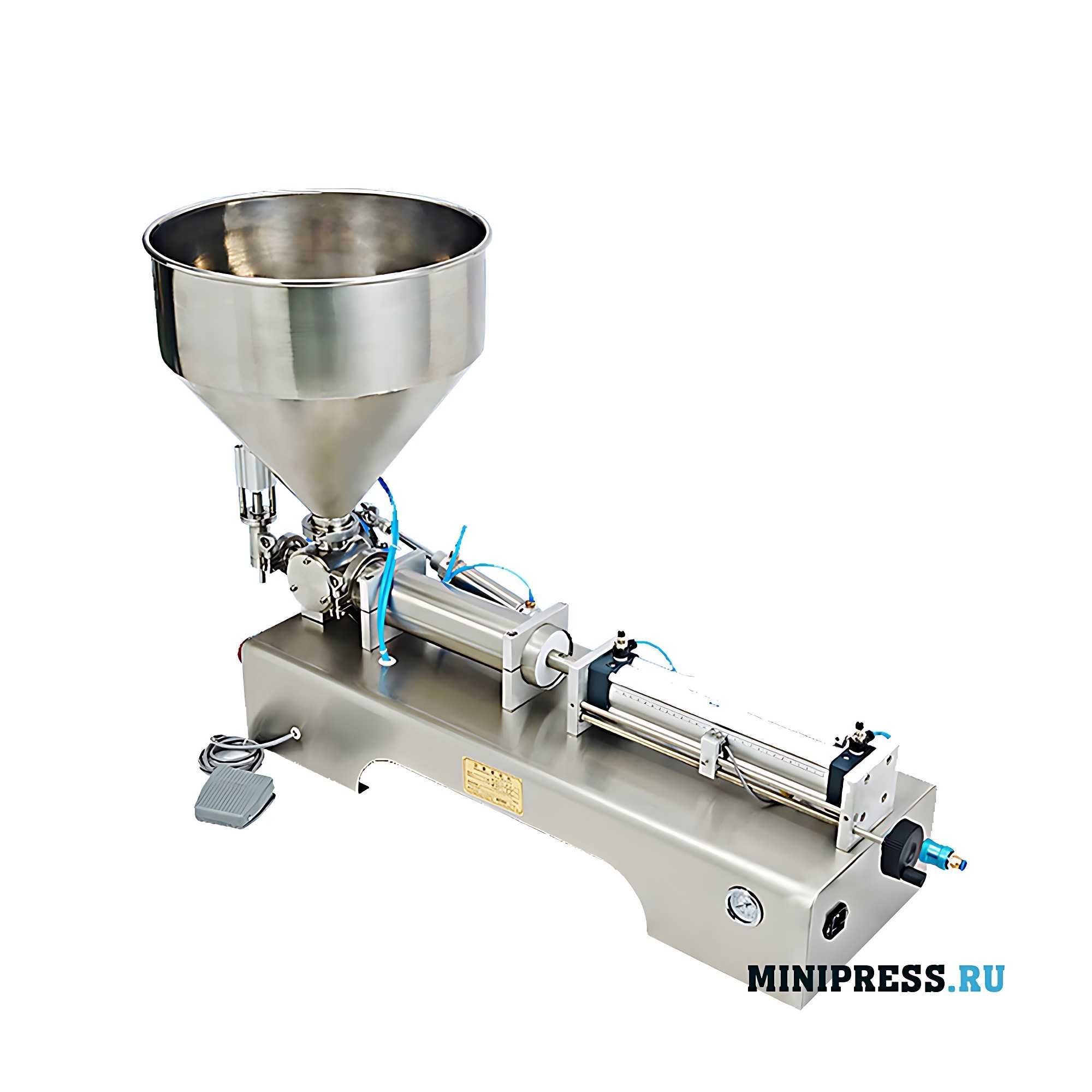
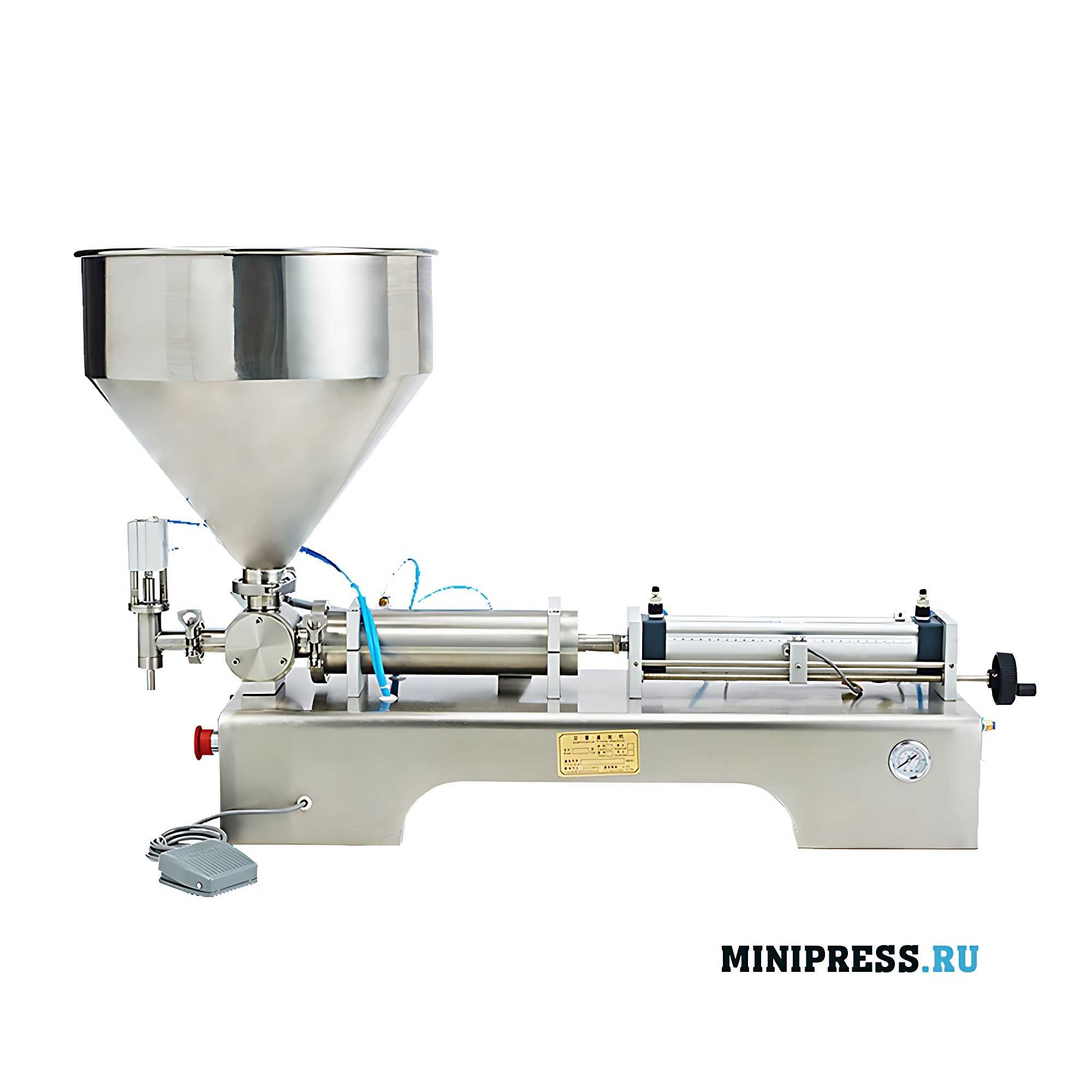
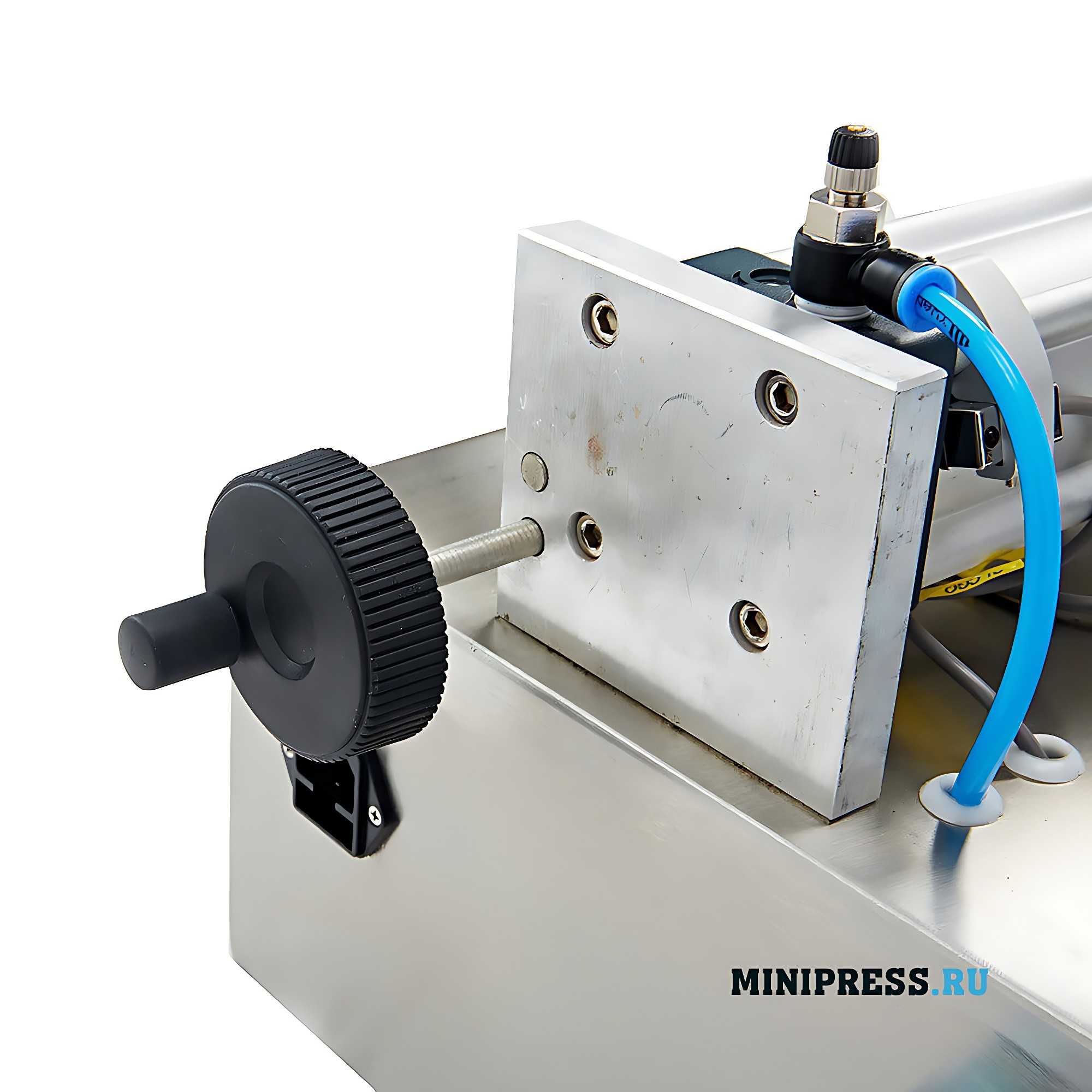
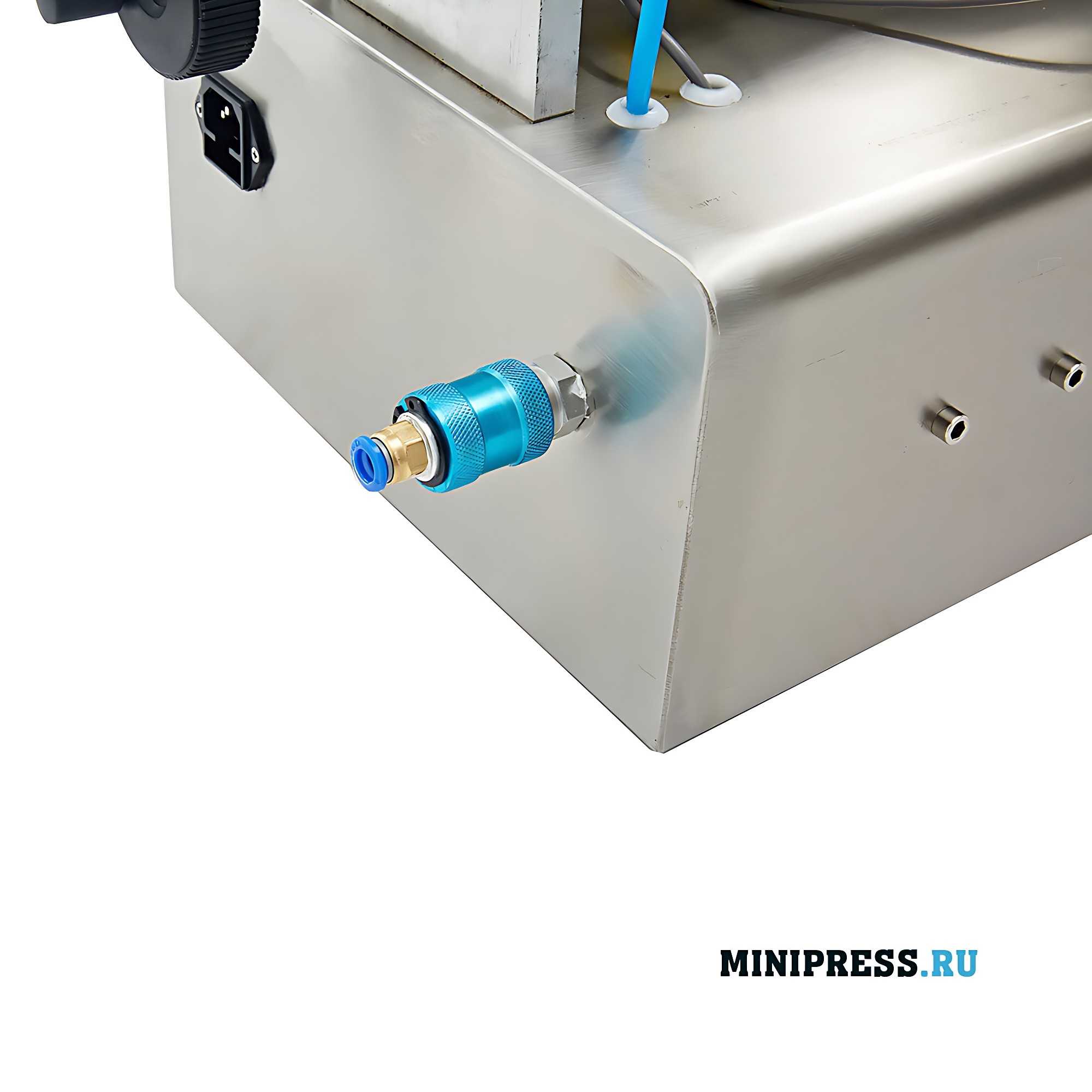
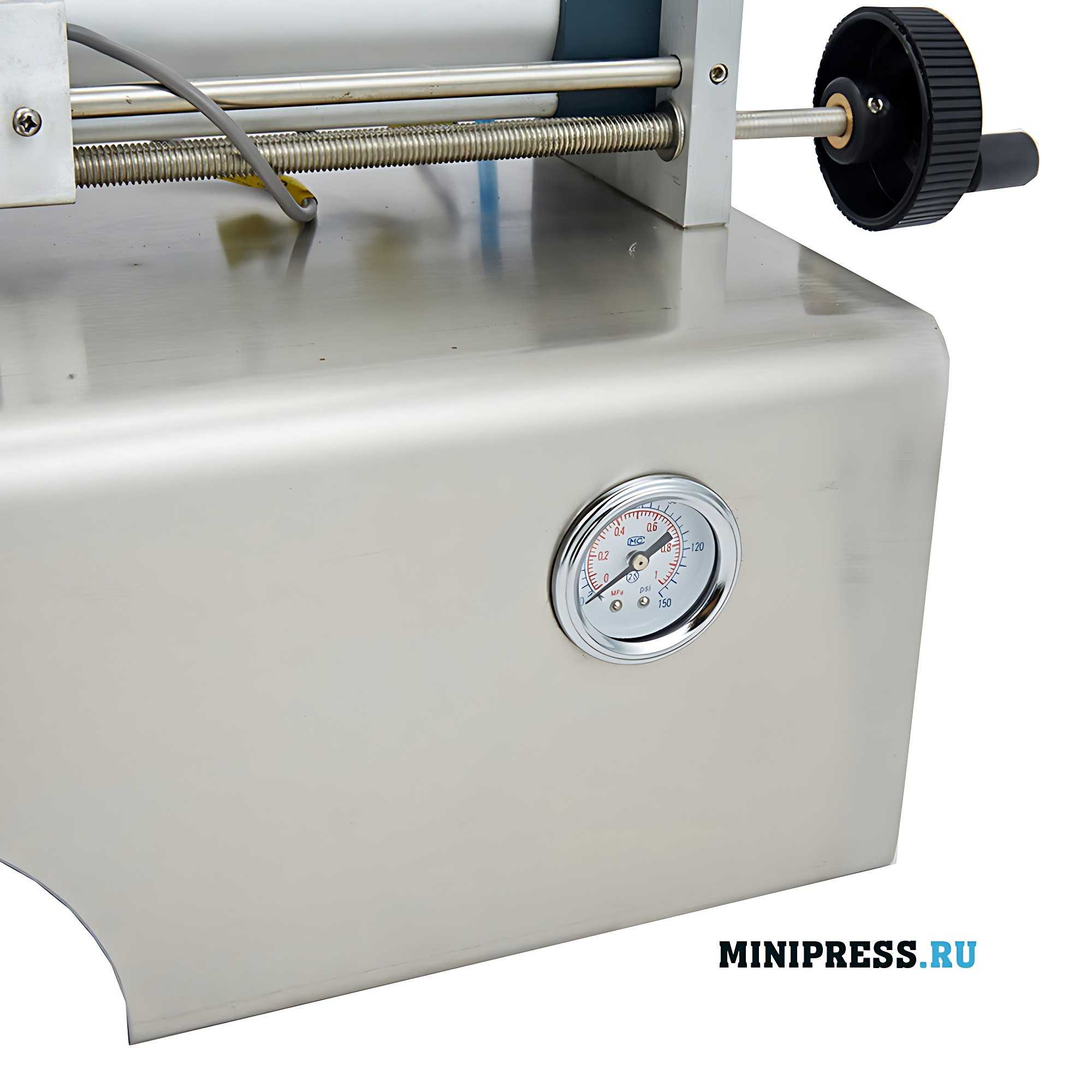
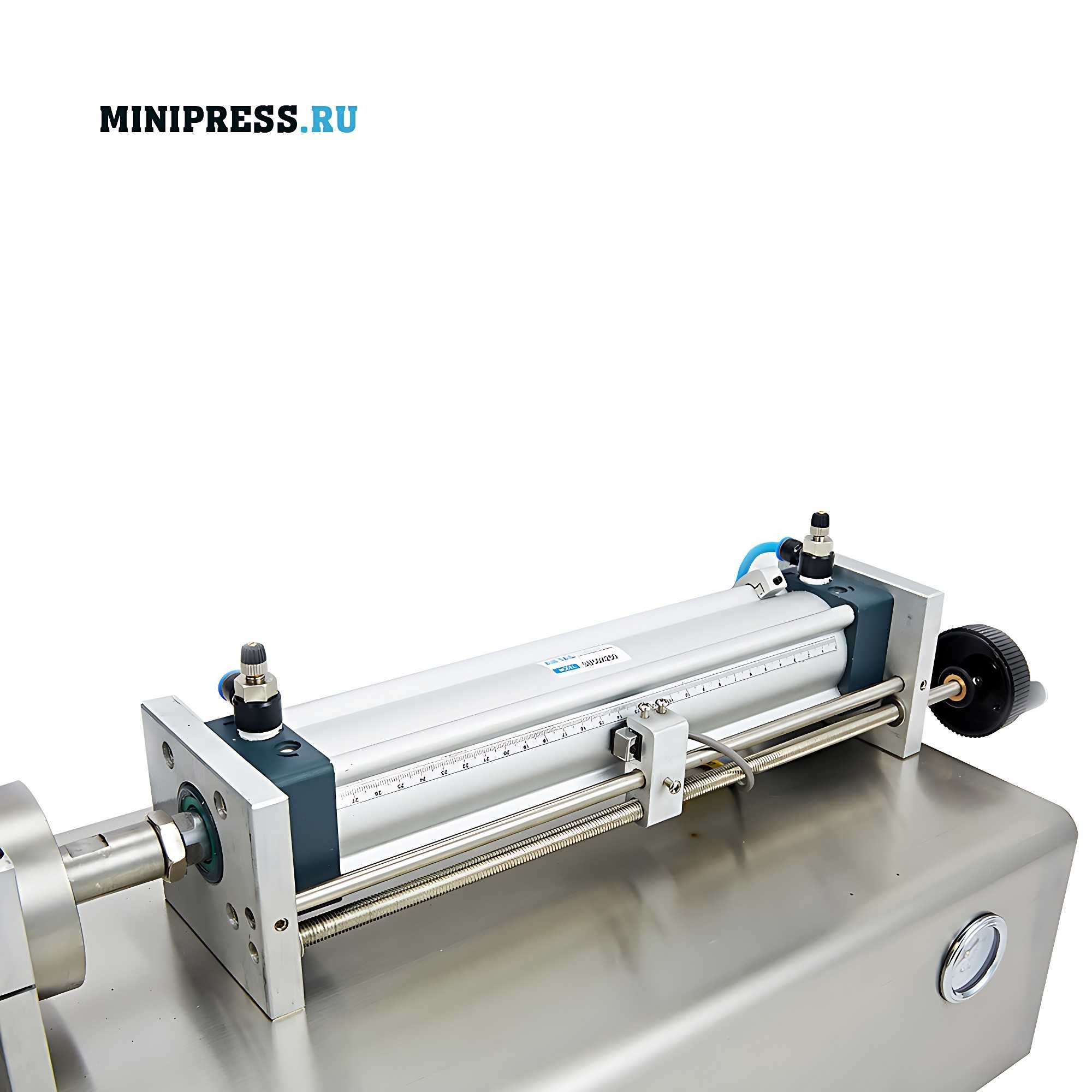
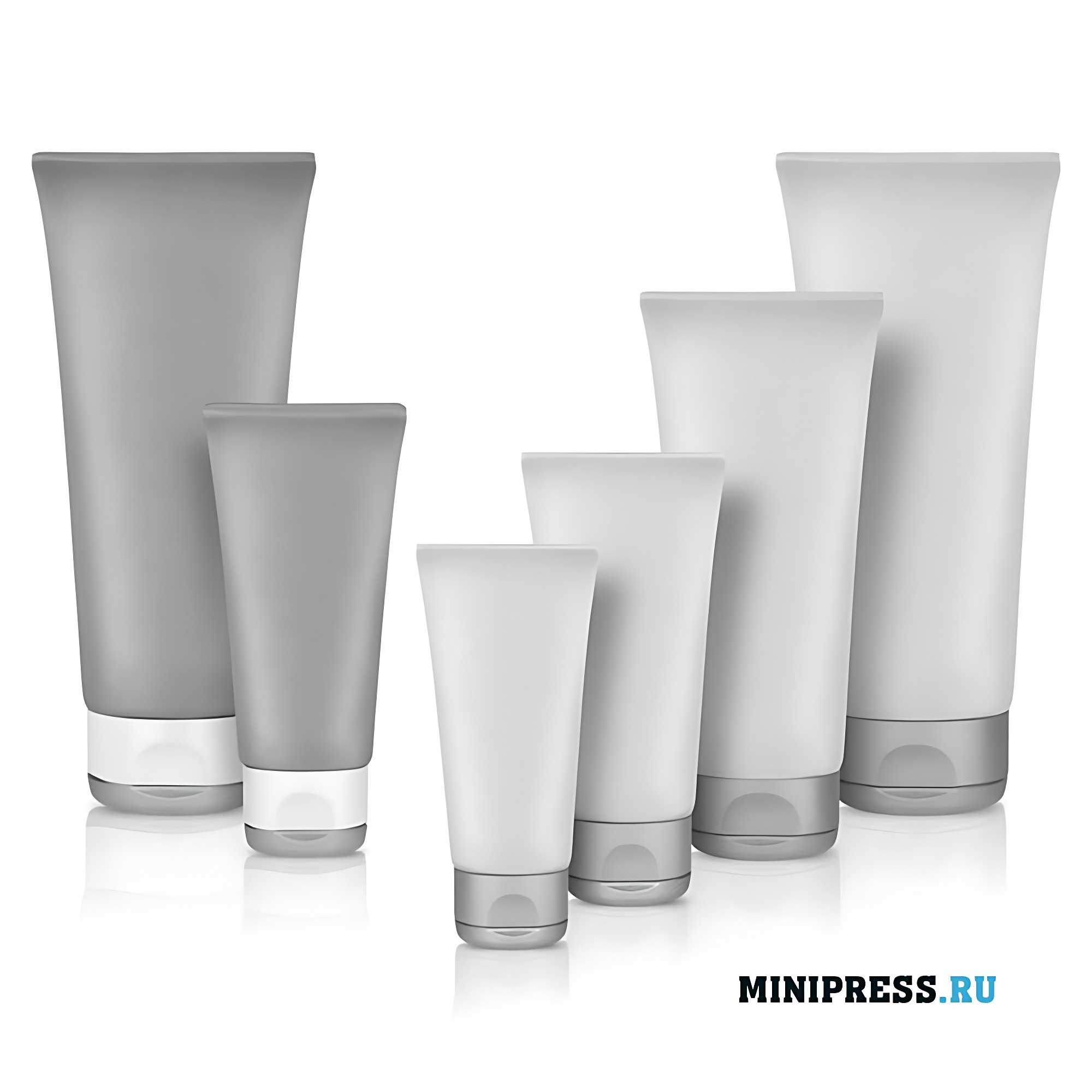
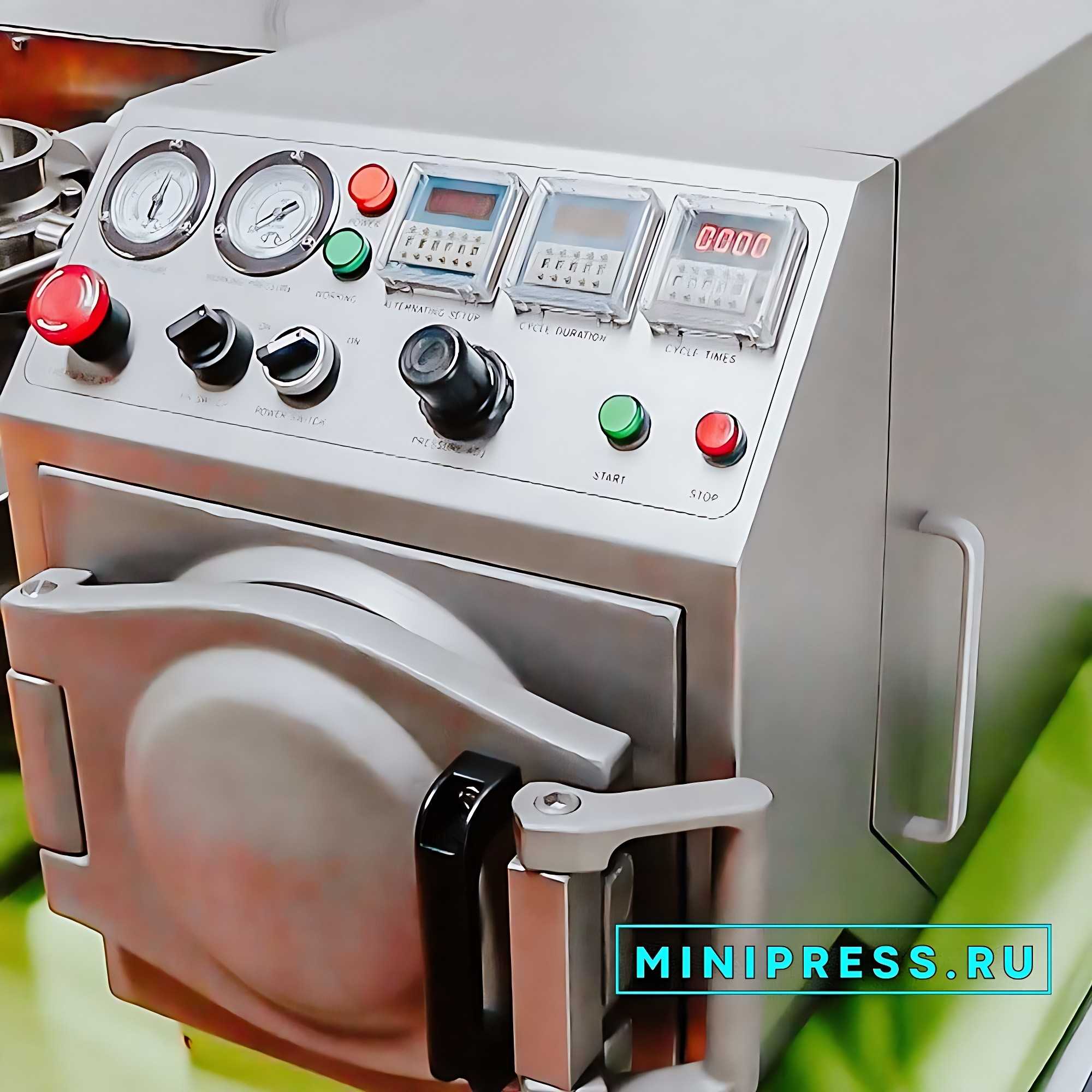
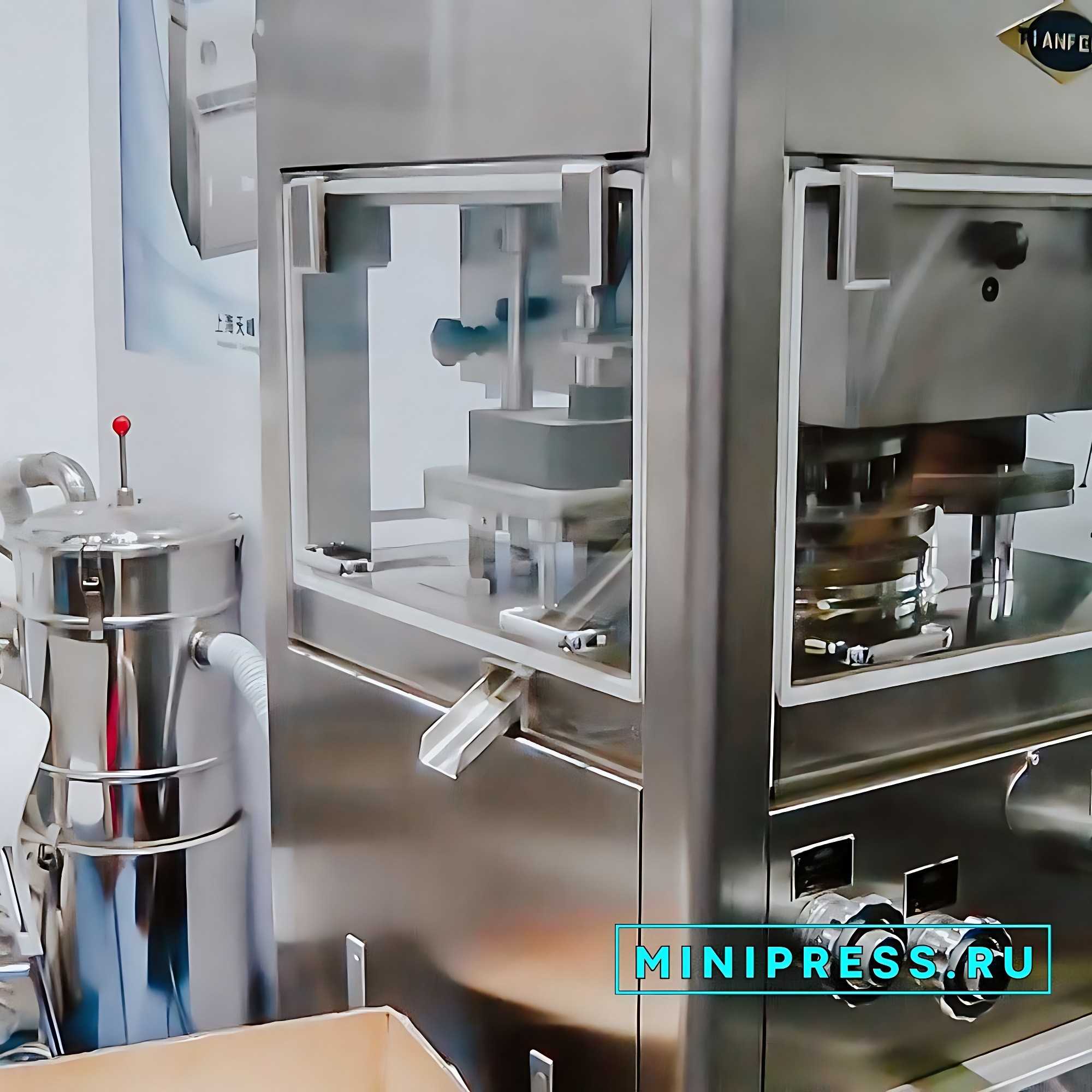
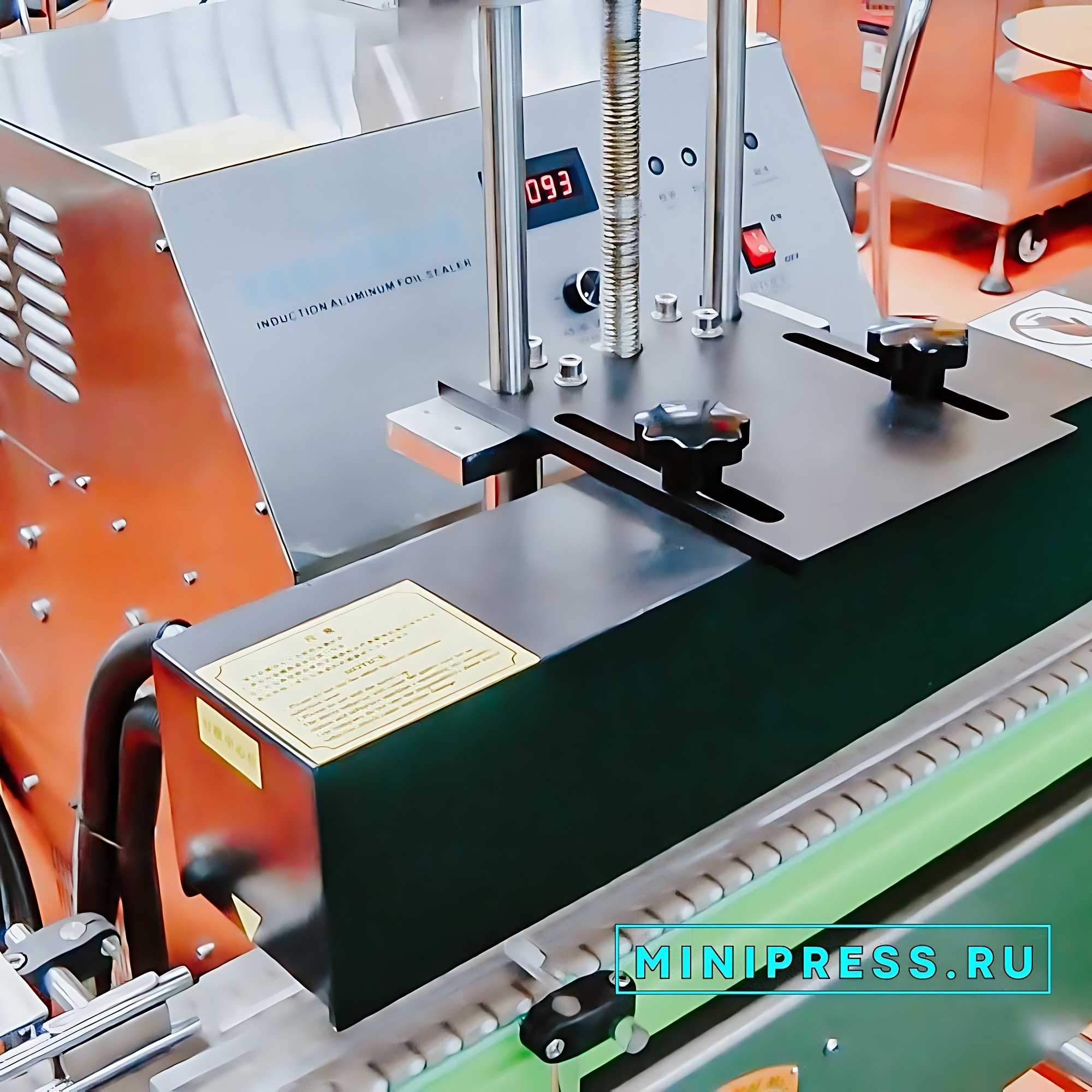
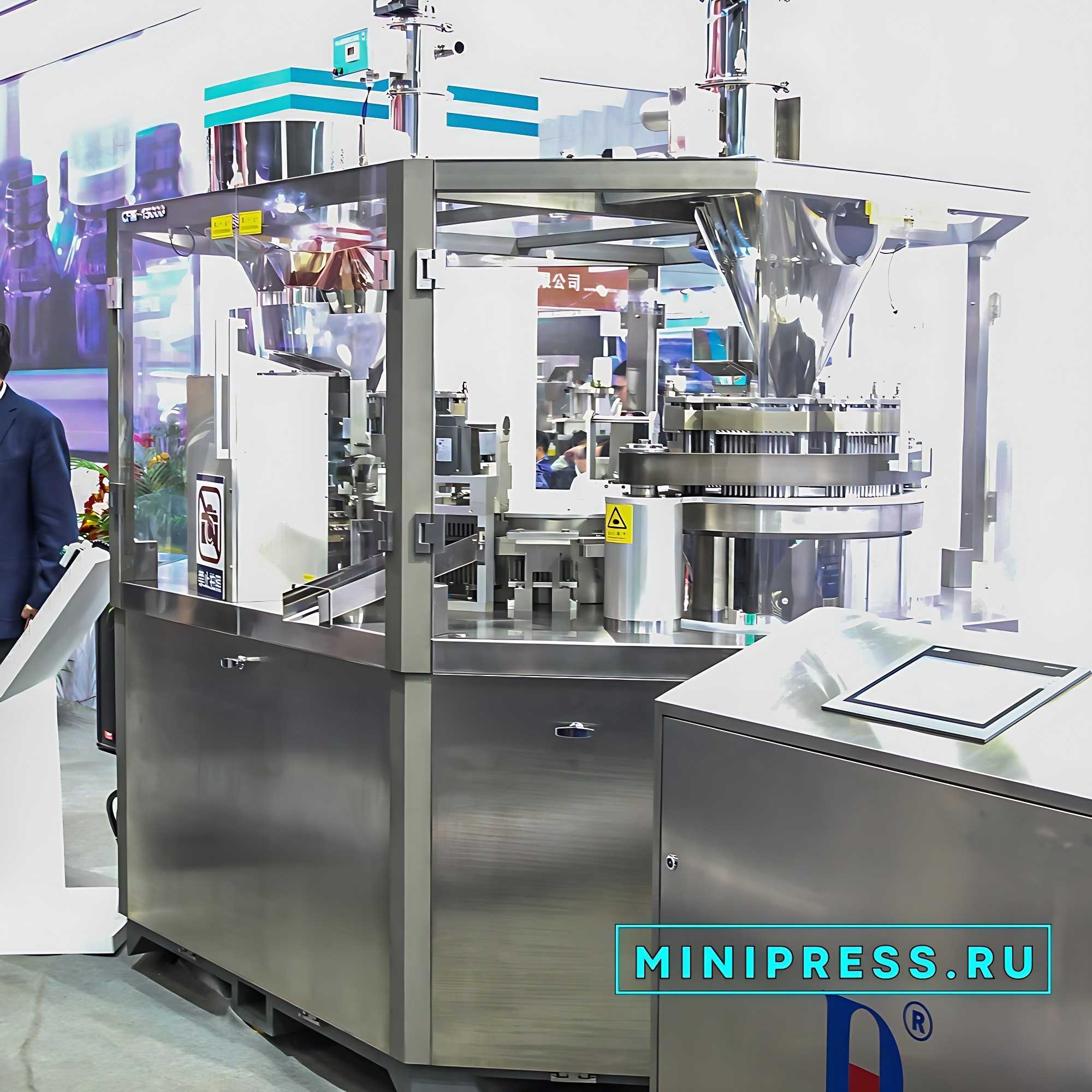
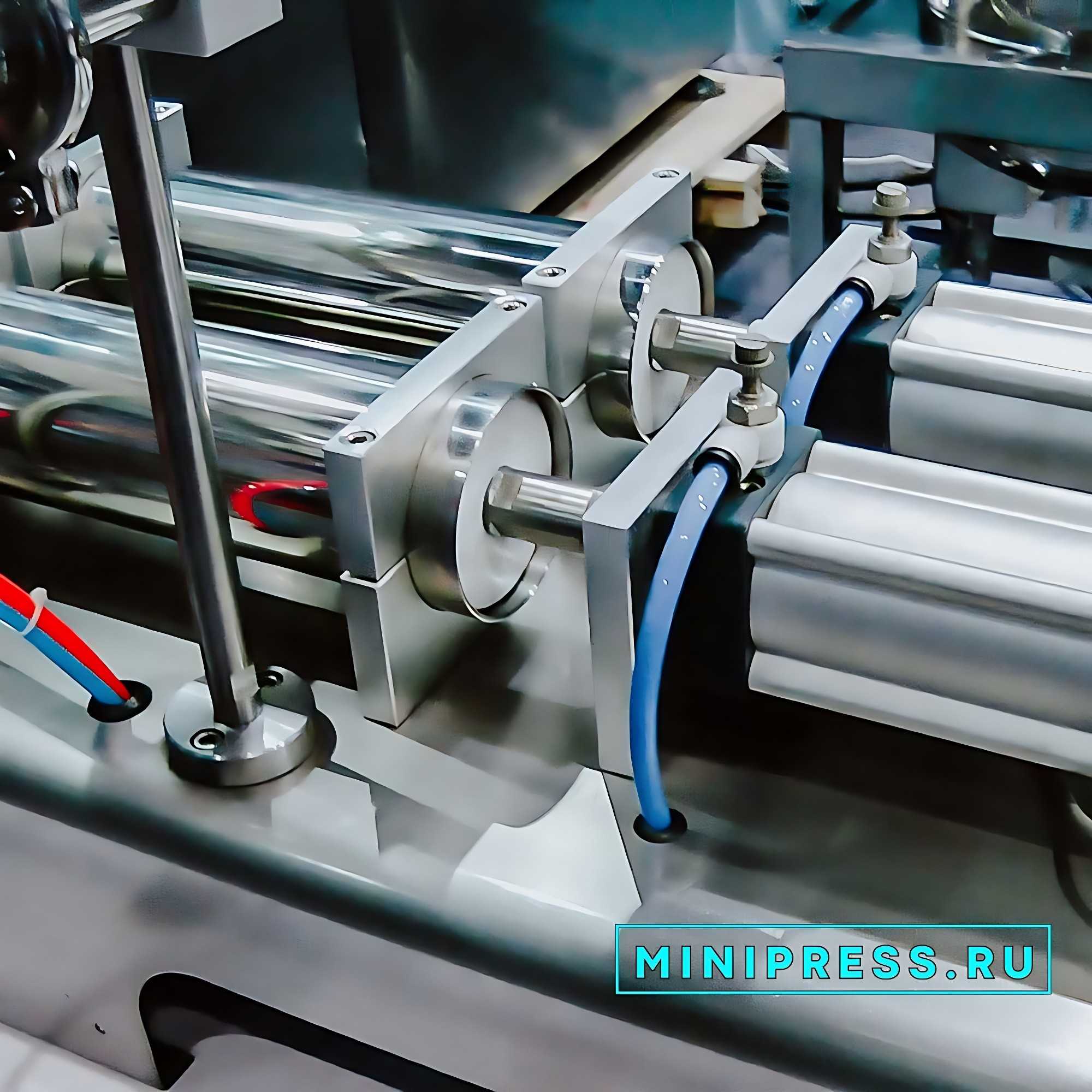
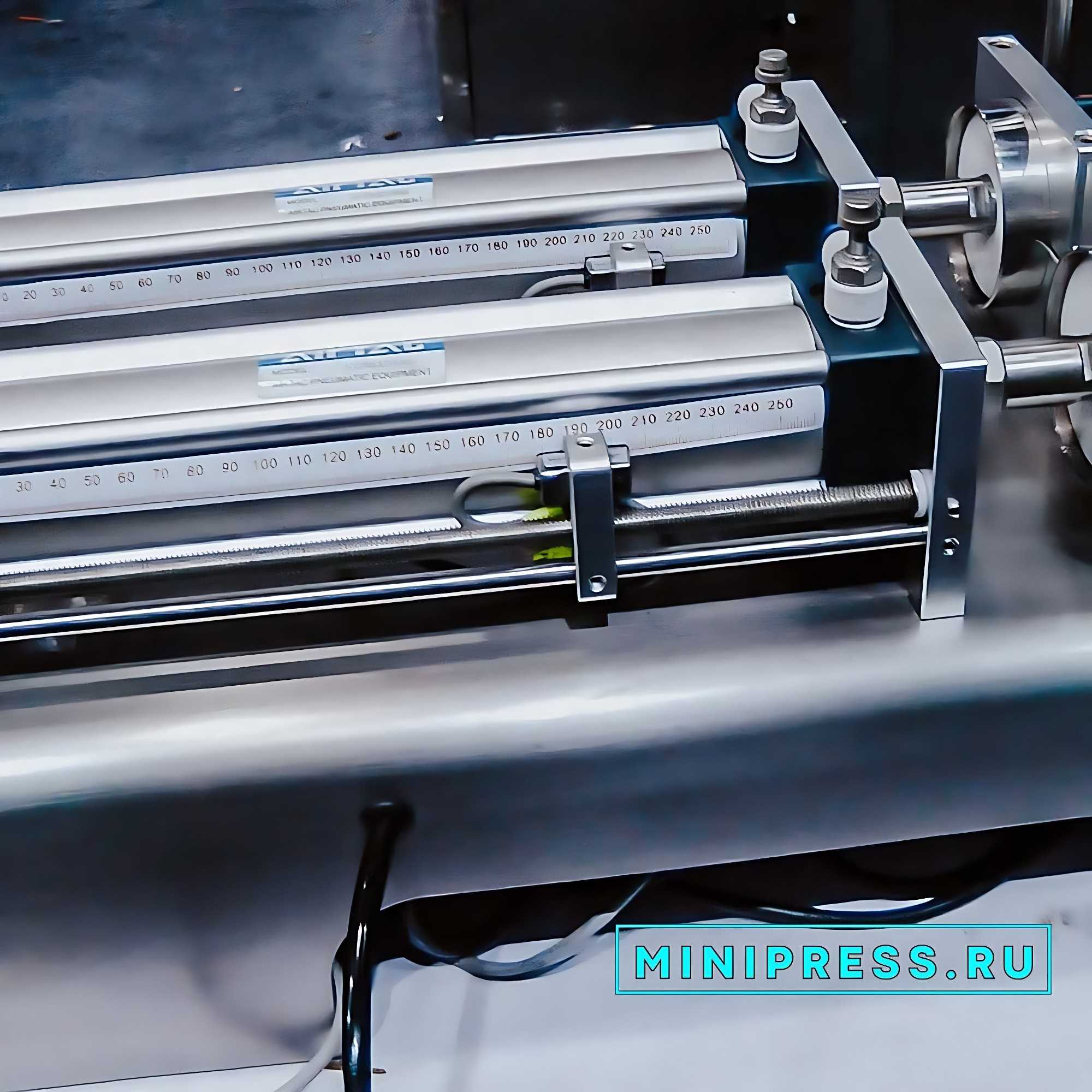
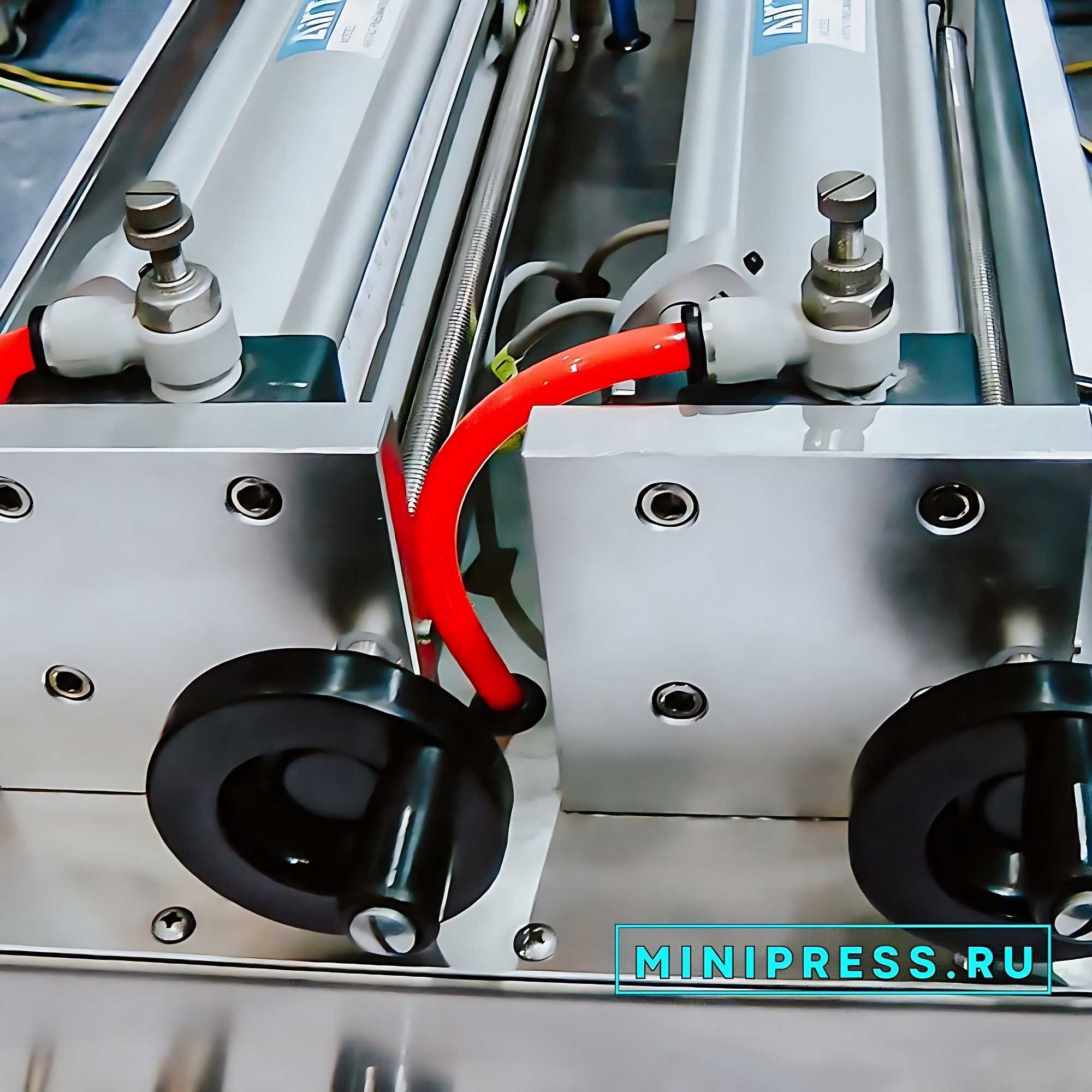
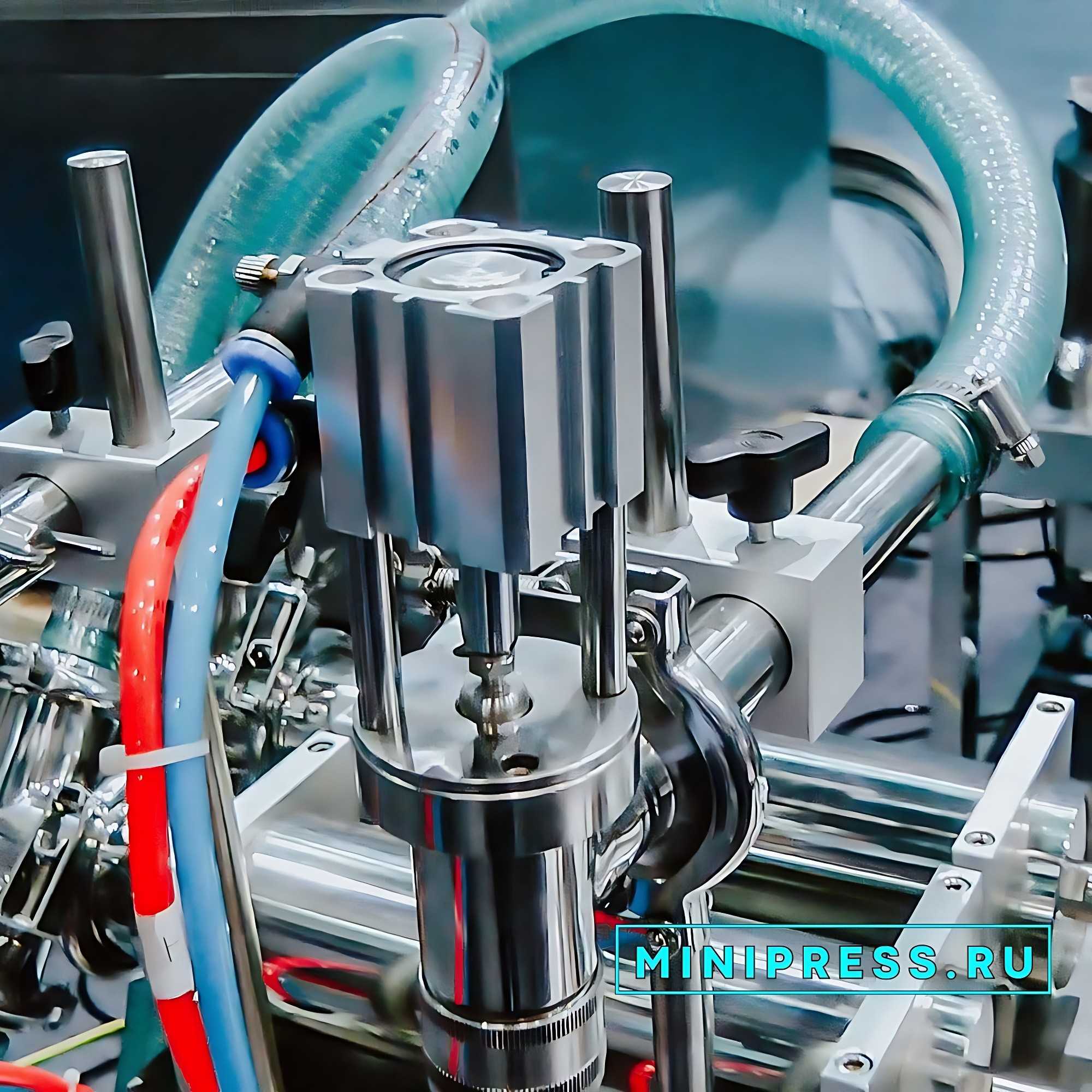
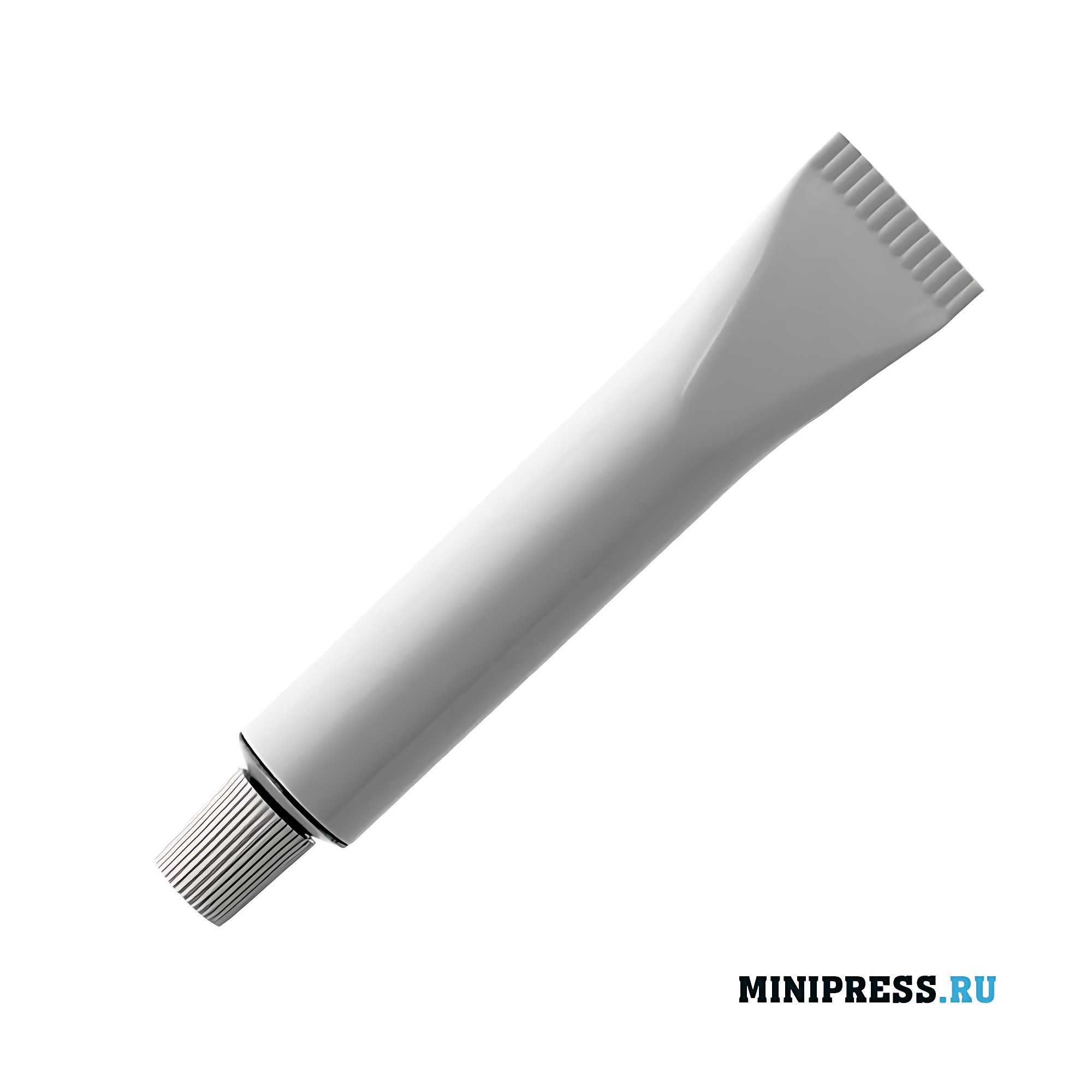
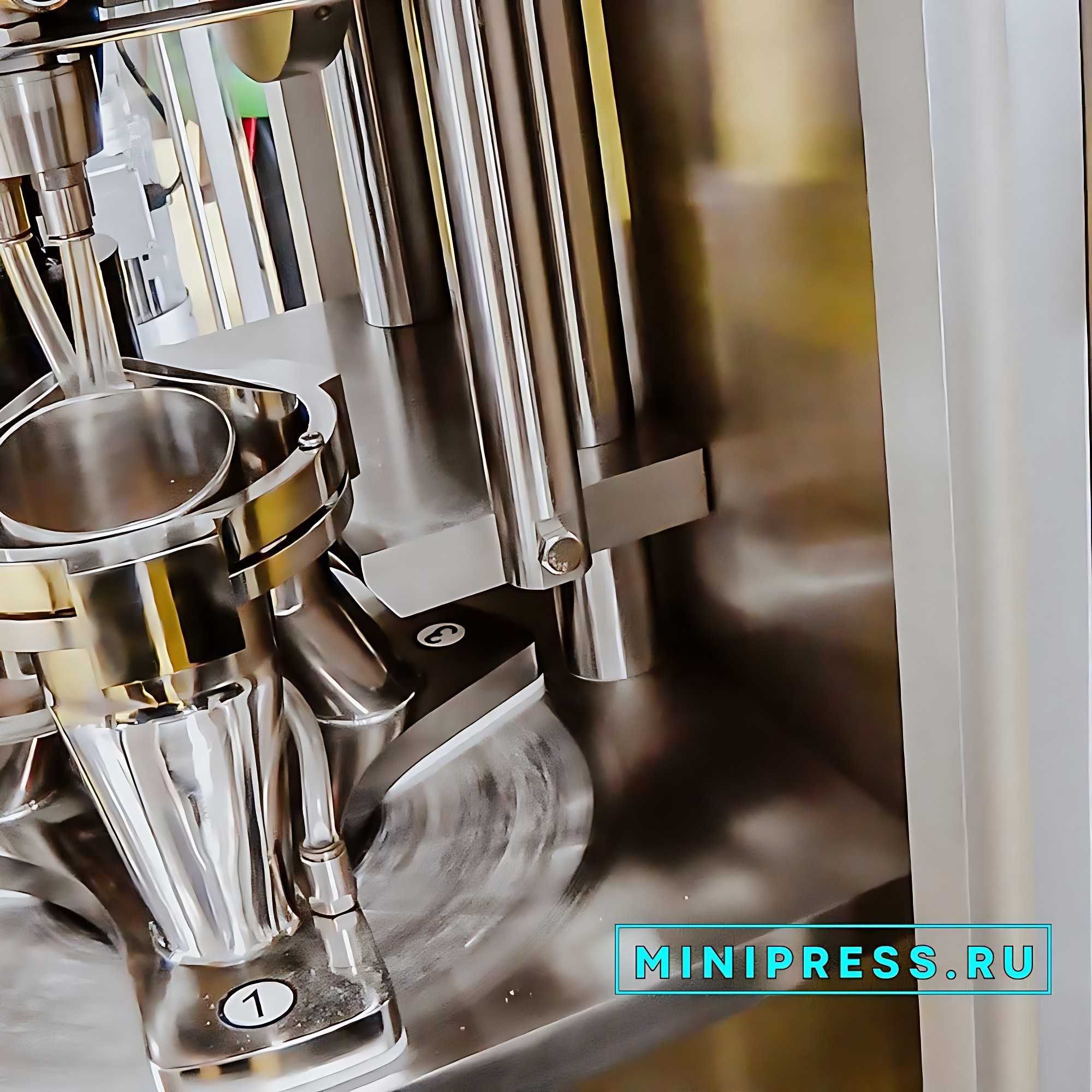
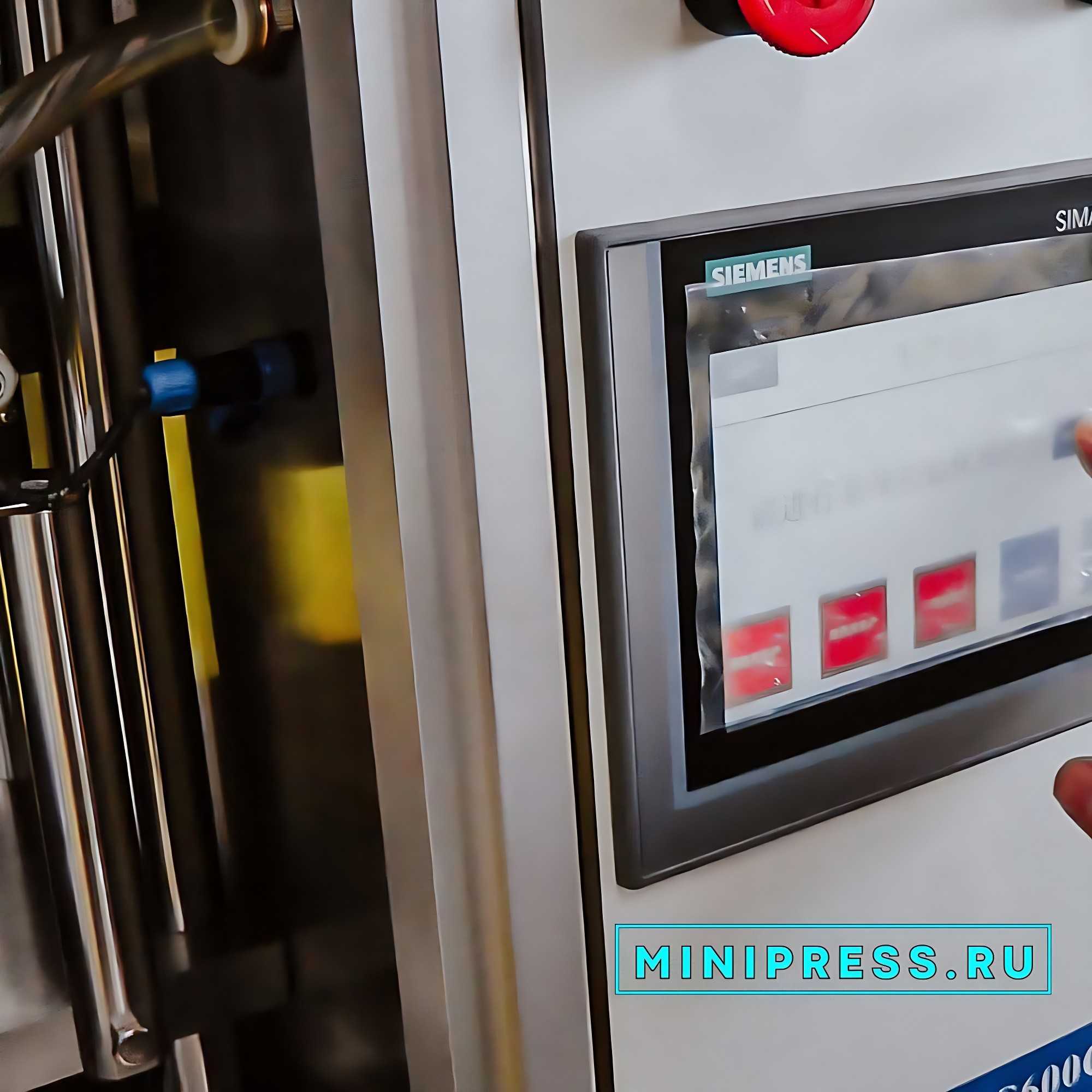
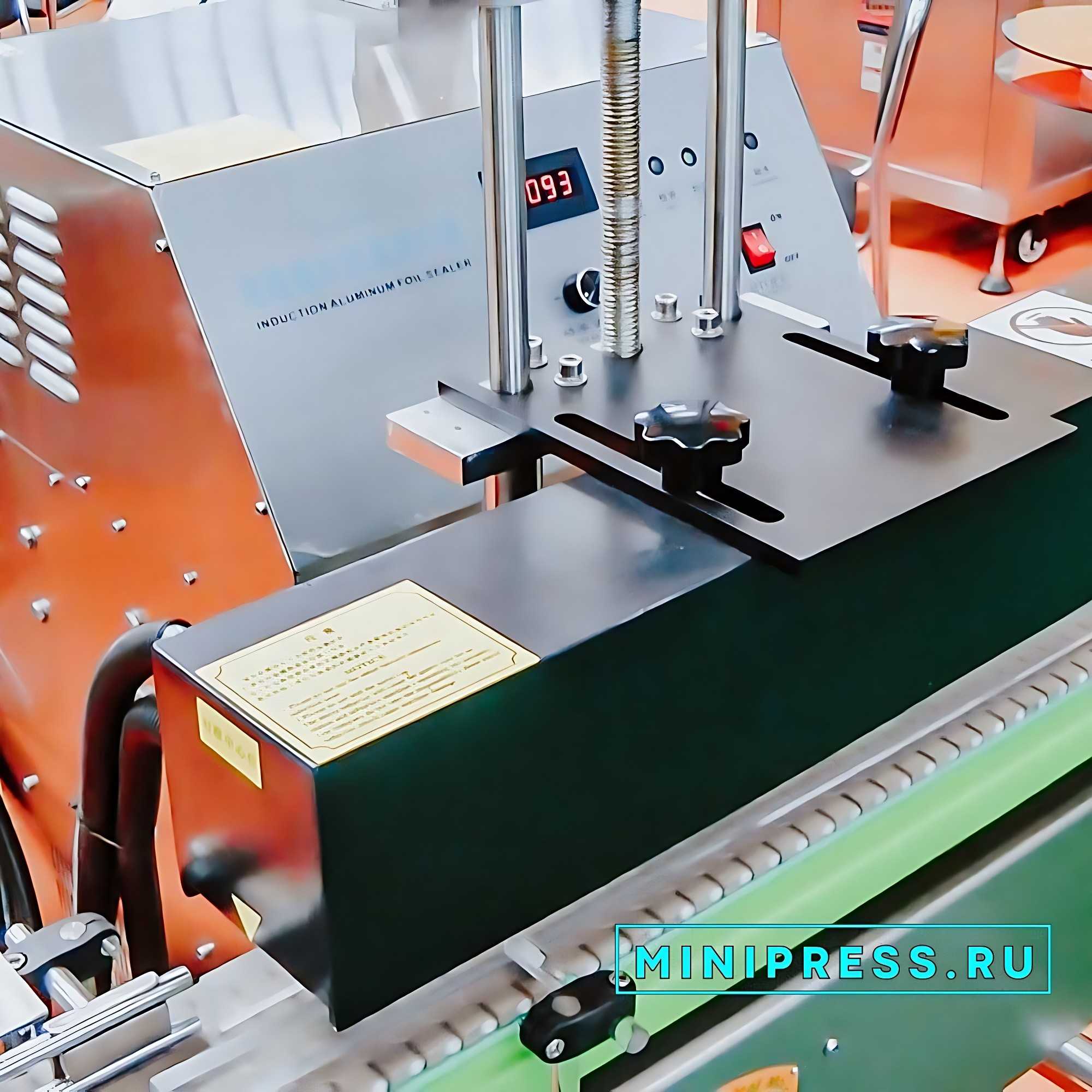
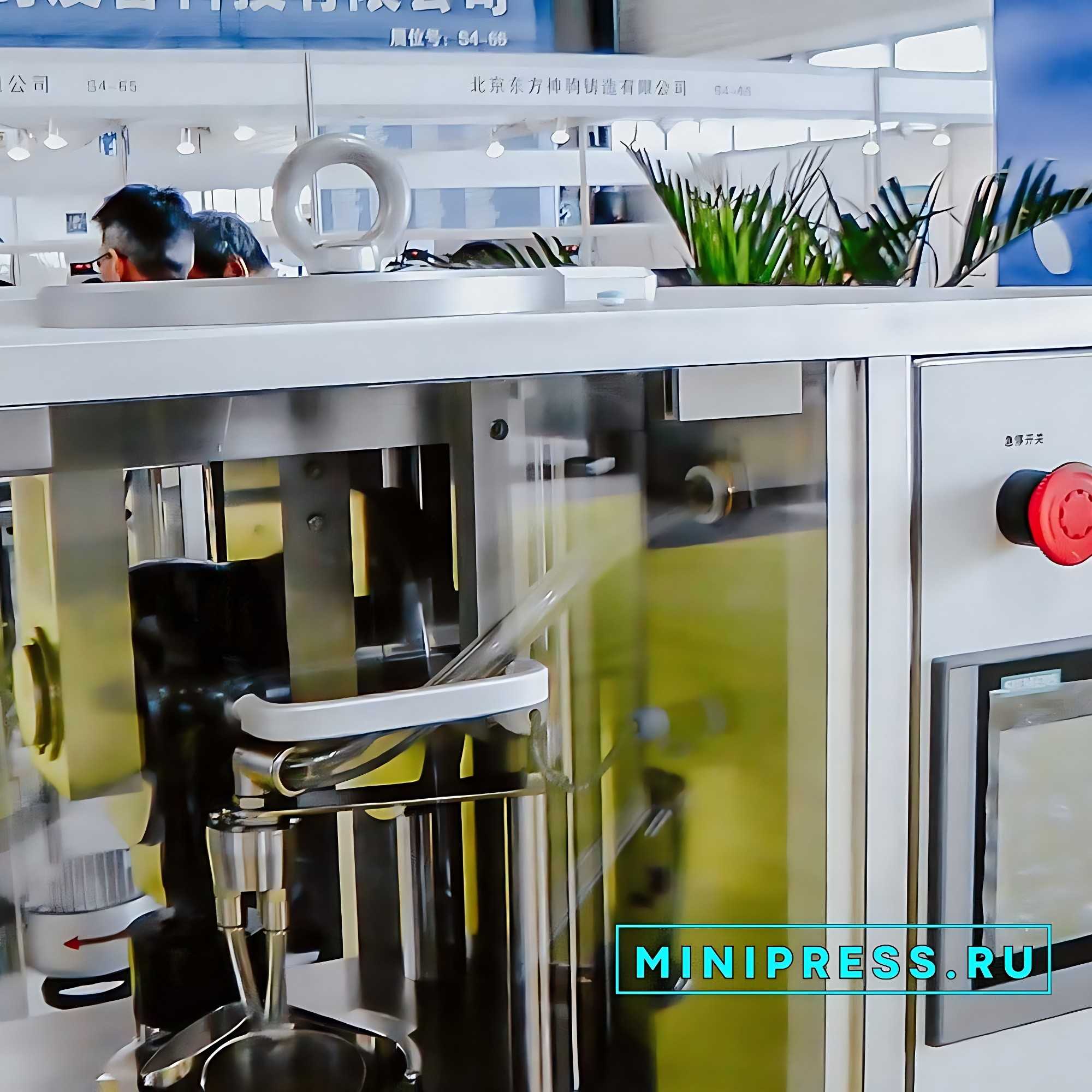
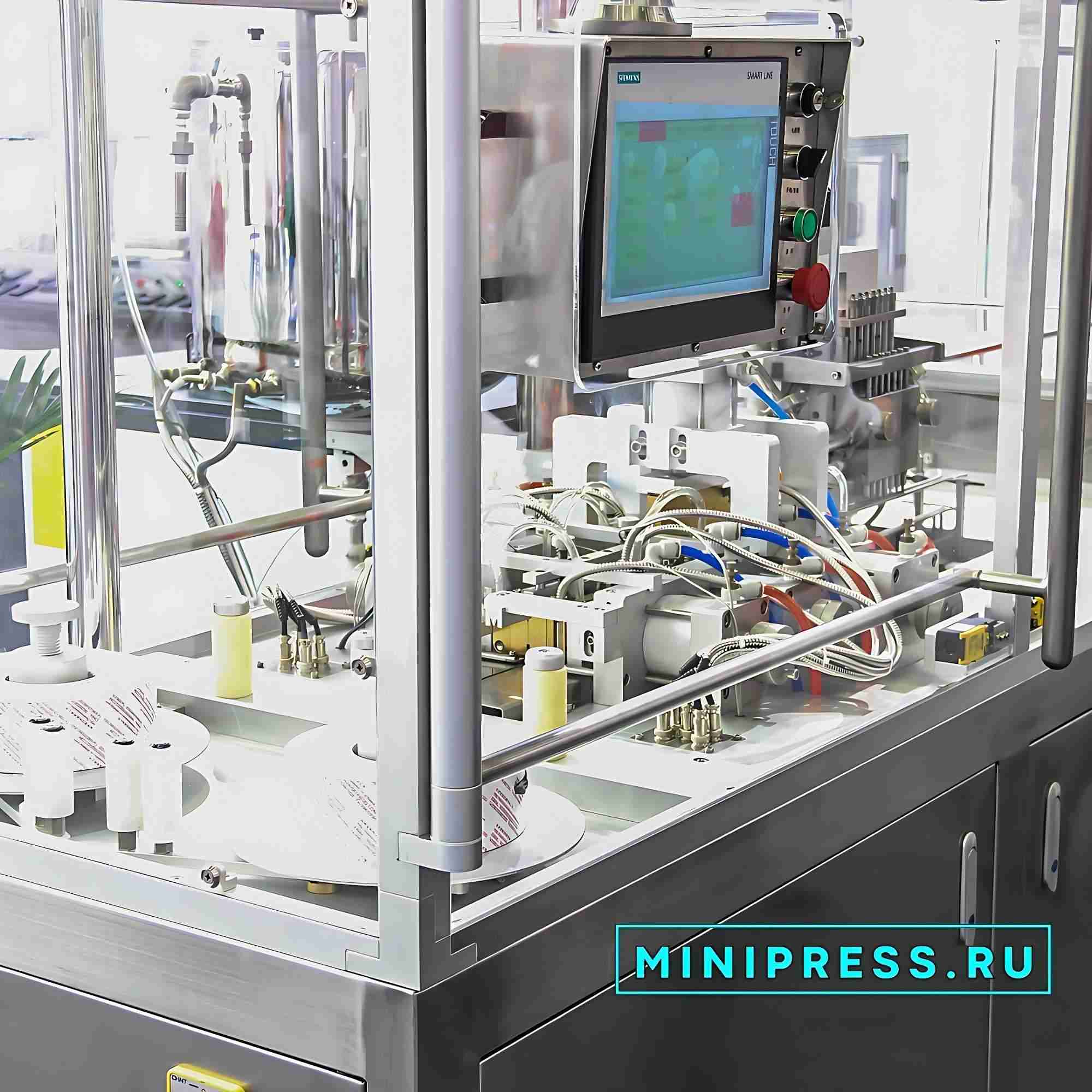
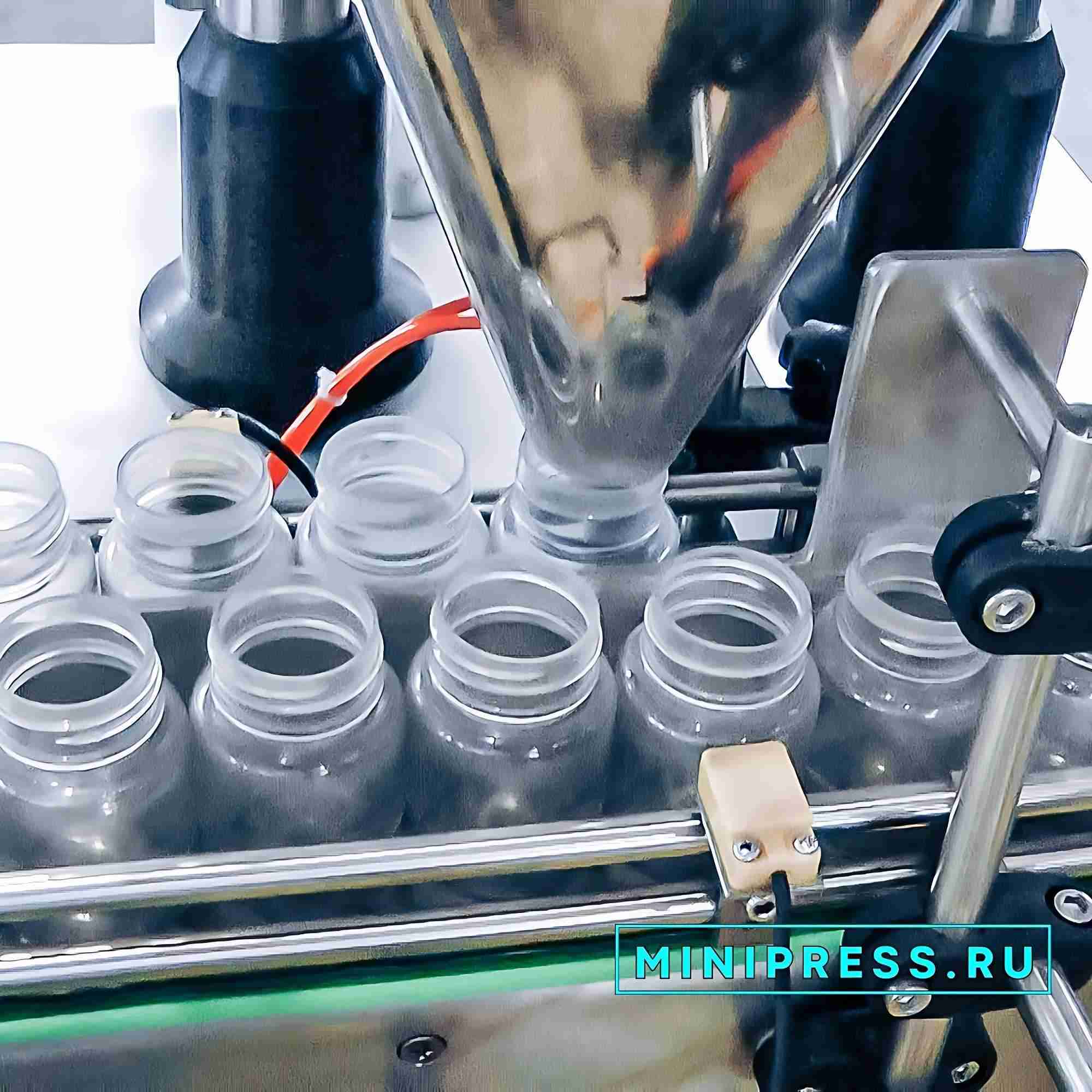
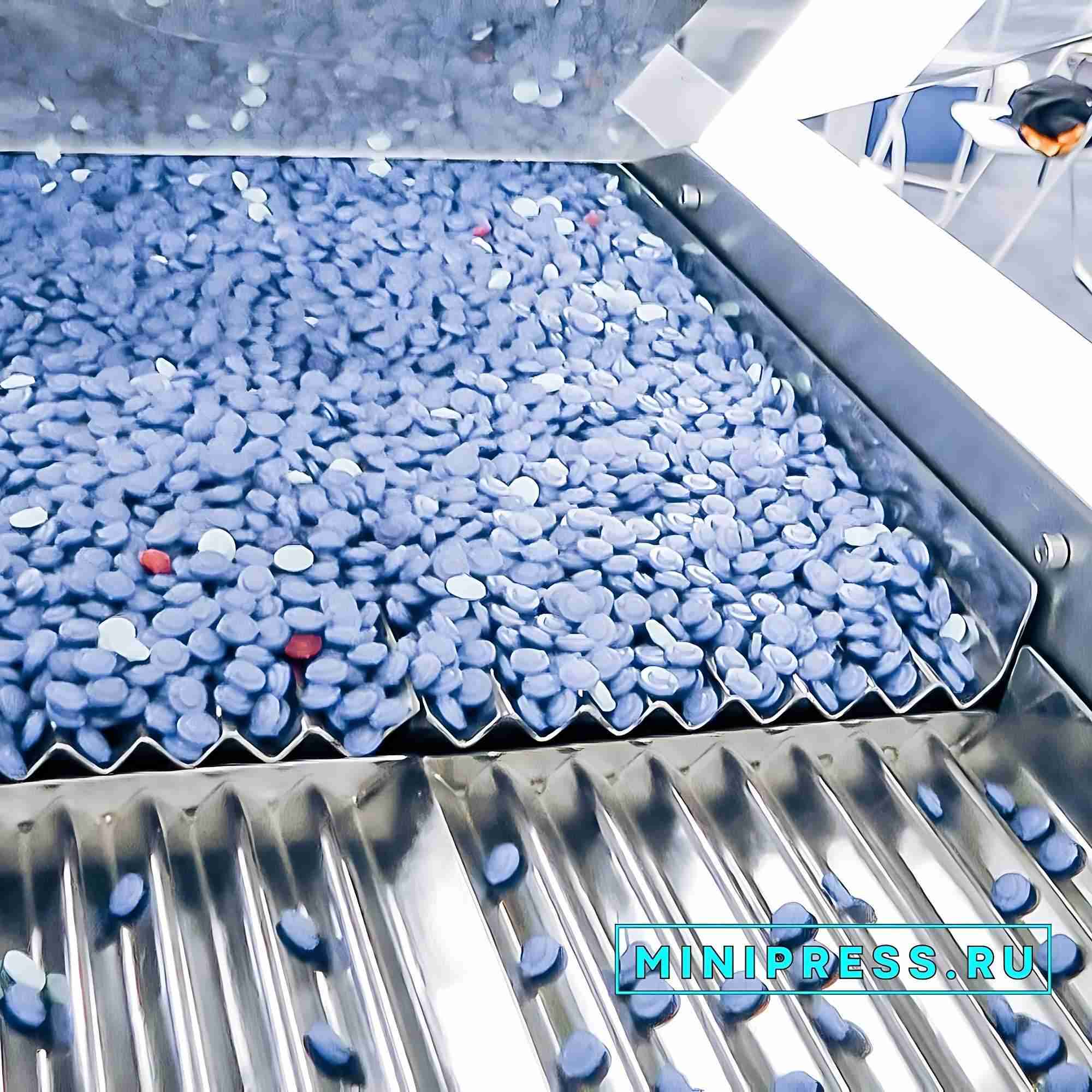
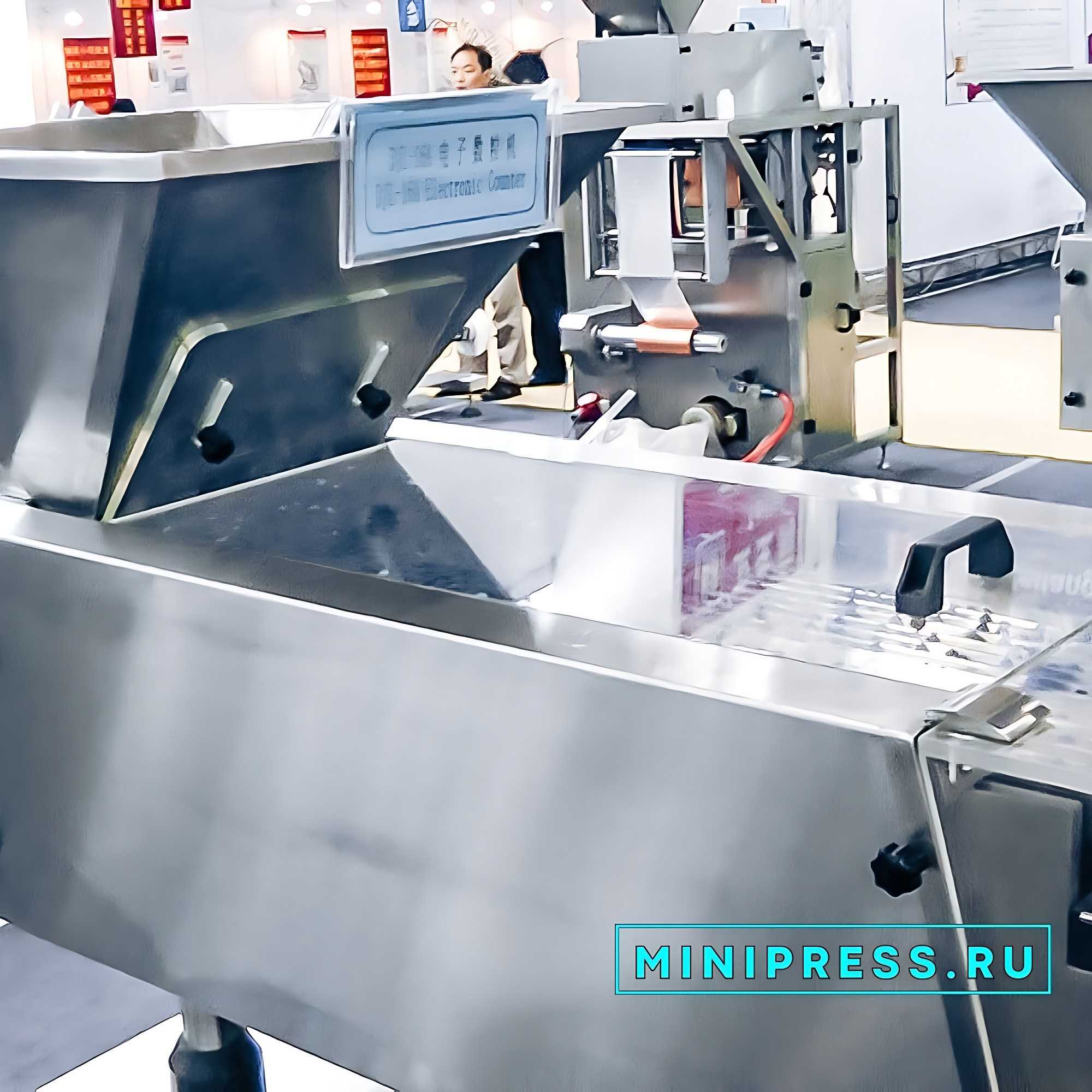
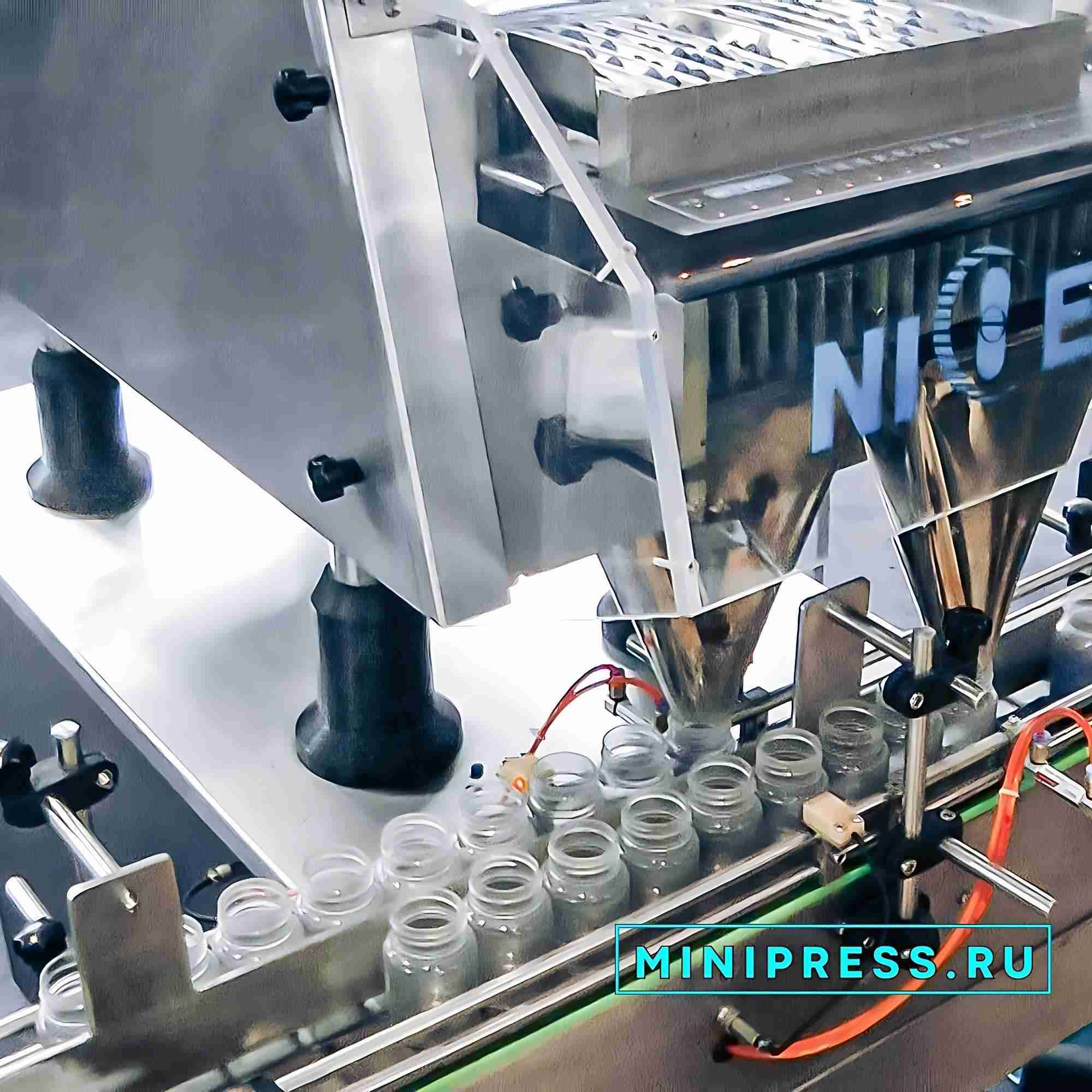
Desktop semi-automatic machine for filling and packing ointments and creams of piston type with pneumatic drive. Dosage packing: from 10 to 120 ml. Weight 20 kg. This model uses a pneumatic piston pump dispenser and control panel. The automatic, economical and easy-to-operate machine is used in the medical, food and chemical industries. We provide a full range of services: installation, training, start-up, repair. Complies with GMP standard. We provide detailed instructions for setting up this model of machine for dosing creams and ointments. User manual and technical data sheet in English. Before shipping, the machine is checked and tested in production. Completeness and operability are guaranteed. We maintain a stock of parts and consumables in stock. The price includes delivery to the buyer's city.
The process of making ointments can be periodic or continuous. The periodic process can be one-, two-, three-stage, etc., depending on the number of devices in which separate stages of the process of obtaining ointments are consistently carried out. The technology of manufacturing ointments at pharmaceutical enterprises is carried out in accordance with the regulations. It includes the following stages: sanitary treatment of premises and equipment; preparation of raw materials (medicinal substances, ointment base, packaging containers, etc.); introduction of medicinal substances into the base; homogenization of ointments; standardization; packing and storage of ointments. Sanitary treatment of premises and equipment is aimed at preventing microbial contamination during the production, storage and transportation of ointments, at creating safe working conditions and protecting the health of workers.
Intra-shop control of ointments is carried out at almost every stage of production and especially before packing the drug. The final conclusion on all indicators of the quality of finished products is given by the quality control department of the plant. In the conditions of industrial production, the test is carried out in accordance with the requirements of the general article of the State Pharmacopoeia (GF) for ointments, as well as the requirements included in the articles of the GF for individual names of ointments. The ointment is standardized in appearance, uniformity, content of medicinal substances, pH value, degree of dispersion of solid particles, colloidal stability and thermal stability. The company controls the appearance, smell and characteristic organoleptic properties (if any) of ointments and other soft medicines. They should not have a rancid smell, as well as (if there are no other indications in private articles) signs of physical instability (aggregation of particles, coalescence, coagulation and stratification). The amount of medicinal substances in ointments is determined by the methods given in private pharmacopoeia articles for the tested ointment. Standar...
The acquaintance of a person with soft medicinal forms occurs in the first days of life, when the caring hands of a mother apply baby cream to the delicate skin of a child. Then, throughout their lives, people use soft medicinal forms of medical appointment for the prevention and treatment of various diseases in dermatology with external therapy of skin lesions of various etiologies, gynecology, proctology, ophthalmology, as well as cosmetics to protect the skin from harmful effects and prolong its beauty and youth.
In this chapter, classifications will be given, technologies for the production of soft dosage forms will be considered. Depending on the consistency, degree of viscosity and elasticity, the following can be attributed to soft dosage forms: Ointments; creams; Gels; Pastes; Liniments; suppositories; soft gelatin capsules (Capsulis); plasters (Emplastra).
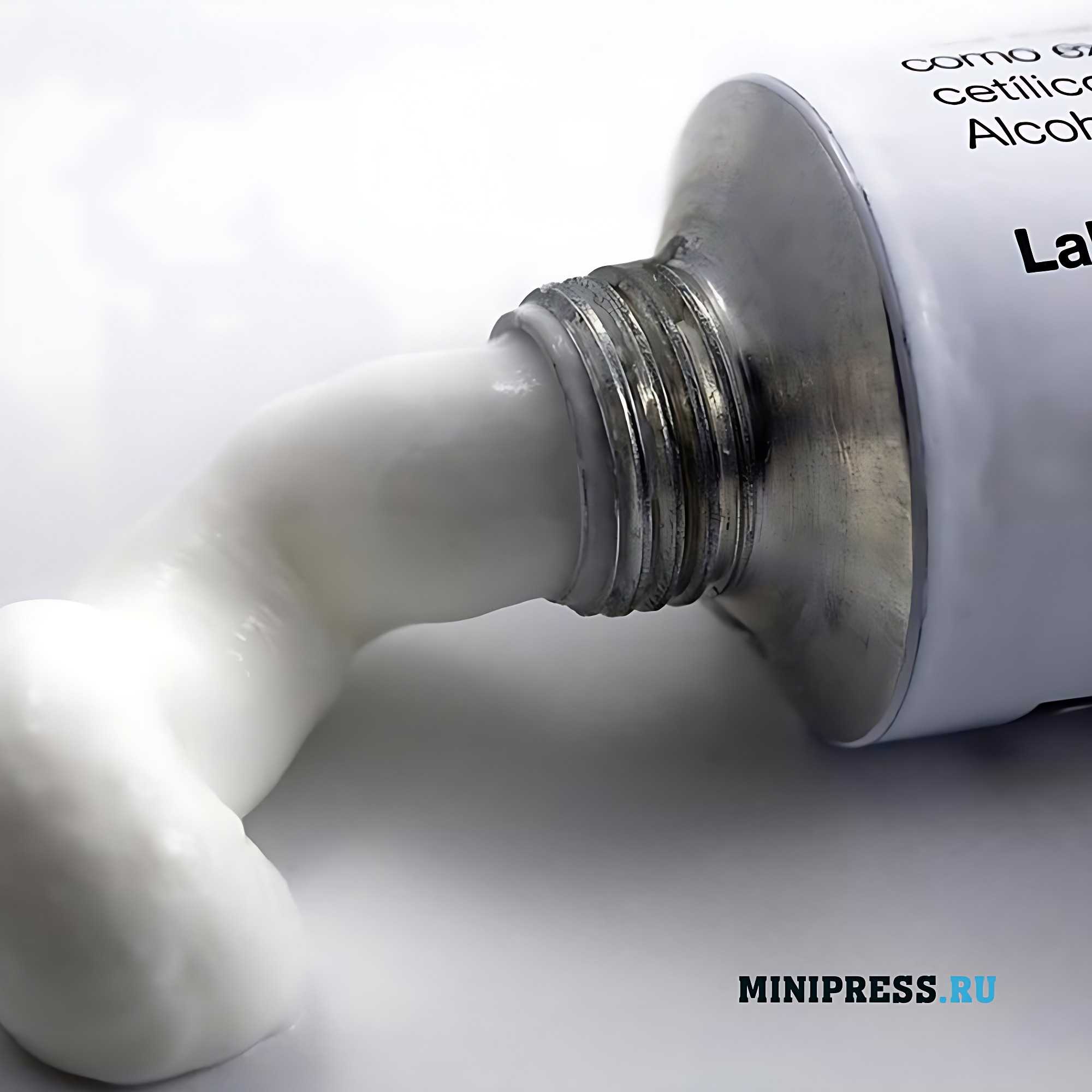
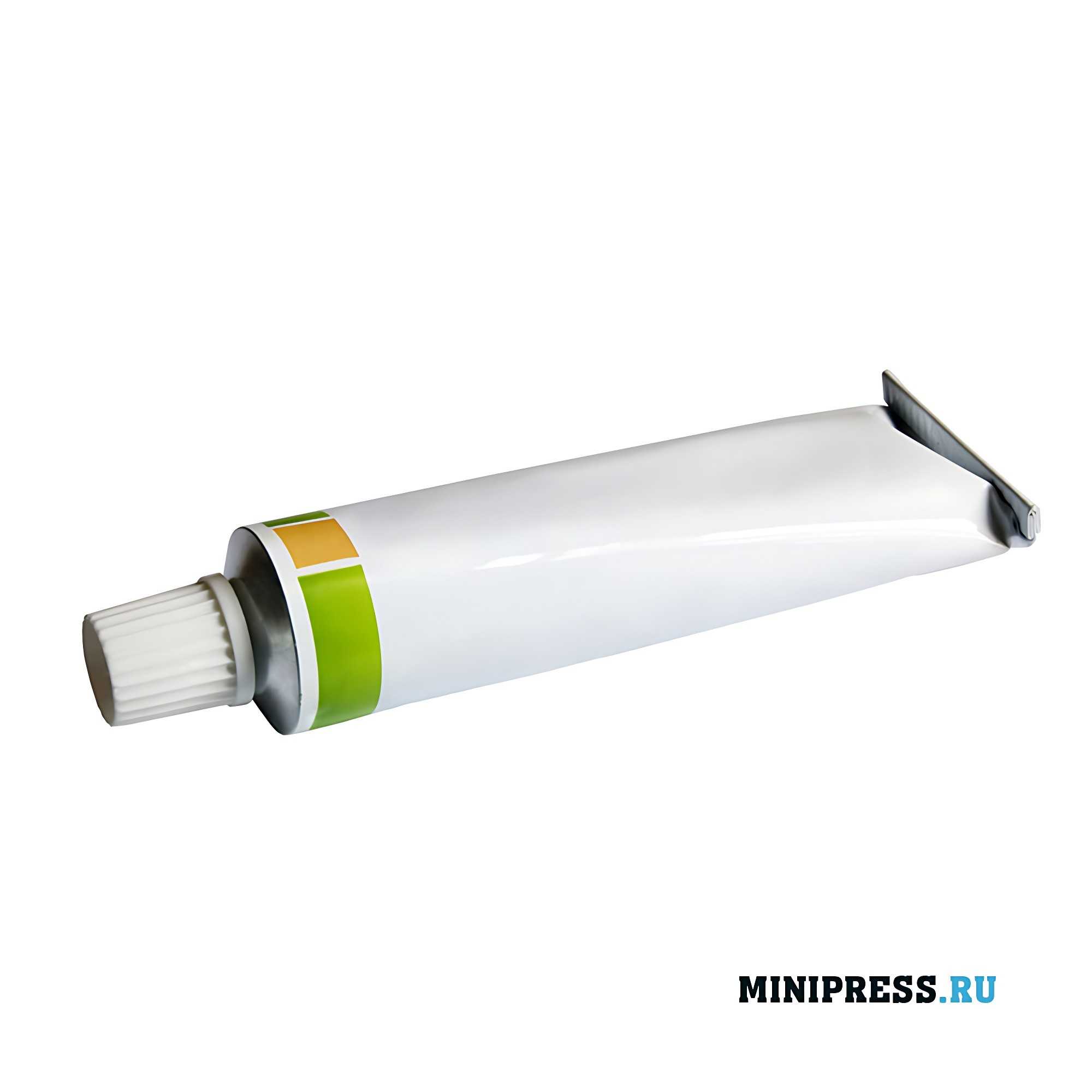
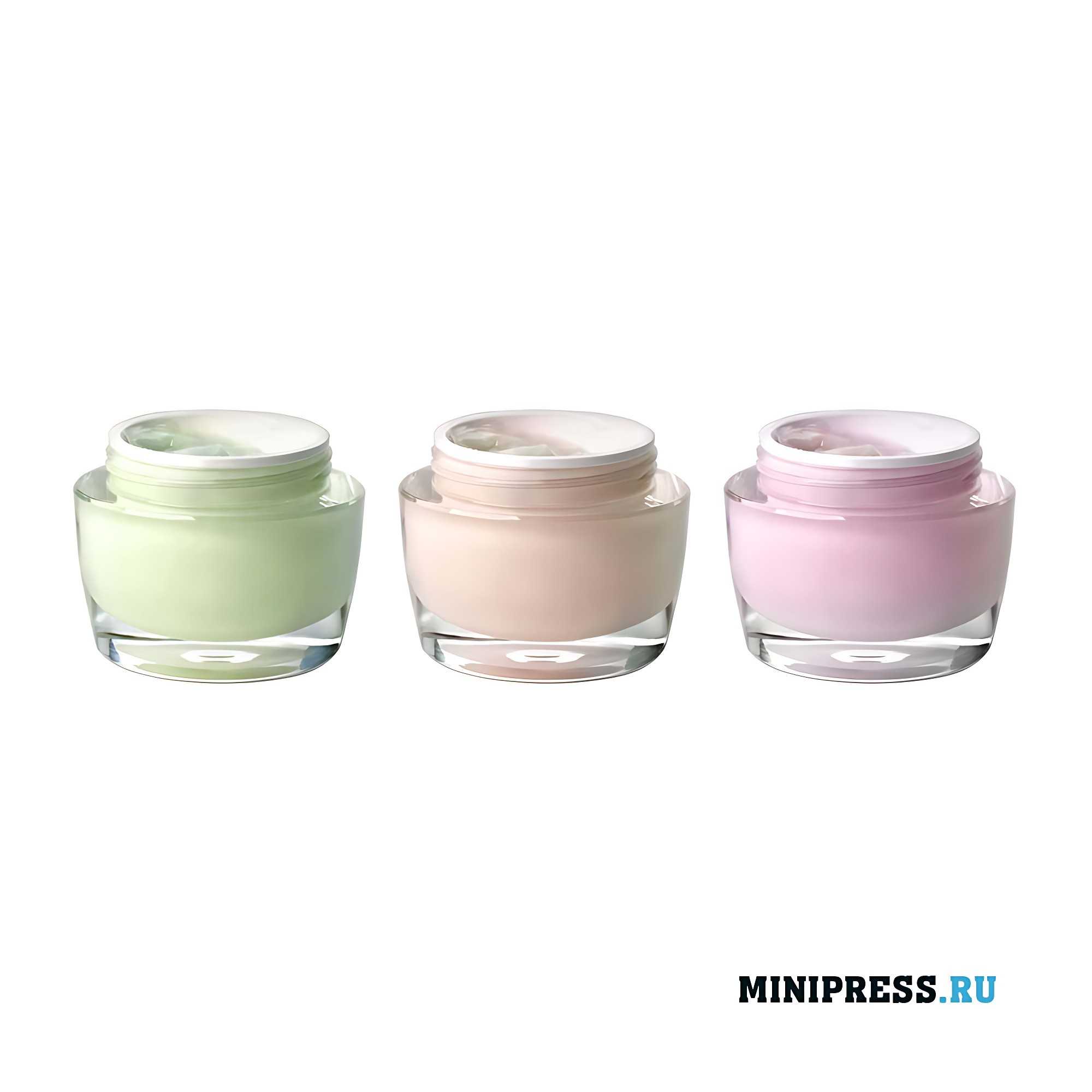
Ointments are a mild dosage form for topical use, intended for application to the skin, wounds or mucous membranes. They represent the most optimal dosage form in which it is possible to combine components that are different in chemical nature, aggregate states, prescriptions and biological activity. This is due to the...
The terms and conditions of storage of ointments are determined by technical documentation. Factory-made ointments are stored in a cool, protected from light place from six months to two years or more. The storage conditions of ointments should be strictly observed. Environmental factors, especially temperature changes and light, often adversely affect the quality of ointments.

 Deutsch
 Français
 Italiano
 Polski
 Español
 Русский
 Português



 8423
8423 8486014