
 English
 Deutsch
 Français
 Italiano
 Polski
 Русский
 Português



 8375
8375 8449945
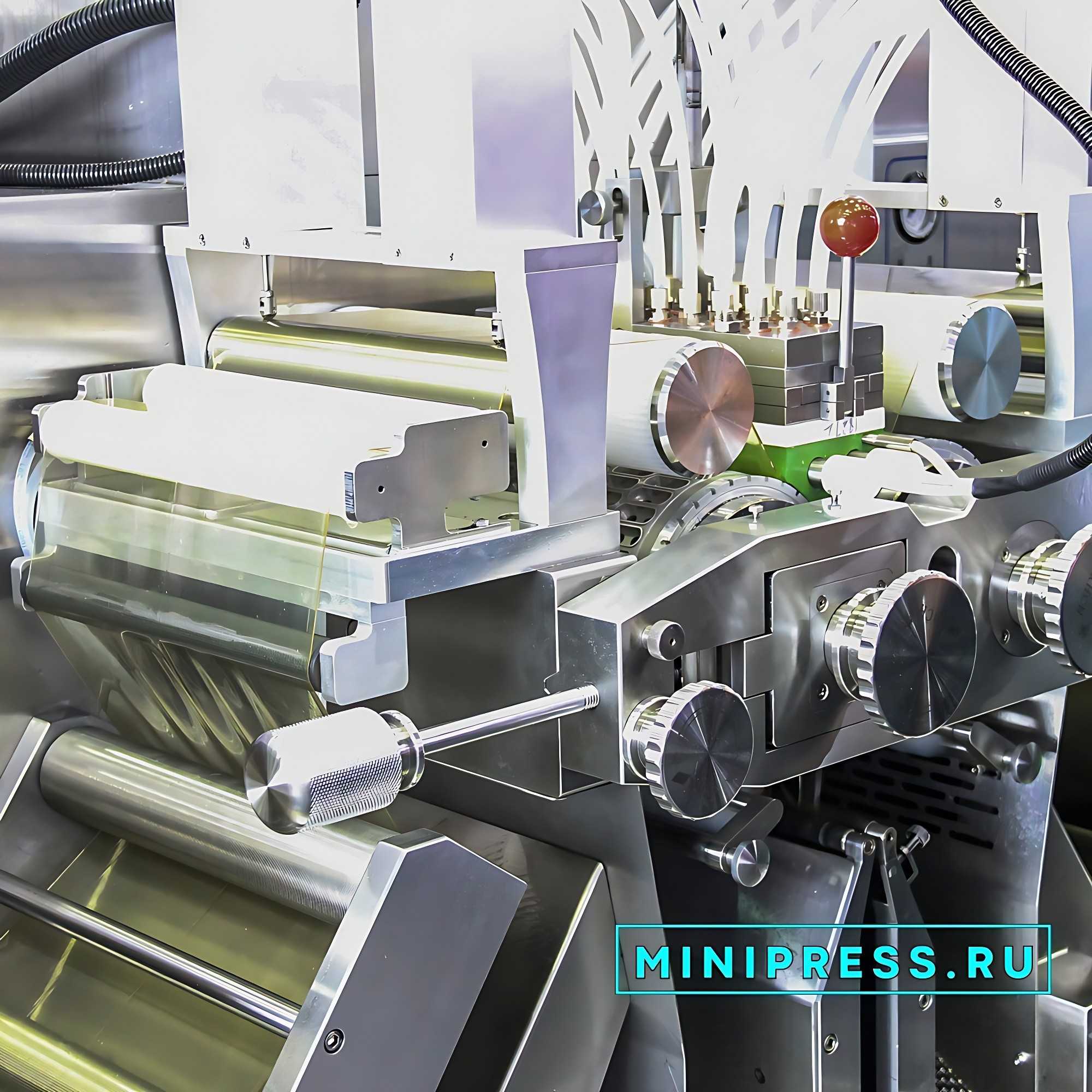
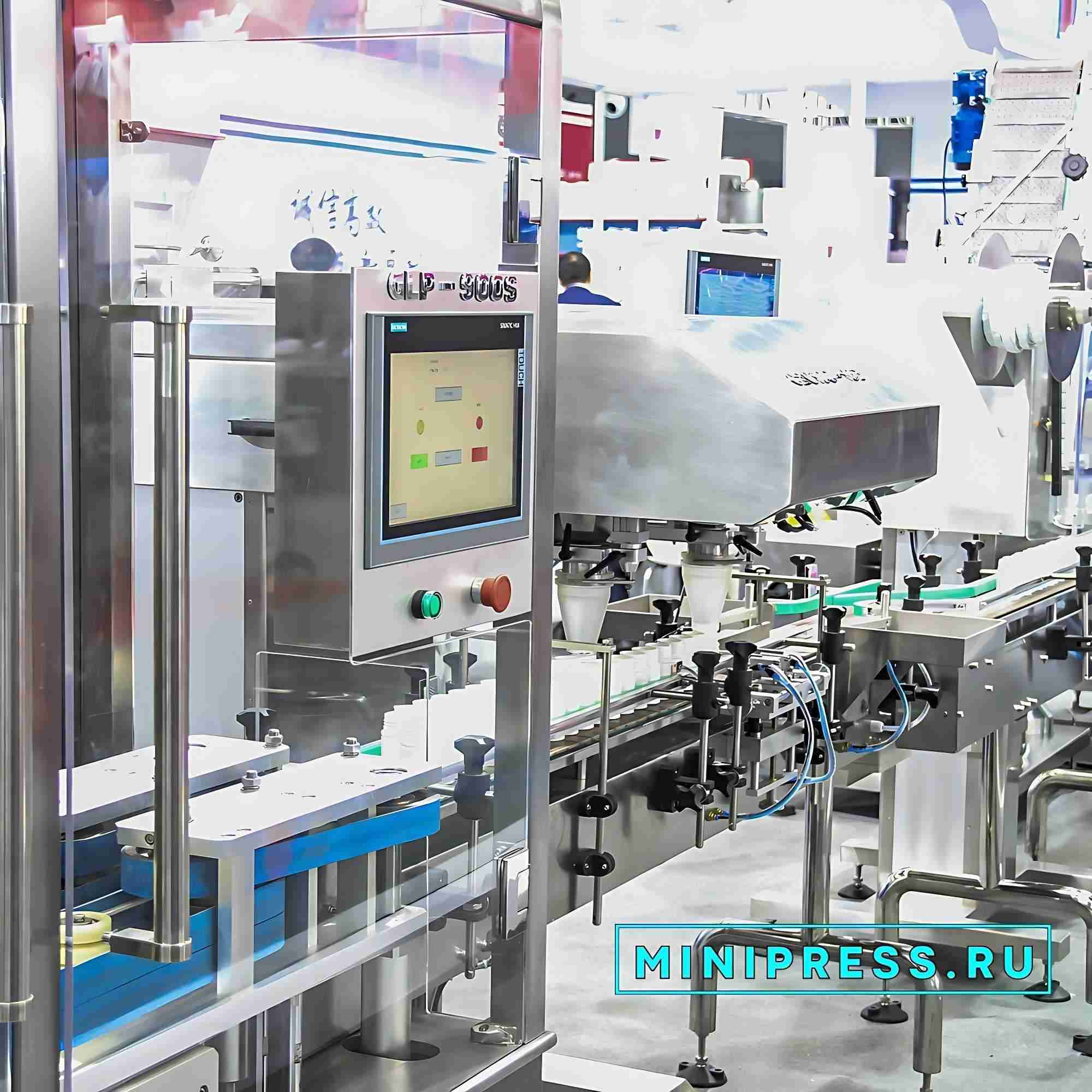
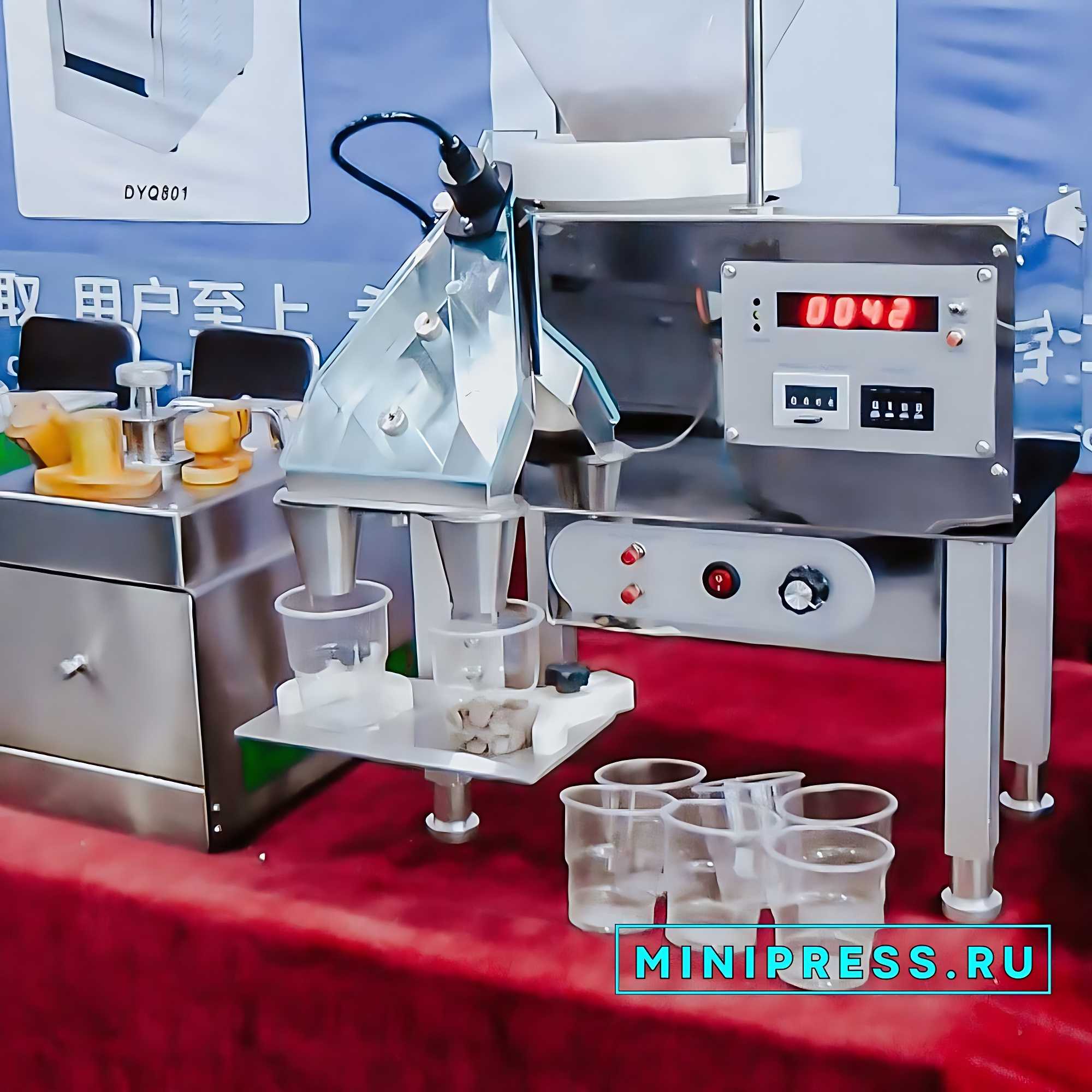
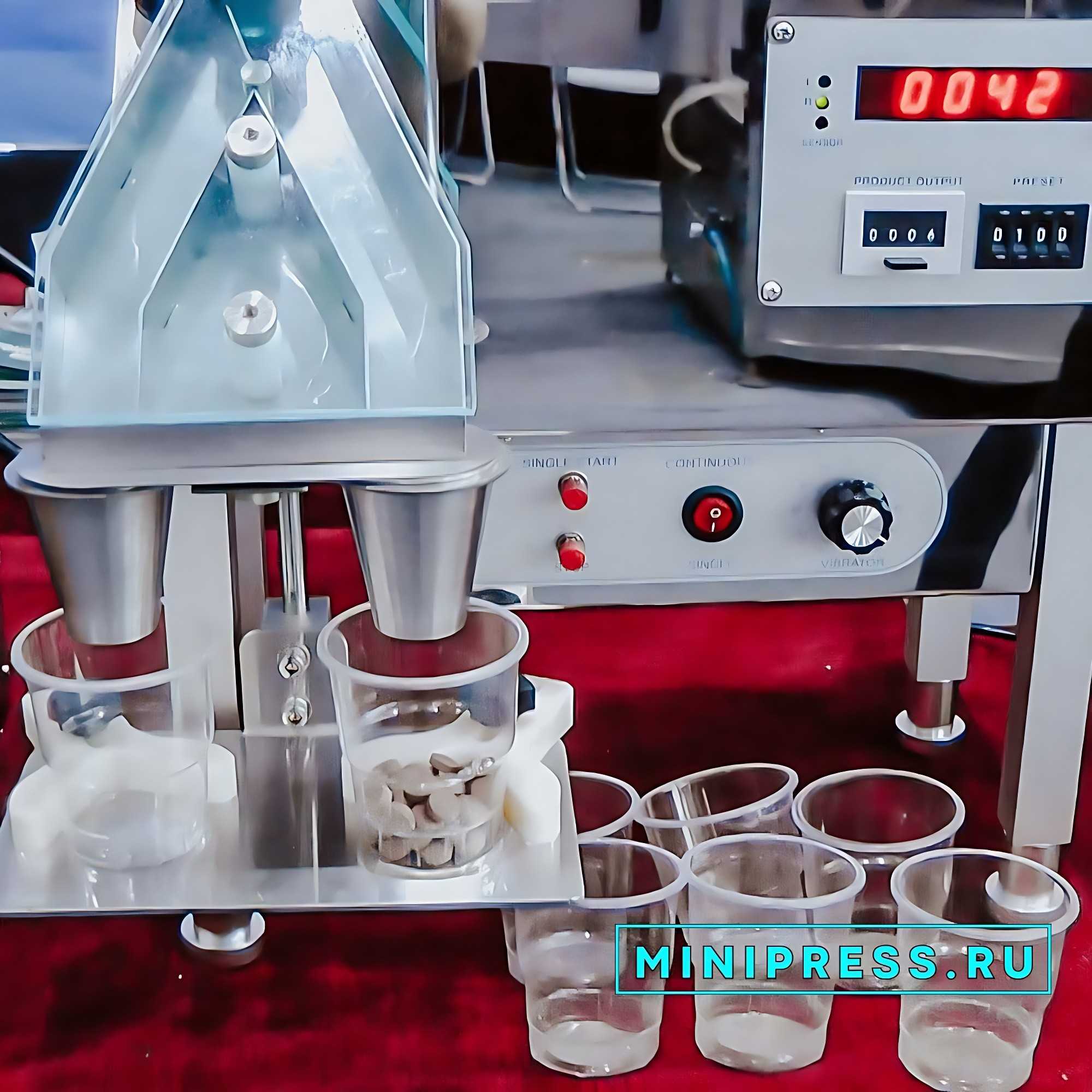









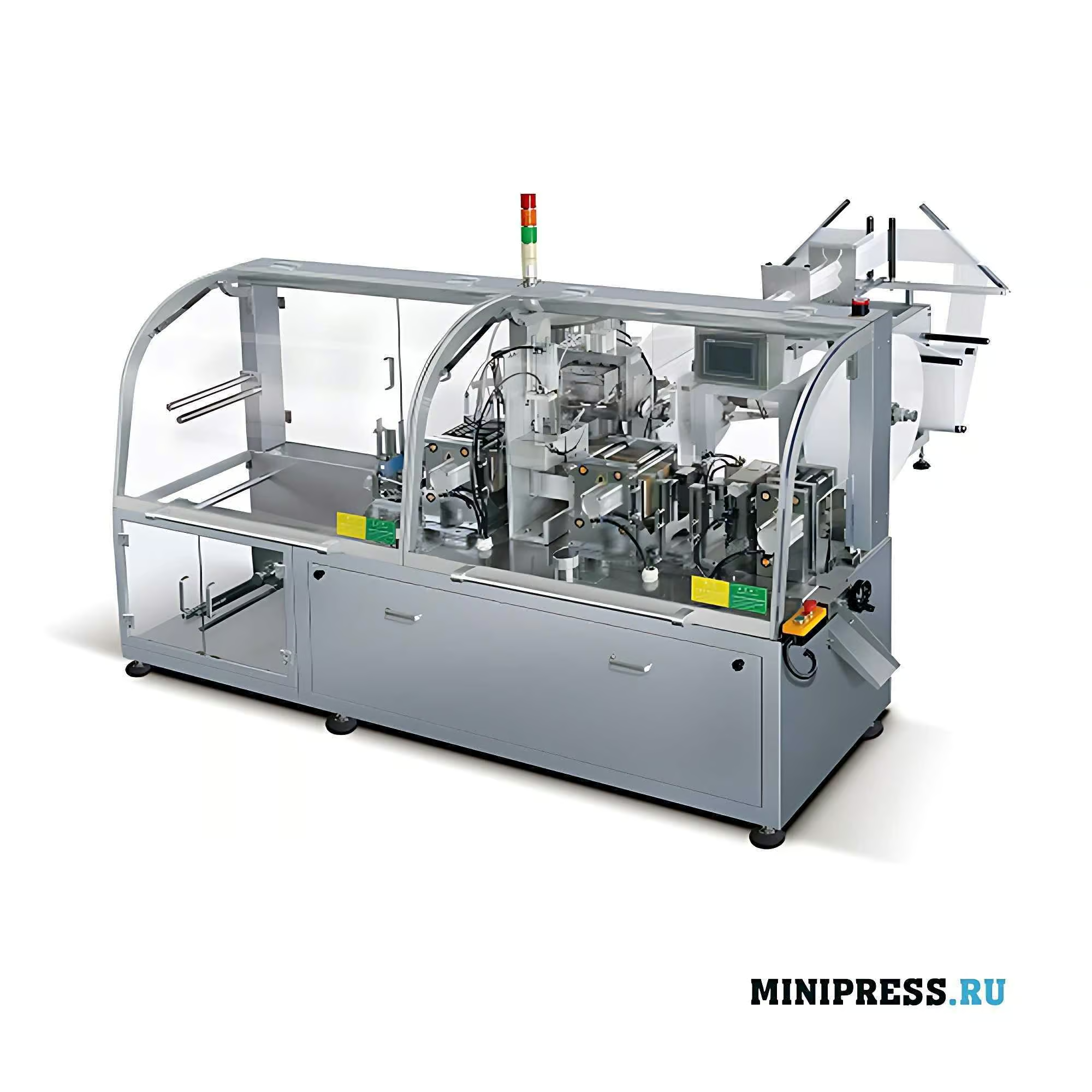
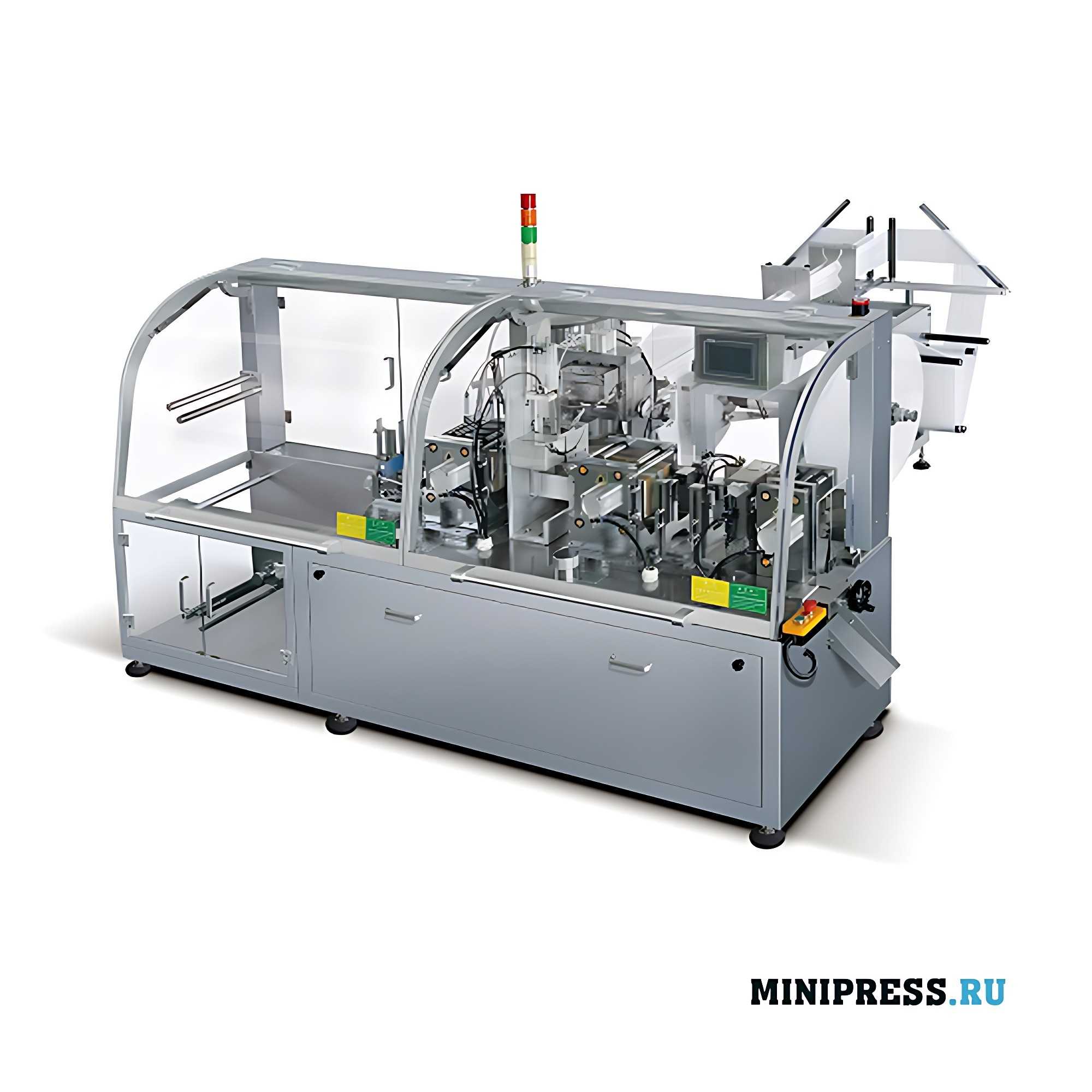

 Revisión en video del modelo
 Nuestro servicio y atención al cliente
The application of the sample is repeated until the filter paper disks applied to the test area no longer absorb the ointment. Then the amount of unresorbed drug contained in the paper is determined. The amount of drug that has penetrated the skin is determined by the remaining difference. Histologic studies with the help of a microscope allow to determine which layer of the skin the preparation has reached. The ointment is applied to a depilated area of the animal’s skin, then, after slaughtering it, histologic sections are made, which may be longitudinal (to determine the depth of penetration) or transverse (to evaluate the area of ointment distribution). Determination of drugs resorbed in blood, organs and tissues, secretions, or exhaled air after topical application of the ointment.
4Registration of biological or toxic reactions caused by the drug (pupil reaction, change in pain sensation, heart rate, onset of convulsions or death, etc.).
Radioisotope method using labeled drugs. Both in vitro and in vivo methods give relative results. While the former should be viewed critically on the grounds that they do not take into account the physiological functions of the skin, the latter give only approximate results, since human skin both in terms of function and structure differs significantly from animal skin. Only clinical tests can give the final assessment of the ointment. In addition to the above-described quality indicators of ointments, which are controlled before packing, after the completion of the entire production process should control the mass of the contents of the package, which should not be less than the mass indicated on the label. Deviation in the mass of ointments or creams, packaged in tubes or jars, checked by weighing ten samples. For sterile and non-sterile ointments, creams and other soft drugs should be carried out to determine the tightness of packaging in accordance with the following methodology. Take 10 tubes with the drug and thoroughly wipe their outer surfaces with filter paper. The tubes in a horizontal position are placed on a sheet of filter paper and kept in the thermostat at a temperature of 60±3 ° C for 8 hours. There should be no drips of drug from any tube on the filter paper, ignoring any traces of drug initially on the threads of the cap and tube. If leakage is observed from only one tube, the test shall be carried out with an additional 20 tubes. The results of the test shall be considered satisfactory if no leakage is observed from the first ten tubes or if leakage is observed for only one of the thirty tubes.
 Glosario Farmacéutico
 Especificaciones técnicas
The degree of dispersibility in emulsion ointments and creams is determined under the condition of coloration of the dispersed phase. The diameter of 1000 droplets is determined and then the percentage of droplets of different sizes is calculated. The method is easy to perform, but quality standards for emulsion creams and ointments are not yet specified in any pharmacopoeia. Determination of pH of ointments is necessary to monitor the behavior of drug substance and base during storage. A shift in pH indicates a change in their physicochemical properties. To determine the pH of ointments and creams suspended product poured 50 ml of distilled water with a temperature of 50-60 «C and shaken on a vibrator for 30 minutes. The resulting extract is filtered and conducted potentiometric titration according to the method of GF. All ointments produced by pharmaceutical companies, have a guaranteed shelf life, during which, if properly stored, they should remain stable. The stability of ointments is determined by the unchanged content of drug substances (within the established tolerance), structural properties and the rate of release of drugs. Stability testing of ointments is particularly essential if they are emulsion systems. One acceptable technique for testing the stability of such ointments is the colloidal stability methodology. Assessment of colloidal stability of a cream or ointment is carried out on a centrifuge at a speed of 6000 rpm for 5 min. Under the influence of centrifugal force, the emulsion breaks down the faster; the less stable it is. The absence of stratification of the product sample indicates the stability of the composition. Thermal stability of the product is determined by heating the ointment or cream in a desiccator at 60 ° C for 1 h. If the product is qualitative, the sample should remain homogeneous without stratification. Sometimes in ointments and creams it is necessary to determine the structural and mechanical properties (ultimate shear stress, which characterizes the strength of the structure and consistency of ointments, and plastic viscosity, which characterizes the flow of the system with a destroyed structure), the degree of release of drug substances from the preparation and the stability of the product under different storage conditions. These determinations are usually made when developing new ointments and creams or improving existing ones. The consistency of ointments and ointment bases requires objective evaluation, as it affects the processes of their preparation and packaging, the ease of application of ointments to the skin and the release of drug substances from them. One of the main factors on which the consistency of ointments depends is the ultimate shear stress. It characterizes the ability of ointments to provide some resistance to smearing, the ability to squeeze out of tubes, dispensers, etc. The ultimate (or critical) shear stress is the force in dynes acting on an area of 1 cm2 tangentially to the plane of displacement and causing irreversible deformation of the system.

 Información adicional
The ultimate shear stress is also called the flow point, meaning the stress required for the system to start flowing (for irreversible deformation). The higher the value of this value, the more difficult the ointment is to spread. This is an important characteristic of ointments and ointment bases because it determines the ease of application of ointments. Usually a Volarovich rotary viscometer or a conical plastometer is used to determine the ultimate shear stress. Plastic viscosity, another important rheological characteristic of ointments and ointment bases, is determined on a Volarovich rotary viscometer RV-8. The degree of release of drug substances is a criterion for assessing the quality of ointments, which should become the main criterion for standardization and rejection (verification of compliance of the product quality with the requirements of the standard) of ointments. Methods for determining the degree of drug release in vitro and in vivo have been developed. In vitro methods. The technical performance of experiments by in vitro method can be different and is mainly determined by the properties of the included drugs. Direct diffusion method. In this case, the ointment sample must be in direct contact with the medium into which the drug substance diffuses. Method of diffusion through the membrane. The essence of the method is that the ointment under study is separated from the aqueous medium by a semipermeable membrane. This can be cellophane or lipoid membranes of animal origin, such as egg shells, a section of intestine or animal skin. The dialysis media are aqueous solutions or water. The apparatus design of these studies can vary. In recent years, there have been many installations that maximally approximate the conditions of experience to the conditions of a living organism. Most often these are two-chamber installations separated by membranes or membrane systems. One of the chambers contains the ointment and the other contains the dialysis medium. Despite the design differences, the setups obey the same principle and reflect the same dependencies. In vivo methods. In contrast to in vitro methods, these methods allow two processes to be assessed at once: the ability of the ointment base to release the active ingredients and the degree of resorption of the active ingredients through the skin. In vivo methods include the following studies: Determination of the resorbed amount of drugs by the difference between the applied ointment sample and the non-absorbed portion of the ointment. Such evaluation is acceptable on both animal and human skin. A certain amount of ointment is applied and rubbed evenly on a strictly limited area of skin using a template. A pressure of 100 mmHg is applied to this area using a cuff.
Seguimiento del estado del pedido

Granulador horizontal para fertilizantes orgánicos JU-80, ¿el precio está actualizado? Tiempo de entrega a Sevilla? Urgente. 02/10/2026 09:12
Sebastian, lea atentamente la descripción de este modelo en nuestro catálogo. Los precios son actuales. Tiempo 1-1. 5 meses. 02/10/2026 09:16
Hoy nos prometieron la entrega de una máquina blíster para tabletas y cápsulas MN-14, ¿nos recuerdas ? Nadie nos ha devuelto la llamada. 02/10/2026 09:22
Hola Brooklyn, Nuestra gerente Natalya Por la tarde marcará al conductor, también le preguntamos a usted mismo a la compañía de transporte. 02/10/2026 09:24
Estimado romano, buenas tardes, transportadores de polvo al vacío QV-05 en cantidad de 4 piezas, ¿ya se dirigen a Cuernavaca? 02/10/2026 09:32
¡Buenas tardes, Grace! Nuestro gerente ha enviado un escaneo del conocimiento de embarque a su correo electrónico. El cargamento está en camino. 02/10/2026 09:35
Buenas tardes, recibimos el dispensador de polvo PR-15 en viales de plástico, programado según lo estipulado en el contrato para abrir la caja y realizar la prueba. 02/10/2026 09:42
Lily, Buenas tardes. Buenas noticias, envíe un WhatsApp al +79853643808 para enviar un informe de fotos y videos. 02/10/2026 09:43
Contrato #12, el plazo de entrega ya pasó. Actúe por fin. Acelerar Tsibulsky R. G. 02/10/2026 09:52
Hola James, estamos de vacaciones los fines de semana y no podemos responder mensajes. Eleve el contrato, el tiempo de entrega del equipo a su almacén en Badalona a 50 días hábiles (no calendario). Acción tomada. 02/10/2026 09:52
¡Hola Roman! Gracias por el servicio y la calidad de sus productos. ¡Estamos muy contentos y satisfechos con la compra! 02/10/2026 10:02
Hola Lucas, Aparentemente ha probado su secador liofílico al vacío LZY-01. Su calidad está por encima de la media, funcionará. Estamos esperando sus nuevas solicitudes. 02/10/2026 10:03
Buen día, quiero en el intervalo de 10:00-12:00 para obtener la máquina de llenado de tabletas y cápsulas FF-02 en Jaén? 02/10/2026 10:12
Buenas tardes, Victoria! Nos hemos puesto en contacto con la empresa de transporte, su envío está llegando a Jaén sin demora. Espere la llamada de un representante de Business Lines. 02/10/2026 10:12
Envasadora blíster automática para PVC + cartón LW - 35 con entrega a Pontevedra. Queremos rastrear el estado de la entrega. 02/10/2026 10:22
Layla, hola. El envío ya llegó. Ahora está en el almacén de la empresa de transporte. Su gerente se comunicará con usted para aclarar la hora de entrega en su ciudad. 02/10/2026 10:26
Estoy esperando llevar mi máquina llenadora y taponadora de botellas de plástico XL-12 a Granada, luego quiero comprar una máquina automática de cápsulas modelo GN-28 02/10/2026 10:32
¡Buenas tardes, Alexander! En la primera pregunta, el envío llegará a Granada mañana hasta las 12:30. En la segunda pregunta, ¿el modelo GN-28 se procesará bajo un nuevo contrato ? Póngase en contacto con la oficina. 02/10/2026 10:35
Buenos días, tiempo de entrega de la máquina llenadora de tambor semiautomática DF - 10 a Aguascalientes, ¿nos llamará el servicio de mensajería? 02/10/2026 10:42
William, buenas tardes. Natalia se pondrá en contacto contigo, el envío ha pasado el despacho de aduana en la frontera. 02/10/2026 10:43



Escríbenos un mensaje
- EQUIPO AUTOMÁTICO PARA EXTRAER COMPRIMIDOS Y CÁPSULAS DE BLÍSTERES.
- EQUIPO DE SECADO POR PULVERIZACIÓN PARA SUSPENSIONES
- MÁQUINAS DOSIFICADORAS DE ALTA PRECISIÓN MÁQUINAS DE LLENADO DE POLVO
- MÁQUINAS PARA FORMAR Y LLENAR AMPOLLAS DE PLÁSTICO
- EQUIPO PARA IMPRIMIR LOGOTIPOS EN TABLETAS Y CÁPSULAS.
- EQUIPO PARA LLENADO Y SELLADO DE AMPOLLAS DE VIDRIO
- EQUIPO PARA RECUBRIMIENTO DE TABLETAS
- EQUIPO PARA CONTAR Y ENVASAR COMPRIMIDOS Y CÁPSULAS EN FRASCOS
- EQUIPO PARA LA PRODUCCIÓN DE TABLETAS
- EQUIPO PARA PULIR Y DESEMPOLVAR TABLETAS Y CÁPSULAS
- EQUIPO PARA LLENADO DE CREMAS Y SELLADO DE TUBOS DE PLÁSTICO
- EQUIPO PARA LLENAR CÁPSULAS DE GELATINA DURA CON POLVO
- EQUIPO PARA LAVAR Y ESTERILIZAR BIBERONES
- EQUIPO PARA ENVASAR POLVOS EN VIALES
- MÁQUINAS PARA LA PRODUCCIÓN DE SUPOSITORIOS
- EQUIPO PARA EL ENVASADO DE COMPRIMIDOS Y CÁPSULAS EN BOTELLAS DE PLÁSTICO
- EQUIPO DE LLENADO Y TAPADO DE BOTELLAS
- CENTRIFUGADORAS FARMACÉUTICAS AUTOMÁTICAS
- EQUIPO PARA ALIMENTACIÓN POR TORNILLO DE POLVOS
- EQUIPO PARA LA MEZCLA EFICIENTE DE POLVOS
- EQUIPO PARA HOMOGENEIZAR CREMAS Y UNGÜENTOS
- EQUIPO PARA ALIMENTACIÓN AUTOMÁTICA CON BIBERÓN PARA LÍNEAS DE LLENADO
- EQUIPO DE GRANULACIÓN DE POLVO
- EQUIPO PARA TRANSPORTE DE POLVOS AL VACÍO
- EQUIPO PARA LA FABRICACIÓN Y ENVASADO DE TOALLITAS HÚMEDAS CON ALCOHOL
- EQUIPO AUTOMÁTICO PARA ENVASADO EN BLÍSTER
- EQUIPO PARA APLICAR LA FECHA DE CADUCIDAD Y EL NÚMERO DE LOTE A LOS PRODUCTOS.
- EQUIPOS PARA EL ENVASADO DE COMPRIMIDOS EN TIRAS Y TUBOS
- EQUIPO AUTOMÁTICO PARA ETIQUETAS AUTOADHESIVAS EN ENVASES
- EQUIPO PARA SELLADO POR INDUCCIÓN DE BOTELLAS DE ALUMINIO
- EQUIPO PARA EL LLENADO Y ENVASADO DE TINTURAS DE HIERBAS
- EQUIPO PARA DETECTOR DE METALES EN CÁPSULAS Y TABLETAS DE GELATINA
- EQUIPOS PARA EL ENVASADO DE PRODUCTOS ALIMENTICIOS EN ENVASES DOY-PACK
- EQUIPOS PARA EL ENVASADO DE MATERIALES A GRANEL EN BOLSAS DE PLÁSTICO
- EQUIPO PARA ENVASAR PRODUCTOS EN UN FLOW PACK
- EQUIPO PARA CONTROL DE PESO Y CLASIFICACIÓN DE CAJAS DE CARTÓN CON MEDICAMENTOS
- EQUIPOS PARA ENVASADO AL VACÍO EN BOLSAS DE PLÁSTICO
- EQUIPO PARA EMPACAR TÉ EN BOLSITAS DE TÉ CON HILO Y ETIQUETA.
- EQUIPOS PARA LLENADO DE LÍQUIDOS EN BARRILES DE PLÁSTICO Y METAL.
- MÁQUINAS DE ENVASADO FLOW-PACK
- EQUIPO PARA ENVOLVER CAJAS DE CARTÓN CON CELOFÁN
- EQUIPO DE SOBREMESA PARA MEZCLAR POLVOS
- EQUIPO PARA PRUEBAS DE LABORATORIO DE MEDICAMENTOS
- EQUIPO PARA MEZCLAR LÍQUIDOS CON CALENTAMIENTO POR MICROONDAS
- EQUIPO PARA DOSIFICACIÓN AUTOMÁTICA DE CREMAS Y UNGÜENTOS
- EQUIPO PARA LA PRODUCCIÓN DE BOILIES DE PESCA
- EQUIPO SEMIAUTOMÁTICO PARA EL LLENADO DE CÁPSULAS DE GELATINA
- EQUIPO PARA PULVERIZAR MATERIAS PRIMAS FARMACÉUTICAS
- EQUIPO DE SOBREMESA PARA LA PRODUCCIÓN DE EMULSIONES A ALTA VELOCIDAD
- MÁQUINAS QUE IMPRIMEN FECHA DE CADUCIDAD Y NÚMERO DE LOTE
- EQUIPO PARA TAMIZADO VIBRATORIO DE POLVOS
- EQUIPO MANUAL PARA LLENAR CÁPSULAS DE GELATINA CON POLVO.
- EQUIPOS DE SOBREMESA PARA DOSIFICACIÓN DE LÍQUIDOS
- DISPENSADORES DE BOMBAS PERISTÁLTICAS
- EQUIPO SEMIAUTOMÁTICO PARA ENVASADO DE BLÍSTERES
- EQUIPO PARA RECUBRIMIENTO DE TABLETAS
- MÁQUINAS PARA FORMAR Y LLENAR AMPOLLAS DE PLÁSTICO
- EQUIPO PARA LA PRODUCCIÓN DE TABLETAS
- MÁQUINAS DOSIFICADORAS DE ALTA PRECISIÓN MÁQUINAS DE LLENADO DE POLVO
- EQUIPO PARA CONTAR Y ENVASAR COMPRIMIDOS Y CÁPSULAS EN FRASCOS
- EQUIPO DE SECADO POR PULVERIZACIÓN PARA SUSPENSIONES
- EQUIPO DE LLENADO Y TAPADO DE BOTELLAS
- EQUIPO PARA LAVAR Y ESTERILIZAR BIBERONES
- EQUIPO PARA PULIR Y DESEMPOLVAR TABLETAS Y CÁPSULAS
- EQUIPO PARA ENVASAR POLVOS EN VIALES
- EQUIPO PARA IMPRIMIR LOGOTIPOS EN TABLETAS Y CÁPSULAS.
- EQUIPO PARA LLENAR CÁPSULAS DE GELATINA DURA CON POLVO
- EQUIPO PARA LLENADO Y SELLADO DE AMPOLLAS DE VIDRIO
- EQUIPO PARA LLENADO DE CREMAS Y SELLADO DE TUBOS DE PLÁSTICO
- MÁQUINAS PARA LA PRODUCCIÓN DE SUPOSITORIOS
- EQUIPO AUTOMÁTICO PARA EXTRAER COMPRIMIDOS Y CÁPSULAS DE BLÍSTERES.
- EQUIPO PARA EL ENVASADO DE COMPRIMIDOS Y CÁPSULAS EN BOTELLAS DE PLÁSTICO
- EQUIPO DE GRANULACIÓN DE POLVO
- EQUIPO PARA LA MEZCLA EFICIENTE DE POLVOS
- EQUIPO PARA TRANSPORTE DE POLVOS AL VACÍO
- EQUIPO PARA HOMOGENEIZAR CREMAS Y UNGÜENTOS
- EQUIPO PARA ALIMENTACIÓN POR TORNILLO DE POLVOS
- CENTRIFUGADORAS FARMACÉUTICAS AUTOMÁTICAS
- EQUIPO PARA ALIMENTACIÓN AUTOMÁTICA CON BIBERÓN PARA LÍNEAS DE LLENADO
- EQUIPO PARA ENVASAR PRODUCTOS EN UN FLOW PACK
- EQUIPOS PARA EL ENVASADO DE PRODUCTOS ALIMENTICIOS EN ENVASES DOY-PACK
- EQUIPO PARA APLICAR LA FECHA DE CADUCIDAD Y EL NÚMERO DE LOTE A LOS PRODUCTOS.
- EQUIPOS PARA LLENADO DE LÍQUIDOS EN BARRILES DE PLÁSTICO Y METAL.
- EQUIPO PARA LA FABRICACIÓN Y ENVASADO DE TOALLITAS HÚMEDAS CON ALCOHOL
- EQUIPOS PARA ENVASADO AL VACÍO EN BOLSAS DE PLÁSTICO
- EQUIPO PARA ENVOLVER CAJAS DE CARTÓN CON CELOFÁN
- EQUIPO AUTOMÁTICO PARA ENVASADO EN BLÍSTER
- EQUIPOS PARA EL ENVASADO DE MATERIALES A GRANEL EN BOLSAS DE PLÁSTICO
- EQUIPOS PARA EL ENVASADO DE COMPRIMIDOS EN TIRAS Y TUBOS
- EQUIPO PARA EL LLENADO Y ENVASADO DE TINTURAS DE HIERBAS
- EQUIPO AUTOMÁTICO PARA ETIQUETAS AUTOADHESIVAS EN ENVASES
- EQUIPO PARA EMPACAR TÉ EN BOLSITAS DE TÉ CON HILO Y ETIQUETA.
- MÁQUINAS DE ENVASADO FLOW-PACK
- EQUIPO PARA SELLADO POR INDUCCIÓN DE BOTELLAS DE ALUMINIO
- EQUIPO PARA CONTROL DE PESO Y CLASIFICACIÓN DE CAJAS DE CARTÓN CON MEDICAMENTOS
- EQUIPO PARA DETECTOR DE METALES EN CÁPSULAS Y TABLETAS DE GELATINA
- EQUIPO PARA DOSIFICACIÓN AUTOMÁTICA DE CREMAS Y UNGÜENTOS
- EQUIPO PARA MEZCLAR LÍQUIDOS CON CALENTAMIENTO POR MICROONDAS
- EQUIPO DE SOBREMESA PARA MEZCLAR POLVOS
- EQUIPO PARA PULVERIZAR MATERIAS PRIMAS FARMACÉUTICAS
- DISPENSADORES DE BOMBAS PERISTÁLTICAS
- EQUIPO MANUAL PARA LLENAR CÁPSULAS DE GELATINA CON POLVO.
- EQUIPO DE SOBREMESA PARA LA PRODUCCIÓN DE EMULSIONES A ALTA VELOCIDAD
- EQUIPO PARA LA PRODUCCIÓN DE BOILIES DE PESCA
- EQUIPOS DE SOBREMESA PARA DOSIFICACIÓN DE LÍQUIDOS
- EQUIPO PARA TAMIZADO VIBRATORIO DE POLVOS
- MÁQUINAS QUE IMPRIMEN FECHA DE CADUCIDAD Y NÚMERO DE LOTE
- EQUIPO SEMIAUTOMÁTICO PARA EL LLENADO DE CÁPSULAS DE GELATINA
- EQUIPO SEMIAUTOMÁTICO PARA ENVASADO DE BLÍSTERES
- EQUIPO PARA PRUEBAS DE LABORATORIO DE MEDICAMENTOS