
 English
 Deutsch
 Français
 Italiano
 Polski
 Русский
 Português



 8392
8392 8485554

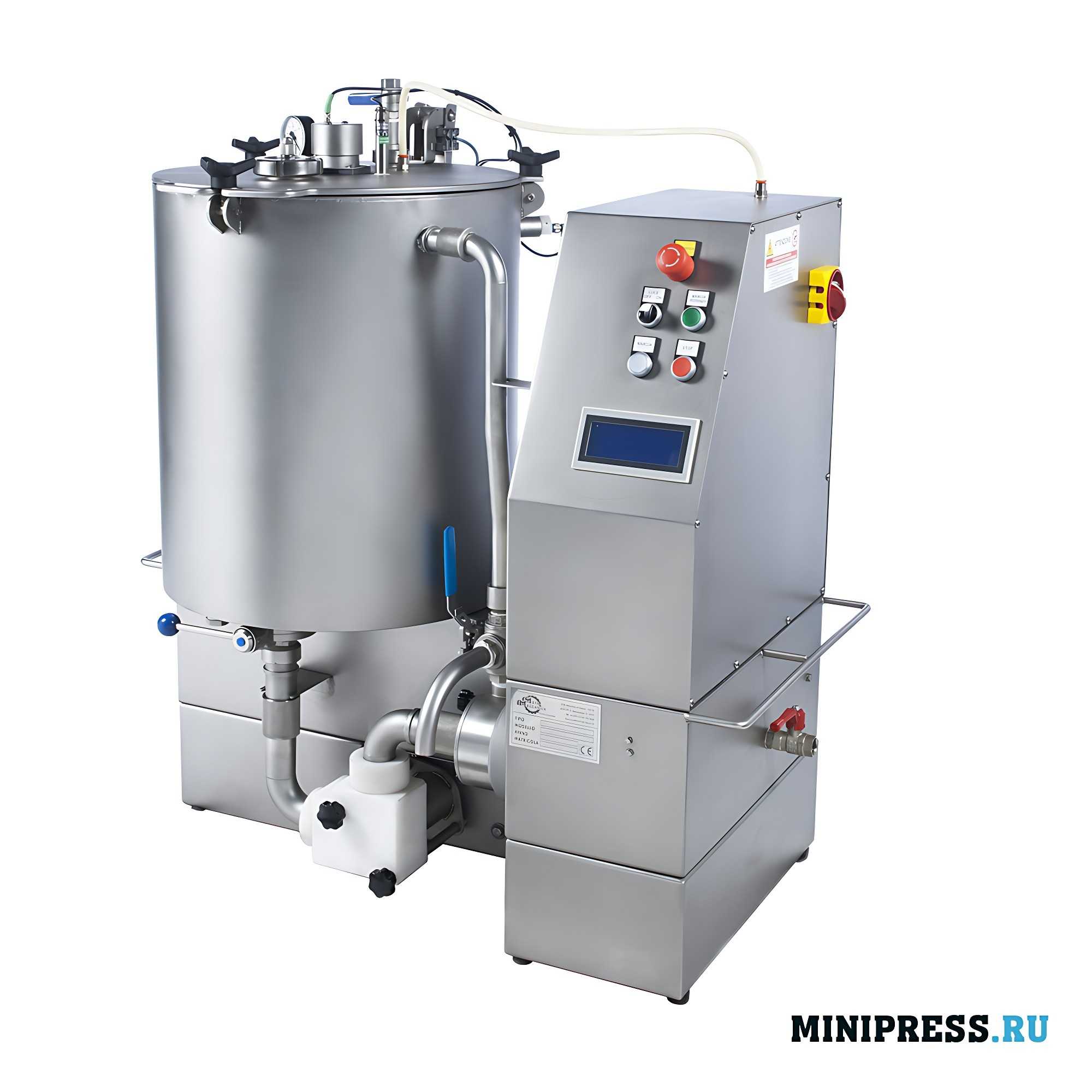
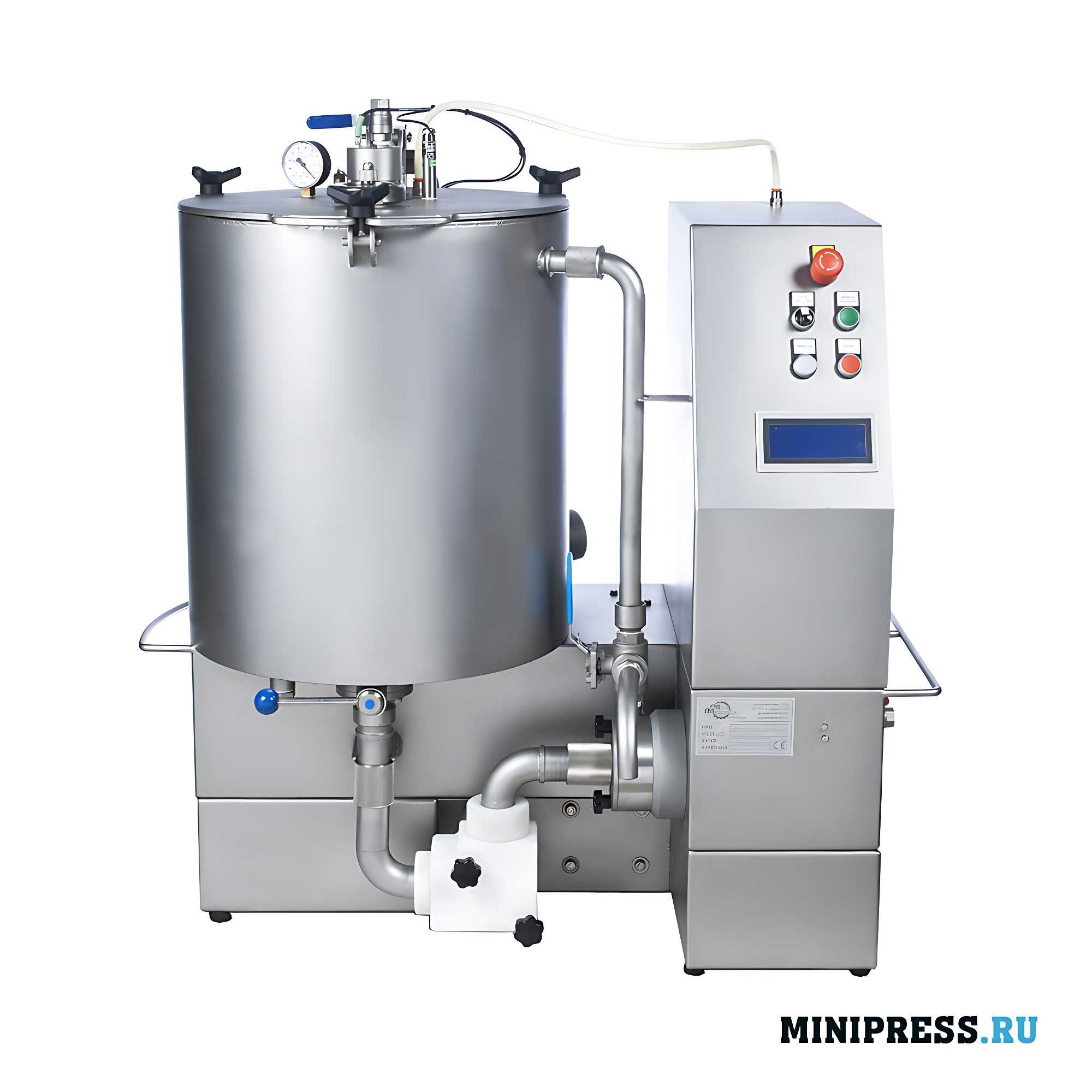
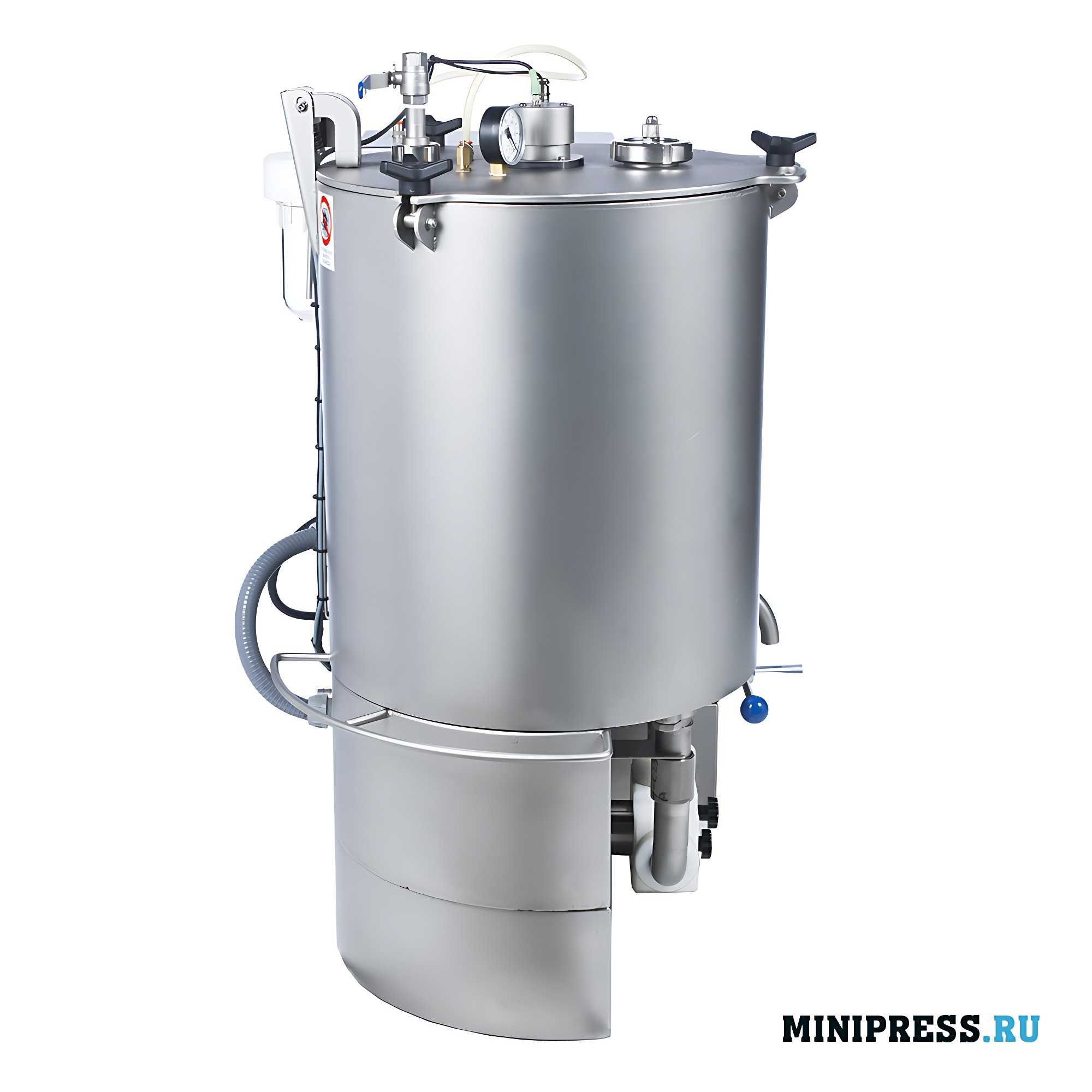
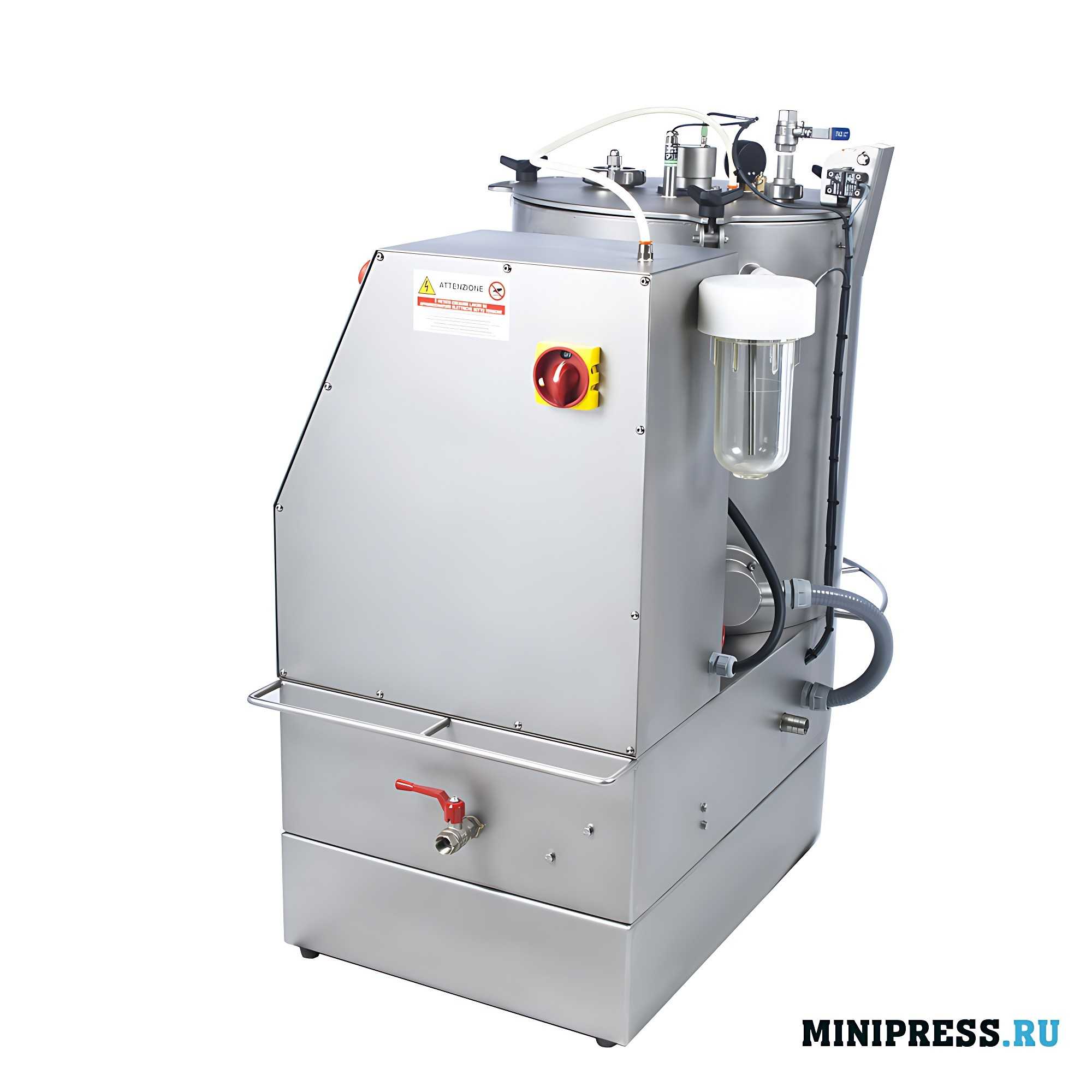
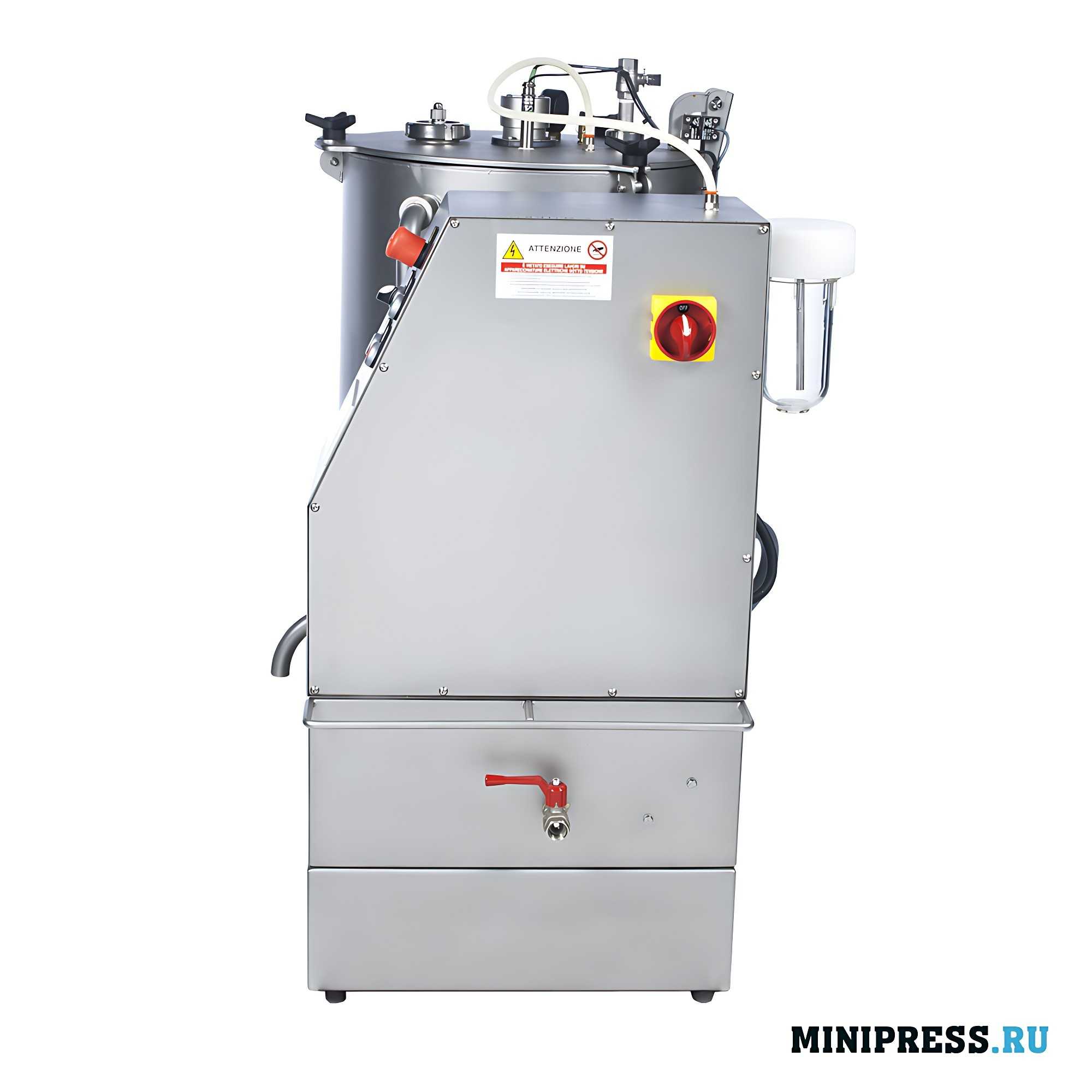
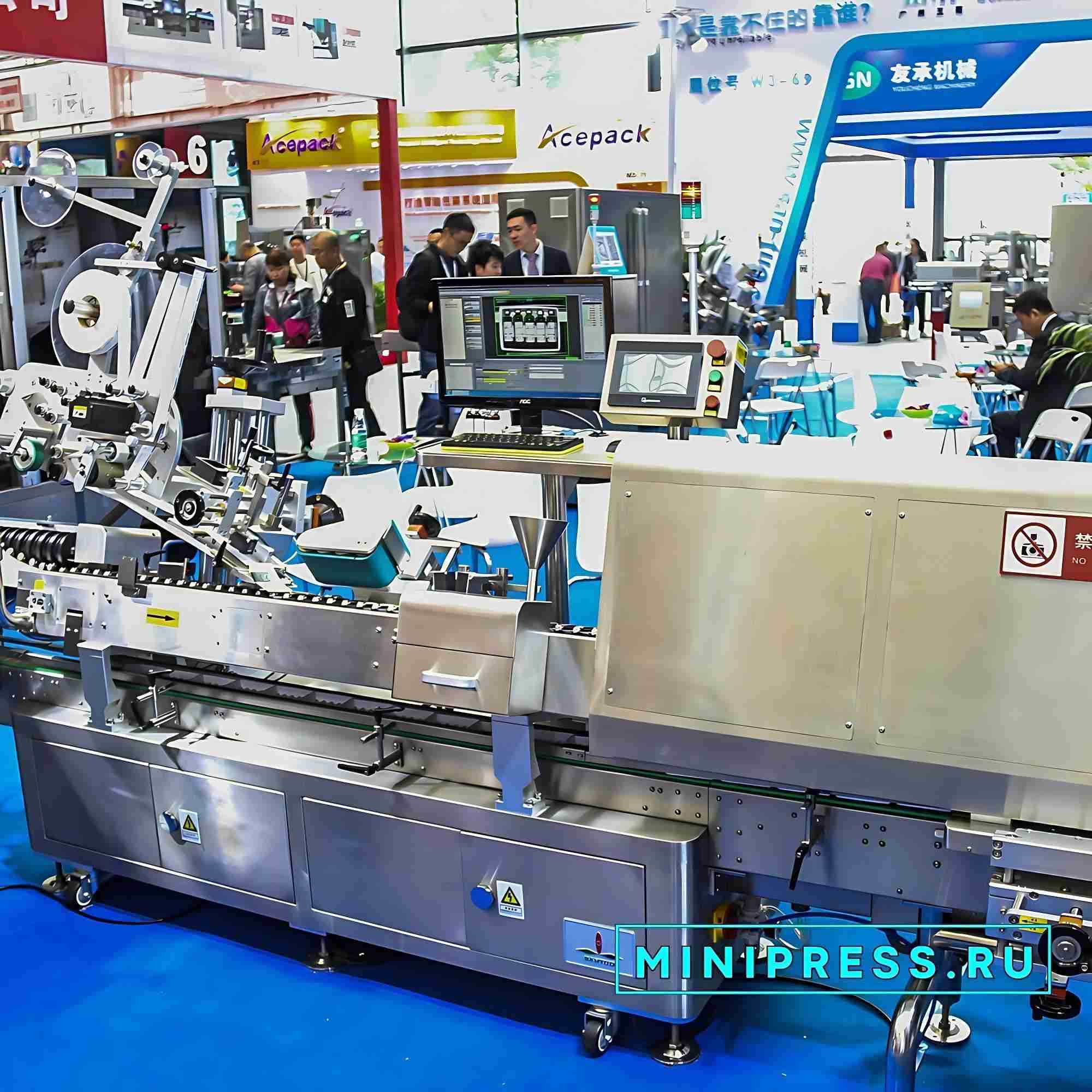
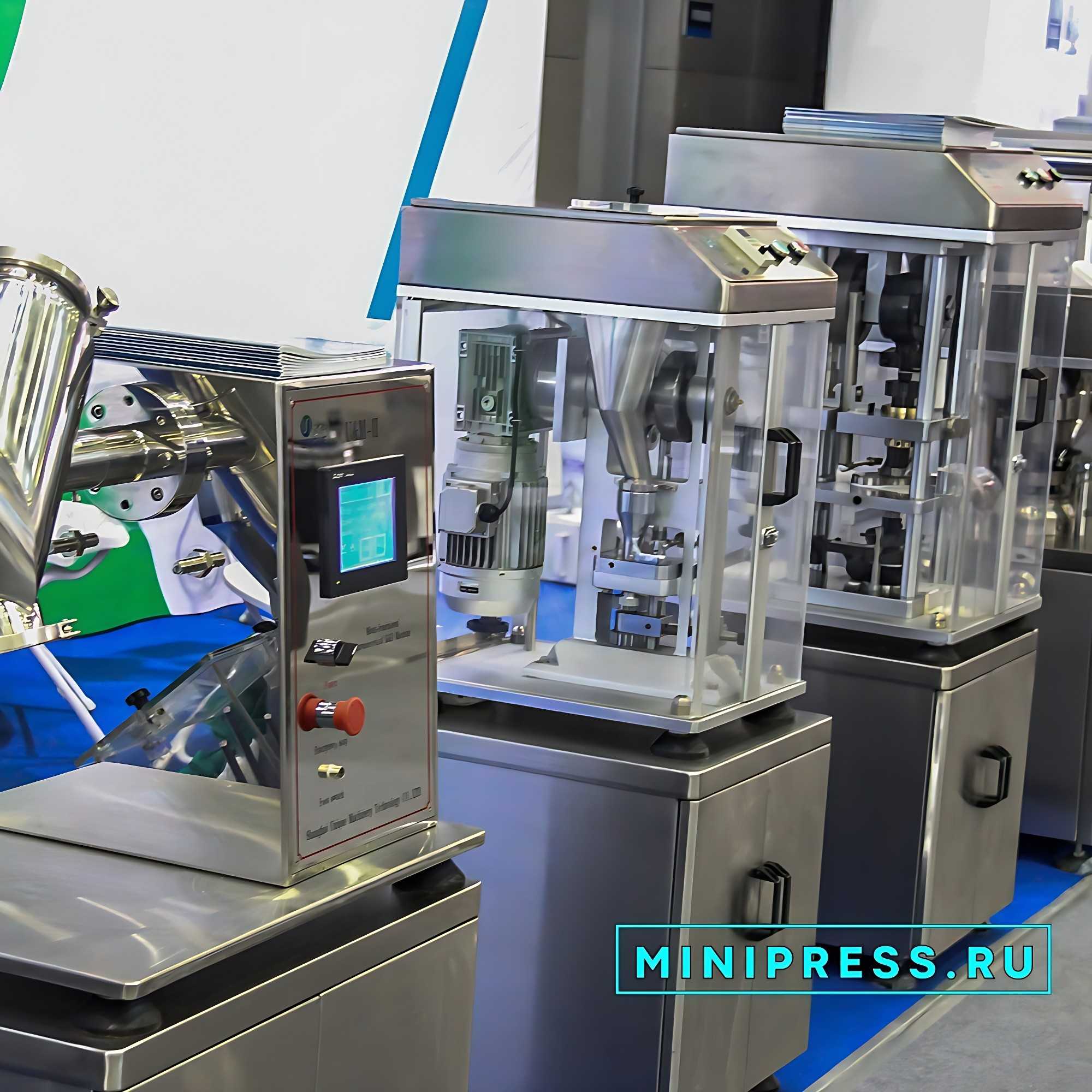
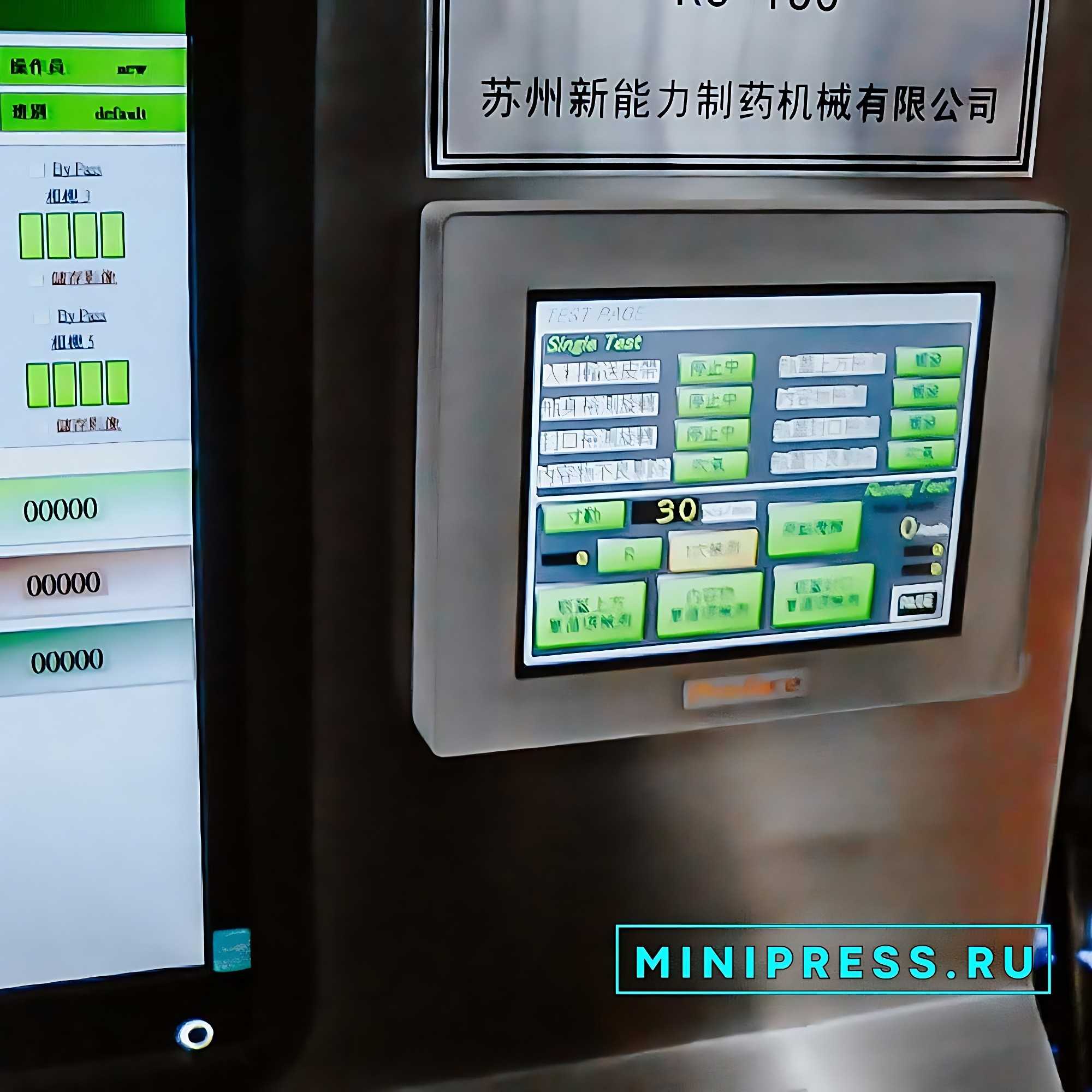
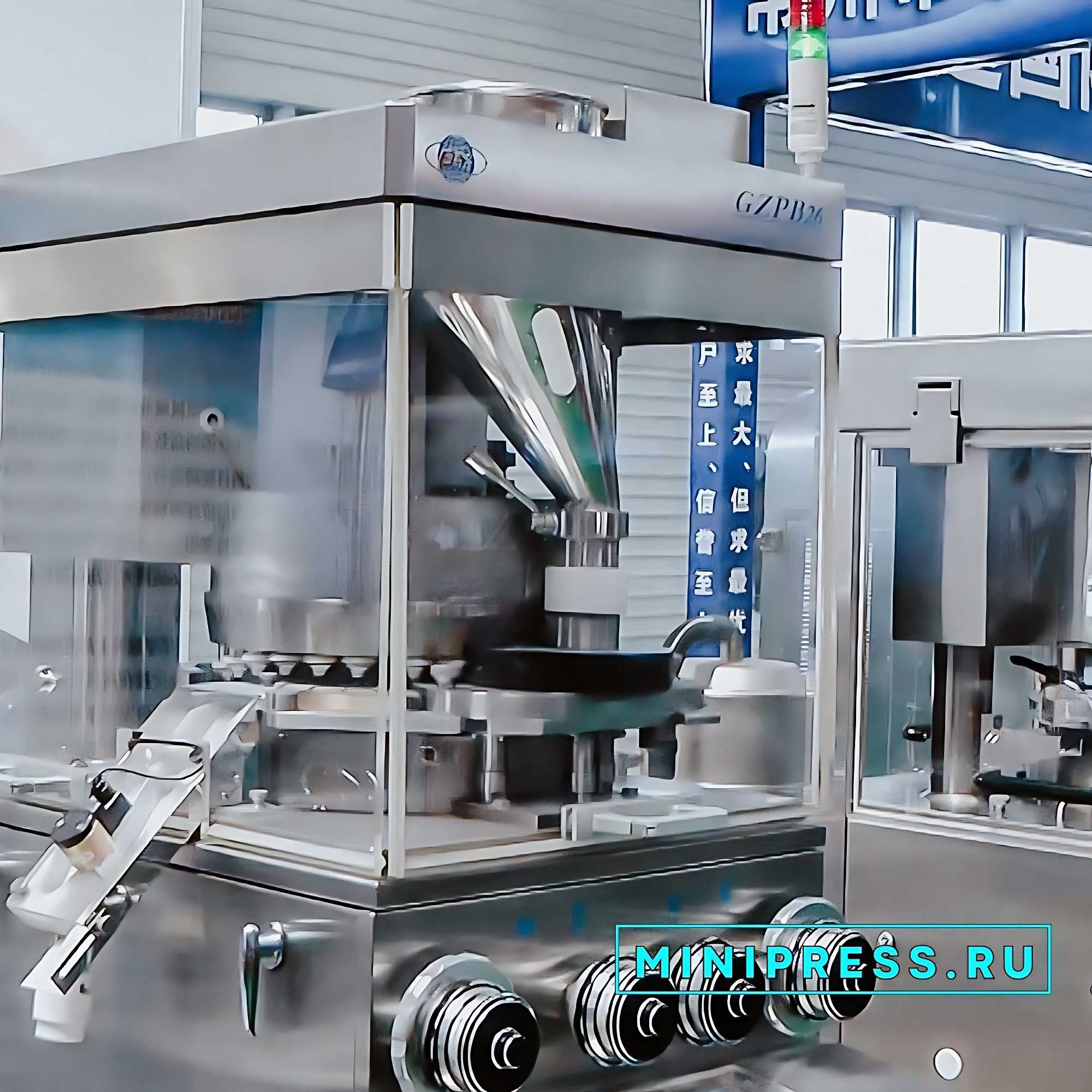
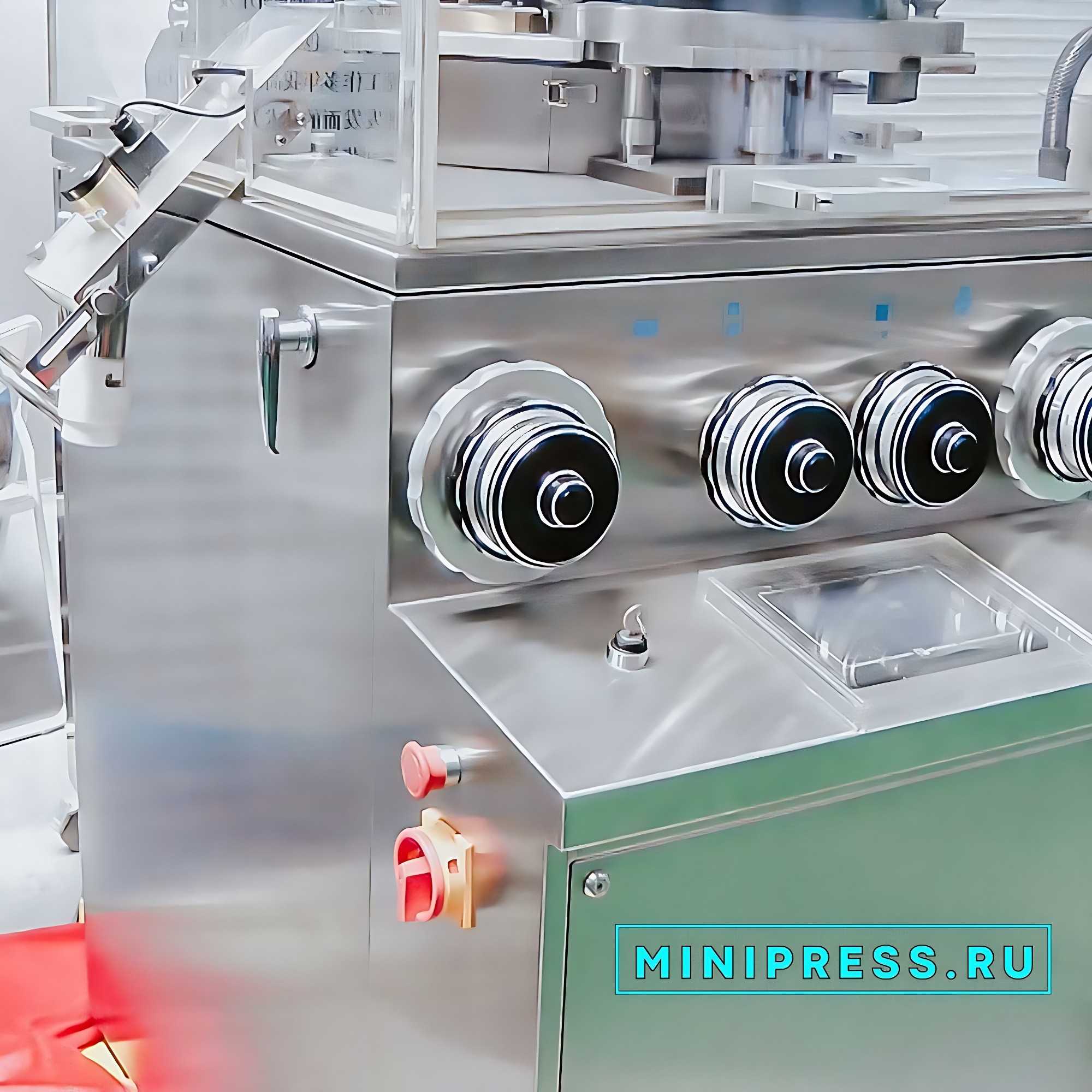
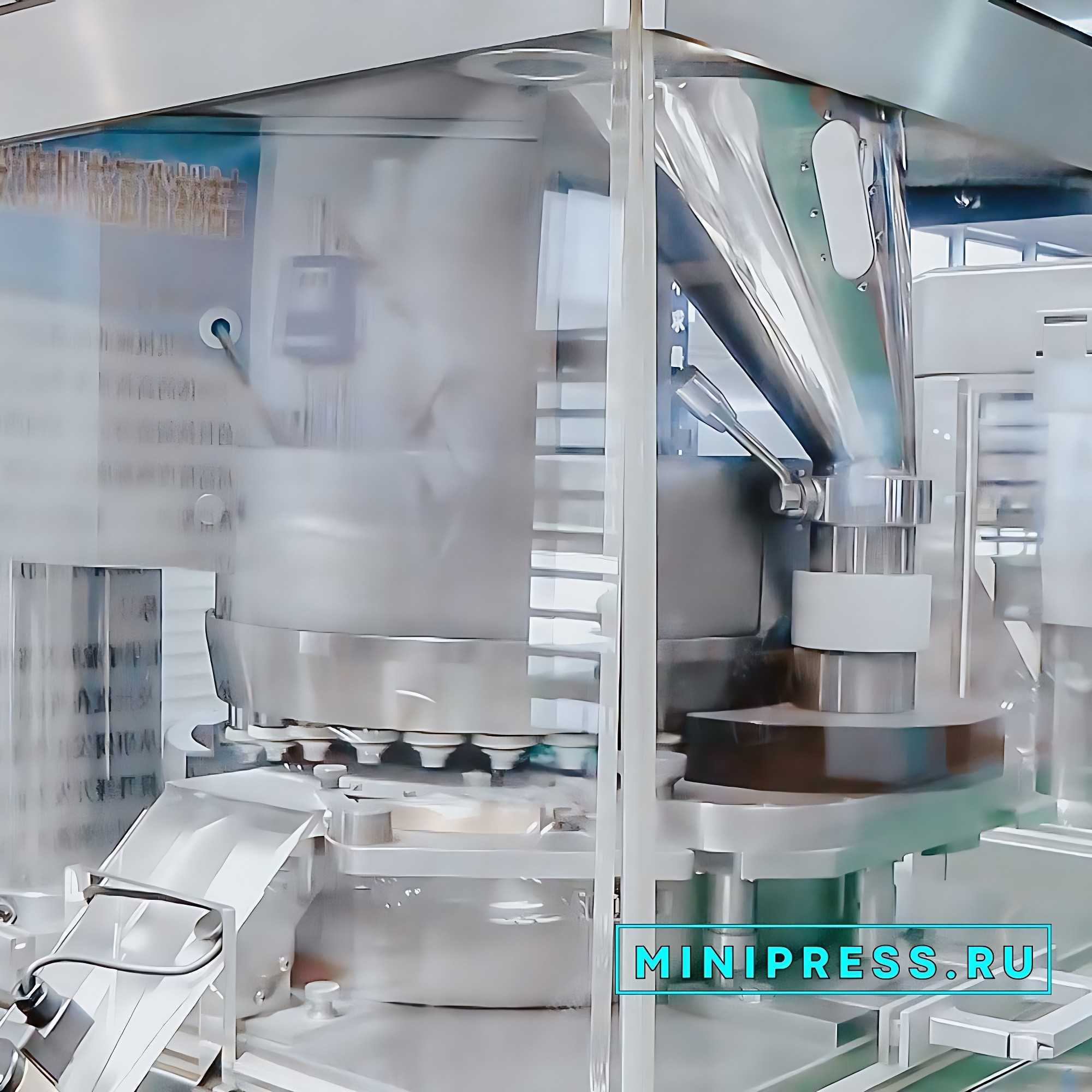
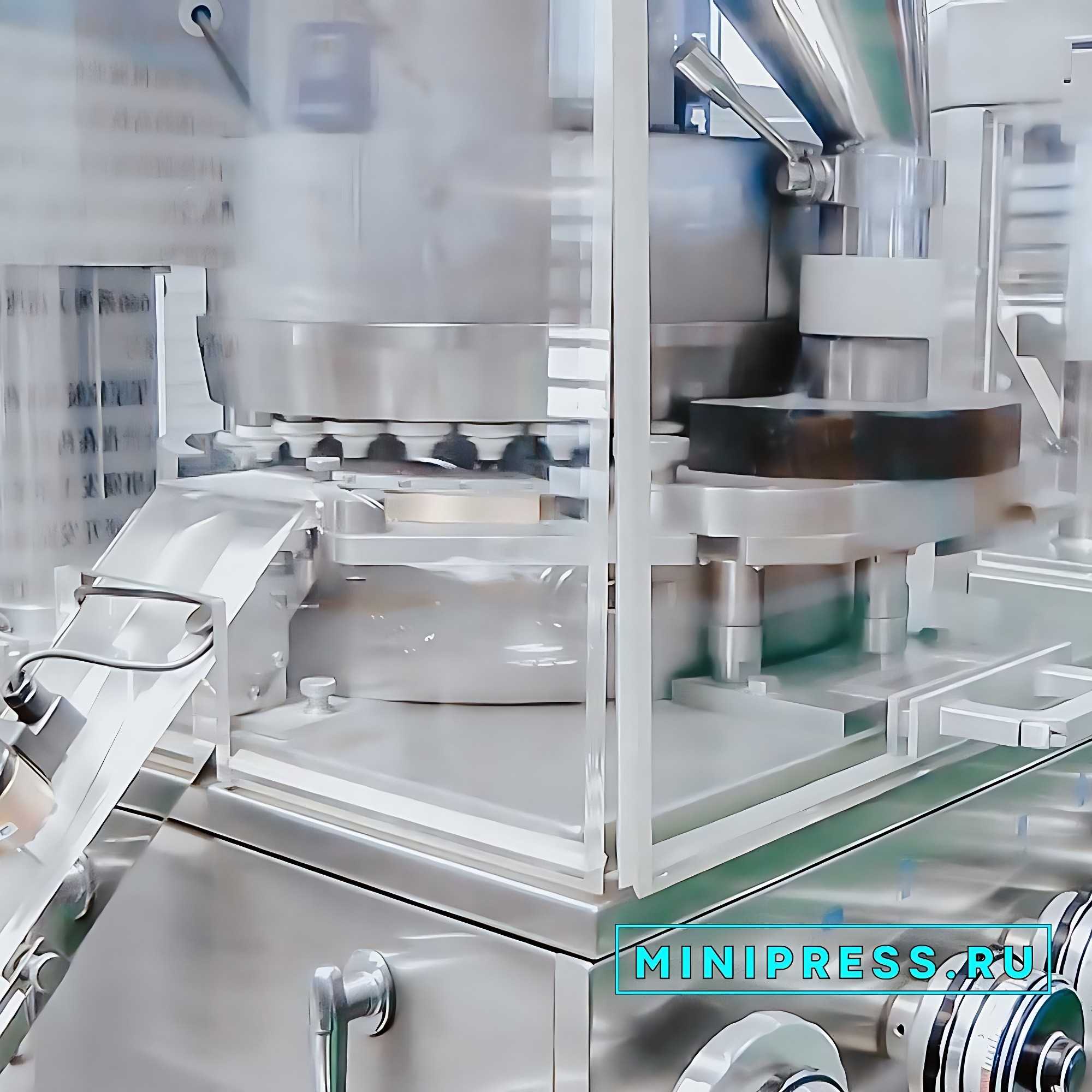




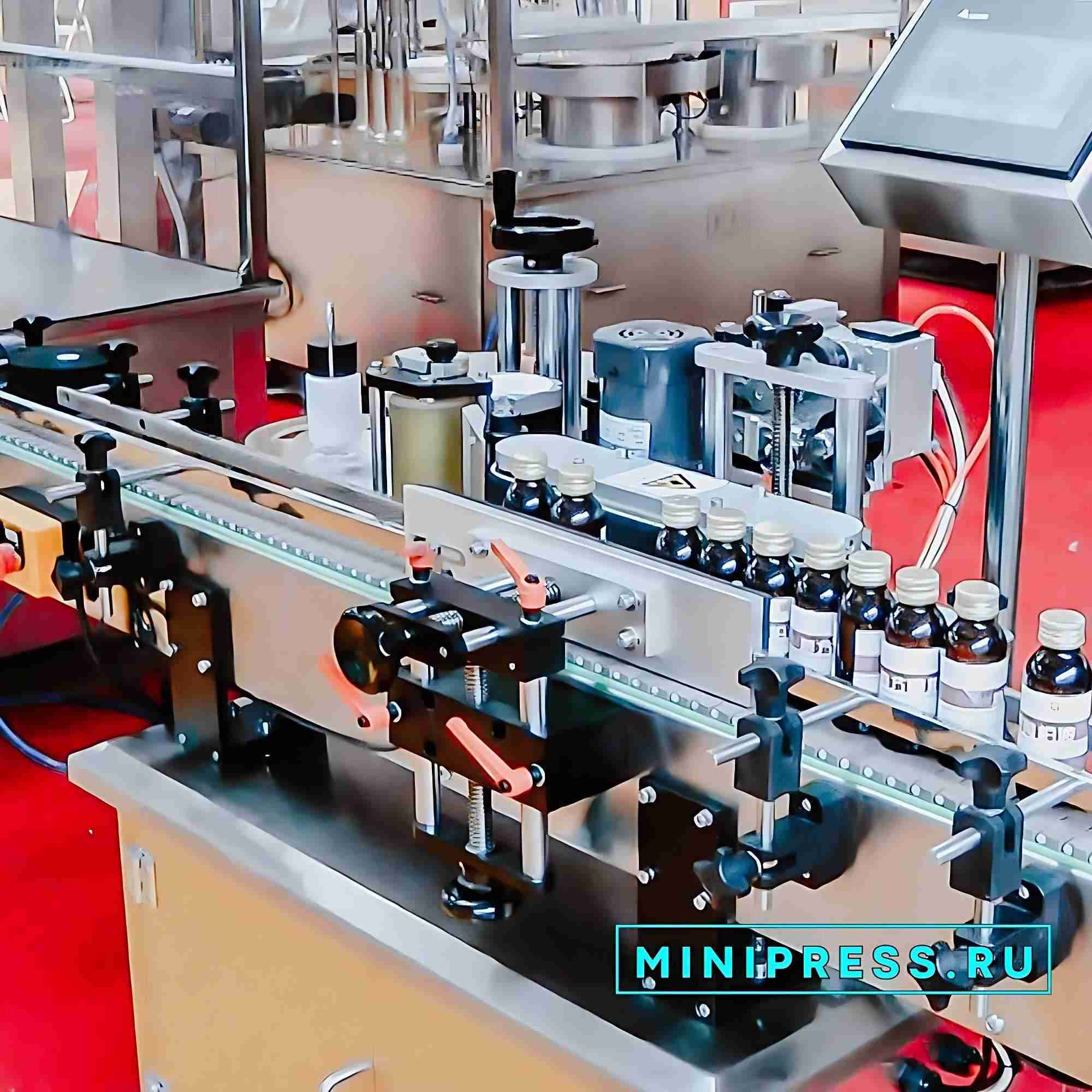
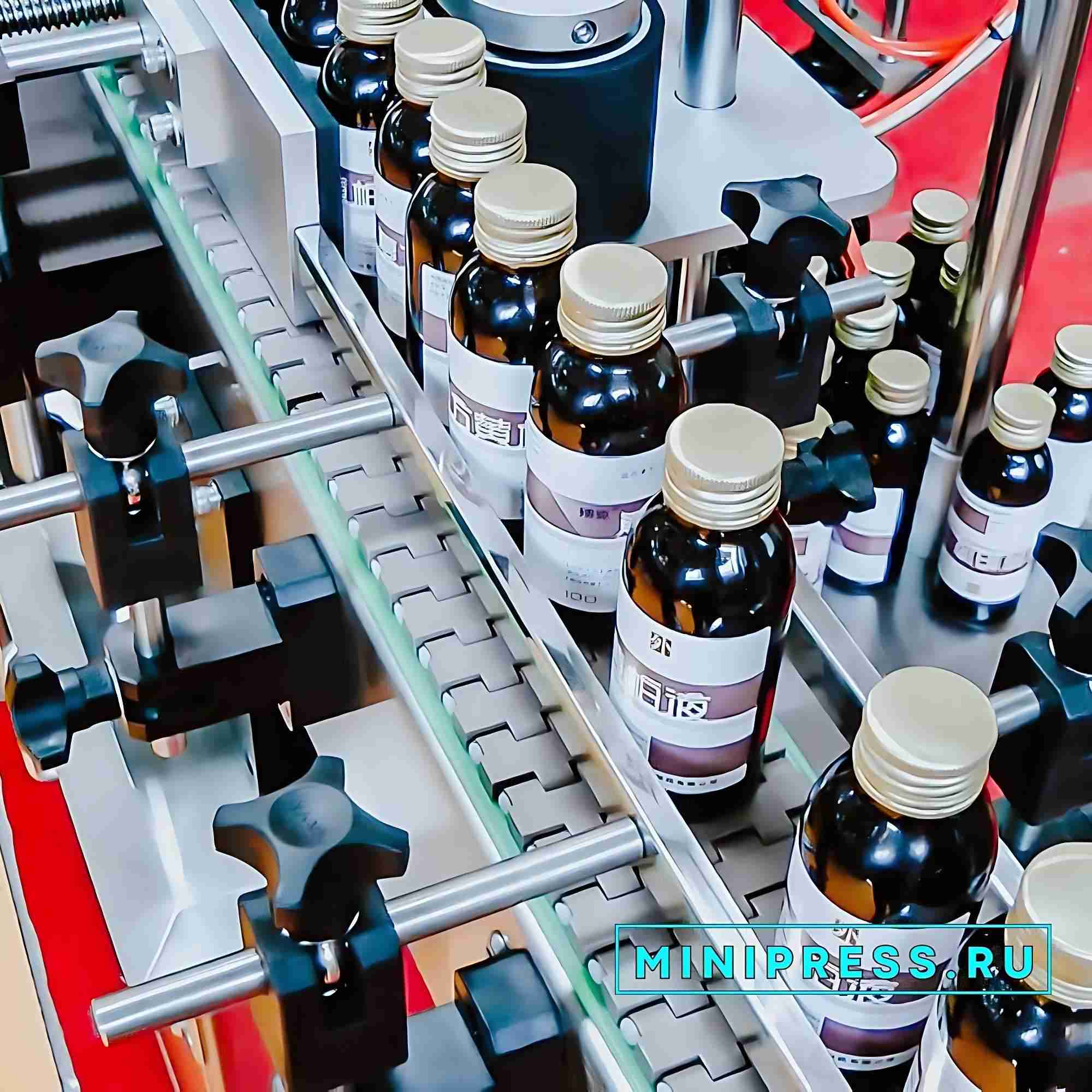
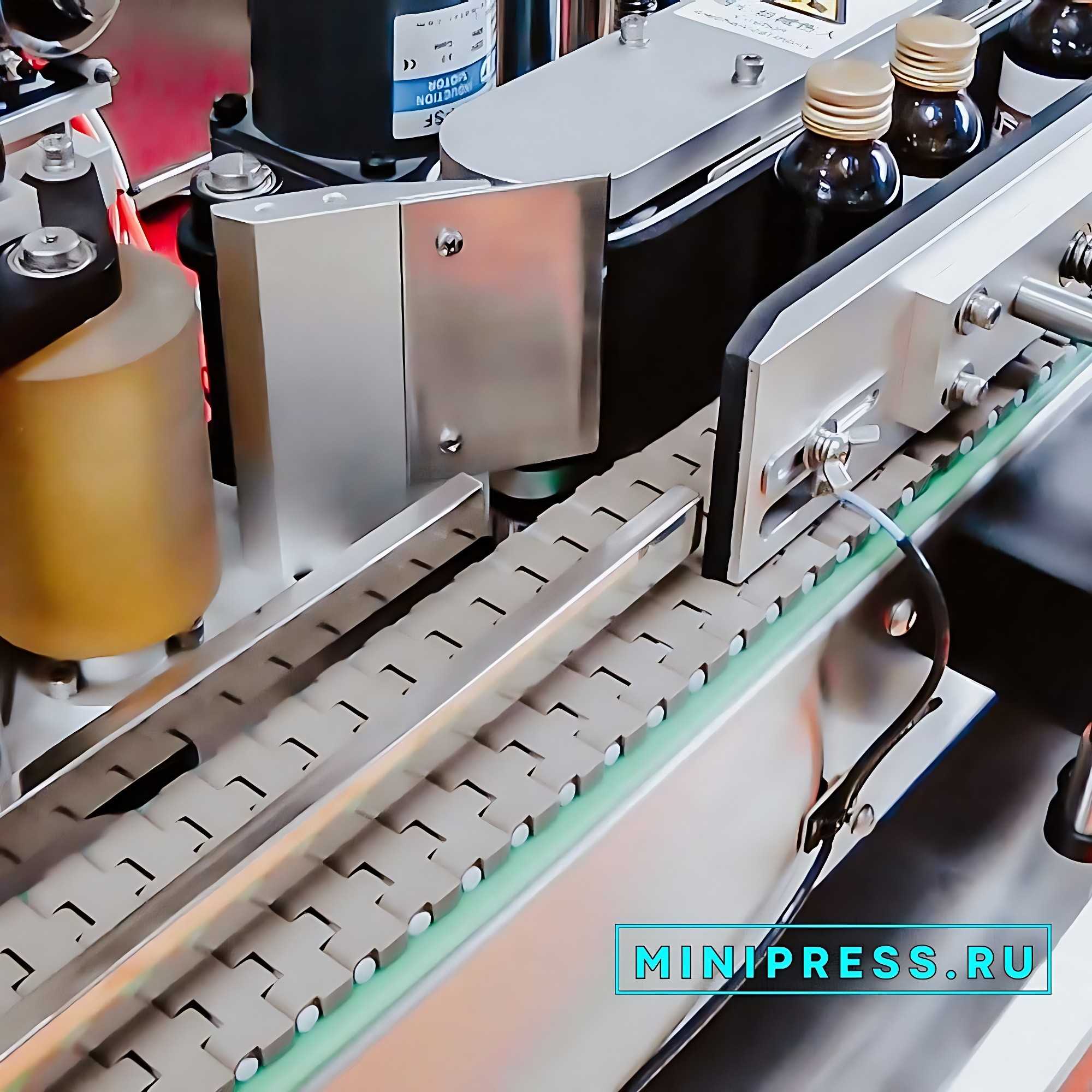
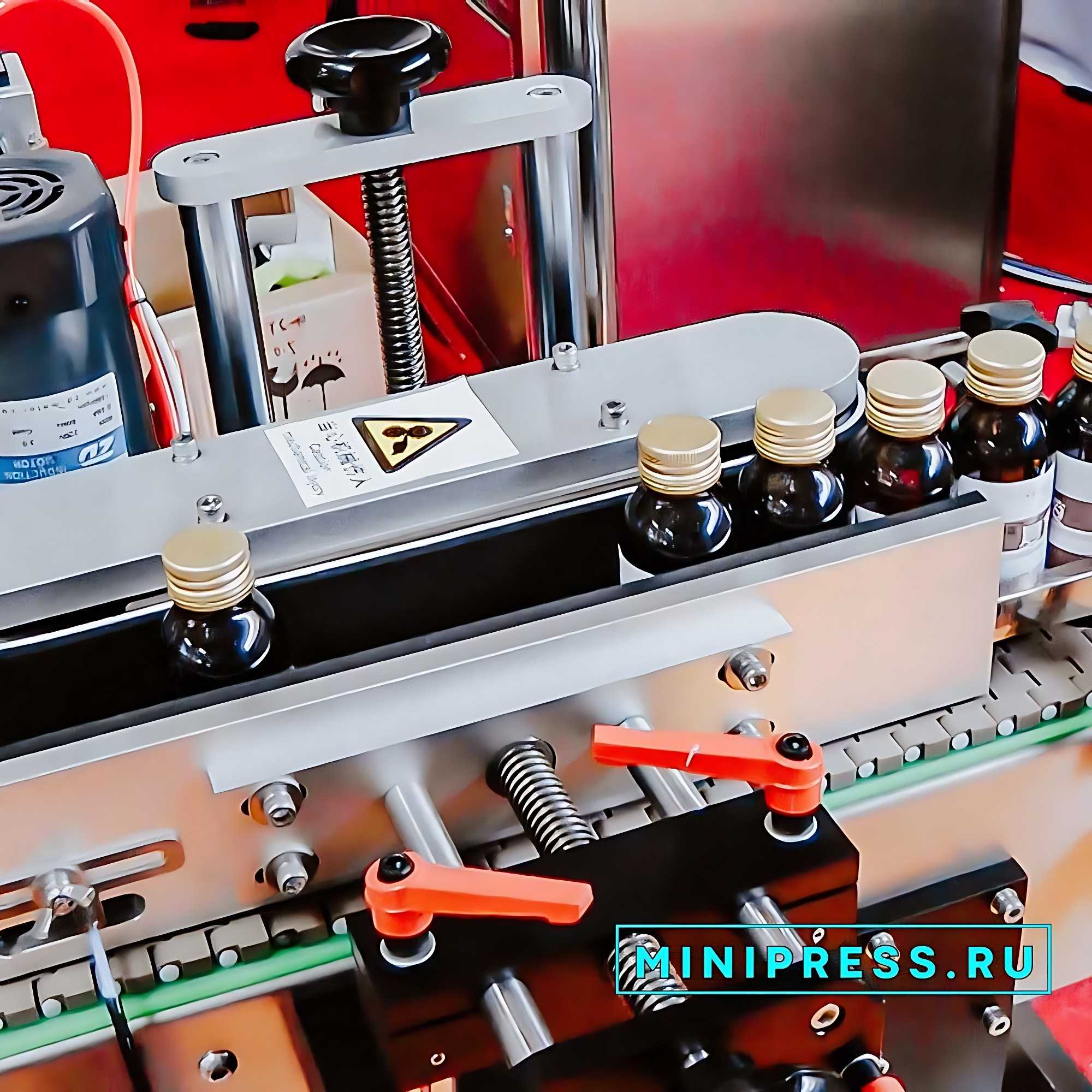
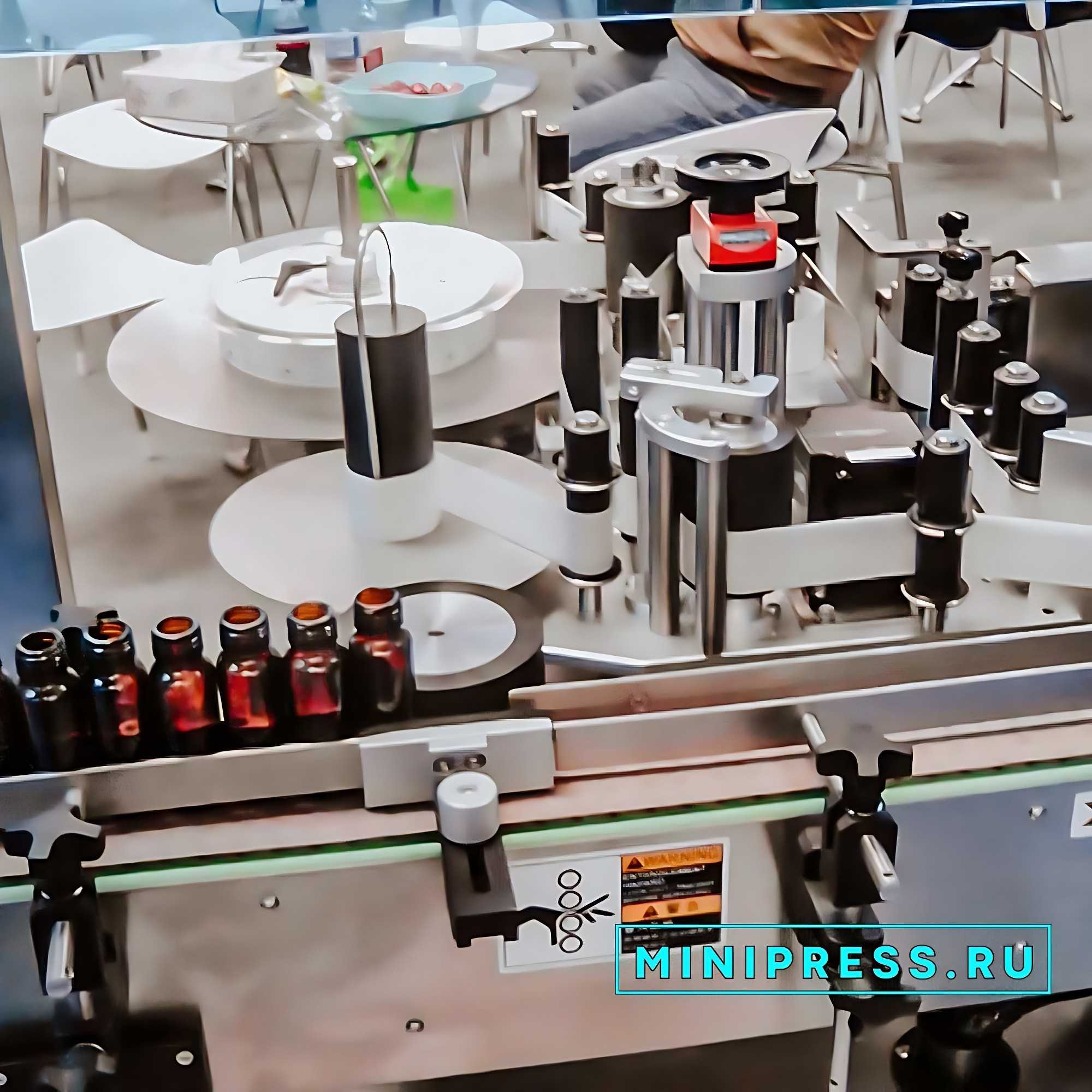

- EQUIPO DE LLENADO Y TAPADO DE BOTELLAS
- EQUIPO PARA CONTAR Y ENVASAR COMPRIMIDOS Y CÁPSULAS EN FRASCOS
- MÁQUINAS PARA LA PRODUCCIÓN DE SUPOSITORIOS
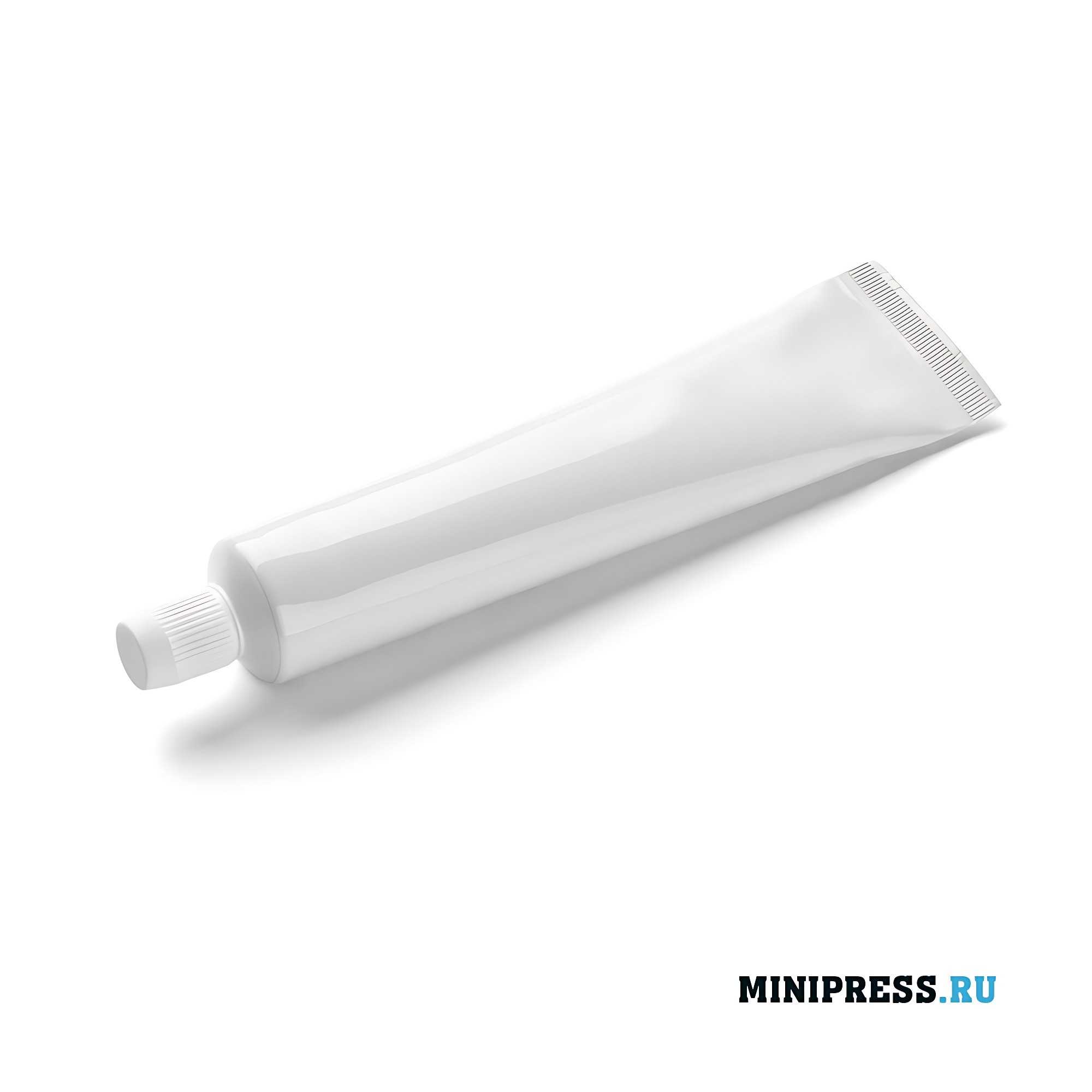
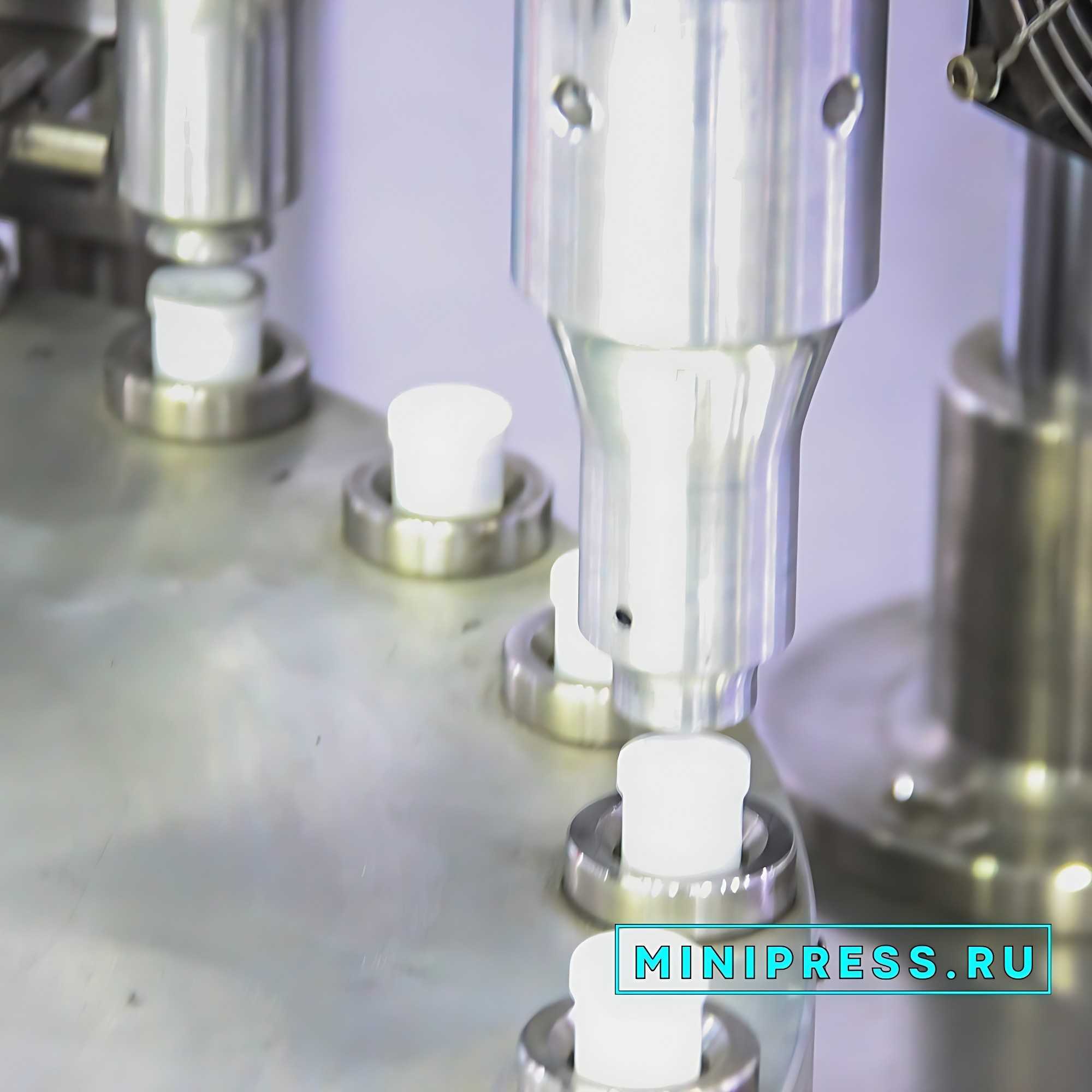
- EQUIPO PARA LLENADO DE CREMAS Y SELLADO DE TUBOS DE PLÁSTICO
- EQUIPO PARA EL ENVASADO DE COMPRIMIDOS Y CÁPSULAS EN BOTELLAS DE PLÁSTICO
- EQUIPO PARA LLENADO Y SELLADO DE AMPOLLAS DE VIDRIO
- MÁQUINAS DOSIFICADORAS DE ALTA PRECISIÓN MÁQUINAS DE LLENADO DE POLVO
- EQUIPO PARA RECUBRIMIENTO DE TABLETAS
- EQUIPO DE SECADO POR PULVERIZACIÓN PARA SUSPENSIONES
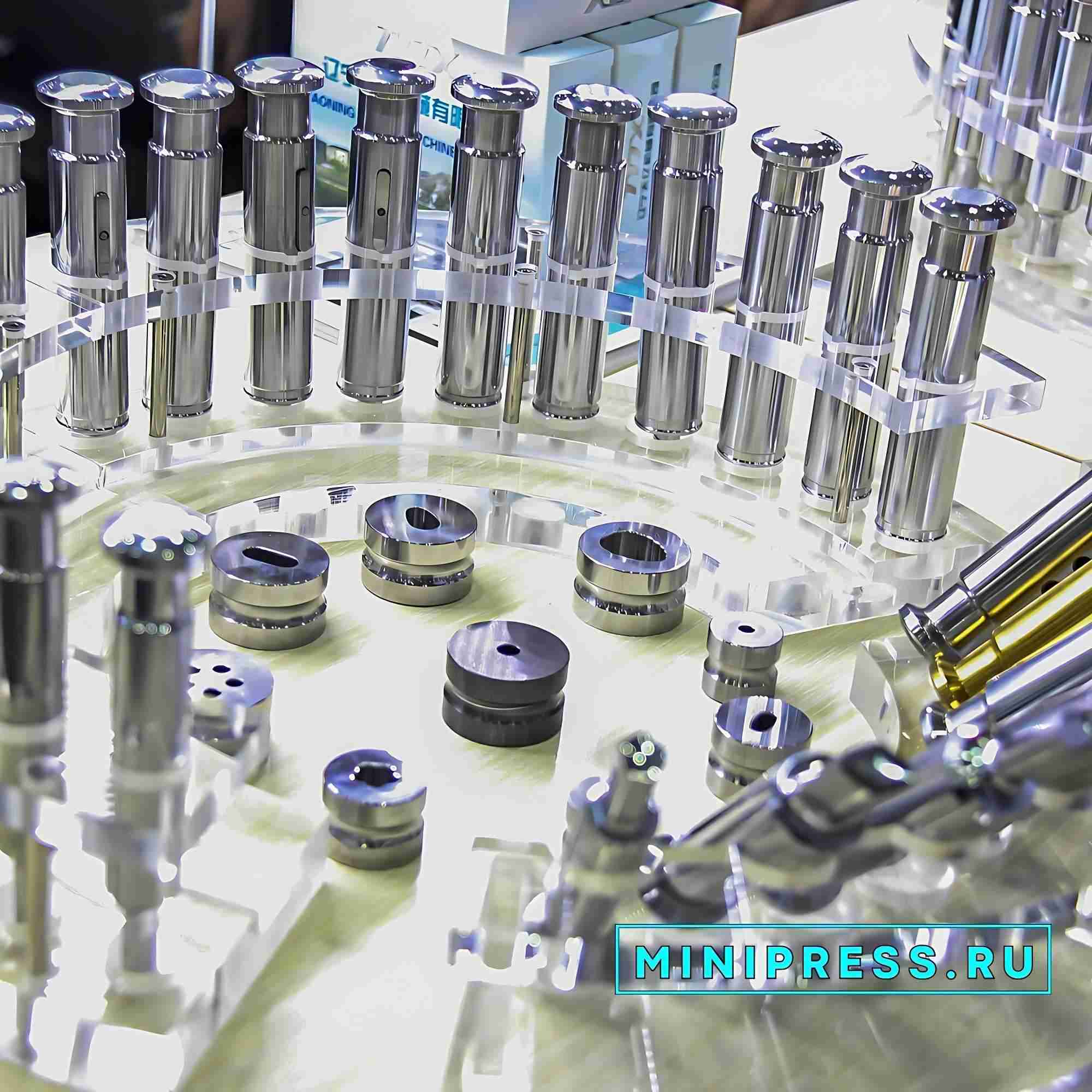
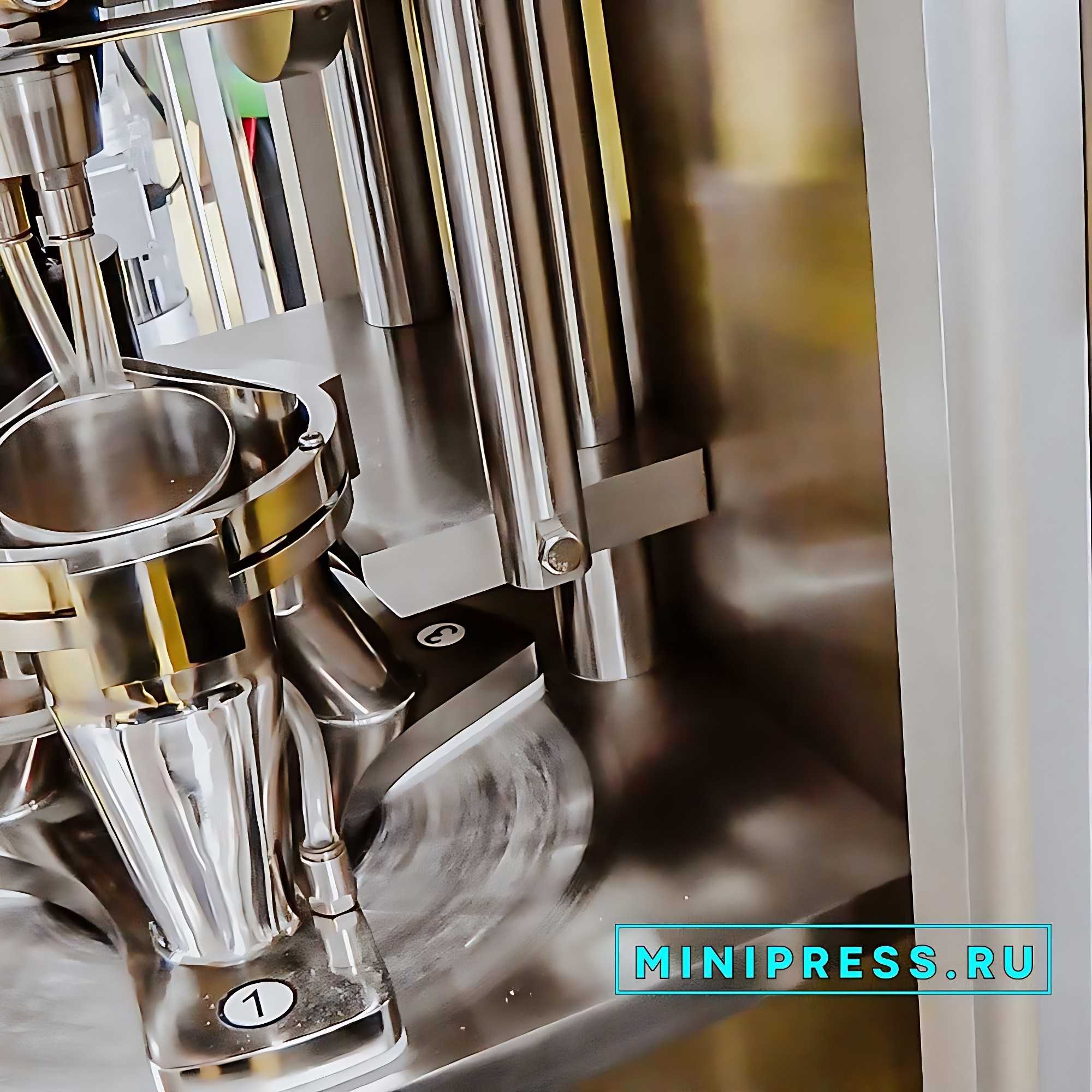
- EQUIPO PARA LA PRODUCCIÓN DE TABLETAS
- EQUIPO PARA IMPRIMIR LOGOTIPOS EN TABLETAS Y CÁPSULAS.
- EQUIPO PARA ENVASAR POLVOS EN VIALES
- EQUIPO PARA LAVAR Y ESTERILIZAR BIBERONES
- EQUIPO PARA PULIR Y DESEMPOLVAR TABLETAS Y CÁPSULAS
- MÁQUINAS PARA FORMAR Y LLENAR AMPOLLAS DE PLÁSTICO
- EQUIPO PARA LLENAR CÁPSULAS DE GELATINA DURA CON POLVO
- EQUIPO AUTOMÁTICO PARA EXTRAER COMPRIMIDOS Y CÁPSULAS DE BLÍSTERES.
- EQUIPO PARA HOMOGENEIZAR CREMAS Y UNGÜENTOS
- EQUIPO PARA ALIMENTACIÓN POR TORNILLO DE POLVOS
- EQUIPO PARA TRANSPORTE DE POLVOS AL VACÍO
- EQUIPO DE GRANULACIÓN DE POLVO
- EQUIPO PARA LA MEZCLA EFICIENTE DE POLVOS
- CENTRIFUGADORAS FARMACÉUTICAS AUTOMÁTICAS
- EQUIPO PARA ALIMENTACIÓN AUTOMÁTICA CON BIBERÓN PARA LÍNEAS DE LLENADO
- EQUIPO PARA EMPACAR TÉ EN BOLSITAS DE TÉ CON HILO Y ETIQUETA.
- EQUIPO AUTOMÁTICO PARA ETIQUETAS AUTOADHESIVAS EN ENVASES
- EQUIPO PARA APLICAR LA FECHA DE CADUCIDAD Y EL NÚMERO DE LOTE A LOS PRODUCTOS.
- EQUIPO PARA LA FABRICACIÓN Y ENVASADO DE TOALLITAS HÚMEDAS CON ALCOHOL
- EQUIPO PARA CONTROL DE PESO Y CLASIFICACIÓN DE CAJAS DE CARTÓN CON MEDICAMENTOS
- EQUIPOS PARA LLENADO DE LÍQUIDOS EN BARRILES DE PLÁSTICO Y METAL.
- EQUIPOS PARA EL ENVASADO DE PRODUCTOS ALIMENTICIOS EN ENVASES DOY-PACK
- EQUIPO PARA ENVOLVER CAJAS DE CARTÓN CON CELOFÁN
- EQUIPO PARA EL LLENADO Y ENVASADO DE TINTURAS DE HIERBAS
- EQUIPO PARA DETECTOR DE METALES EN CÁPSULAS Y TABLETAS DE GELATINA
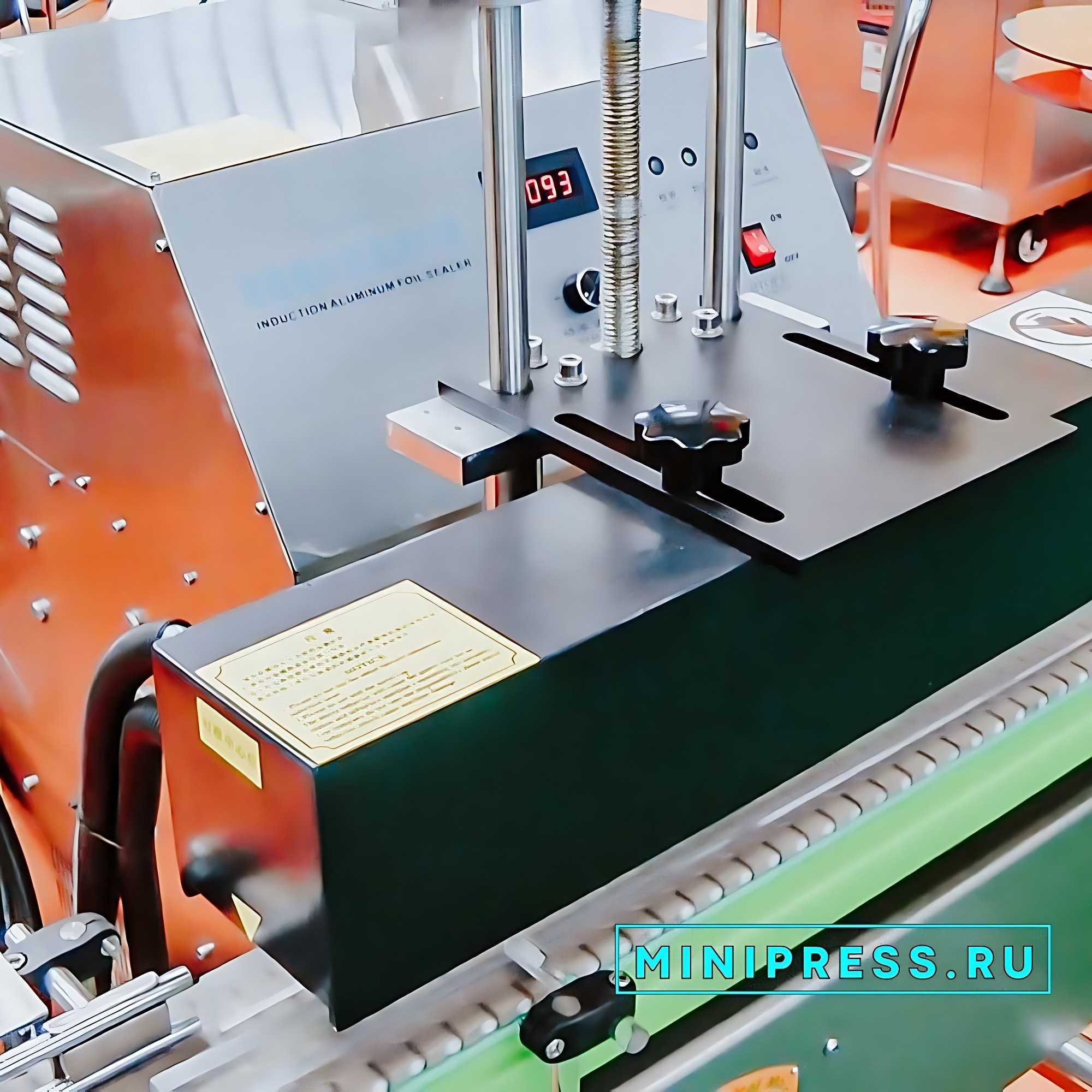
- EQUIPO PARA SELLADO POR INDUCCIÓN DE BOTELLAS DE ALUMINIO
- EQUIPO AUTOMÁTICO PARA ENVASADO EN BLÍSTER
- EQUIPO PARA ENVASAR PRODUCTOS EN UN FLOW PACK
- EQUIPOS PARA EL ENVASADO DE MATERIALES A GRANEL EN BOLSAS DE PLÁSTICO
- EQUIPOS PARA EL ENVASADO DE COMPRIMIDOS EN TIRAS Y TUBOS
- MÁQUINAS DE ENVASADO FLOW-PACK
- EQUIPOS PARA ENVASADO AL VACÍO EN BOLSAS DE PLÁSTICO
- EQUIPO PARA MEZCLAR LÍQUIDOS CON CALENTAMIENTO POR MICROONDAS
- MÁQUINAS QUE IMPRIMEN FECHA DE CADUCIDAD Y NÚMERO DE LOTE
- EQUIPO DE SOBREMESA PARA LA PRODUCCIÓN DE EMULSIONES A ALTA VELOCIDAD
- EQUIPO MANUAL PARA LLENAR CÁPSULAS DE GELATINA CON POLVO.
- EQUIPOS DE SOBREMESA PARA DOSIFICACIÓN DE LÍQUIDOS
- EQUIPO PARA LA PRODUCCIÓN DE BOILIES DE PESCA
- EQUIPO DE SOBREMESA PARA MEZCLAR POLVOS
- EQUIPO PARA DOSIFICACIÓN AUTOMÁTICA DE CREMAS Y UNGÜENTOS
- EQUIPO PARA PRUEBAS DE LABORATORIO DE MEDICAMENTOS
- DISPENSADORES DE BOMBAS PERISTÁLTICAS
- EQUIPO PARA PULVERIZAR MATERIAS PRIMAS FARMACÉUTICAS
- EQUIPO SEMIAUTOMÁTICO PARA EL LLENADO DE CÁPSULAS DE GELATINA
- EQUIPO PARA TAMIZADO VIBRATORIO DE POLVOS
- EQUIPO SEMIAUTOMÁTICO PARA ENVASADO DE BLÍSTERES
UNGÜENTOS ANTIFÚNGICOS
HOMOGENEIZADORES DE ÉMBOLO TIPO VÁLVULA

- EQUIPO PARA LLENADO DE CREMAS Y SELLADO DE TUBOS DE PLÁSTICO
- EQUIPO PARA EL ENVASADO DE COMPRIMIDOS Y CÁPSULAS EN BOTELLAS DE PLÁSTICO
- MÁQUINAS PARA LA PRODUCCIÓN DE SUPOSITORIOS
- EQUIPO PARA ENVASAR POLVOS EN VIALES
- EQUIPO DE LLENADO Y TAPADO DE BOTELLAS
- MÁQUINAS DOSIFICADORAS DE ALTA PRECISIÓN MÁQUINAS DE LLENADO DE POLVO
- EQUIPO PARA LA PRODUCCIÓN DE TABLETAS
- EQUIPO PARA PULIR Y DESEMPOLVAR TABLETAS Y CÁPSULAS
- EQUIPO AUTOMÁTICO PARA EXTRAER COMPRIMIDOS Y CÁPSULAS DE BLÍSTERES.
- EQUIPO PARA RECUBRIMIENTO DE TABLETAS
- EQUIPO PARA LLENAR CÁPSULAS DE GELATINA DURA CON POLVO
- EQUIPO PARA LAVAR Y ESTERILIZAR BIBERONES
- EQUIPO PARA CONTAR Y ENVASAR COMPRIMIDOS Y CÁPSULAS EN FRASCOS
- MÁQUINAS PARA FORMAR Y LLENAR AMPOLLAS DE PLÁSTICO
- EQUIPO PARA IMPRIMIR LOGOTIPOS EN TABLETAS Y CÁPSULAS.
- EQUIPO DE SECADO POR PULVERIZACIÓN PARA SUSPENSIONES
- EQUIPO PARA LLENADO Y SELLADO DE AMPOLLAS DE VIDRIO
- EQUIPO PARA ALIMENTACIÓN AUTOMÁTICA CON BIBERÓN PARA LÍNEAS DE LLENADO
- CENTRIFUGADORAS FARMACÉUTICAS AUTOMÁTICAS
- EQUIPO PARA ALIMENTACIÓN POR TORNILLO DE POLVOS
- EQUIPO PARA TRANSPORTE DE POLVOS AL VACÍO
- EQUIPO DE GRANULACIÓN DE POLVO
- EQUIPO PARA HOMOGENEIZAR CREMAS Y UNGÜENTOS
- EQUIPO PARA LA MEZCLA EFICIENTE DE POLVOS
- EQUIPO PARA EL LLENADO Y ENVASADO DE TINTURAS DE HIERBAS
- EQUIPO PARA CONTROL DE PESO Y CLASIFICACIÓN DE CAJAS DE CARTÓN CON MEDICAMENTOS
- EQUIPO PARA ENVASAR PRODUCTOS EN UN FLOW PACK
- EQUIPO PARA DETECTOR DE METALES EN CÁPSULAS Y TABLETAS DE GELATINA
- EQUIPOS PARA EL ENVASADO DE COMPRIMIDOS EN TIRAS Y TUBOS
- EQUIPOS PARA ENVASADO AL VACÍO EN BOLSAS DE PLÁSTICO
- EQUIPO PARA SELLADO POR INDUCCIÓN DE BOTELLAS DE ALUMINIO
- MÁQUINAS DE ENVASADO FLOW-PACK
- EQUIPOS PARA LLENADO DE LÍQUIDOS EN BARRILES DE PLÁSTICO Y METAL.
- EQUIPO PARA APLICAR LA FECHA DE CADUCIDAD Y EL NÚMERO DE LOTE A LOS PRODUCTOS.
- EQUIPO PARA EMPACAR TÉ EN BOLSITAS DE TÉ CON HILO Y ETIQUETA.
- EQUIPOS PARA EL ENVASADO DE PRODUCTOS ALIMENTICIOS EN ENVASES DOY-PACK
- EQUIPO AUTOMÁTICO PARA ETIQUETAS AUTOADHESIVAS EN ENVASES
- EQUIPO PARA LA FABRICACIÓN Y ENVASADO DE TOALLITAS HÚMEDAS CON ALCOHOL
- EQUIPO AUTOMÁTICO PARA ENVASADO EN BLÍSTER
- EQUIPOS PARA EL ENVASADO DE MATERIALES A GRANEL EN BOLSAS DE PLÁSTICO
- EQUIPO PARA ENVOLVER CAJAS DE CARTÓN CON CELOFÁN
- DISPENSADORES DE BOMBAS PERISTÁLTICAS
- EQUIPO PARA MEZCLAR LÍQUIDOS CON CALENTAMIENTO POR MICROONDAS
- EQUIPO PARA LA PRODUCCIÓN DE BOILIES DE PESCA
- EQUIPO PARA DOSIFICACIÓN AUTOMÁTICA DE CREMAS Y UNGÜENTOS
- EQUIPOS DE SOBREMESA PARA DOSIFICACIÓN DE LÍQUIDOS
- EQUIPO SEMIAUTOMÁTICO PARA EL LLENADO DE CÁPSULAS DE GELATINA
- EQUIPO PARA PULVERIZAR MATERIAS PRIMAS FARMACÉUTICAS
- EQUIPO DE SOBREMESA PARA LA PRODUCCIÓN DE EMULSIONES A ALTA VELOCIDAD
- EQUIPO SEMIAUTOMÁTICO PARA ENVASADO DE BLÍSTERES
- EQUIPO MANUAL PARA LLENAR CÁPSULAS DE GELATINA CON POLVO.
- EQUIPO PARA TAMIZADO VIBRATORIO DE POLVOS
- MÁQUINAS QUE IMPRIMEN FECHA DE CADUCIDAD Y NÚMERO DE LOTE
- EQUIPO PARA PRUEBAS DE LABORATORIO DE MEDICAMENTOS
- EQUIPO DE SOBREMESA PARA MEZCLAR POLVOS